



Emmanuel Villanis Sculpture
Emmanuel Villanis sculpture brings the refined elegance of the late nineteenth century into your interior with striking figural bronzes.
Emmanuel Villanis Sculpture
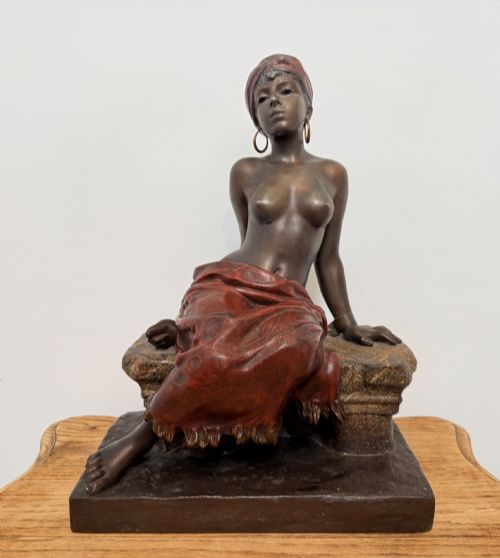
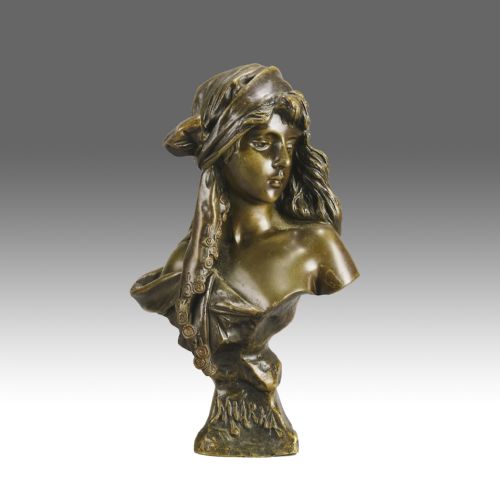
When you search for an emmanuel villanis sculpture, you encounter figural works that capture the essence of the turn of the century. The pieces recorded here predominantly take the form of busts and full figures representing female subjects from literature, history, and classical antiquity.
You are most likely to meet patinated bronze examples originating from France during the eighteen nineties and nineteen hundreds. These sculptures reflect the prevailing aesthetic of the period, merging classical form with contemporary ornamentation.
The objects span categories such as busts, sculptures, and statues, often featuring distinct titles inscribed directly into the metal or the base. They stand as representative examples of French foundry production from the late nineteenth century.
How they were made
The physical objects rely on traditional metal casting techniques using bronze as the primary medium. Artisans applied chemical patination to the surface to create varied tones and finishes across the skin, hair, and drapery of the figures.
Many of these works incorporate carved stone elements such as marble or alabaster for the plinths and bases. The combination of patinated bronze and pale stone provides a distinct contrast characteristic of the period's output.
Emmanuel Villanis Sculpture Retail Price Guide 2026
Typical asking prices for emmanuel villanis sculpture among the pieces listed under this phrase on Sellingantiques today, from the lower quarter to the upper quarter. They describe what is for sale here now, not the wider market.
Many of these bronze ladies spend their days quietly glaring at nineteenth century mantelpieces with absolute literary indignation.
What varies in quality
The crispness of the chasing and the depth of the surface patination determine the visual success of each cast. Finer examples retain sharp details in the facial expressions, hair strands, and textile folds.
The integration between the metal figure and the supporting marble or alabaster base indicates the overall standard of production. Superior works demonstrate careful fitting and substantial materials that anchor the figural composition.
Emmanuel Villanis
The Emmanuel Villanis Sculpture Glossary
- Patinated bronze
- Bronze that has been treated with chemical solutions to produce a specific surface colour and finish. This process protects the metal while enhancing the sculptural contours.
- Art Nouveau
- A decorative art style prevalent around eighteen ninety characterised by organic lines and fluid forms. This aesthetic heavily influences the styling of the hair and drapery on these figures.
- Bust
- A sculptural representation of a person from the chest up. This format allows the maker to focus attention on facial expression and shoulder adornment.
- Orientalist
- A thematic approach in nineteenth century art depicting subjects from North Africa and the Middle East. Several titles in this category draw directly upon these cultural motifs.
Emmanuel Villanis Sculpture: Frequently Asked Questions
What subjects do these sculptures typically portray?
The works primarily depict female figures drawn from classical antiquity, literature, and historical narratives. Titles such as Lucrece, Thaïs, and Miarka illustrate this literary focus.
Each sculpture usually bears the title of the character directly on the cast, alongside the signature of the artist. This naming convention connects the visual form to specific stories known to nineteenth century audiences.
How should I display an emmanuel villanis sculpture?
These pieces function best when placed on sturdy surfaces such as pedestals, sideboards, or mantels where their patinated surfaces can catch ambient light. Ensuring a stable foundation is essential given the weight of the bronze and stone components.
Keep the sculptures away from direct heat sources and strong sunlight to preserve the chemical patination on the metal and prevent any deterioration of the stone bases.
How do I identify the period of a cast?
The dating relies on stylistic indicators associated with the turn of the century, specifically the eighteen nineties and nineteen hundreds. The lettering of the signature and the style of the base provide primary chronological clues.
Consulting the specific foundry marks and comparing the cast quality against known examples helps establish the historical context of the piece.
What materials make up these sculptures?
The primary material is cast bronze, finished with a deliberate patina that ranges from dark brown to golden tones. This metal work is frequently mounted upon bases made from marble or alabaster.
The combination of these two mediums creates a balanced composition where the dark patinated metal contrasts with the pale, veined stone underneath.