




Bronze Portrait Sculpture
These bronze portrait sculpture pieces capture likenesses in metal and stone, offering a tangible connection to historical figures and literary characters.
Bronze Portrait Sculpture
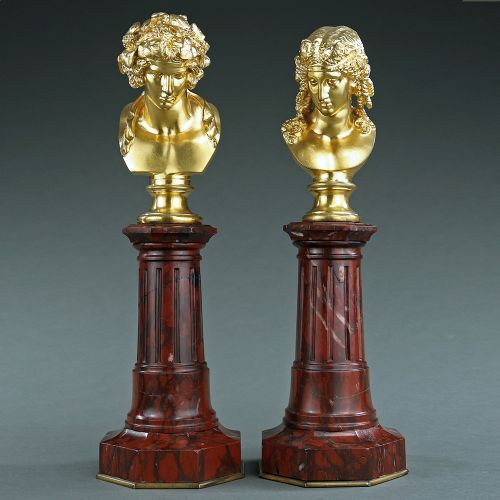
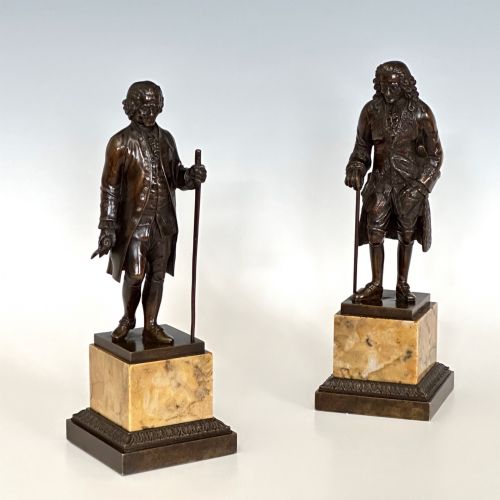
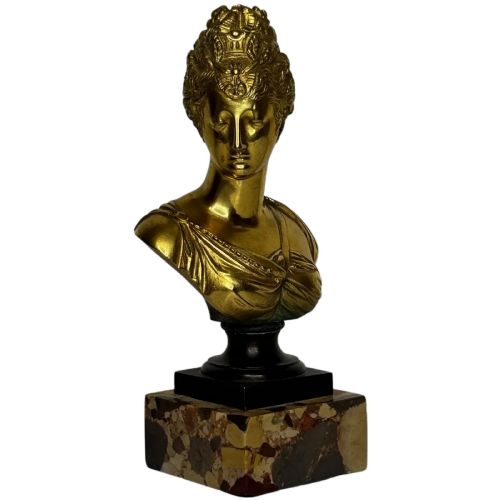
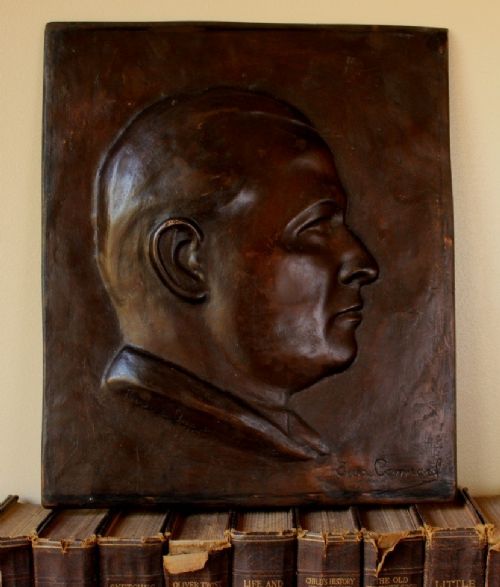
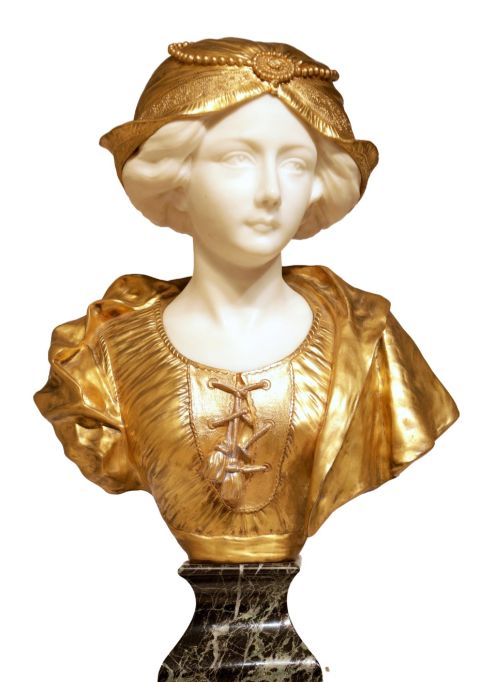
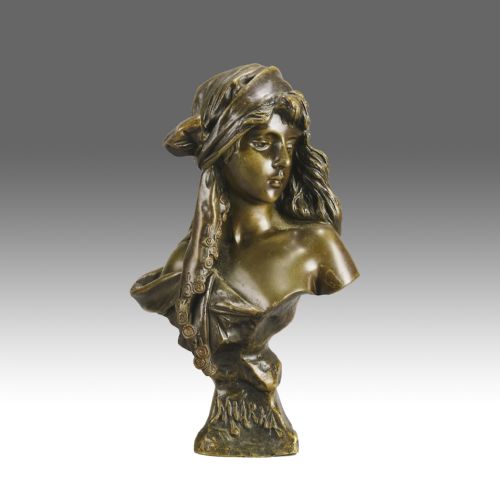
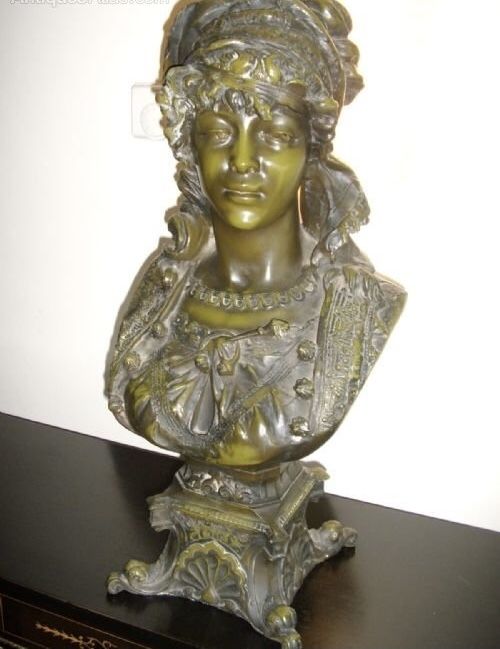
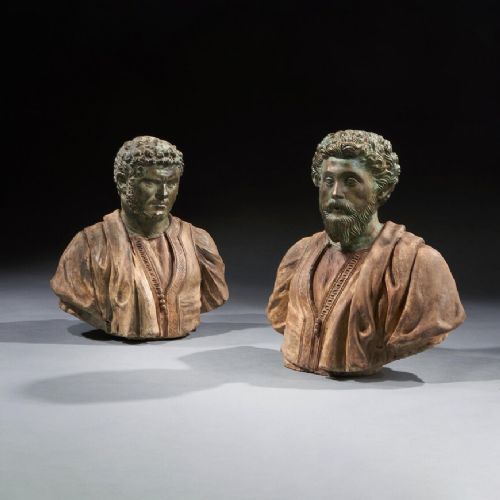
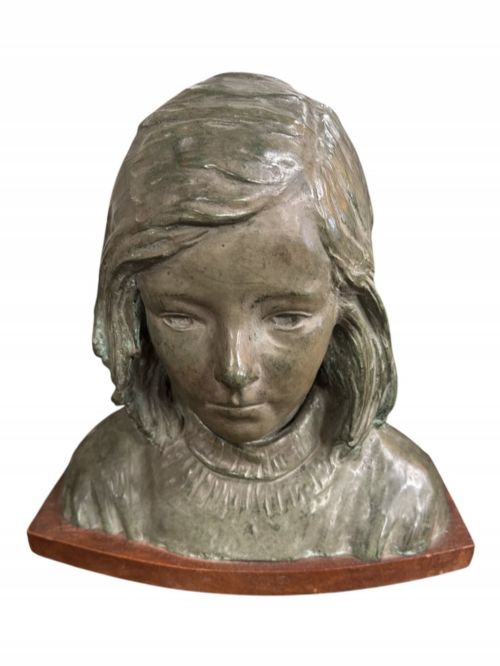
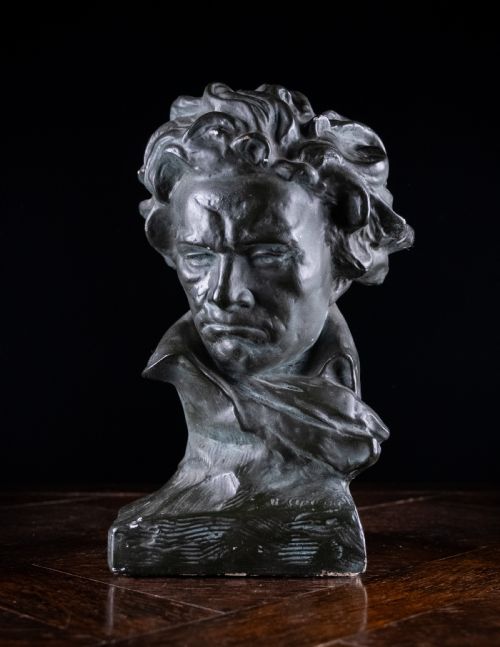
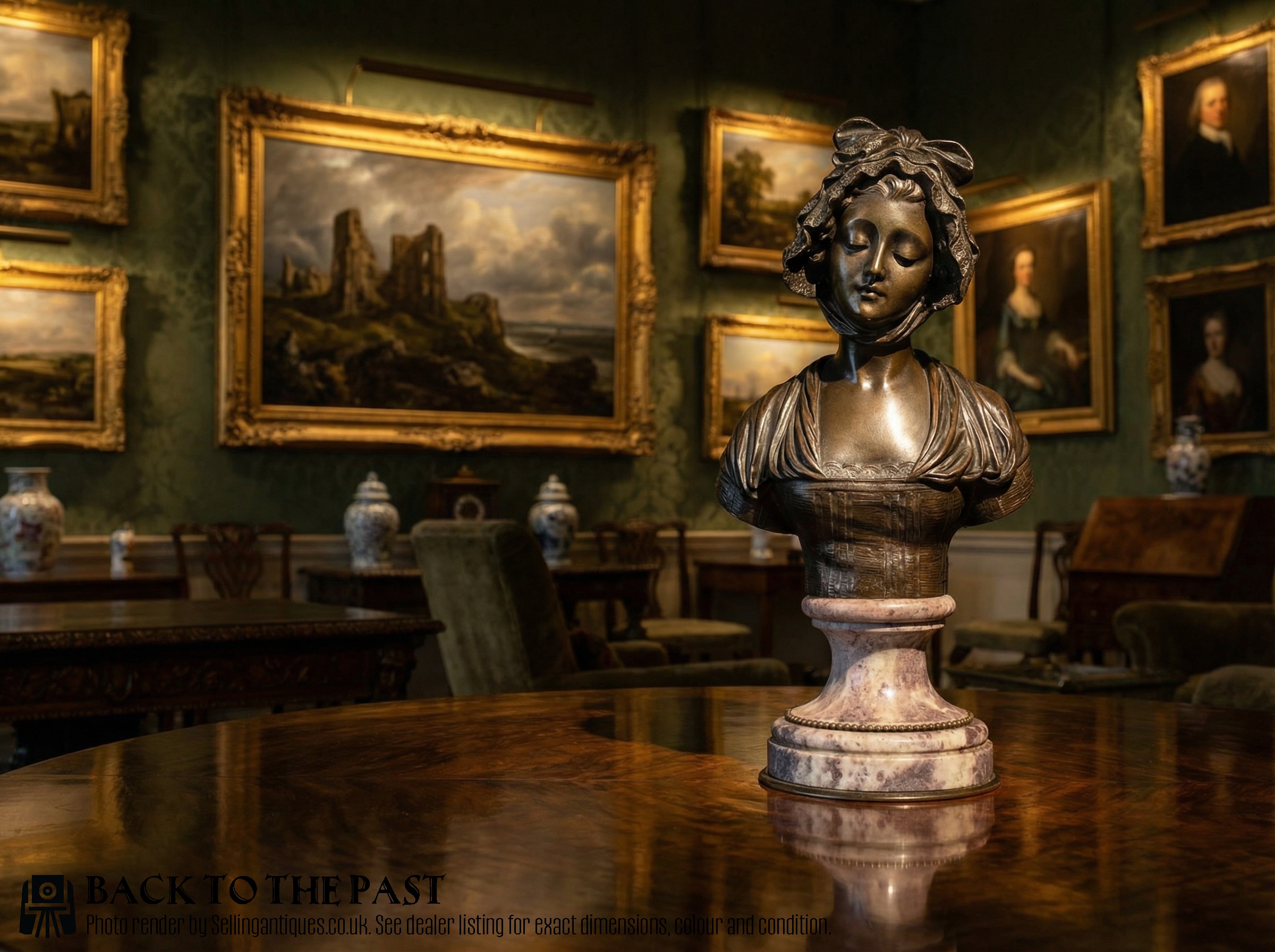
A bronze portrait sculpture records the likenesses of historical figures, classical rulers, literary characters and notable individuals through metalwork, wall plaques and busts. These items frequently emerge from nineteenth-century European workshops, carrying stylistic influences from the Victorian era, Art Nouveau and Art Deco movements. Buyers encounter works cast in metal, shaped from terracotta, or formed in plaster, often mounted upon integrated marble bases.
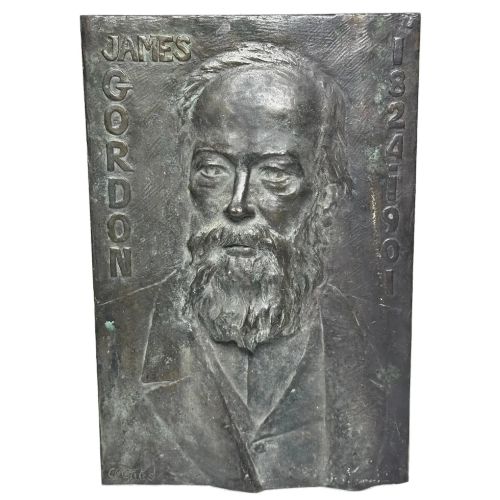
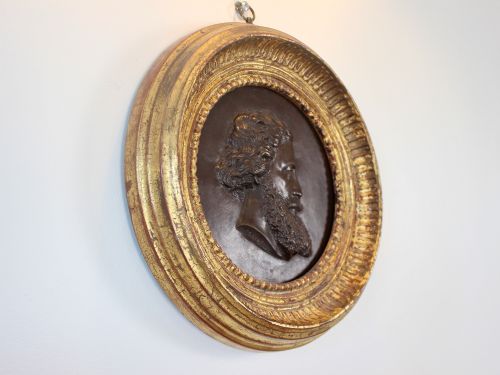
The selections on this page centre heavily on nineteenth-century French and continental European foundry traditions, alongside Grand Tour pieces depicting classical antiquity. Busts of Roman emperors, mythological heroes and nineteenth-century personalities dominate the forms, accompanied by relief plaques and wall sculptures. Many carry signatures from established continental sculptors or bear foundry cachets from the period.
Pieces span multiple decades, incorporating Victorian realism, Edwardian sensibilities and early twentieth-century modernism. While metal remains the primary medium, related works utilise painted plaster, terracotta and white metal with gilded highlights. Collectors select these objects to anchor a room with nineteenth-century decorative arts or to study historical portraiture.
Materials and construction
Foundries utilised traditional lost-wax casting and sand-casting methods to shape molten bronze into intricate portraits, applying patination chemicals to achieve dark brown, green or gilded surface finishes. Many of these metal busts and relief plaques incorporate weighted marble or wooden plinths for stability.
Alternative materials mirror the sculptural ambition of the period, including painted plaster, terracotta and bronzed metal compositions. Artisans often combined materials, setting gilt bronze elements against white metal or mounting cast metal reliefs onto wooden panels.
Bronze Portrait Sculpture Retail Price Guide 2026
Typical asking prices for bronze portrait sculpture among the pieces listed under this phrase on Sellingantiques today, from the lower quarter to the upper quarter. They describe what is for sale here now, not the wider market.
Materials span patinated bronze, gilt bronze, marble bases, painted plaster and terracotta.
Evaluating craftsmanship and detail
Quality rests in the crispness of the chasing and the subtlety of the surface patination, where skilled artisans hand-finished raw metal castings to define hair, drapery and facial expressions. Superior works display anatomical precision and depth in the casting, whereas lesser examples lose fine detail in worn moulds.
The integration of the support structure dictates the overall finish, with high-calibre pieces utilising heavy veined marble bases fitted precisely to the metal casting. Signed foundry editions and works bearing the stamp of recognised makers demonstrate superior workshop provenance compared to unsigned domestic castings.
Eugene Canneel·Emmanuel Villanis·Georges Charles Coudray·Jean Jules Salmson·Sir Thomas Brock·Hans Muller·George Van Der Straeten·Alajos Strobl·Mathurin Moreau
The Bronze Portrait Sculpture Glossary
- Patinated bronze
- A metal sculpture treated with chemical solutions to produce a specific surface colour, ranging from deep brown to greenish verdigris. This layer protects the alloy and defines the visual tone of the portrait.
- Grand Tour
- A nineteenth-century tradition where travellers collected classical replicas and portrait busts of ancient figures during continental journeys. These souvenir pieces often replicate Greek and Roman antiquities in bronze or marble.
- Relief plaque
- A wall-mounted sculptural work where the portrait projects from a flat background plane. These pieces frequently employ cast bronze, terracotta or gilded white metal.
- Lost-wax casting
- A historic method where a wax model is melted from a mould and replaced with molten bronze. This technique allows for complex undercuts and fine facial details in portrait sculptures.
- Terracotta
- A porous fired clay material used to model portrait busts before finishing with paint or a bronzed surface wash. It provides an immediate record of the sculptor's hand.
Bronze Portrait Sculpture: Frequently Asked Questions
What periods do these sculptures date from?
The inventory spans the nineteenth century through the early twentieth century, encompassing Victorian, Edwardian, Art Nouveau and Art Deco movements. Many works reflect the revival styles popular during the 1880s and 1900s.
Grand Tour pieces also draw directly from classical antiquity, while later twentieth-century examples extend into the 1930s and 1950s.
How were these portrait busts originally displayed?
Nineteenth-century interiors featured these busts on library shelves, mantelpieces and architectural pedestals. Wall plaques were hung directly in studies and drawing rooms to display classical or historical tastes.
The inclusion of marble or wooden bases allowed heavy metal castings to sit securely on wooden furniture without damaging surfaces.
Are all the pieces made of solid bronze?
While many items consist of cast bronze with various patinations, the selection also includes gilt bronze, bronzed metal, terracotta, painted plaster and white metal compositions.
Foundries frequently combined materials, mounting metal portrait casts onto carved wooden panels or veined marble plinths.
How can I identify a signed or attributed sculpture?
Sculptors often incised their signatures directly into the shoulder or base of the metal casting during the finishing process. Foundry stamps and paper labels occasionally appear on the reverse or underneath the base.
Attributions also rely on distinct stylistic markers associated with specific European workshops and known artists from the period.