



Barbedienne Bronze Sculpture
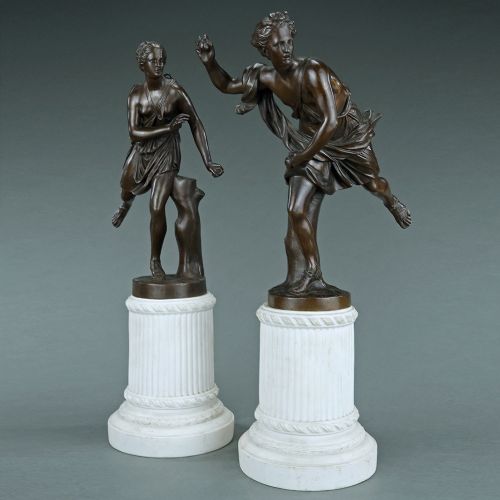
A barbedienne bronze sculpture brings the monumental presence of nineteenth-century French foundry work directly into a room.
Identifying barbedienne bronze sculpture
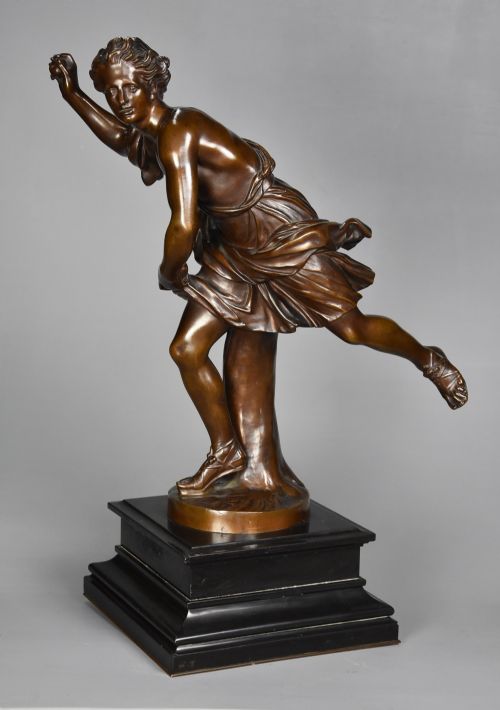
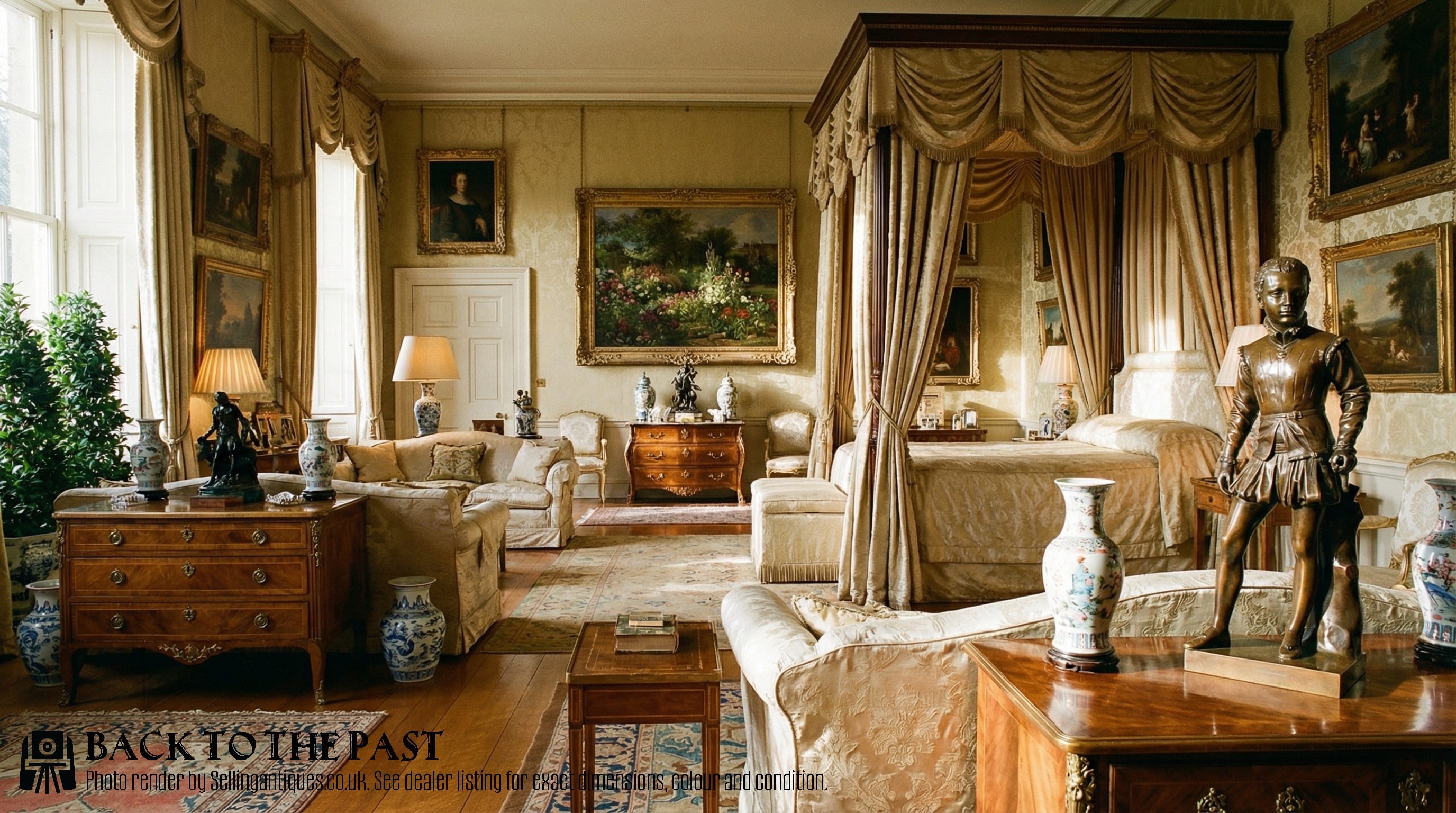
A barbedienne bronze sculpture represents the pinnacle of nineteenth-century French metal casting, encompassing figures, reductions after the antique, and historical portraits. These works emerge from the renowned Ferdinand Barbedienne foundry in Paris, capturing classical antiquity and academic sculpture with remarkable fidelity.
Buyers encounter subjects ranging from classical deities such as the Venus de Milo and Diana Chasseresse to historical and literary figures like Henry IV and Sophocles. Pieces span the periods of the mid-to-late nineteenth century, notably around eighteen-eighty, often taking the form of large statues or smaller reduction sculptures.
The objects combine patinated bronze with architectural elements like marble bases or ebonised wood stands. Their styles draw heavily from Neoclassical and French Neo-Renaissance traditions, reflecting the scholarly enthusiasm of the Grand Tour era.
Materials and casting methods
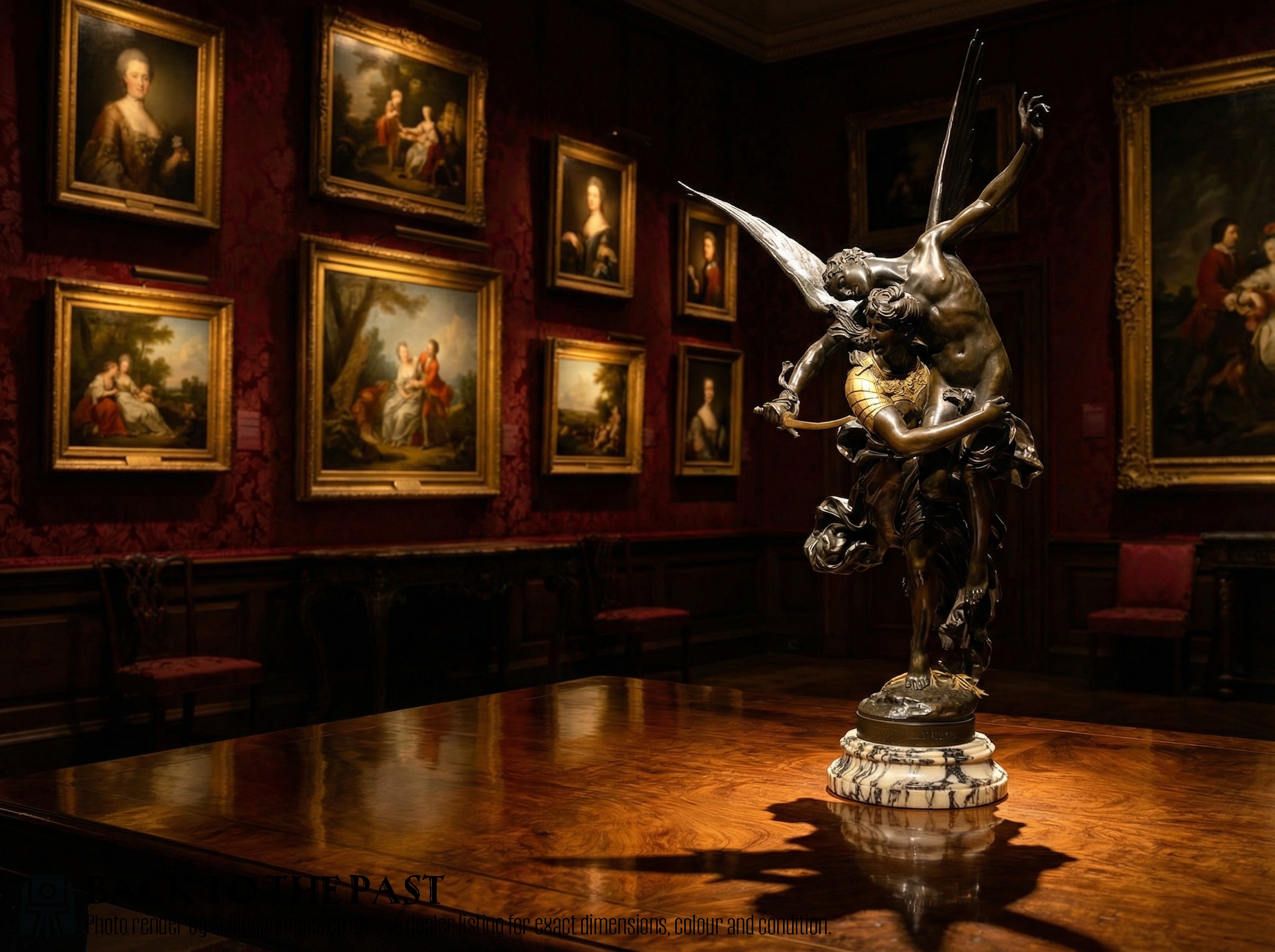
Foundry artisans utilised high-grade bronze, applying chemical patination to achieve deep, variegated surface tones that highlight the musculature and drapery of each figure. This careful patinated bronze surface protects the metal while providing a sophisticated visual depth.
Many works incorporate supporting elements of marble and ebonised wood, creating a stable plinth for heavy metal figures. The casting process employed reduction techniques to scale down monumental antique sculptures into cabinet-sized or gallery-sized pieces without losing proportional accuracy.
Retail Price Guide 2026
Typical UK retail prices for barbedienne bronze sculpture, calculated from the Sellingantiques database of over a million retail prices indexed since 2003. This retail price guide relies exclusively on Sellingantiques data; no external sources or auction records are used, so the figures do not describe the wider market.
Listings feature bronze and patinated bronze figures mounted on marble and ebonised wood.
Distinctions in craftsmanship
Superior examples display crisp chording in the metalwork where cold-chiselling and filing have refined the cast after it left the sand or lost-wax mould. Finer castings preserve the subtlety of facial expressions and the delicate texture of hair and fabric.
The depth and consistency of the patination differentiate works, alongside the quality and integration of the marble or ebonised wood mounts. Signatures and foundry stamps impressed into the bronze confirm the direct involvement of the Ferdinand Barbedienne foundry.
Ferdinand Barbedienne·Coustou·Falconnet
The Barbedienne Bronze Sculpture Glossary
- Patinated bronze
- Bronze that has been treated with chemical solutions to produce a specific surface colour and finish. This layer protects the metal and enhances the sculptural details.
- Reduction sculpture
- A smaller copy of a larger monumental statue, achieved through a mechanical pantograph device developed in the nineteenth century. This technique allowed famous museum marbles to be owned in private drawing rooms.
- Grand Tour
- A cultural journey undertaken by wealthy young Europeans to study classical art and architecture. Souvenirs from these travels included smaller bronze sculptures of antique subjects.
- Neoclassical
- An artistic movement drawing inspiration from the classical art and culture of ancient Greece and Rome. It prioritises proportion, restraint, and classical mythology.
- Foundry mark
- A stamp, signature, or cipher impressed into the metal during casting to identify the maker or workshop. On these pieces, the stamp indicates the establishment of Ferdinand Barbedienne.
Frequently Asked Questions
What is a barbedienne bronze sculpture?
A barbedienne bronze sculpture is a nineteenth-century French metal cast produced by the prominent foundry established by Ferdinand Barbedienne in Paris. These pieces include original academic works as well as reductions of classical antiquities.
They serve as decorative works of art that reflect the nineteenth-century fascination with classical antiquity and historical portraiture.
How do I identify a real casting?
Authentic pieces typically feature foundry stamps or signatures bearing the Barbedienne name directly in the bronze. They also display the sharp chisel work and dense patination characteristic of nineteenth-century French foundry production.
Examining the underside and the mounting points reveals the traditional construction methods used during the period.
Where were these sculptures displayed originally?
In the nineteenth century, these bronzes decorated the libraries, drawing rooms, and salons of well-to-do homes. They were intended to signal the owner's classical education and refined artistic taste.
Today, they function well on sturdy sideboards, pedestals, or dedicated display tables in both traditional and modern interiors.
How do I care for bronze sculpture?
Bronze requires minimal maintenance beyond gentle dusting with a soft, dry cloth to prevent particulate buildup. Avoid using chemical cleaners, polishes, or water, which can damage the historic patinated bronze surface.
Keeping the sculpture away from direct heat sources and high humidity preserves the stability of any integrated marble or ebonised wood components.