





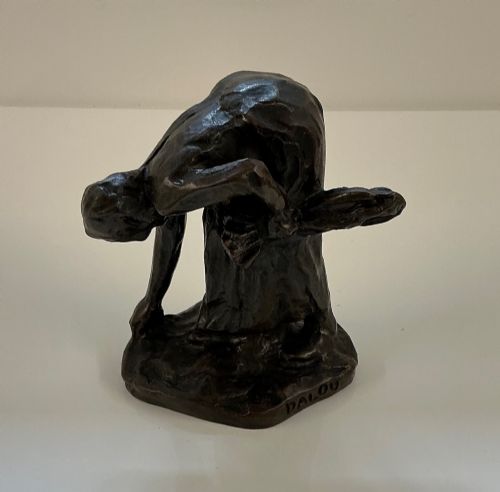
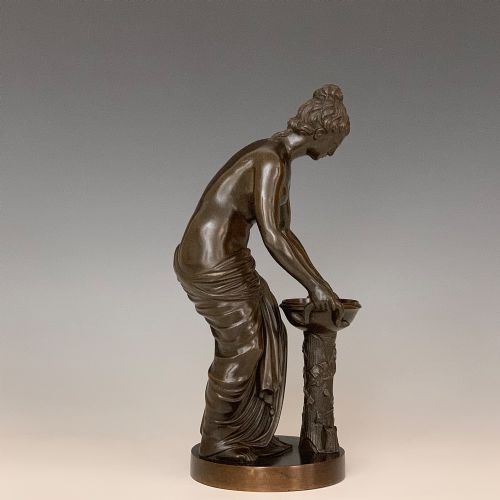

Patinated Bronze Female Sculpture
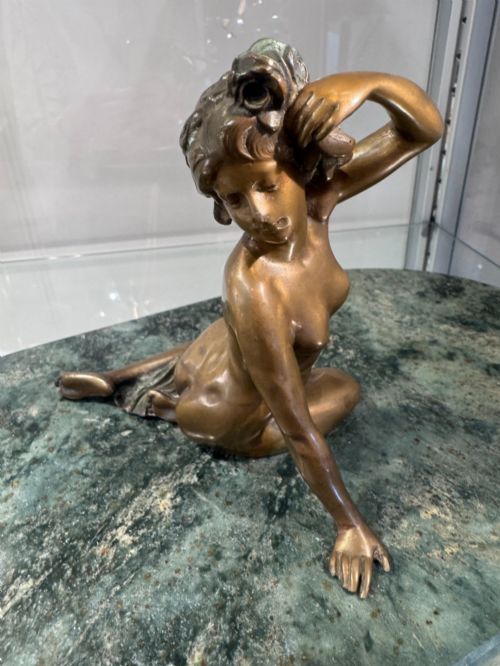
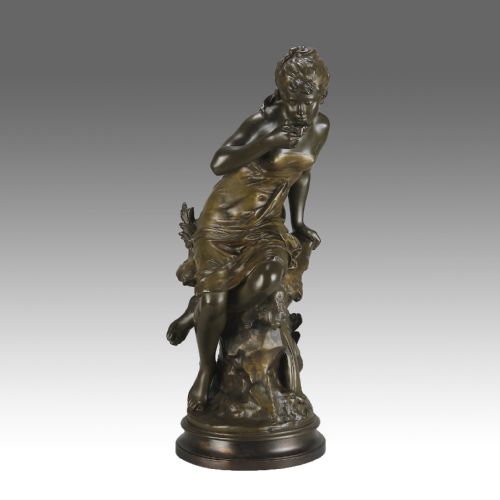
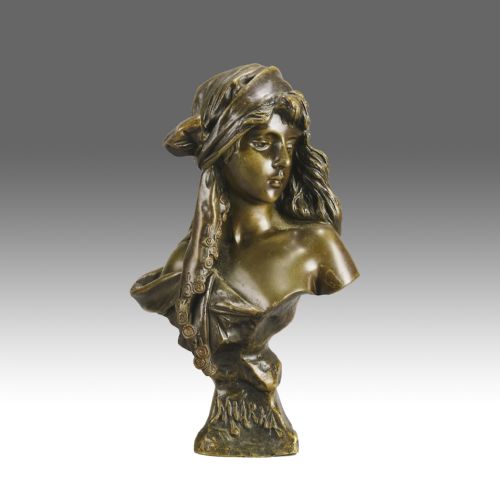
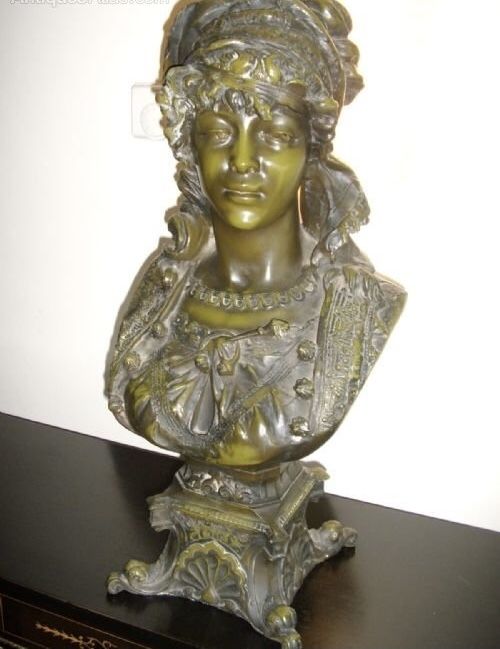
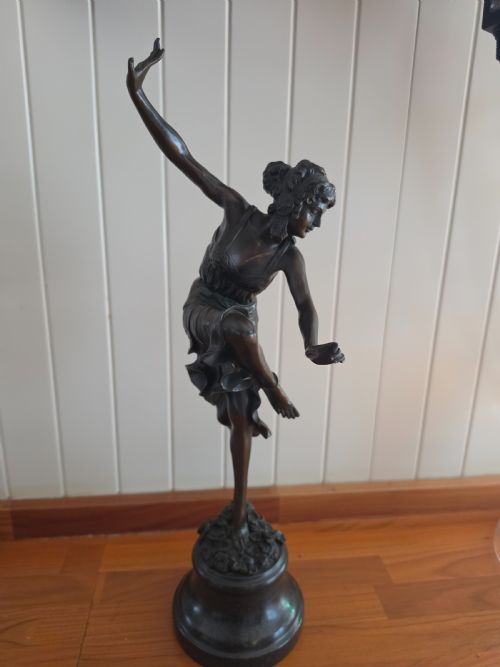
A patinated bronze female sculpture captures classical grace or modern rhythm, offering lasting bronze casting and expressive detail for a room.
Patinated Bronze Female Sculpture
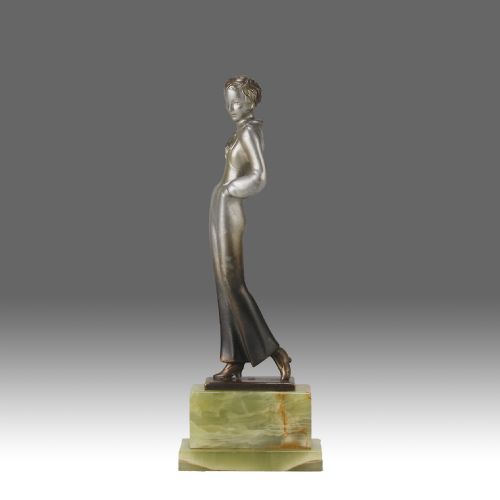
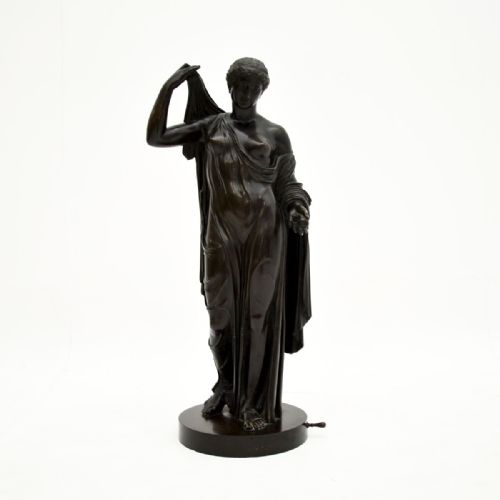
A patinated bronze female sculpture encompasses figural works spanning the nineteenth century through the 1930s, featuring subjects from classical mythology to contemporary dancers. You will regularly encounter figures mounted on marble or onyx bases, depicting robed ladies, dancers, and allegorical maidens.
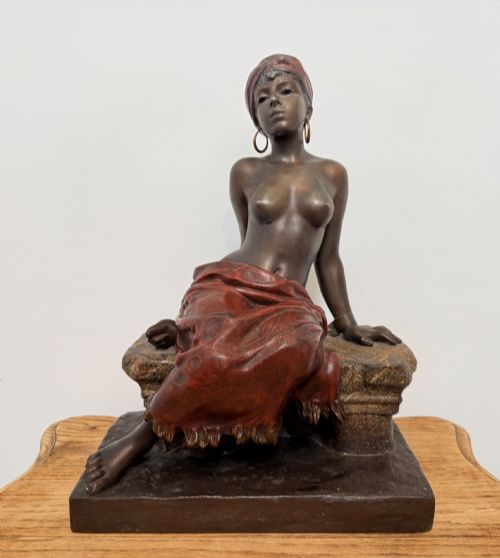
The selections range from nineteenth-century French Romantic and Neoclassical figures to Art Nouveau studies and stylised Art Deco dancers. Makers utilised diverse materials alongside bronze, pairing patinated surfaces with carved stone stands and painted details.
Materials and casting methods
Foundries produced these works using traditional metal casting techniques, applying chemical patination to bronze surfaces to create dark, golden, or nuanced finishes. Selected pieces incorporate mixed media elements such as carved marble bases, onyx plinths, and occasional painted highlights.
Patinated Bronze Female Sculpture Retail Price Guide 2026
Typical asking prices for patinated bronze female sculpture among the pieces listed under this phrase on Sellingantiques today, from the lower quarter to the upper quarter. They describe what is for sale here now, not the wider market.
The documented objects span the nineteenth century, the Edwardian era, and the Art Deco period.
Distinctions in craftsmanship
Attribution to known sculptors and established foundries elevates the standing of a piece within the field. The quality of the original model determines the anatomical fluidity and expressive presence of the finished cast.
Ferdinand Barbedienne·Emmanuel Villanis·Josef Lorenzl·Mathurin Moreau·Edouard Drouot·Demetre Chiparus
The Patinated Bronze Female Sculpture Glossary
- Patinated bronze
- Metal treated with chemical solutions to produce a coloured surface layer. This coating protects the underlying alloy and defines the visual tone.
- Art Nouveau
- A decorative style characterised by flowing, organic lines and floral motifs prevalent around 1900. Sculptors applied these sinuous contours to female figures and drapery.
- Art Deco
- A design movement of the 1920s and 1930s favouring geometric stylisation and streamlined forms. Figures from this period often depict dancers and modern women.
- Neoclassical
- An aesthetic inspired by classical Greek and Roman art traditions. Works in this idiom portray robed ladies and mythological subjects.
- Chasing
- The manual refinement of a cast metal surface using hammers and punches. Artisans use this technique to sharpen details after the casting process.
Patinated Bronze Female Sculpture: Frequently Asked Questions
How do I clean a patinated bronze female sculpture?
Dust the surface gently with a soft, dry brush to remove settled particles without disturbing the patinated finish. Avoid using water, soap, or abrasive metal polishes, which can strip the chemical colour.
Apply a very light coat of microcrystalline wax if the metal appears dry, buffing it away completely with a clean cloth. Professional conservation is recommended for older or heavily soiled pieces.
How do I distinguish Art Nouveau from Art Deco figures?
Art Nouveau sculptures, emerging around 1900, feature flowing, asymmetrical lines inspired by natural plant forms and sweeping hair. The garments drape softly to emphasise organic movement.
Art Deco works from the 1920s and 1930s utilise sharp angles, stylised geometry, and precise symmetry. Dancers and modern figures from this later era display dynamic posture and streamlined clothing.
What is the purpose of the marble base?
Marble and onyx plinths provide essential physical stability for top-heavy bronze figures, anchoring slender poses safely. They also offer a contrasting visual border that frames the metal sculpture.
Heavier stone bases were standard practice for nineteenth-century and twentieth-century European foundries. They elevate the artwork and protect the underside of the bronze casting.
How can I tell if a sculpture is cast bronze?
Examine the piece for weight, coldness to the touch, and the absence of seam lines typical of stamped sheet metal. Genuine bronze does not attract a magnet and often reveals a darker patina beneath minor surface wear.
Check the underside or mounting points for threaded rods or casting pins. Bronze sculptures may also bear foundry marks, artist signatures, or edition numbers stamped directly into the metal.