




Green Bronze Figurine
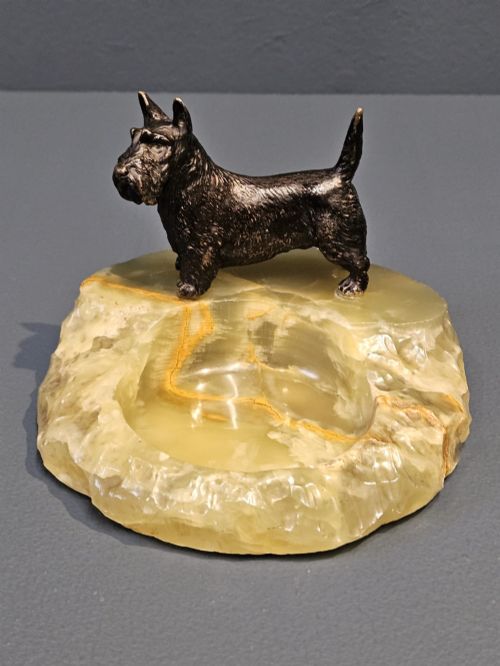
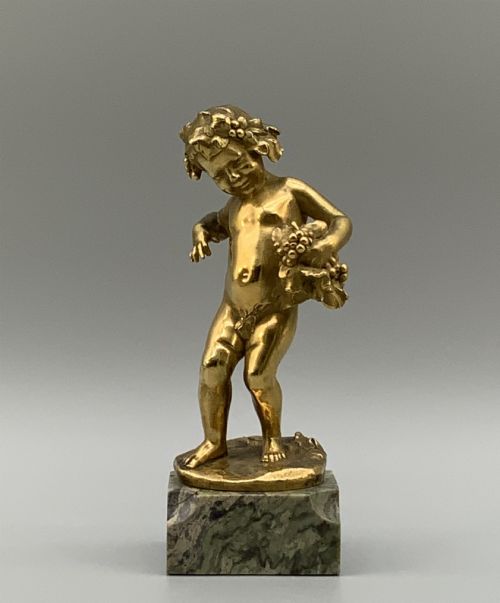
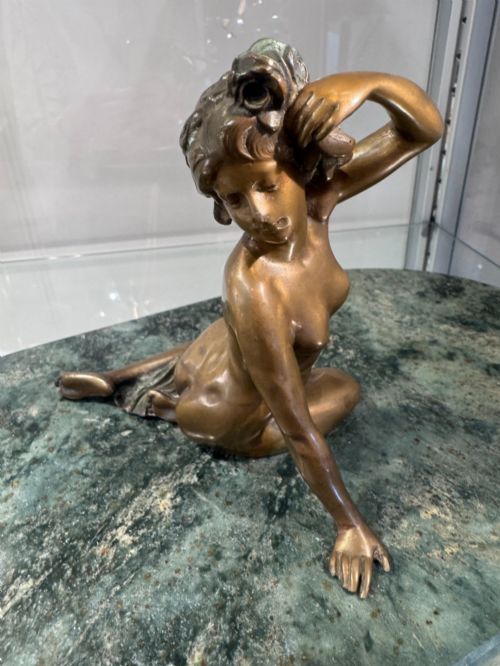
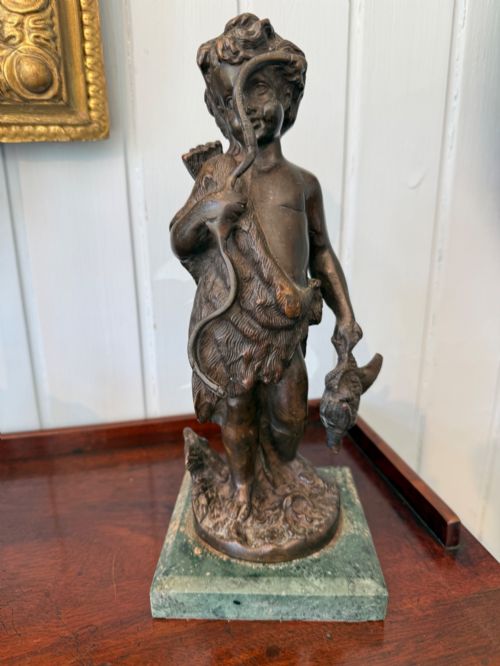
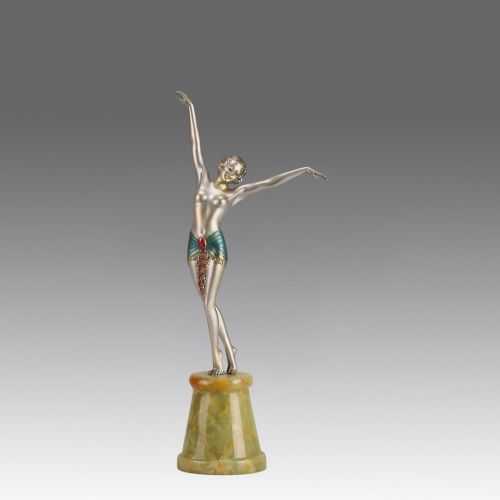
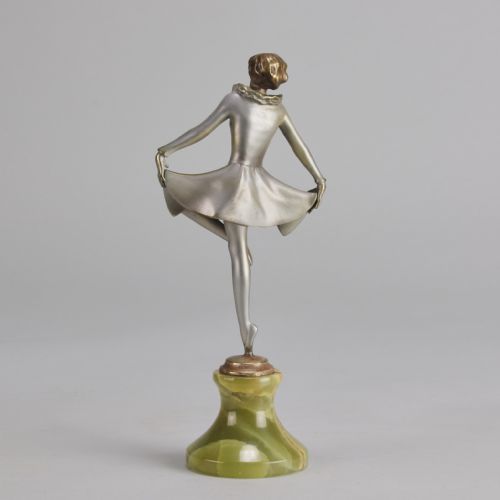
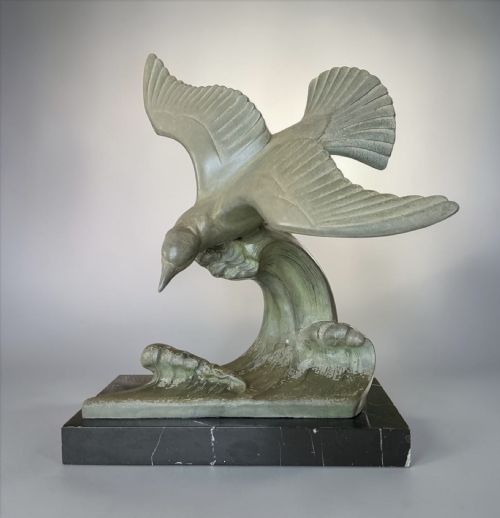
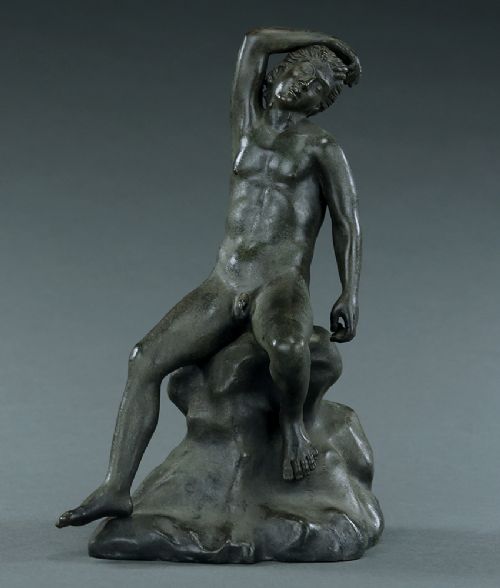
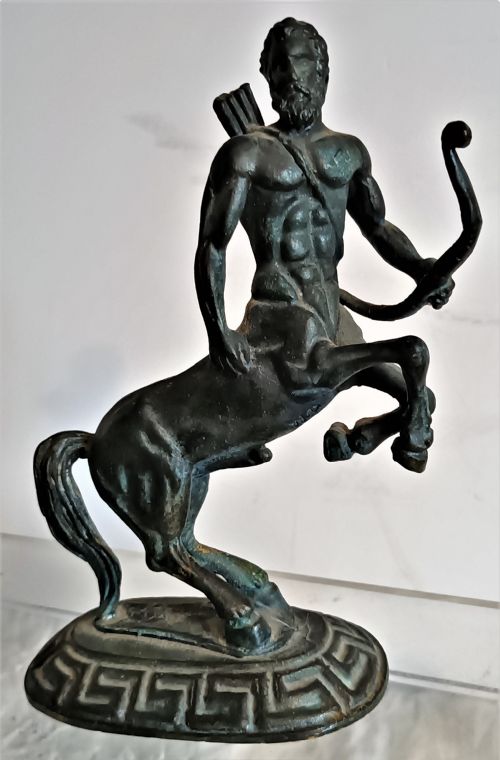
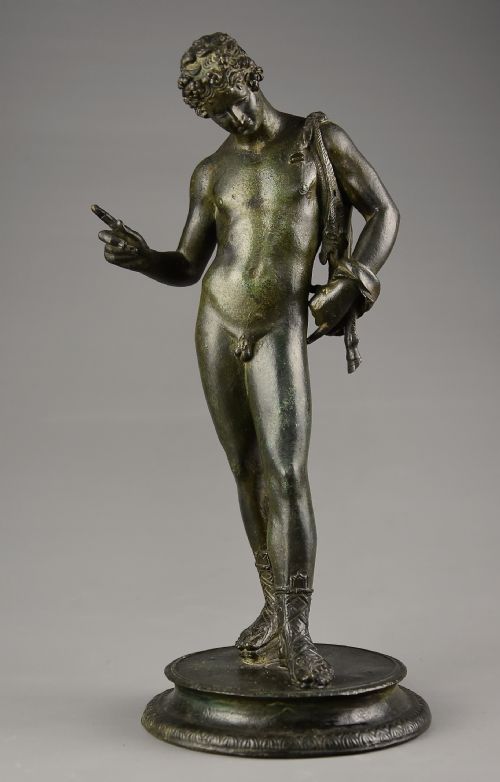
These green bronze figurine selections combine patinated metalwork with stone bases, spanning nineteenth century classicism to twentieth century modernism.
Green Bronze Figurine
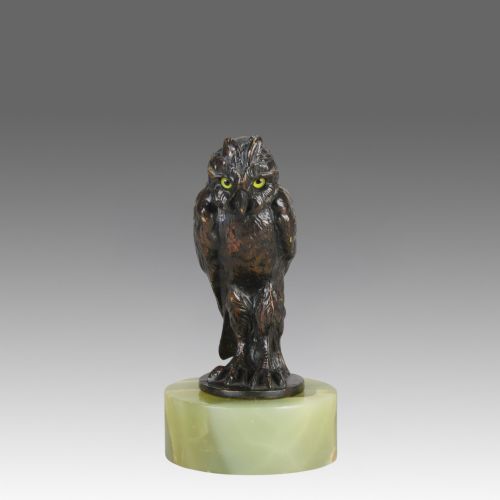
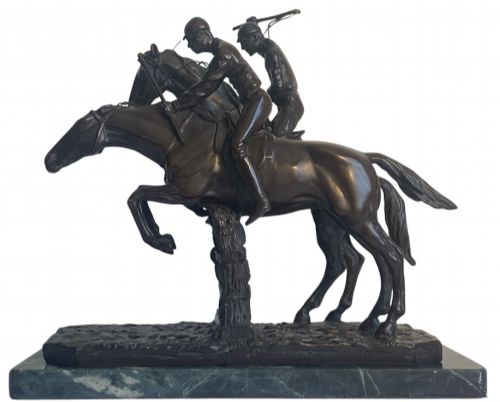
A green bronze figurine encompasses small sculptural works cast in metal and given various chemical patinations, verdigris treatments, or cold-painted surfaces. Buyers encounter subjects ranging from classical mythology and Grand Tour antiquities to Art Deco dancers and animalier studies.
The selection includes figures mounted on pedestals of marble or onyx, alongside pin trays and paperweights. Pieces originate from French, Austrian, and British workshops across the nineteenth and early twentieth centuries.
Art Deco figures share space with Neoclassical interpretations and animal studies, reflecting diverse stylistic movements within metal sculpture.
Materials and technique
Casting utilised bronze or spelter, often finished with cold-painted pigments or chemical patination to achieve dark green and verdigris surfaces. Many figures incorporate carved marble or green onyx plinths.
Some works combine cast metal with ivory or gilt elements, whilst others receive detailed hand-painting following the casting process.
The listings incorporate Art Deco, Neoclassical, Grand Tour, and Animalier stylistic traditions.
Quality variations
The sophistication of the casting and the crispness of surface detail separate standard commercial foundry work from master-modelled sculpture. Patination depth and the integration of stone bases contribute to the overall visual success of each piece.
Signed works associated with known modellers and established foundries demonstrate superior articulation in proportion and finish.
Charles Louis Malric·Susse Freres·Josef Lorenzl·Franz Bergman·Antoine L Barye
The Green Bronze Figurine Glossary
- Patination
- The chemical treatment or natural ageing applied to metal surfaces to produce colour variations such as green verdigris or dark brown tones. This process protects the metal whilst defining the visual character of the sculpture.
- Animalier
- A nineteenth-century artistic movement dedicated to the realistic portrayal of animals. Sculptors in this tradition focused on anatomical accuracy and natural movement.
- Grand Tour
- Cultural travel undertaken by nineteenth-century Europeans collecting classical antiquities and bronze reproductions of ancient statuary. These souvenir pieces often feature distinctive patinated finishes.
- Cold-painted
- A technique where paint is applied to cold bronze rather than fired in a kiln. Austrian workshops utilised this method extensively for colourful animal and human figures.
- Spelter
- A zinc alloy commonly utilised as a less expensive alternative to bronze during the nineteenth and twentieth centuries. It accepts patination and metallic paint finishes similar to those found on bronze sculptures.
Green Bronze Figurine: Frequently Asked Questions
What is a green bronze figurine?
A green bronze figurine is a small cast metal sculpture finished with a chemical patination or verdigris surface to simulate aged bronze. These works encompass human figures, animals, and mythological subjects.
Found across the nineteenth and twentieth centuries, these pieces frequently incorporate integral bases made from marble or onyx.
How do I care for my bronze?
Maintenance requires gentle dusting with a soft, dry cloth to prevent the accumulation of particles on the patinated surface. Avoid chemical cleaners or moisture, which can damage the coloured finish.
Placing the sculpture away from direct sunlight and excessive humidity preserves the integrity of both the metal and any attached stone plinths.
Are these figures solid bronze?
Many pieces are cast in solid bronze utilising traditional foundry methods, though some examples employ hollow casting techniques to reduce weight. Alternative metals such as spelter also appear in period pieces.
Base materials often consist of contrasting stones like green onyx or marble, providing stability for the mounted sculpture.
Where were these figures made?
Production centres include France, Austria, and Britain, reflecting active foundry traditions throughout the nineteenth and early twentieth centuries. Austrian studios specialised in cold-painted techniques.
French workshops produced significant quantities of animalier studies and Art Deco figures during the interwar period.