
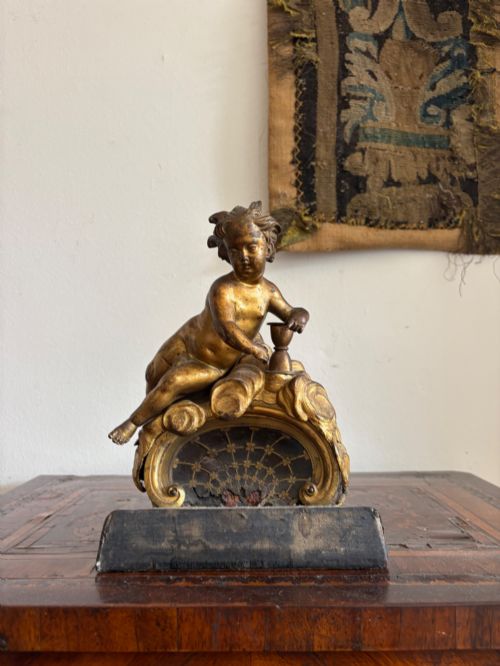
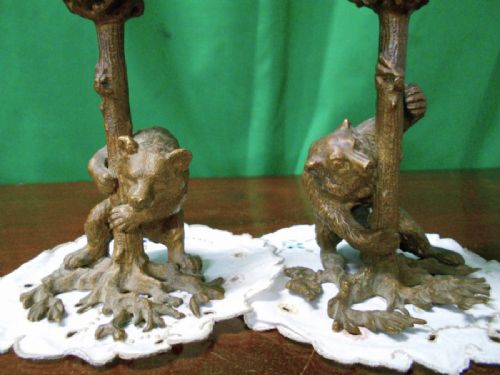

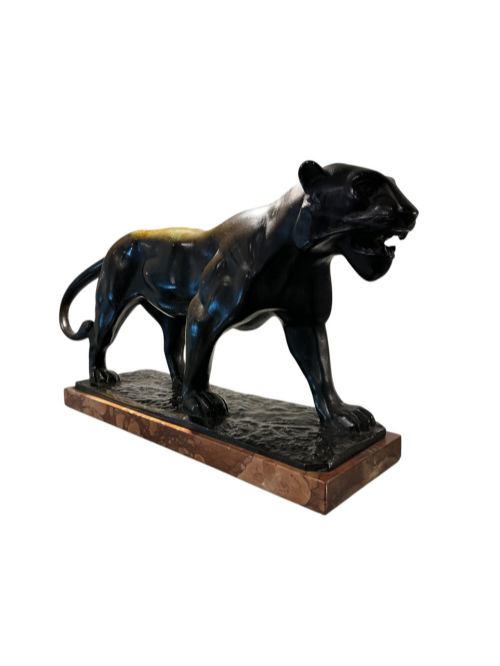
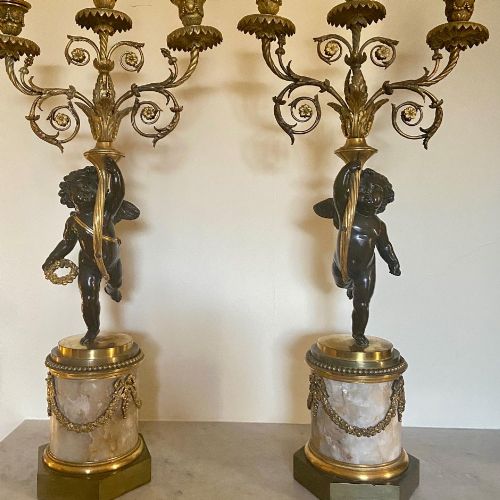
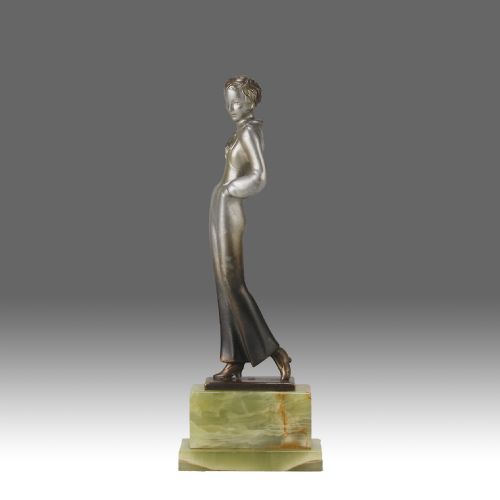
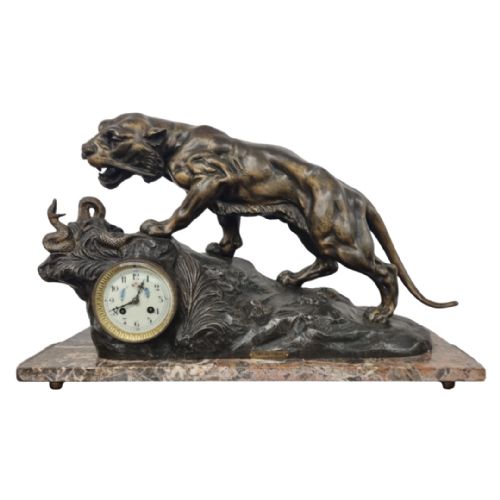
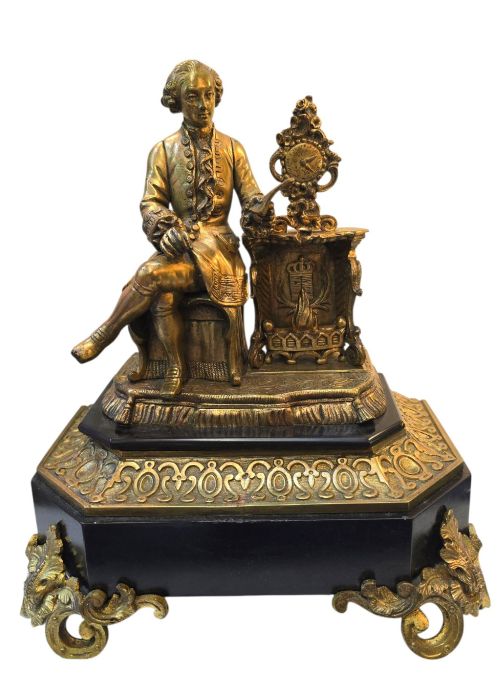
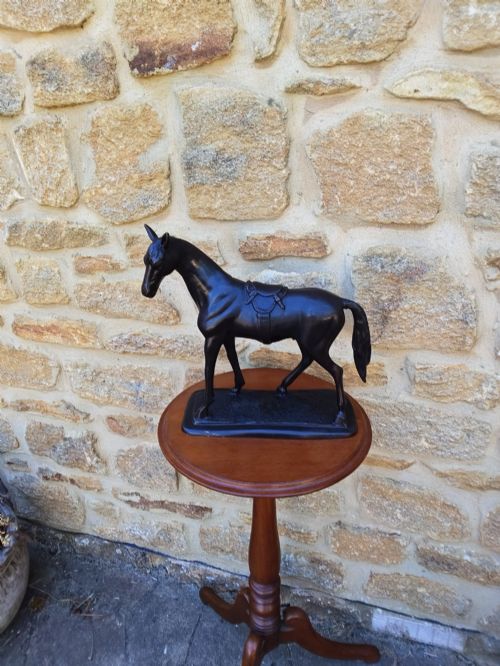
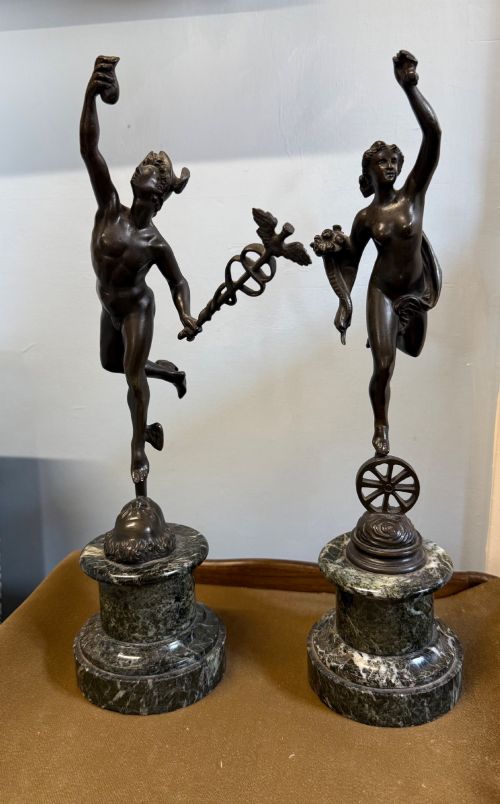
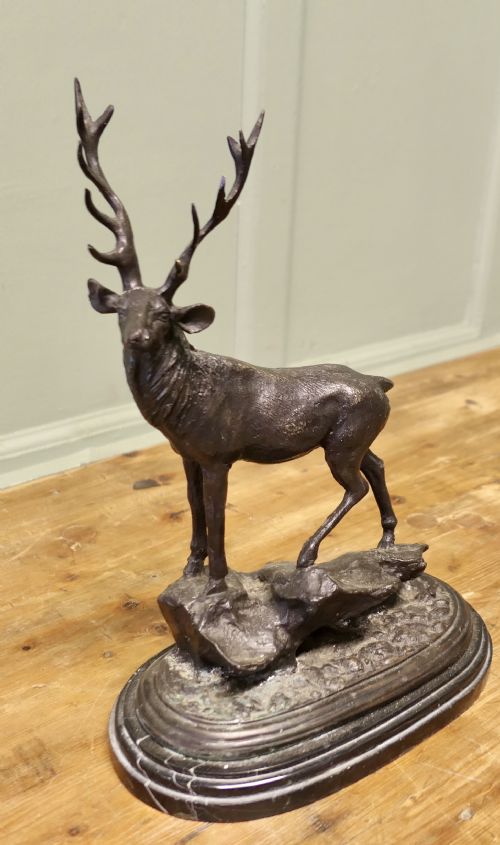
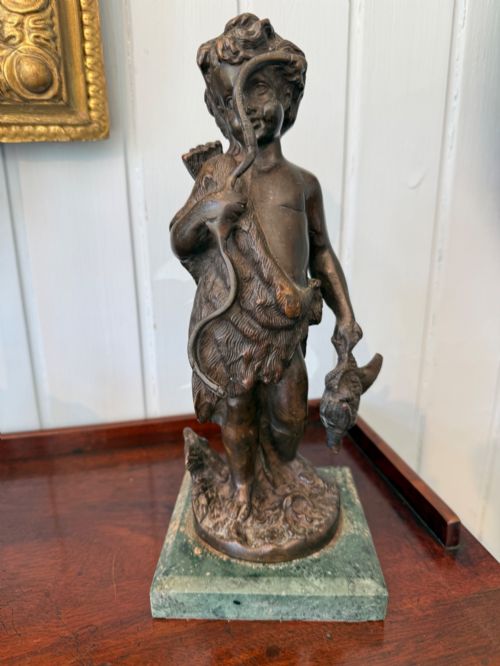
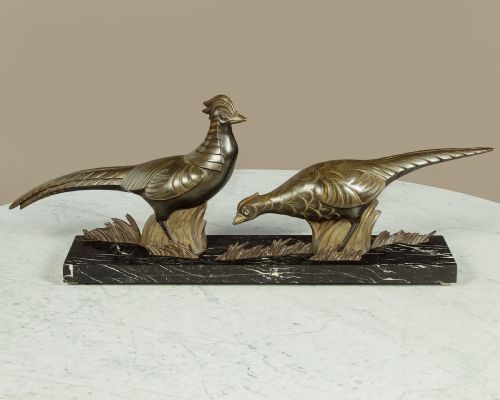
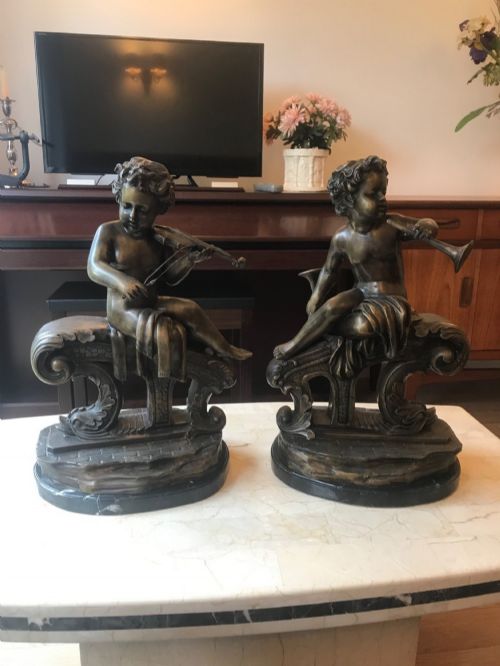
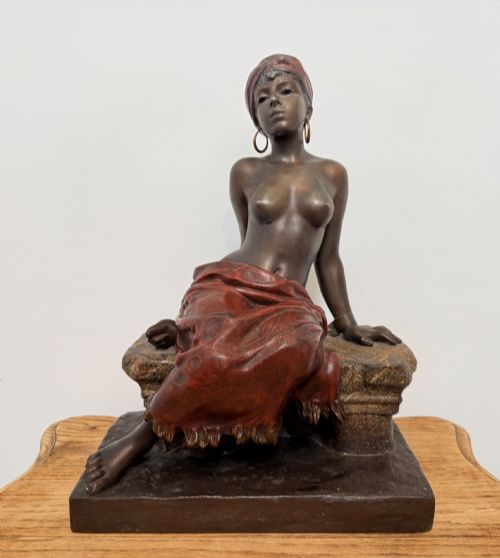
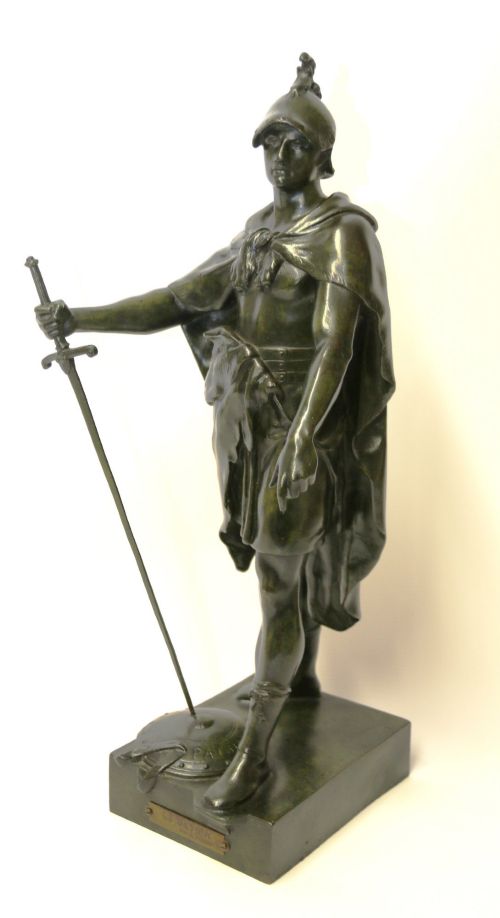
Bronze Mantel Sculpture
When you search for bronze mantel sculpture, you are looking at solid metal figures and decorative ornaments designed for display on a fireplace shelf.
Bronze Mantel Sculpture
A bronze mantel sculpture encompasses figural works, animal studies, clock cases, and decorative ornaments cast in metal and mounted on stone bases.
The versions you meet most frequently on this page originate from nineteenth-century French foundries and twentieth-century Art Deco studios.
These pieces combine classical figures, mythological subjects, and stylized animals with functional elements such as clocks, candlesticks, and candelabra.
Materials and Casting Techniques
Foundries utilised traditional lost-wax or sand-casting methods to shape molten bronze into complex figures and animals.
Sculptures are frequently finished with applied patinas, gilding, or ormolu, and many twentieth-century examples incorporate carved ivory or substitute metal alloys like spelter.
Heavier works are typically paired with integral bases of marble, onyx, or slate to provide stability when placed on a mantelpiece.
Listings feature works spanning from the late eighteenth century through the Art Deco period, incorporating marble, onyx, and ivory.
Assessing Craftsmanship and Detail
The standard of a bronze mantel sculpture rests on the crispness of the chase work and the depth achieved in the final surface finish.
The choice of secondary materials, such as solid marble plinths rather than lightweight substitutes, distinguishes superior workshop production.
Josef Lorenzl·Émile Louis Picault·Emile Carlier·Demetre Chiparus·Isadore Bonheur·Antoine Louis Barye
The Bronze Mantel Sculpture Glossary
- Patinated bronze
- Bronze that has been chemically treated to alter its surface colour, ranging from deep brown to green. This treatment protects the metal and defines the shadows of the sculpture.
- Ormolu
- Gilt bronze produced by applying a finely ground mercury and gold amalgam to the metal surface and heating it. This technique creates a rich golden finish seen on nineteenth-century French mounts and clocks.
- Animalier
- A nineteenth-century artistic movement focused on the realistic depiction of animals, particularly wild beasts in motion. Sculptors in this tradition studied anatomy closely at menageries.
- Spelter
- A zinc-based alloy used as a less expensive alternative to bronze, particularly for Art Deco figures. It is usually painted or electroplated to imitate true bronze.
- Chryselephantine
- A term describing sculptures combining bronze with carved ivory. This technique was popular for twentieth-century dancer and figure studies.
Bronze Mantel Sculpture: Frequently Asked Questions
Are these sculptures solid bronze?
Most antique mantel sculptures are cast as hollow forms to reduce weight and metal usage, though smaller figures and bases can be solid. Foundries poured molten metal into moulds to create thick outer walls while retaining a hollow interior.
Heavier pieces often feel substantial due to the dense stone plinths they are mounted on rather than the metal thickness alone.
How do I identify Art Deco pieces?
Art Deco bronze sculptures typically feature streamlined human figures, geometric clothing folds, and stylized animals such as panthers and gazelles. The bases are frequently made of layered black marble or onyx.
Signatures or foundry marks stamped into the base or figure often point directly to twentieth-century designers working during the interwar period.
Why are some figures mounted on marble?
Marble bases provide necessary physical stability and visual weight for heavy metal sculptures resting on narrow mantelpieces. Stone plinths also lift the artwork above surface dust and moisture.
Different coloured marbles, such as black Belgian marble or veined varieties, were selected by makers to complement the tone of the bronze patina.