




1900 Bronze Sculpture
These pieces of 1900 bronze sculpture capture the fluid lines of Art Nouveau and the intricate realism of the turn of the century.
1900 Bronze Sculpture
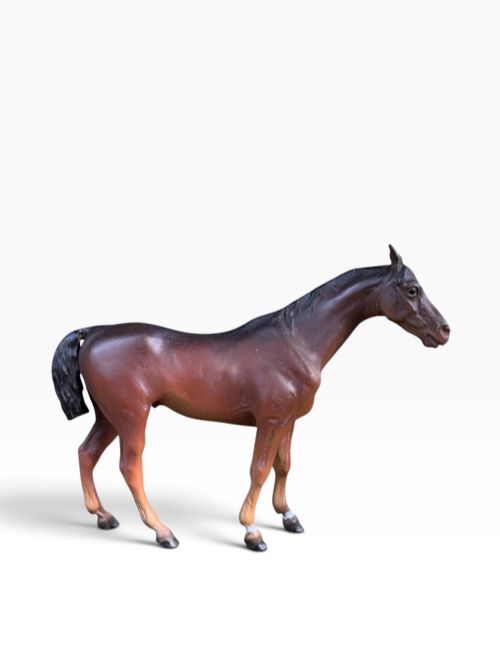
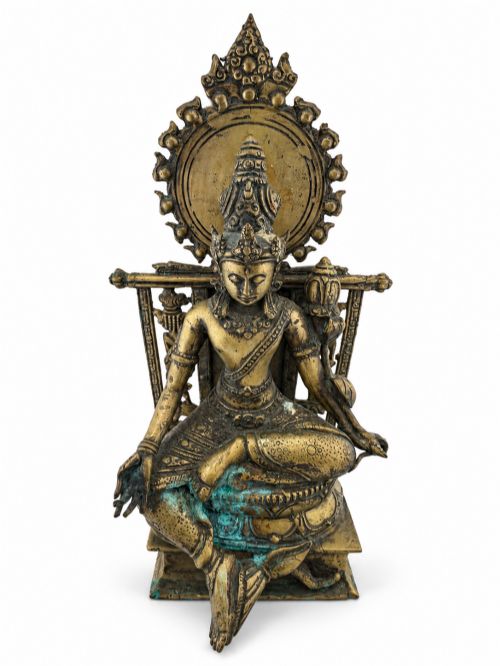
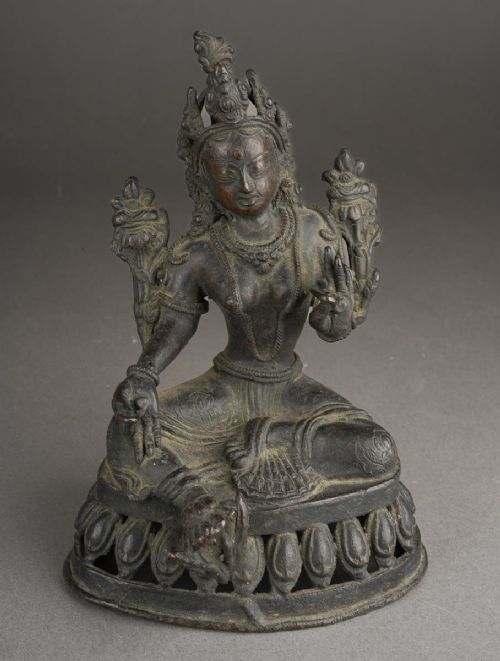
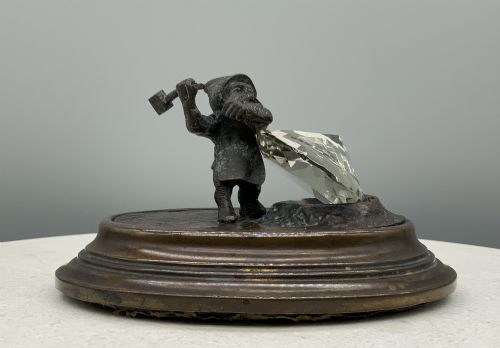
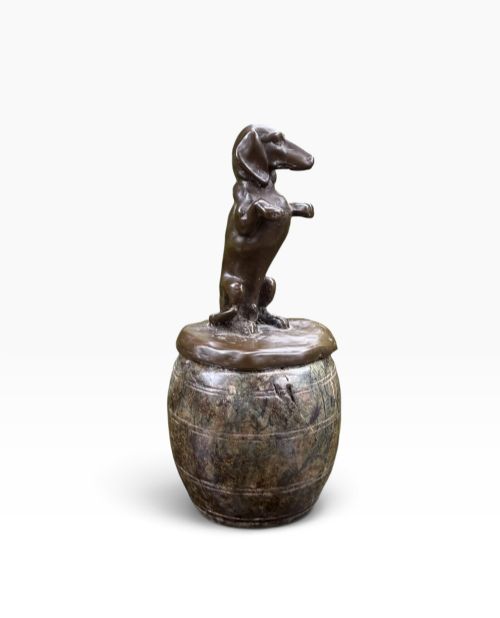
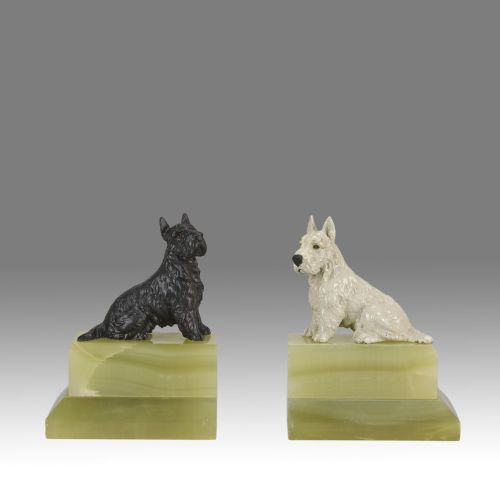
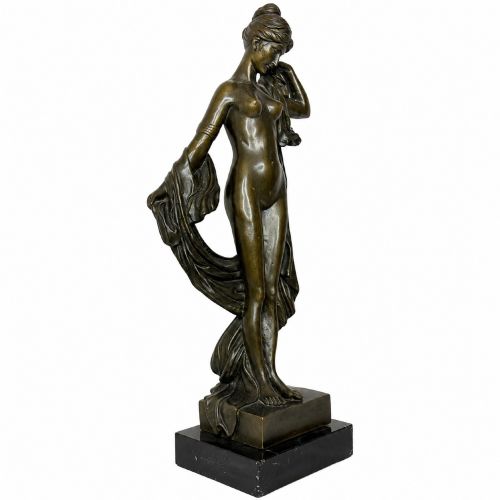
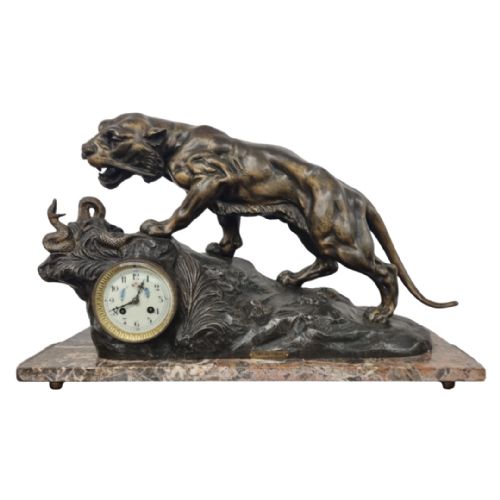
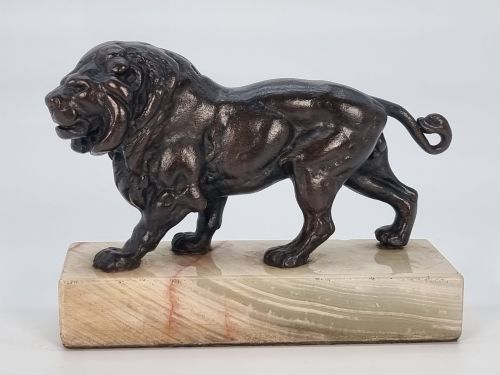
A 1900 bronze sculpture encompasses a diverse range of items, from small animalier figures and cold-painted Austrian novelties to large French portrait busts and allegorical nudes. The versions most frequently encountered on this page originate from European foundries operating around the Victorian, Edwardian, and turn of the century periods.
Makers and artisans of this era utilised bronze alongside materials like marble, onyx, and terracotta to produce sculptural objects that functioned as mantel clocks, bookends, and desk accessories alongside standalone statues. These works reflect both classical academic traditions and the rising influence of Viennese and Orientalist aesthetics.
Materials and casting methods
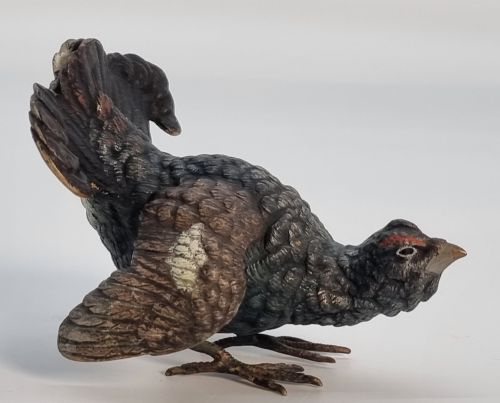
Foundries during this period relied primarily on traditional lost-wax casting and sand casting methods to capture fine details in bronze, brass, and mixed-metal compositions. Many Viennese pieces incorporated cold-painting techniques, where vibrant pigments were applied to the metal surface without subsequent firing.
Bases and mountings frequently utilised contrasting natural materials, pairing the dark metallic patination of the bronze with veined marble, polished onyx, or carved mahogany. This combination provided stability and visual weight to smaller figurines and functional items like inkwells and doorstops.
Listings feature works from the 19th Century, Victorian, Edwardian, and 1900 periods, cast in bronze, brass, copper, and terracotta.
Distinctions in execution and finish
The distinction between standard commercial output and superior examples rests in the crispness of the churing and the subtlety of the surface patina. Finer works display meticulous hand-finishing that preserves the nuance of the sculptor's original model, particularly in facial expressions, plumage, and drapery.
Material selection also defines the tier of a piece, with solid bronze and intricately detailed cold-painted surfaces commanding greater attention than simpler spelter alternatives. The integration of high-grade marble or onyx bases further separates utilitarian production from exhibition-quality art.
Franz Bergman·Goldscheider·Rudolf Küchler·Carl Kauba·Ernest Rancoulet·Sir Thomas Brock
The 1900 Bronze Sculpture Glossary
- Cold-painted bronze
- A technique where bronze figures receive polychrome paint applied directly to the metal surface rather than fired in a kiln. This method is particularly characteristic of Viennese workshops producing small animal and human subjects.
- Animalier
- A nineteenth and early twentieth century artistic genre focusing on the realistic depiction of animals. Sculptors in this tradition studied anatomy closely to capture creatures in motion or repose.
- Spelter
- An alloy of zinc and lead used as an economical substitute for bronze during the period. It typically requires patination to imitate the appearance of heavier copper-based metals.
- Lost-wax casting
- A process where a molten metal is poured into a mould created by surrounding a wax model with a ceramic shell, which is subsequently melted away. This allows for intricate undercut details and unique sculptural forms.
1900 Bronze Sculpture: Frequently Asked Questions
What is cold-painted bronze?
Cold-painted bronze refers to metallic figures finished with applied pigments rather than high-temperature enamelling or firing. This technique allowed Viennese workshops to achieve vibrant, lifelike coloration on small sculptures and novelties.
Collectors find these pieces particularly sought after for their detailed execution and the preservation of the delicate paint layers over time.
How do I identify Art Nouveau bronzes?
Art Nouveau bronzes typically feature asymmetrical compositions, flowing organic lines, and motifs drawn from nature such as flowers, vines, and female hair. These pieces often blur the line between decorative art and functional objects.
The style dominated European design around the turn of the twentieth century, moving away from rigid Victorian academicism.
Were these sculptures made for display?
Many objects from this era served dual purposes as both decorative works of art and functional items for the home. Examples include bookends, mantel clocks, inkwells, and doorstops cast in bronze.
These pieces allowed households to incorporate fine metalwork into daily domestic spaces without relying solely on static pedestal statues.
How do I distinguish bronze from spelter?
Bronze possesses a heavier weight, a warmer resonance when tapped, and an ability to hold sharp chisel and file marks during finishing. Spelter, an alloy containing zinc, is lighter, more brittle, and prone to flaking patination.
Examining the underside or areas of wear often reveals the paler grey metal beneath a surface patination on spelter items.