


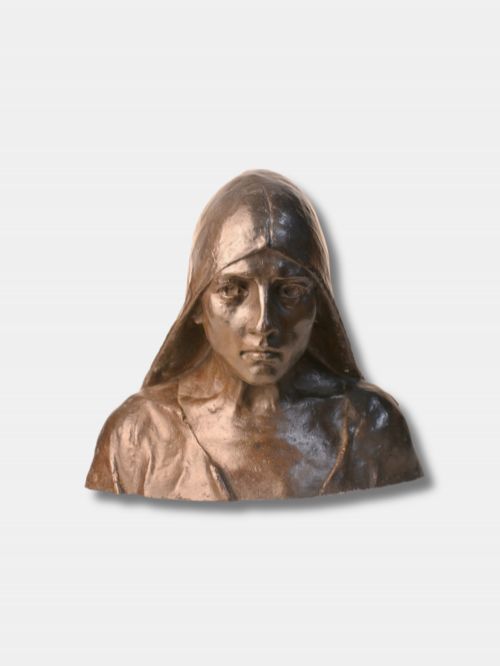

Victorian Portrait Bust
A victorian portrait bust brings nineteenth-century character into a room through carved marble, bronze or alabaster likenesses.
Victorian Portrait Bust
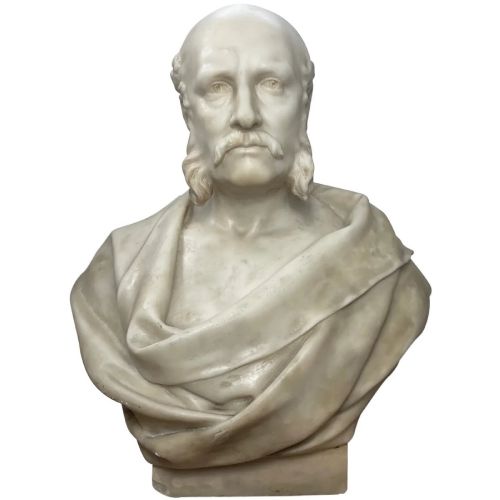
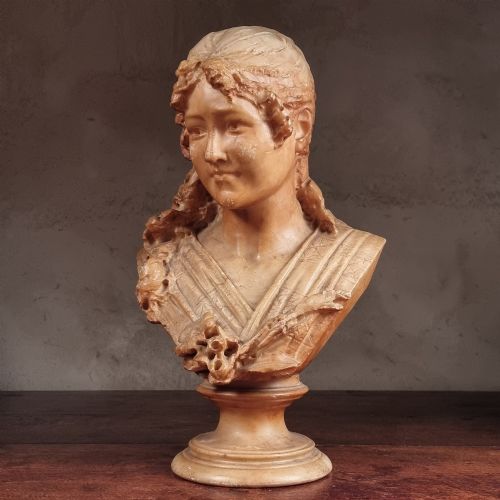
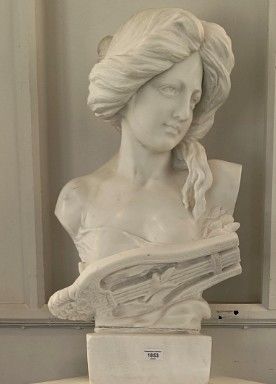
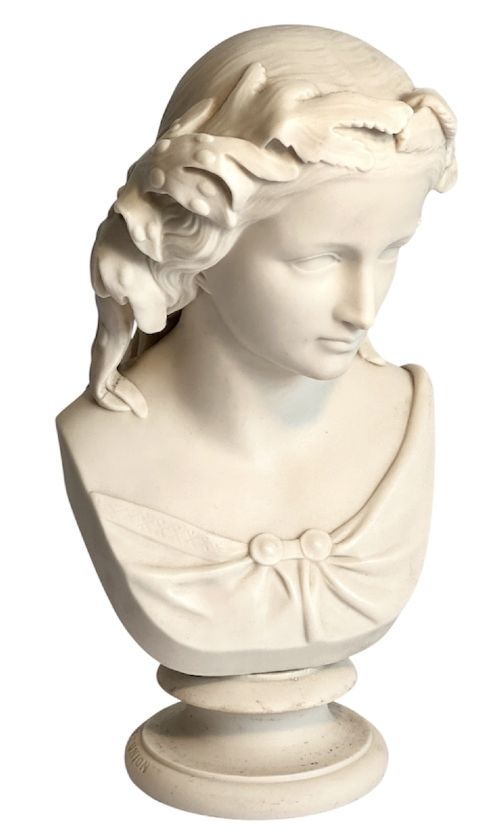
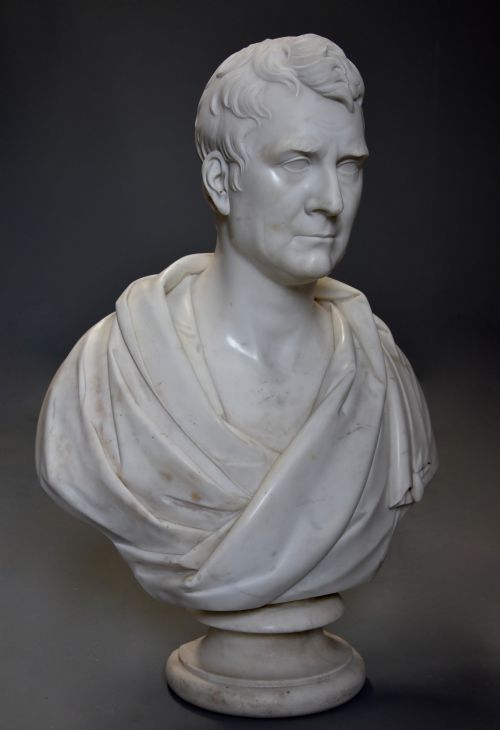
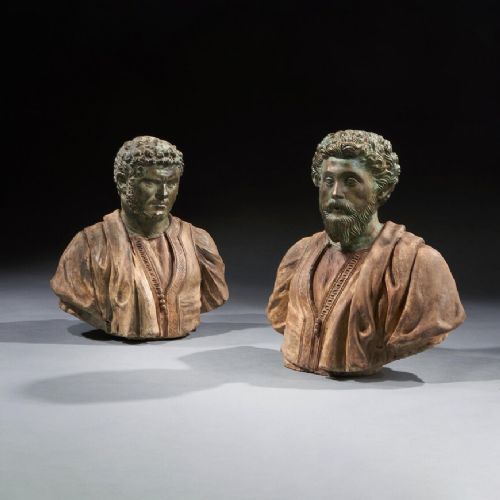
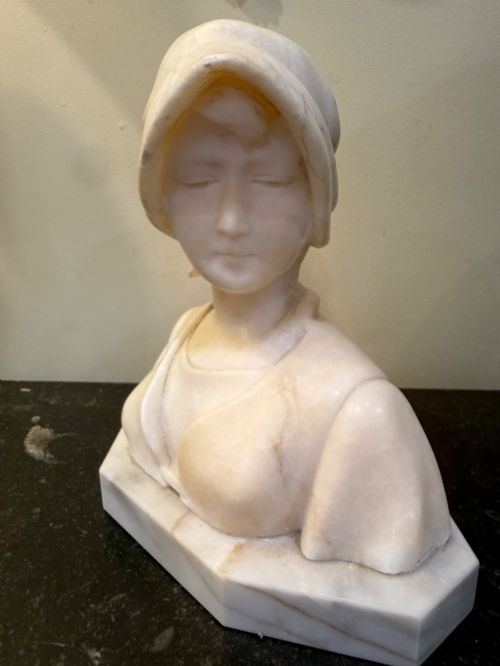
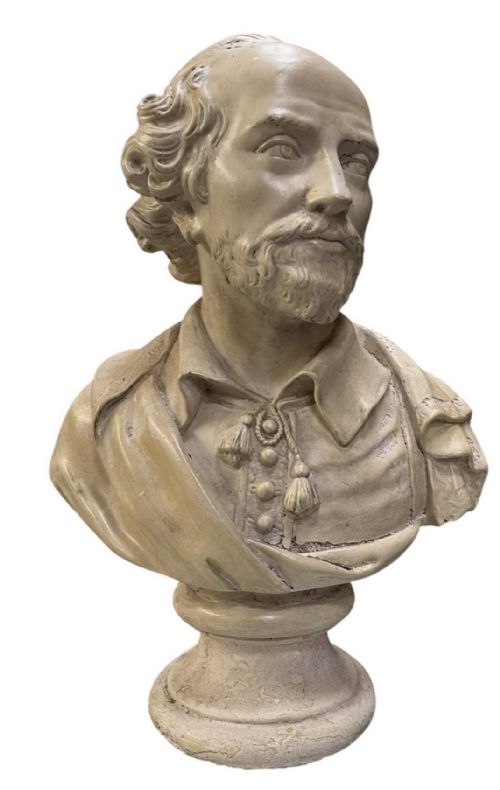
A victorian portrait bust captures the likeness of historical figures, literary characters, and private citizens in three dimensions. These pieces range from monumental civic commissions of politicians and nobility to smaller interpretive studies of young women, classical muses, and historical personages.
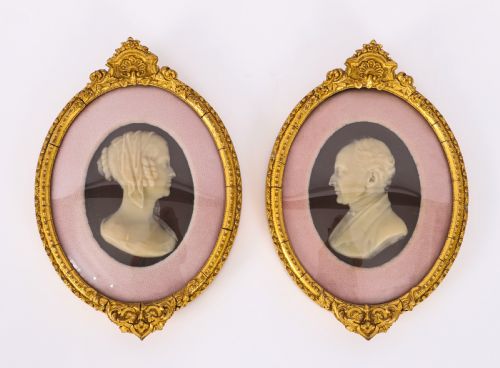
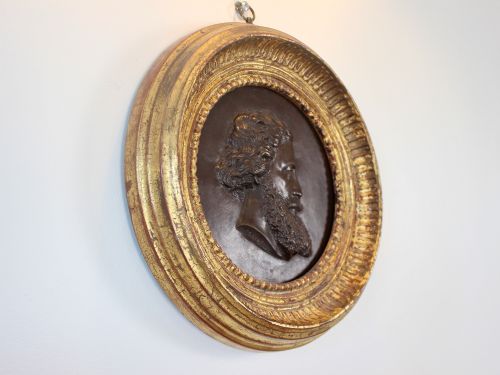
The most common examples on this page are carved from white marble, Carrara marble, or alabaster, alongside cast bronze and plaster versions. Formats extend beyond traditional shoulder-length sculptures on pedestals to include wall plaques, framed wax reliefs, and cast iron studies.
Originating predominantly from British, French, and Italian workshops, these works span the nineteenth century and reflect periods such as the Neoclassical, Gothic Revival, and Arts and Crafts styles. Buyers encounter both signed exhibition pieces by named sculptors and anonymous decorative works produced for the domestic interior.
How They Were Made
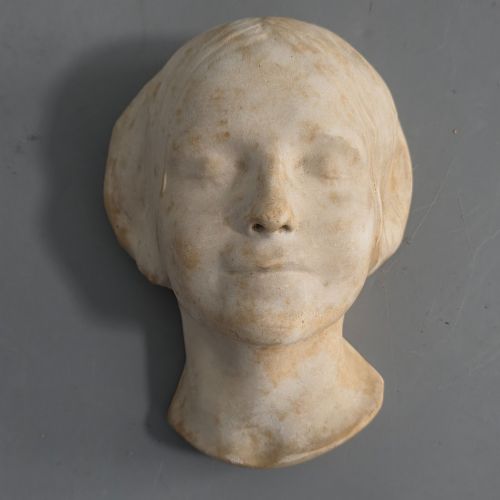
Carved pieces rely on the direct subtractive handling of stone, utilising marble, alabaster, and fruitwood where chisel marks and polished surfaces define hair, drapery, and skin. Sculptors worked from life, from death masks such as the L'inconnue de la Seine, or after classical precedents to achieve anatomical fidelity.
Cast versions utilise bronze and Parian ware, a fine-grained porcelain developed in the nineteenth century to imitate carved marble. Foundries employed the lost-wax method for bronzes, capturing fine details in medals, beards, and clothing before applying patination to the metal surface.
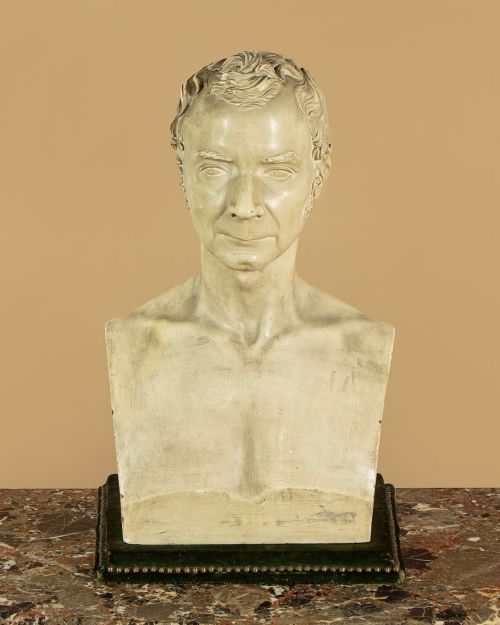
Plaster and simulated stone examples were cast from moulds taken of original models, sometimes finished with paint or patination to mimic heavier materials. Wall plaques combine carved mahogany, oak, and bronze mounted on backing panels for interior display.
Listings feature materials spanning marble, bronze, alabaster, plaster, terracotta, and paper, created across the nineteenth century.
What Varies in Quality
Quality rests in the anatomical precision and psychological depth achieved by the modeller or carver, distinguishing master sculptors from commercial workshop output. Superior carving gives softness to flesh and crispness to drapery folds, whereas lesser pieces remain stiff and formulaic in expression.
Materials dictate the upper tiers of the market, where flawless Carrara marble, rich patinated bronze, and multi-coloured bases such as vert de mer elevate a piece. Signatures from documented makers add provenance and establish the workshop standard behind the physical execution.
J Francis·Raffaelo Monti·Emile Jespers·John Wenlock Rollins·Sir Thomas Brock·Alajos Strobl·Matthew Noble
The Victorian Portrait Bust Glossary
- Parian Ware
- A fine-grained biscuit porcelain resembling marble, used extensively in the nineteenth century for portrait figures and literary busts. It was named after Paros, the Greek island famous for its white marble.
- Grand Tour
- A cultural journey undertaken by wealthy young Europeans through France and Italy, bringing back souvenirs such as bronze busts and lava cameos. These objects often replicated classical antiquities.
- Carrara Marble
- A type of white or blue-grey marble from the city of Carrara in Tuscany, favoured by sculptors for its fine texture and durability. It was the primary material for many nineteenth-century exhibition pieces.
- Patination
- The surface coloration and sheen on bronze sculpture, achieved through chemical treatment or natural ageing. It protects the metal and accentuates the modelled details.
- Neoclassical
- An artistic movement drawing inspiration from the classical art and culture of ancient Greece and Rome. This style influences many nineteenth-century busts depicting mythological figures and ancient rulers.
Victorian Portrait Bust: Frequently Asked Questions
What materials were used?
Makers utilised marble, alabaster, bronze, Parian ware, and plaster for these sculptures. Wood and cast iron also appear in specific plaques and domestic pieces.
Selection depended on whether the work was intended for a public monument, an exhibition, or a private study.
How do I display a bust?
These sculptures require a sturdy surface such as a side table, column, or deep mantelpiece to support their weight. Wall plaques utilise secure brackets or hanging fixings designed for wood and stone.
Placement benefits from directional lighting to emphasise the carved contours and surface patination.
Are these works signed?
Certain pieces bear the signature or monogram of the sculptor, occasionally accompanied by a date or foundry mark. Signed works often originate from documented exhibition artists.
Many decorative domestic pieces remain unsigned while still displaying skilled nineteenth-century craftsmanship.
What is Parian ware?
Parian ware is a self-smoothing porcelain developed in the mid-nineteenth century to replicate the appearance of carved marble. It allowed factories to produce detailed portrait busts at a smaller scale.
This material has a matte, unglazed finish that catches light across modelled surfaces.