


Classical Stone Head
A classical stone head brings antiquity indoors, offering carved marble and alabaster portraits suited to study shelves and garden plinths.
Classical Stone Head
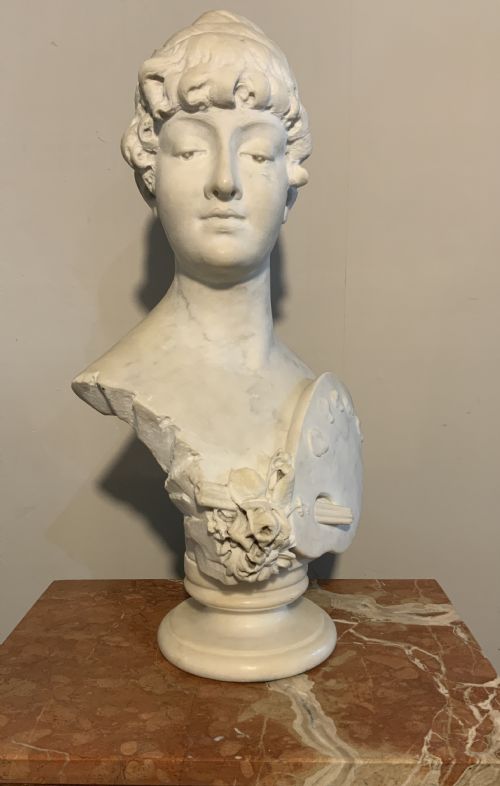
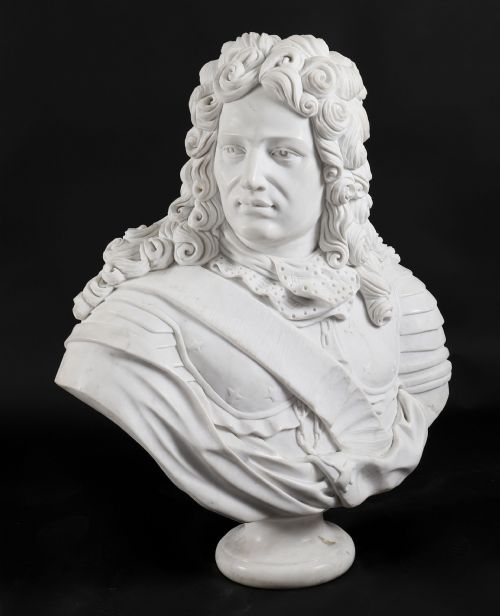
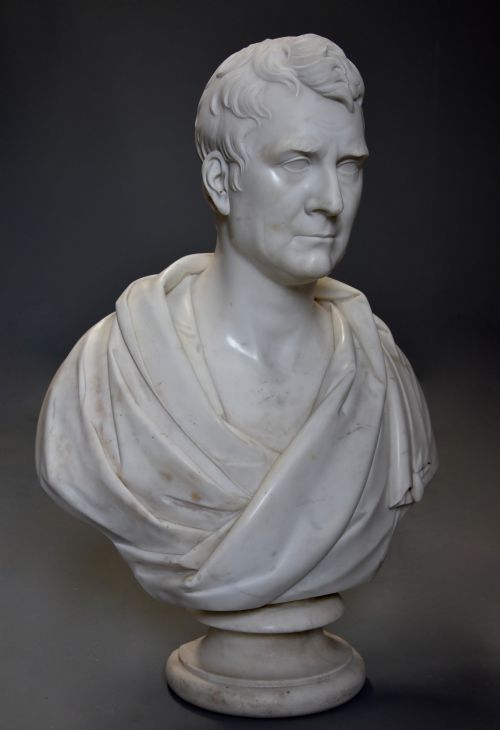
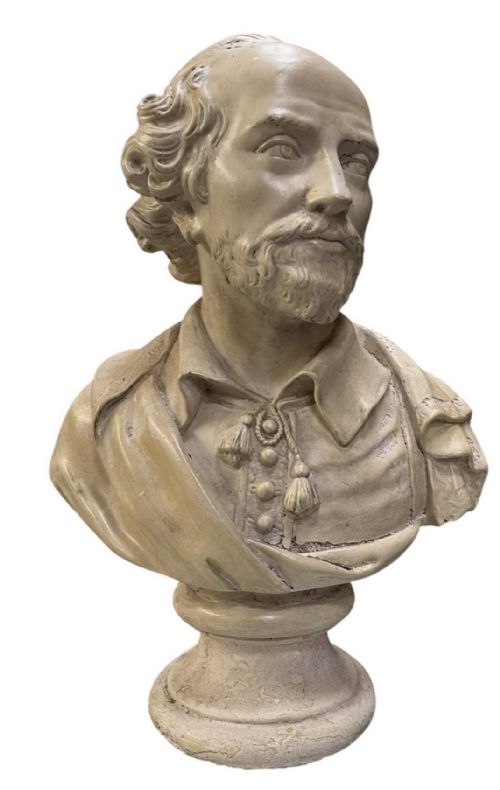
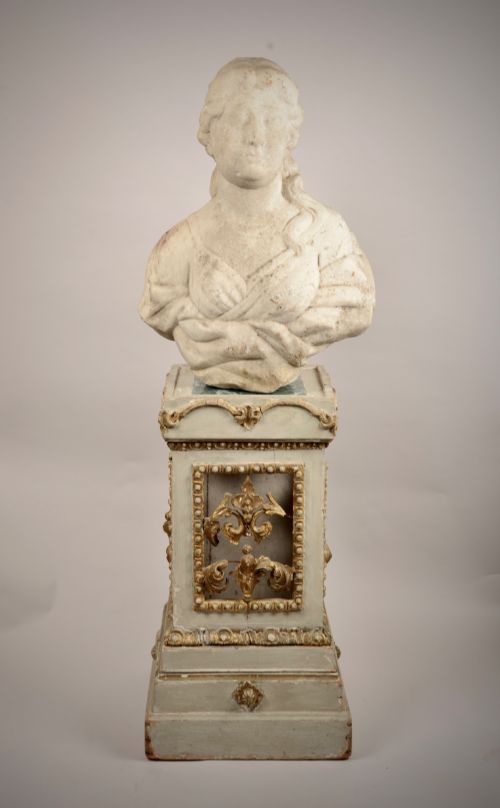
A classical stone head typically manifests as a carved portrait bust, depicting mythological figures, Roman emperors, or notable historical personages. These sculptures draw upon Neoclassical, Victorian, and Baroque styles, tracing origins from seventeenth-century Italian works to twentieth-century garden statuary.
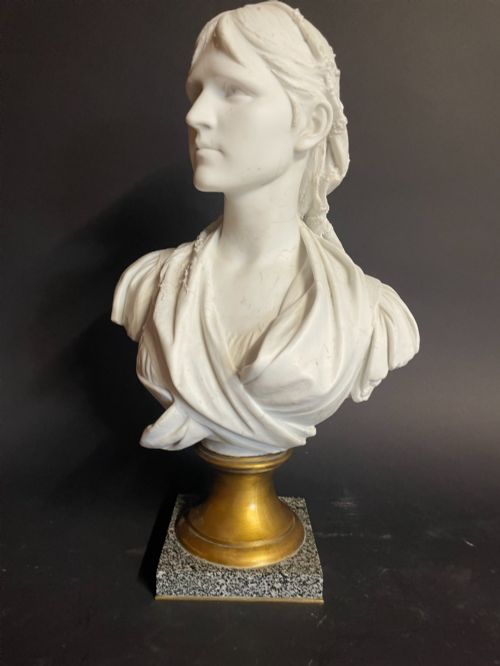
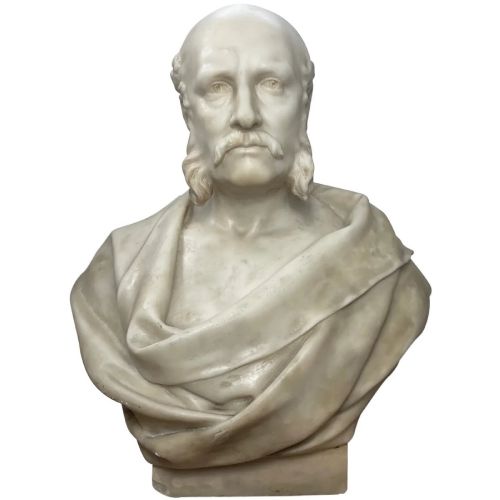
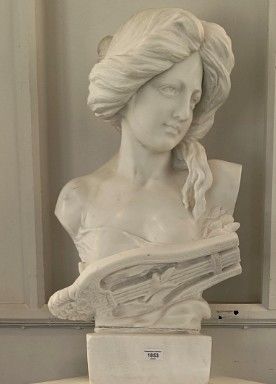
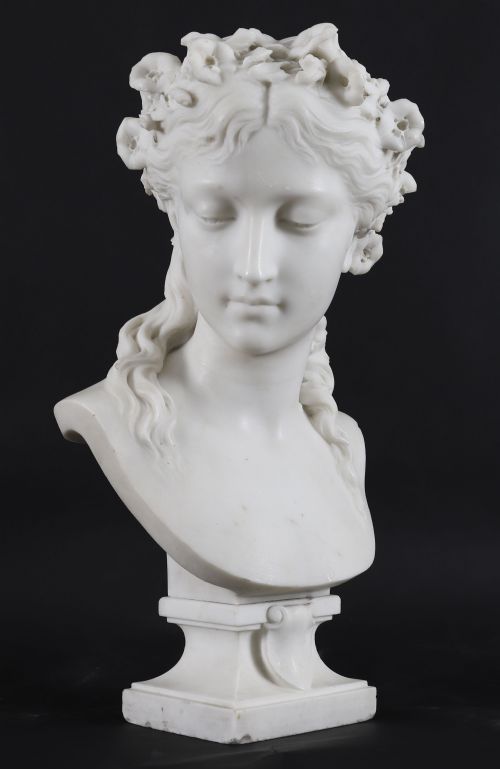
The most common version encountered here is the nineteenth-century marble bust, often portraying a woman, a nobleman in armour, or a classical muse. Smaller library busts sit alongside monumental civic portraits and weathered stone garden pieces.
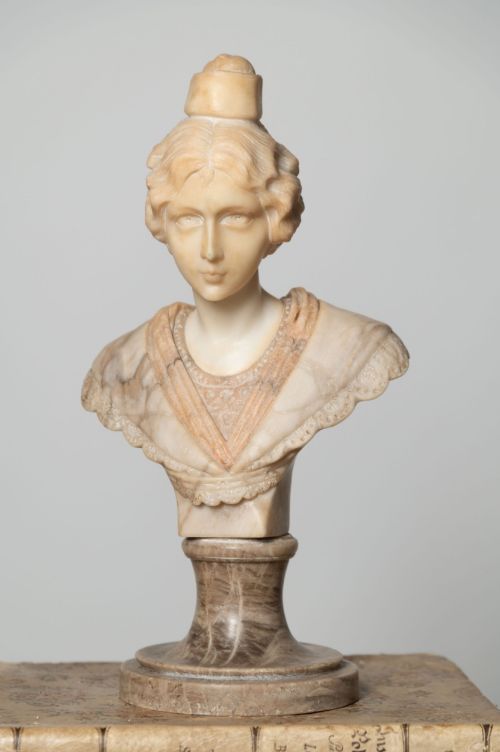
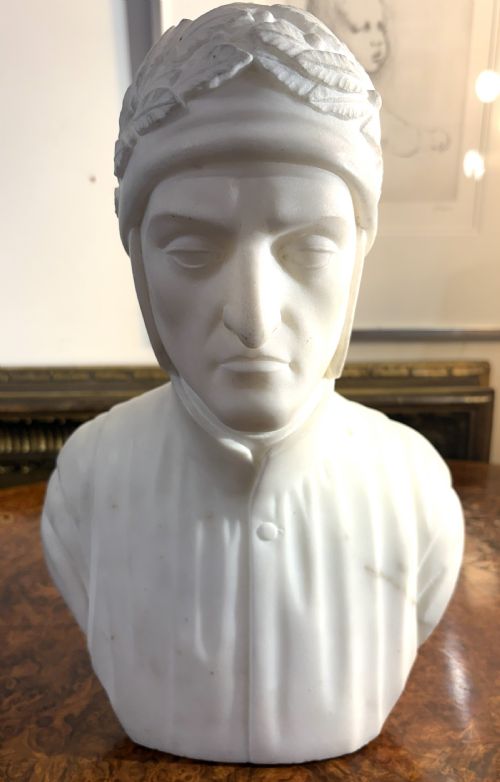
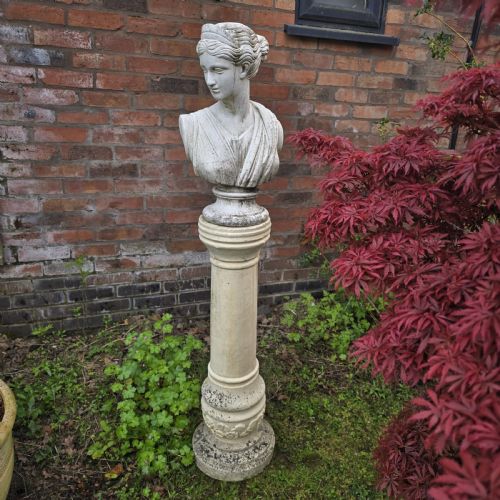
Beyond the standard format, variations include alabaster sculptures of youths and specific representations such as Dante, Shakespeare, and Julius Caesar. The selection encompasses both indoor library pieces and substantial garden statuary on pedestals.
Materials and Technique
Carving relies heavily on white marble, Carrara marble, and alabaster, shaped by hand to capture detailed drapery and facial expressions. Sculptors utilise chisels and rasps to refine the stone, sometimes mounting the finished head on a dedicated plinth.
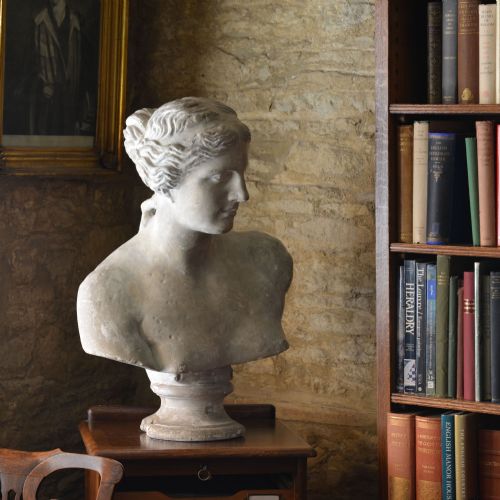
Alternative compositions involve cast stone, reconstituted stone, and plaster, which permit the replication of classical forms like the Venus de Milo. Certain objects incorporate mixed marbles or integrate metal elements such as gilt mountings.
Listings feature materials spanning Carrara marble, alabaster, plaster, cast stone, and reconstituted stone.
Assessing Quality
The choice of material dictates initial character, with fine Carrara marble and translucent alabaster offering superior tactile qualities compared to standard plaster or cast stone. Signed works by documented sculptors carry distinct artistic weight over anonymous studio productions.
Eugene Aizelin·Raffaelo Monti·John Francis·John Wenlock Rollins·Mieczyslaw Leon Zawiejski
The Classical Stone Head Glossary
- Carrara marble
- A type of white or blue-grey marble from the city of Carrara in Italy, prized for sculpture since classical antiquity. It provides a uniform fine grain favoured by nineteenth-century portraitists.
- Alabaster
- A fine-grained mineral stone, soft enough to carve easily and translucent when cut thinly. It appears frequently in nineteenth-century library busts and decorative urns.
- Plaster
- A workable composition material used to cast copies of classical sculpture, such as museum pieces. Plaster busts offer an accessible medium for detailed portraiture.
- Reconstituted stone
- A manufactured material made from aggregate stone mixed with a binder, moulded into architectural ornaments and garden statuary. It withstands outdoor weathering.
- Plinth
- A heavy base block supporting a bust, statue, or urn. It elevates the sculpture and provides structural stability.
Classical Stone Head: Frequently Asked Questions
What periods do these busts represent?
The pieces span from the seventeenth century through the nineteenth century and into the twentieth century. Many reflect nineteenth-century revivals of classical and baroque aesthetics.
Dates range from seventeenth-century fragments to twentieth-century garden statuary and library pieces.
Where were these sculptures displayed?
Smaller marble and alabaster busts sit upon library shelves, desks, and cabinet tops. Larger monumental portraits and garden statues occupy pedestals, courtyards, and garden settings.
Interior pieces served as scholarly decorative objects in nineteenth-century homes.
How do marble and alabaster differ?
Marble is a hard metamorphic rock that takes a high polish and resists weathering indoors. Alabaster is softer and possesses a translucent quality that lets light penetrate the surface.
Both materials require careful handling, though alabaster is more susceptible to moisture.
Are these pieces signed by artists?
Certain sculptures bear signatures, dates, or foundry marks carved directly into the stone or base. Signed works link the portrait to documented nineteenth-century sculptors.
Unsigned examples remain common, representing the broader output of European workshops.