
French Marble Sculpture
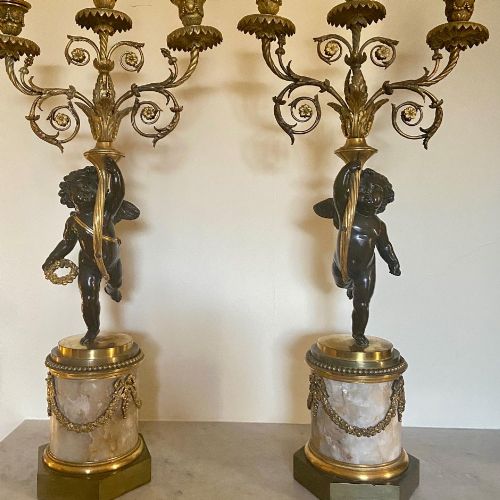
When you explore french marble sculpture, you encounter works where carved stone meets cast bronze, gilt metal, and ivory-toned figures.
French Marble Sculpture
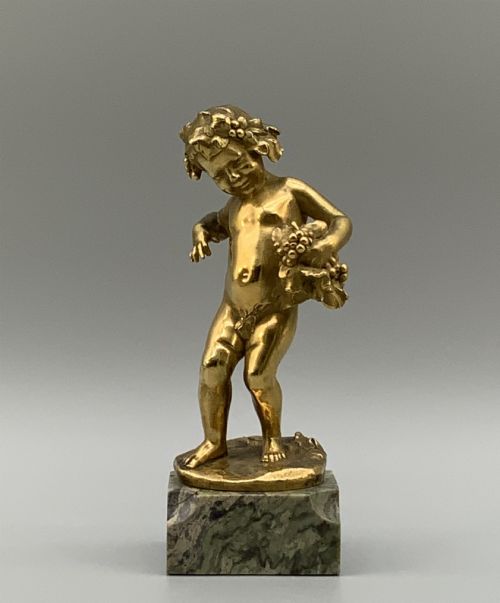
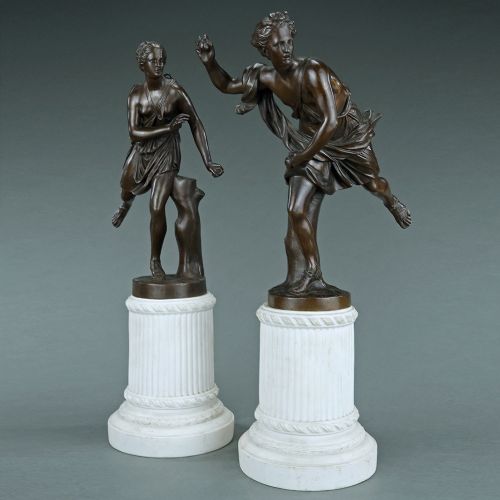
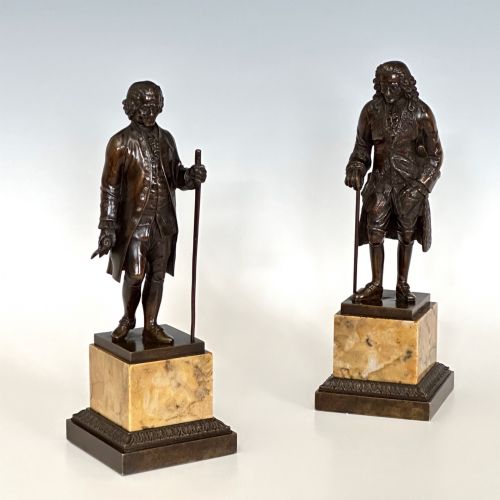
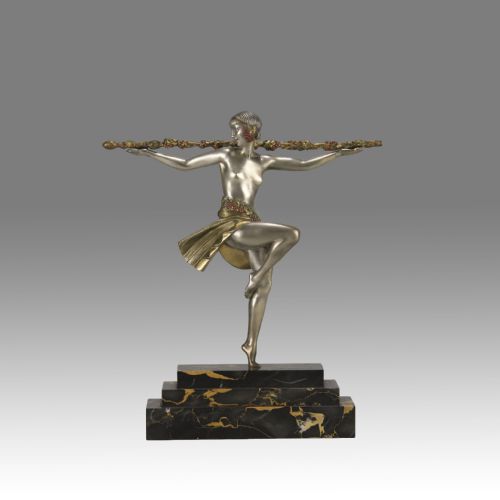
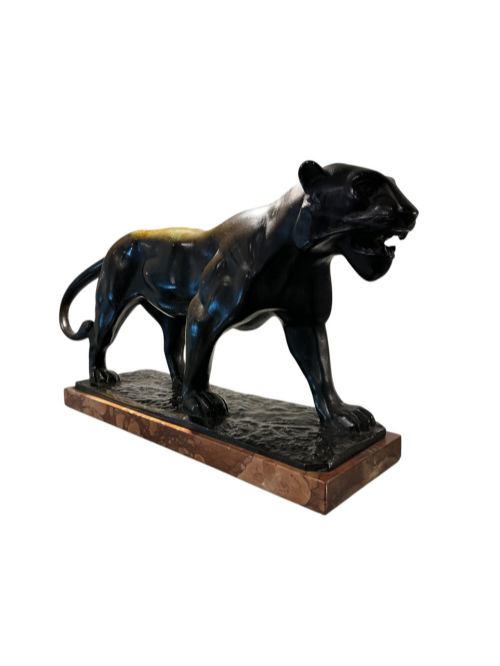
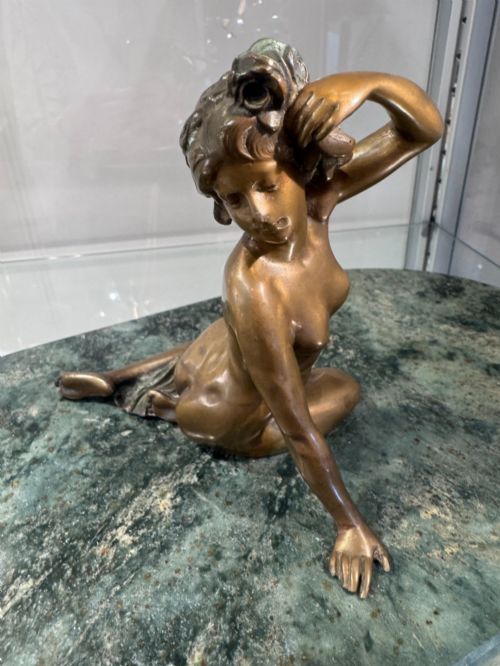
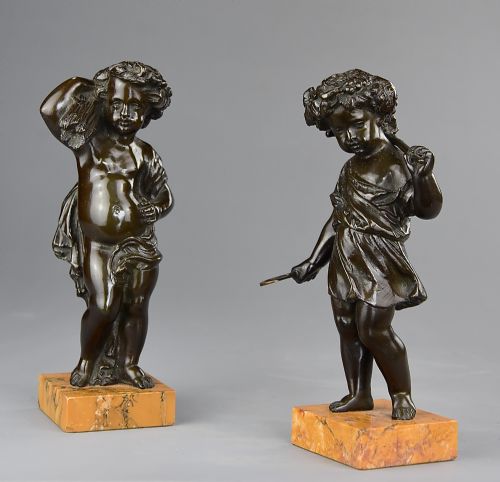
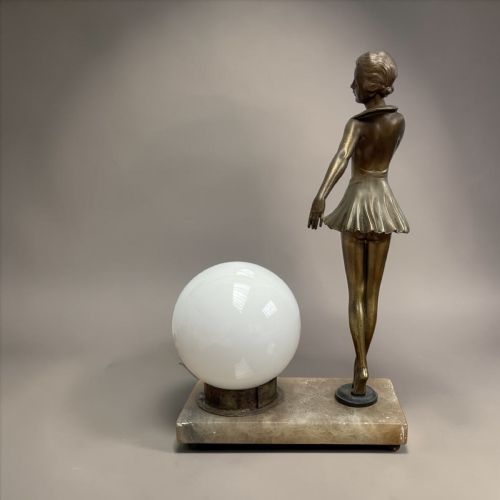
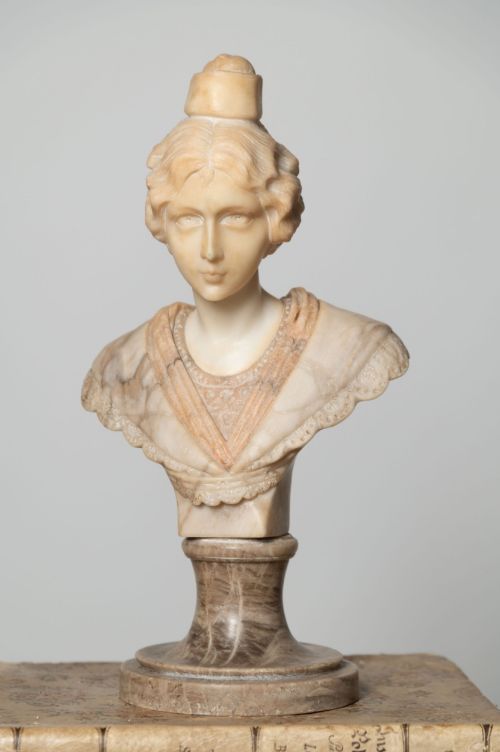
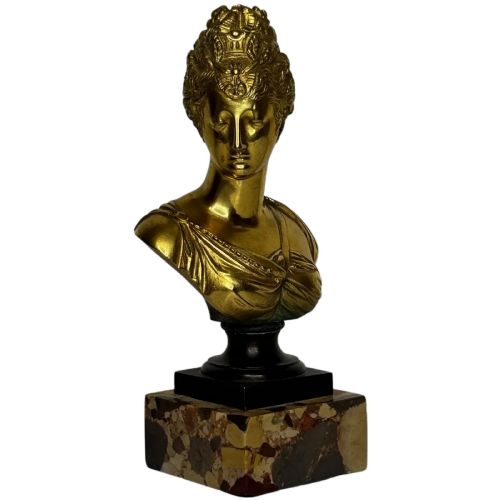
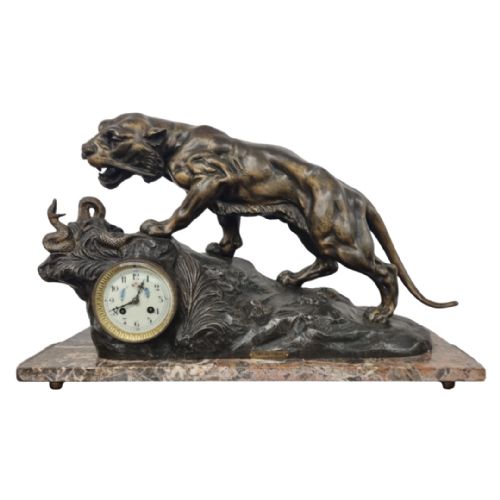
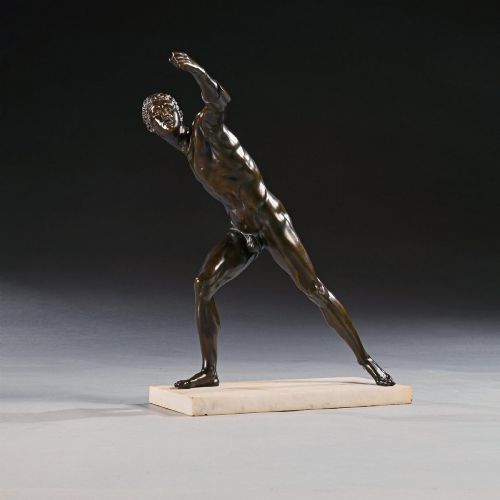
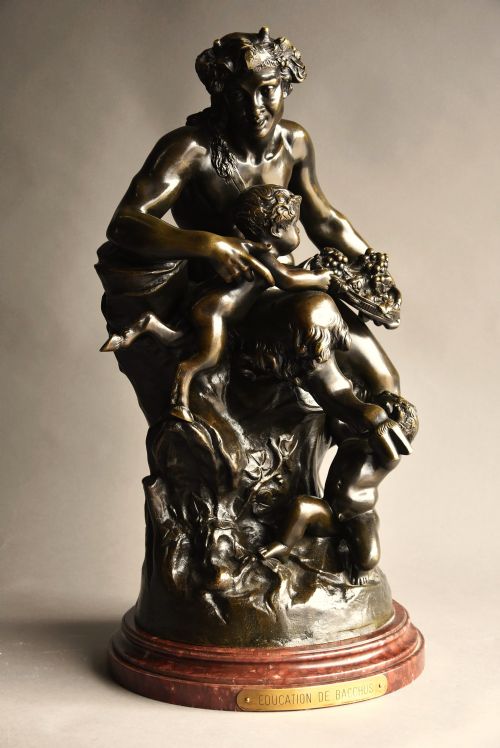
French marble sculpture encompasses carved stone figures, animals, and architectural bases that frequently incorporate mixed media such as bronze, gilt bronze, or carved alabaster. Pieces range from classical busts and mythological groups to sleek Art Deco panthers and birds mounted on heavy stone plinths.
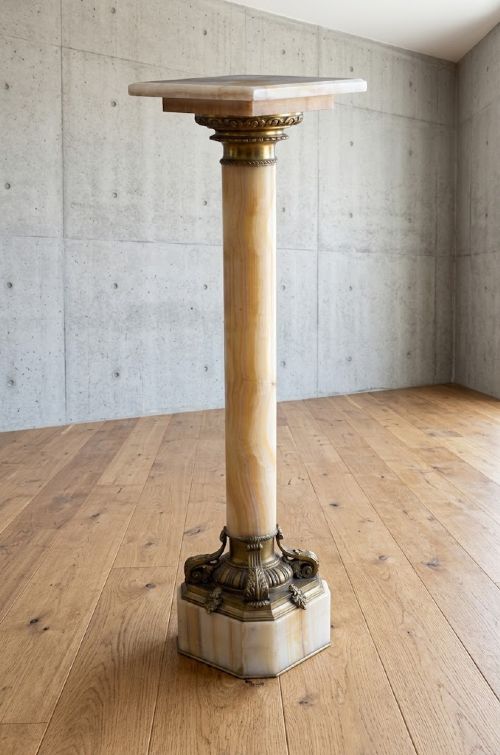
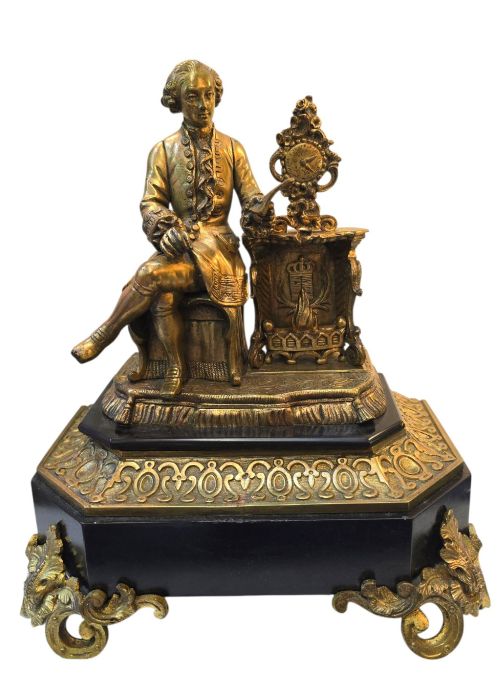
The most common examples on this page date from the nineteenth and early twentieth centuries, spanning Neoclassical, Art Nouveau, and Art Deco styles. Figures rest upon substantial bases of black, Portoro, onyx, or Verdi marble, acting as self-contained works or serving functional roles as clock cases and lamp supports.
How they were made
Carvers shaped white Carrara marble, alabaster, and onyx using chisels and rasps to produce smooth figures and drapery, while metal elements were cast via the lost-wax technique in bronze, gilt bronze, or spelter. Artisans then chased the metal surfaces by hand to sharpen details before mounting the figures securely onto heavy stone plinths.
Makers combined contrasting textures by pairing cold-painted or patinated metals with polished stone bases, sometimes introducing ivory-toned details alongside black or multi-coloured marble columns and architectural slabs.
Listings feature items from the eighteenth century through to the 1960s, spanning marble, bronze, alabaster, and onyx.
What varies in quality
Quality reveals itself in the crispness of the stone carving and the precision of the metal chasing on the figures and mounts. Superior pieces display smooth, natural contours in the marble and finely detailed musculature or drapery in the cast elements, whereas lesser works rely on soft casts and simplified stone shaping.
The choice of base material also distinguishes tiers of production, as dense Portoro and richly veined Verdi marbles sit above standard black slate or basic stone plinths. The integration between the sculptural subject and its stone mount demonstrates the maker's original ambition.
Charles Louis Malric·Susse Frères·Barbedienne·Pierre le Faguays·August Moreau·Affortunato Gory·Michel Victor Acier·Emile Carlier·Alexandre Ouline·Jules Bonheur·Eugene Aizelin·Demetre Chiparus·Henri Godet·Aurore Onu·Emile Guillemin·Jean Antoine Houdon·Auguste Henri Carli·Claude Michael Clodion·Math Moreau·I Rochard·D.H.Chiparus·BECQUEREL·E.Villanis·CIPRIANI·E.GUY
The French Marble Sculpture Glossary
- Carrara Marble
- A white or blue-grey stone quarried in Tuscany, widely utilised for nineteenth-century portrait busts and carved figures. Its fine grain permits subtle rendering of skin and fabric.
- Ormolu
- Gilt bronze produced by applying a mercury-gold amalgam to cast bronze. This technique creates a rich golden surface found on decorative collars and mounts.
- Spelter
- A zinc alloy frequently utilised as a cost-effective substitute for bronze in Art Deco figural groups. It is often painted or patinated to mimic heavier metals.
- Portoro
- A black limestone or marble from Italy characterised by striking gold veins. It forms luxurious bases for twentieth-century animalier and modernist figures.
French Marble Sculpture: Frequently Asked Questions
How do I clean marble sculptures?
Dust the stone regularly with a soft, dry cloth to prevent grime accumulation.
Avoid using water, soap, or household cleaners on porous marble and mixed-media surfaces.
What is an animalier sculpture?
Animalier works depict animals in realistic or stylized poses, capturing creatures such as panthers, stags, and birds.
These subjects gained immense popularity during the nineteenth and twentieth centuries, frequently mounted on contrasting stone bases.
How can I date my sculpture?
Examine the stylistic markers, such as Neoclassical drapery or geometric Art Deco lines, alongside the material composition.
Signatures, foundry stamps, and the type of marble used for the base also offer chronological clues.
Were these pieces signed?
Many sculptures carry the signature or monogram of the artist directly cast into the metal or carved into the stone surface.
Foundry marks and stamps on the reverse or underside provide additional verification of the maker.