



19th Century Realist Sculpture
These 19th century realist sculpture pieces capture everyday life and the natural world with striking fidelity, offering collectors tangible connections to past craftsmanship.
19th Century Realist Sculpture
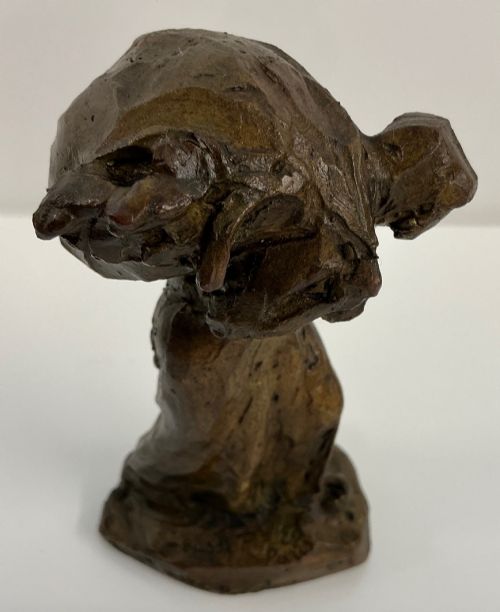
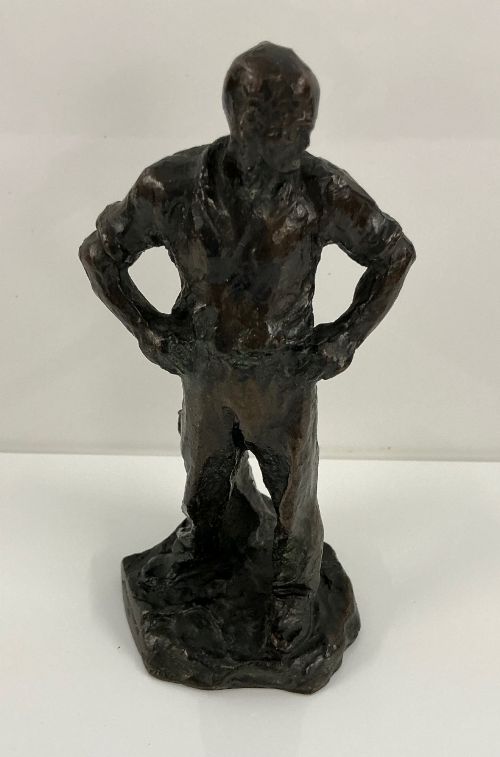
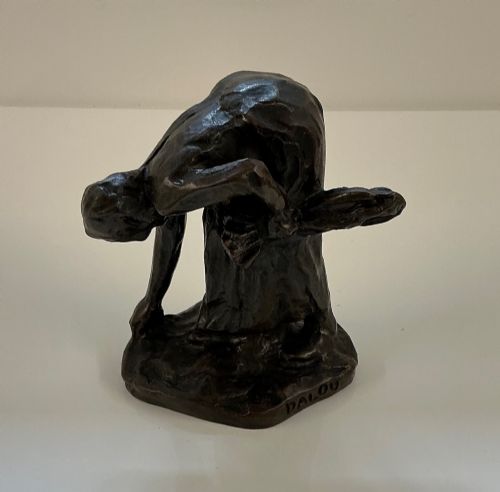
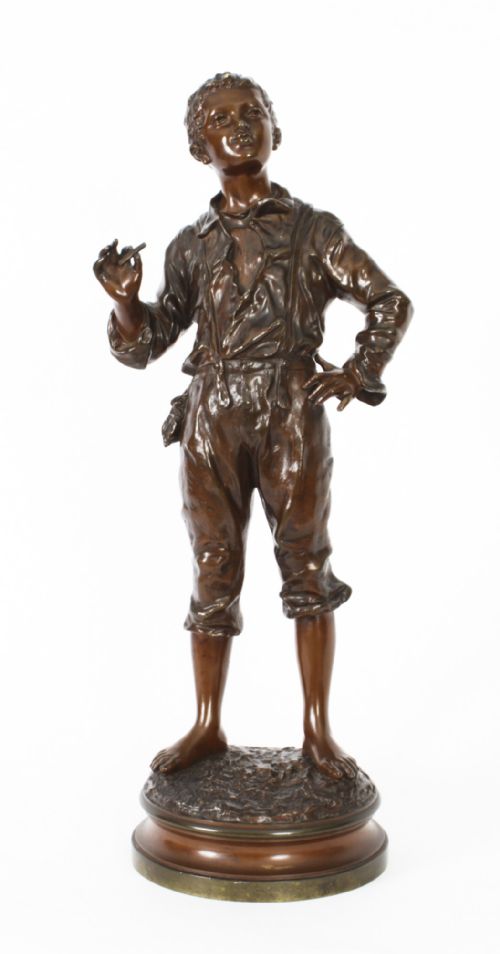
When you search for 19th century realist sculpture, you encounter works that turn away from classical idealisation in favour of truthful depictions of human labourers, animals and everyday street figures. The selection on this page centres on French animalier studies, agrarian workers and character busts shaped during the Victorian and Edwardian eras.
The objects span from desk accessories and small cabinet figures to large foundry-cast bronzes and life-size terracotta busts. Subjects range from quarrymen, milkmaids and philosophers to dogs, pigs and working horses, reflecting the era's fascination with authentic social observation.
Materials and casting methods
Foundries utilised bronze and terracotta as primary mediums, often applying a dark patina or pigment to heighten tactile depth and naturalism in the finished surface. Metal casting relied on skilled founders who translated intricate clay models into enduring bronze editions.
Terracotta pieces required careful kiln-firing of modelled clay, sometimes capturing the exact hand of the artist before hardening. Artisans then chased and finished the metal surfaces by hand, ensuring distinct textures for garments, hair and animal coats.
Several sculptors turned their observant eyes away from grand heroes to immortalise a humble pig, a resting woodsman or a boy fishing.
Distinctions in quality
The upper tier of these sculptures is distinguished by crispness of detail in the chasing work, where facial expressions, muscle tension and fabric folds remain sharp and articulate. Foundry marks, artist signatures and the nuanced depth of the patination further separate superior castings from simpler commercial editions.
Jules Dalou·Antoine L Barye·Arthur Waagen·Isidore Bonheur·Charles Anfrie·Alajos Strobl
The 19th Century Realist Sculpture Glossary
- Animalier
- A nineteenth-century movement and genre focusing on the realistic portrayal of animals, particularly horses, dogs and farm livestock. Sculptors in this field studied living creatures closely to capture authentic postures.
- Patina
- The surface colour and texture developed on bronze through chemical treatment or natural age. A dark patina was frequently applied by foundries to accentuate shadows and contours on nineteenth-century figures.
- Terracotta
- Fired unglazed clay used directly for sculptural works or as a preliminary model for bronze casting. The material allows for immediate, expressive modelling that records the sculptor's touch.
19th Century Realist Sculpture: Frequently Asked Questions
What defines nineteenth-century realism in sculpture?
Realist sculpture moves away from mythological and heroic subjects to focus on authentic representations of ordinary people, labourers and animals. The works show subjects engaged in daily tasks without idealised bodily proportions.
Artists aimed to record social realities and natural anatomy with precision, capturing the grit of manual work and the specific characteristics of various breeds of animals.
What is an animalier bronze?
An animalier bronze is a nineteenth-century sculpture depicting animals in realistic, observed poses rather than symbolic roles. These pieces range from domestic dogs and farm animals to wild predators caught in motion.
Collectors prize them for their anatomical accuracy and the technical skill required to cast complex fur textures and muscular forms in metal.
How can I tell who cast the bronze?
Foundry stamps, cachets and signatures are often inscribed directly into the base or side of the bronze during the casting process. Well-known foundries like Susse Freres marked their editions to indicate authenticity and quality control.
Examining these foundry marks alongside the artist signature helps place the piece within a specific production period and workshop tradition.