



Barbedienne Foundry Bronze
A barbedienne foundry bronze brings nineteenth-century French foundry mastery into a room, offering classical and animalier sculpture cast to the highest standard.
Barbedienne Foundry Bronze
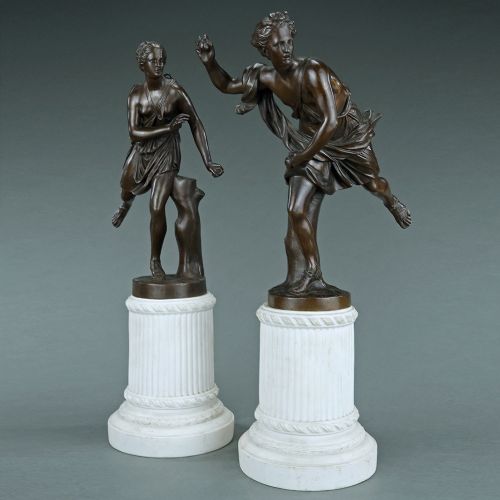
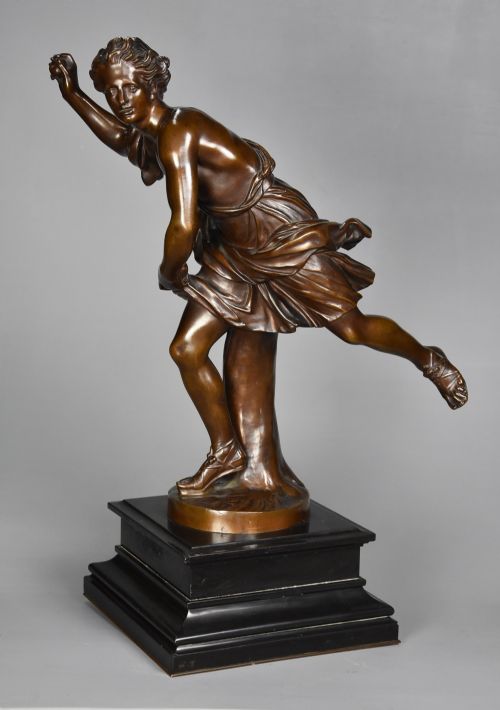
When you search for barbedienne foundry bronze, you are looking at nineteenth-century cast metal sculpture produced by the renowned Paris foundry established by Ferdinand Barbedienne. These pieces range from mythological figures and historical portraits to animalier studies after sculptors such as Antoine-Louis Barye and classical antiquities.
The versions you are most likely to meet on this page date from the mid to late nineteenth century, spanning periods marked in the evidence around eighteen-eighty and eighteen-ninety. They appear as sculptures, statues, and reductions, often mounted on bases of marble or ebonised wood.
The origins lie firmly in nineteenth-century France, reflecting the period's appetite for both grand neoclassical subjects and naturalistic animal studies. Collectors prize them for their association with one of the most technically accomplished bronze foundries of the era.
How barbedienne foundry bronze pieces were made
The foundational material is bronze, handled through sophisticated casting techniques that capture minute details from original models or ancient marbles. Foundries utilised methods of reduction to scale down monumental sculptures into cabinet-sized works without losing proportion.
Surfaces received careful attention through patination, resulting in dark patina, patinated bronze, gilt bronze, and parcel-gilt bronze finishes. These chemical and applied treatments enriched the visual depth of the metal before mounting on secondary materials.
Bases frequently incorporated marble or ebonised wood to provide stable support and a contrasting colour frame for the cast metal sculpture.
Barbedienne Foundry Bronze Retail Price Guide 2026
Typical asking prices for barbedienne foundry bronze among the pieces listed under this phrase on Sellingantiques today, from the lower quarter to the upper quarter. They describe what is for sale here now, not the wider market.
Listings demonstrate a strong representation of nineteenth-century French animalier subjects alongside neoclassical figures cast in bronze, patinated bronze, and gilt bronze.
What varies in quality in barbedienne foundry bronze
The application and preservation of the surface patination dictate much of the visual success of the sculpture, with rich dark patinas and crisp parcel-gilt details retaining their depth over time. The choice and execution of mounting materials, such as fitted marble or ebonised wood bases, add further distinction to the overall object.
Ferdinand Barbedienne·Antoine Louis Barye·E Fremiet
The Barbedienne Foundry Bronze Glossary
- Animalier
- A nineteenth-century French artistic movement focused on the realistic depiction of animals. Sculptors in this style studied living creatures closely to capture natural movement.
- Reduction
- A mechanical or proportional method used to create a smaller scale copy of a larger sculpture. The Barbedienne foundry was particularly famous for producing reductions of classical antiquities.
- Patina
- The surface coloration or film that develops on bronze naturally over time or through applied chemical treatments. Foundries controlled this finish to enhance sculptural contours.
- Parcel-gilt
- A decorative treatment where only specific portions of a bronze surface are highlighted with gold leaf or gilding. This technique draws the eye to details like garments or accessories.
Barbedienne Foundry Bronze: Frequently Asked Questions
What is a barbedienne foundry bronze?
It is a nineteenth-century metal sculpture cast by the Paris foundry of Ferdinand Barbedienne. These works include mythological subjects, historical figures, and animalier studies.
The foundry became celebrated for its exceptional casting standards and its mechanical reductions of classical statues found in European museums.
How do I identify a barbedienne casting?
Look for foundry stamps, signatures, or cast inscriptions identifying Barbedienne on the bronze surface. These marks confirm the piece originated from the Paris workshop.
Compositions often match known nineteenth-century catalogue editions of classical antiquities or works by prominent sculptors of the period.
What subjects are most common?
The listings feature mythological figures, classical deities, and historical portraits alongside naturalistic animal studies. Subjects range from Venus and classical playwrights to eagles, hares, and lions.
Many of these derive from antique sculptures seen on the Grand Tour or from contemporary French salon sculptors.
How should I display these bronzes?
Place them on stable surfaces away from direct moisture and extreme temperature fluctuations to protect the metal patination and any attached marble or wooden bases. Adequate lighting helps reveal the subtle tones of the dark patina or parcel-gilt details.
Keep them where their sculptural form and proportions can be appreciated from multiple angles.