


Bronze Bust Sculpture
These bronze bust sculpture pieces capture likeness and character in cast metal, bringing classical gravity and fine decorative detail into any room.
What a bronze bust sculpture is
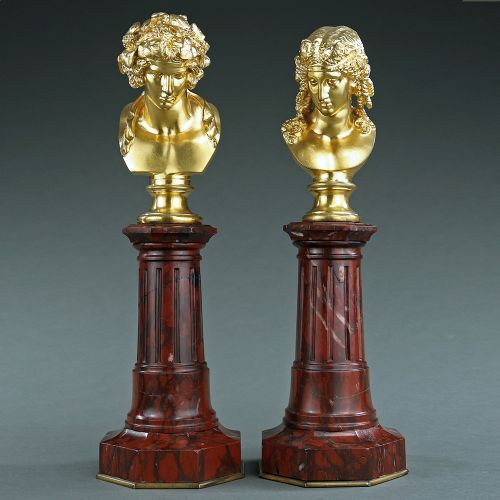
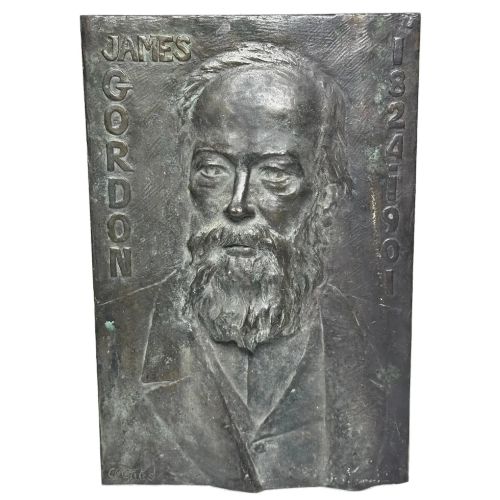
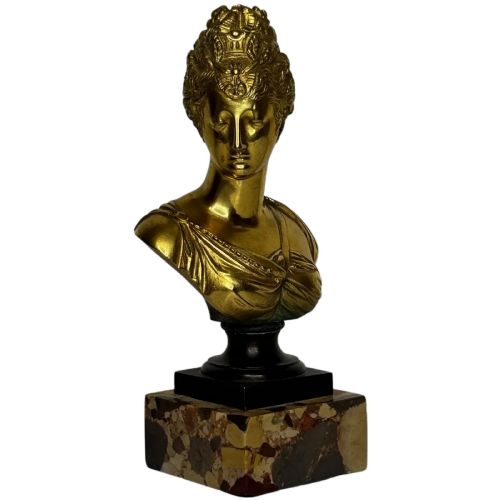
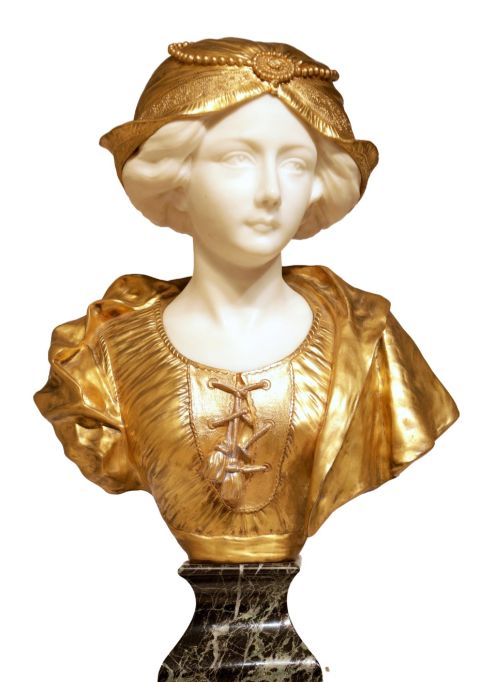
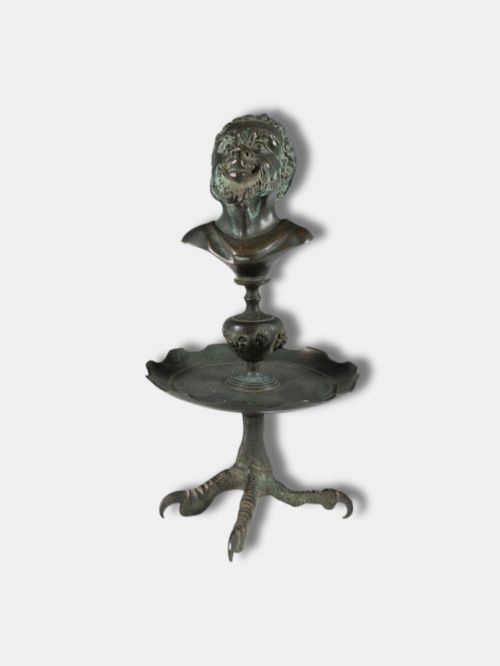
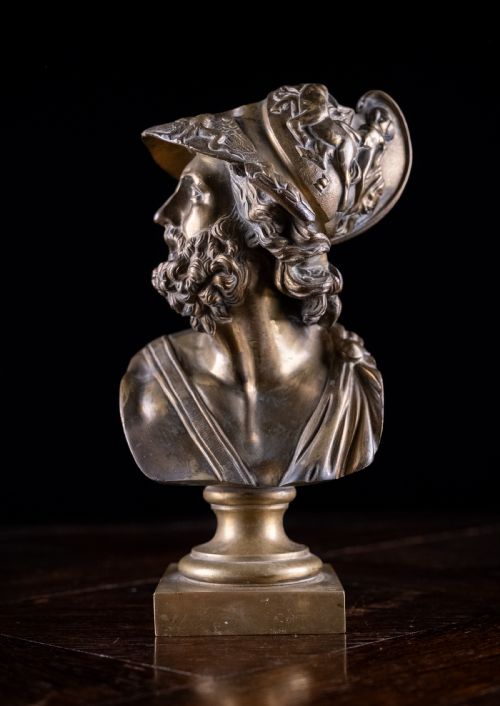
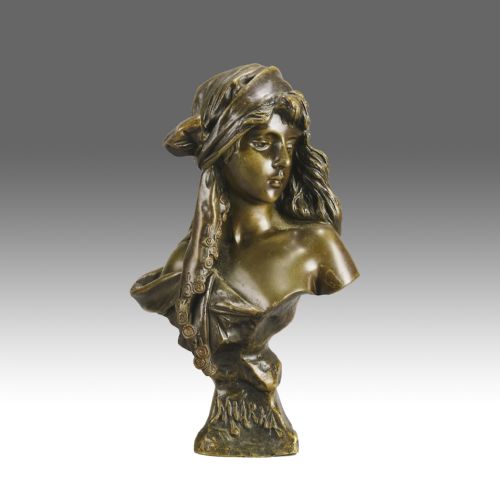
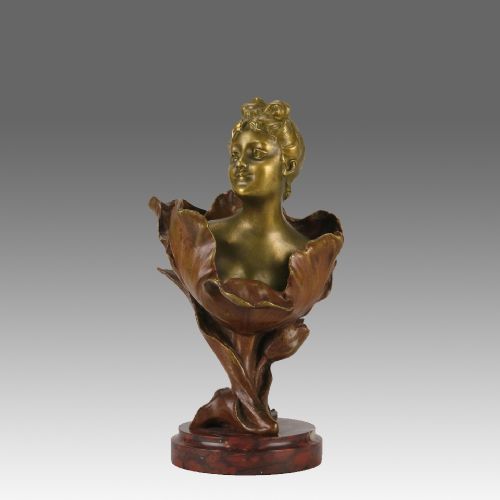
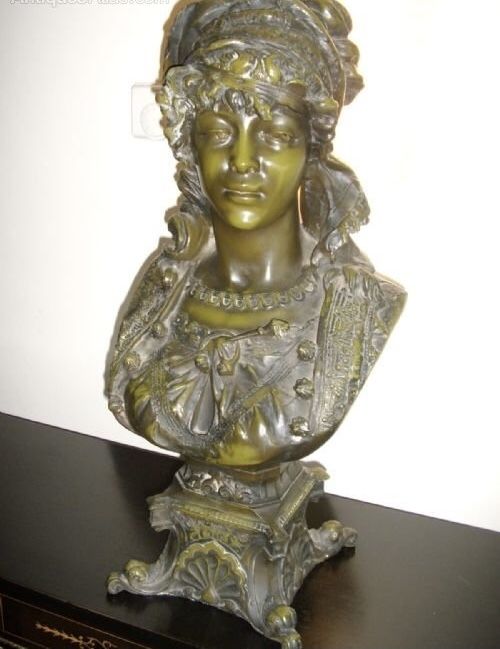
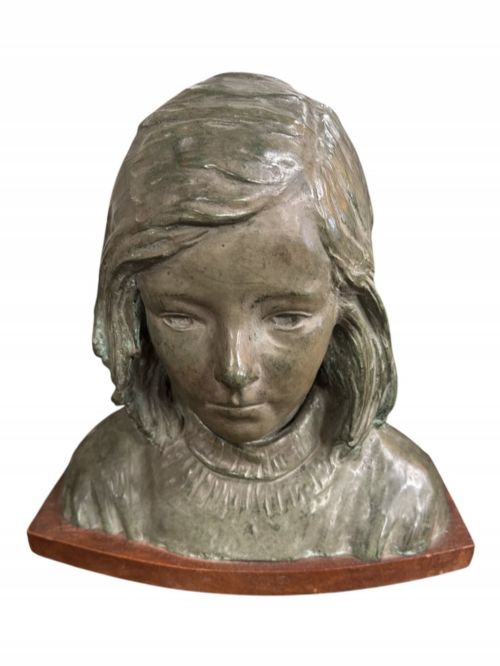
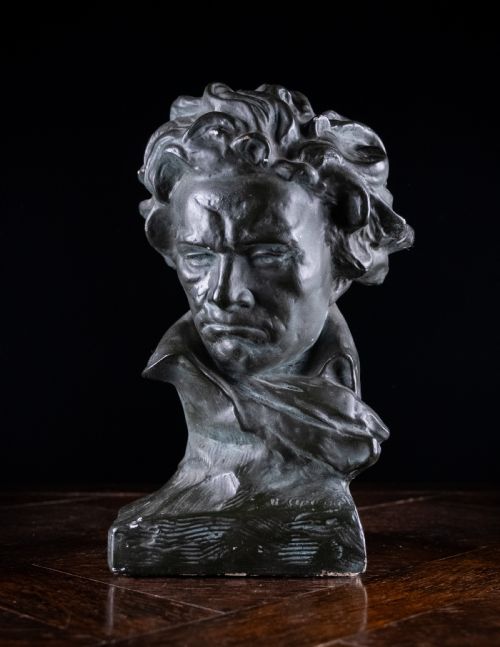
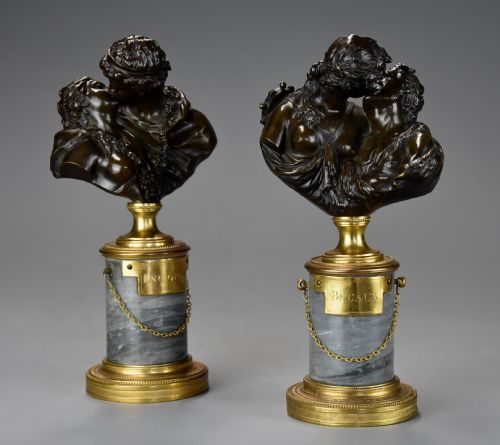
A bronze bust sculpture renders human likeness from the chest or shoulders upwards, cast in durable metal and frequently mounted on a contrasting base. These works range from classical antiquities and mythological figures to portraits of notable historical figures and idealised maidens.
The pieces represented in this selection span the nineteenth century, including specific dates such as 1810 and 1880, alongside broader periods like the nineteenth century. Buyers encounter French Neoclassical taste, Grand Tour souvenirs, and flowing Art Nouveau designs.
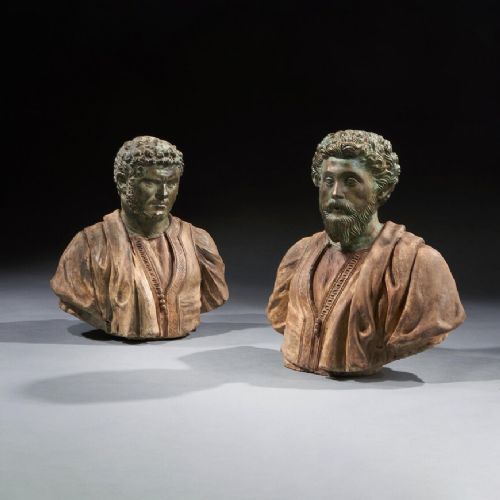
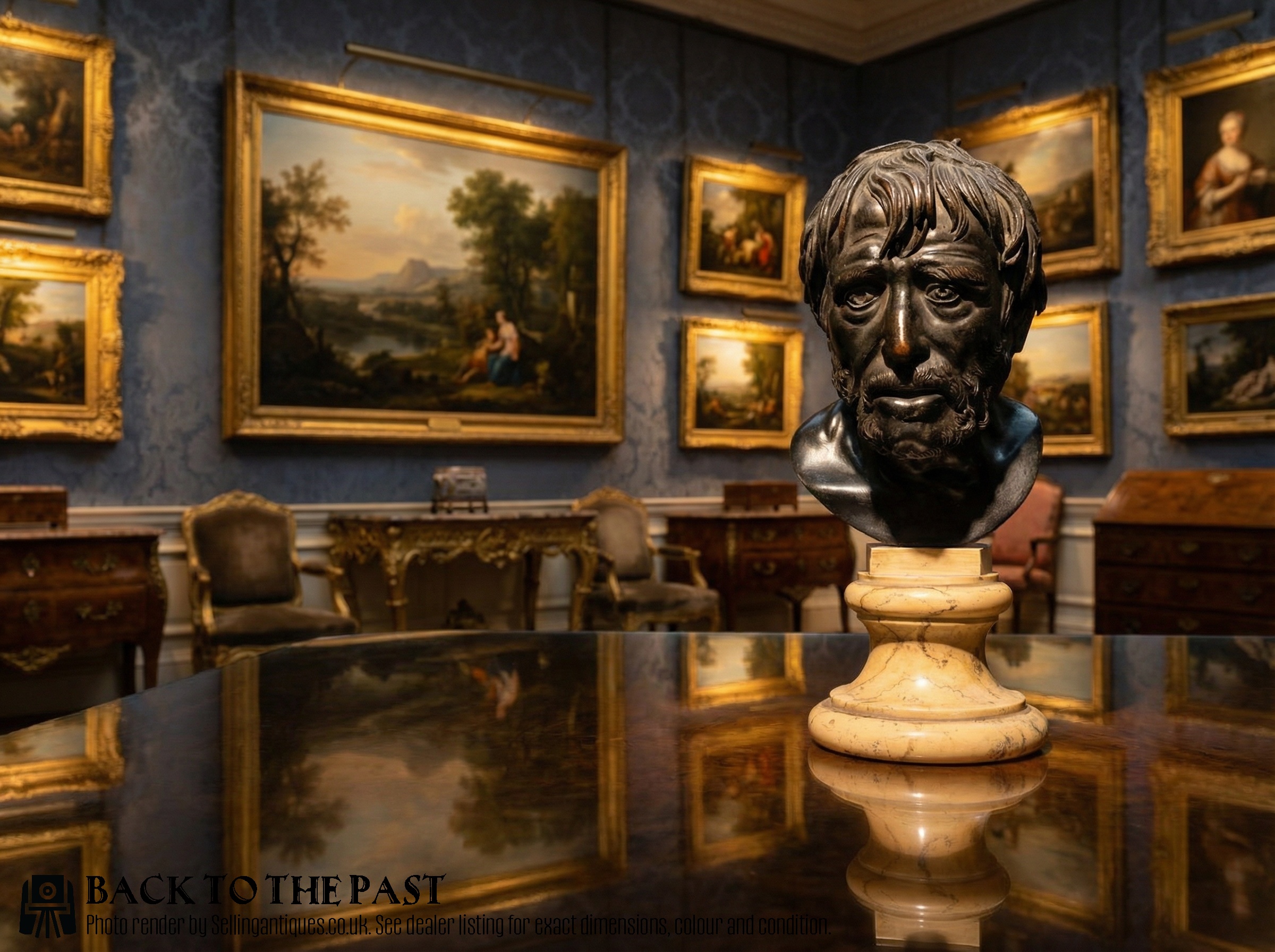
Most examples take the form of portrait busts or miniature figures, sometimes paired or set upon marble plinths. Subjects include classical philosophers like the Pseudo Seneca, historical figures such as William Roscoe, and sculptural interpretations of works by Jean-Antoine Houdon.
How they were made
Many surfaces receive additional treatment, such as dark patination to enhance depth or painted details applied over the metal. Ormolu elements and marble plinths provide structural support and a contrasting textural finish.
Retail Price Guide 2026
Typical UK retail prices for bronze bust sculpture, calculated from the Sellingantiques database of over a million retail prices indexed since 2003. This retail price guide relies exclusively on Sellingantiques data; no external sources or auction records are used, so the figures do not describe the wider market.
Philosophers and historical figures stare out from these nineteenth-century desks, bringing permanent debate to the mantelpiece.
What varies in quality
Quality in a bronze bust sculpture rests on the crispness of the cast and the sensitivity of the chasing work done after casting. Finer pieces retain sharp details in the hair and expression, whereas lesser examples lose definition in the smoothing process.
The choice of supporting materials also elevates a piece, particularly the density of the marble plinth and the richness of the patination. Signatures by known sculptors or founders add archival weight to the work.
Henry Wissen Senior·Jean Antoine Houdon·Bulio·William Spence
The Bronze Bust Sculpture Glossary
- Bronze
- An alloy of copper and tin traditionally used for casting durable sculptures with fine detail. It takes various surface finishes effectively.
- Patinated bronze
- Metal treated with chemical solutions to produce a specific surface colour, ranging from deep brown to near black. This finish protects the metal and highlights sculptural contours.
- Ormolu
- Gilded bronze applied as an ornamental mount or decorative accent. The technique uses mercury gilding on historical pieces to achieve a bright golden sheen.
- Grand Tour
- A cultural journey undertaken by wealthy Europeans in the eighteenth and nineteenth centuries, often resulting in the acquisition of small-scale classical sculptures and busts.
Frequently Asked Questions
What is a bronze bust sculpture?
A bronze bust sculpture is a three-dimensional portrait depicting a person from the chest or shoulders up, cast in metal. These works capture likeness, expression, and historical or mythological character.
They serve as decorative objects and historical records, often displayed on desks, mantels, or dedicated pedestals.
How do I identify nineteenth century pieces?
Nineteenth century pieces often display specific casting techniques, patination styles, and subject matter typical of the period, such as Grand Tour subjects or Neoclassical portraits.
Examining the base materials, mounting methods, and any signature stamps helps confirm the era of production.
Where were these sculptures displayed?
Historically, these sculptures were displayed in studies, libraries, and drawing rooms as indicators of classical learning and refined taste.
Today, they function well on mantelpieces, bookshelves, or wooden pedestals where lighting highlights their metallic contours.
What subjects are most common?
Common subjects include classical philosophers, historical figures, mythological characters, and idealised portraits of women from French and European traditions.
Many pieces reproduce famous works by celebrated sculptors for collectors travelling on the Grand Tour.