


French Neoclassical Bronze
French neoclassical bronze brings classical figures, urns, and clocks into interior spaces with enduring sculptural presence.
Understanding French Neoclassical Bronze
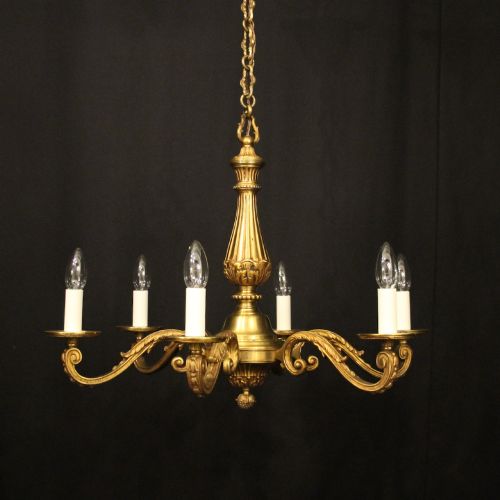
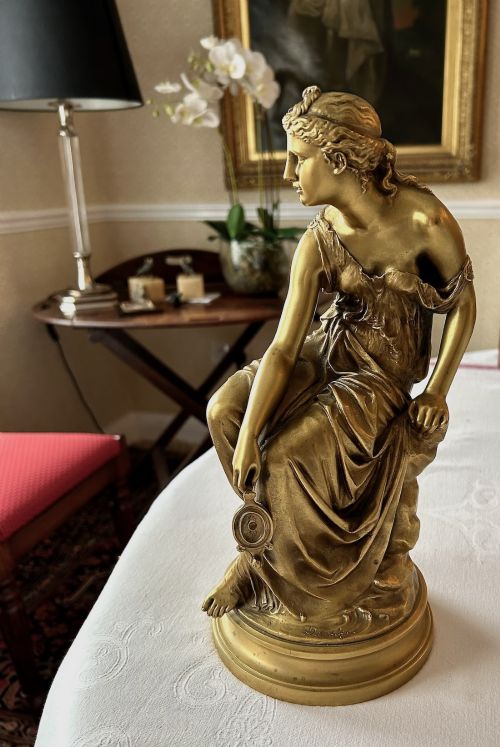
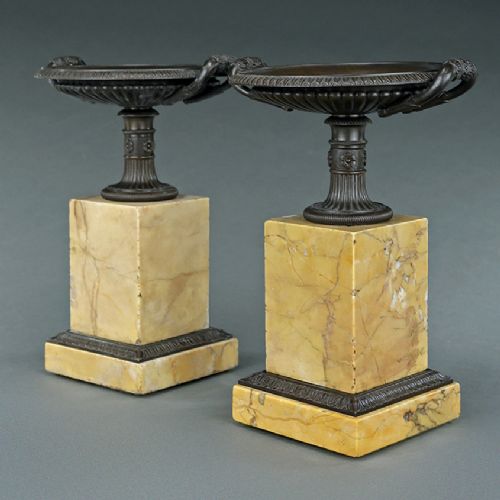
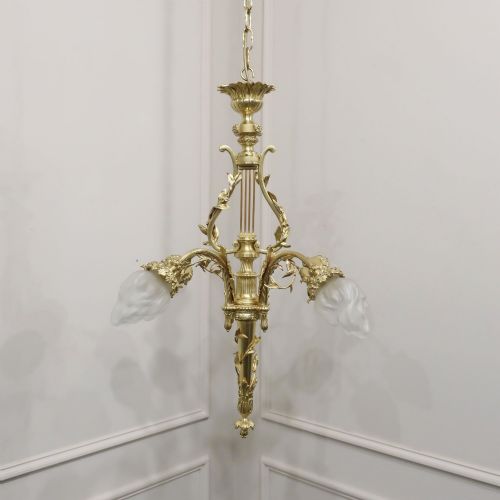
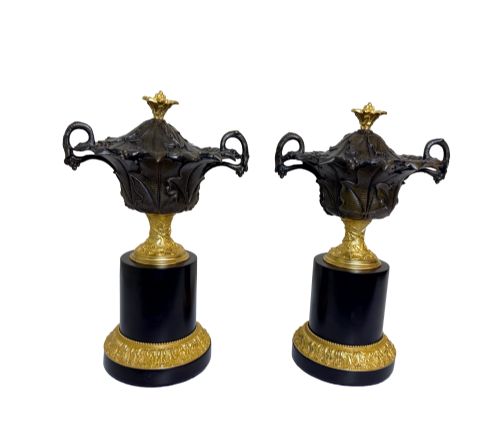
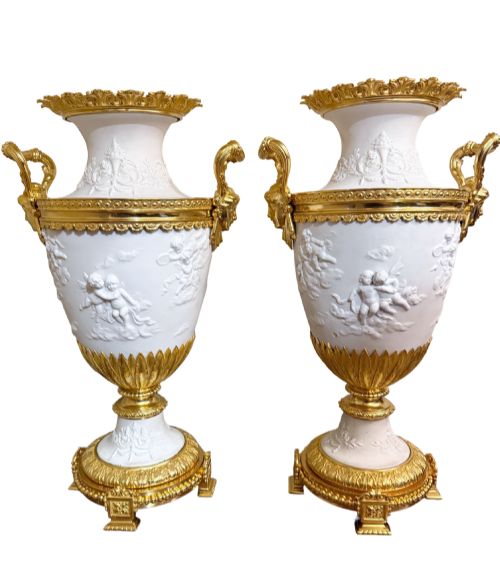
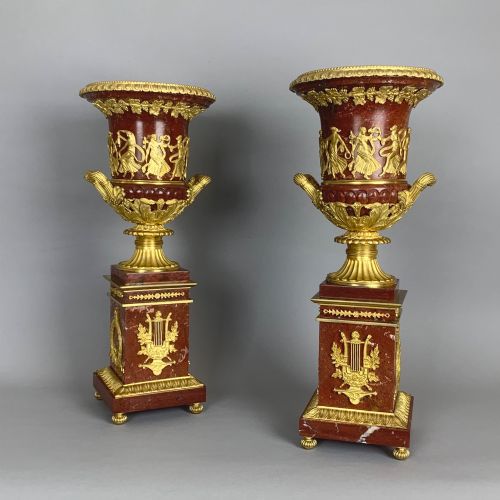
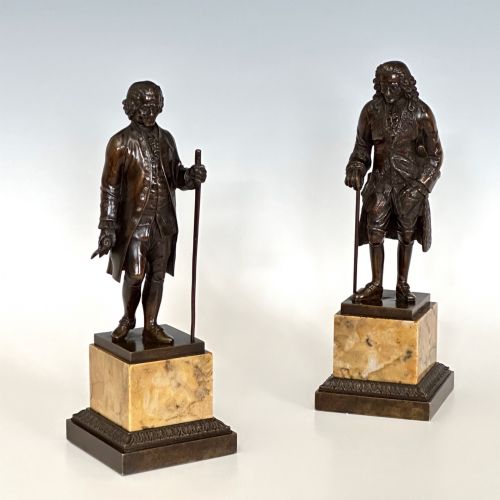
French neoclassical bronze pieces span sculptural figures, decorative urns, wall lights, and mantel clocks influenced by classical antiquity. These works reflect the aesthetic revivals of the nineteenth century, drawing inspiration from ancient Greek and Roman forms.
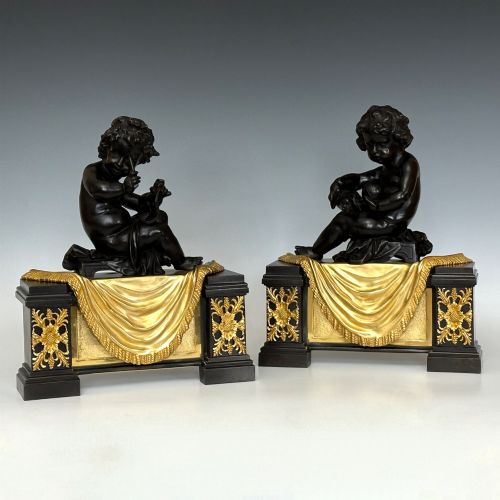
The objects take diverse forms ranging from large robed ladies and seated historical figures to putti, nudes, and mythological subjects like Danaides and Maenad. Miniature figures after sculptors such as Jean Antoine Houdon also appear.
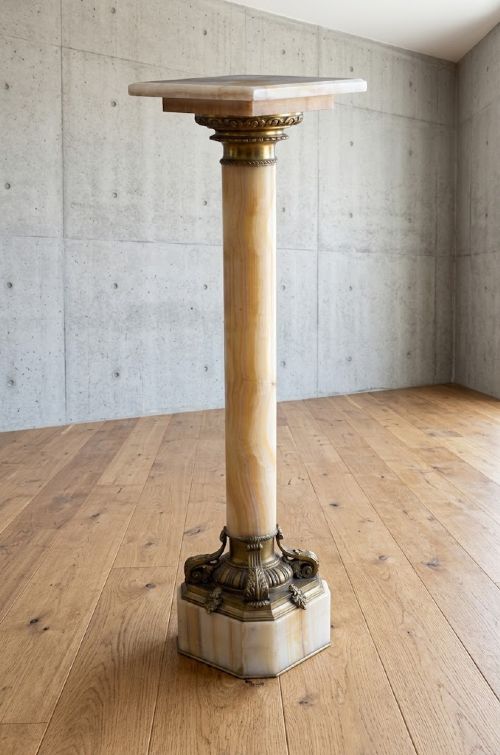
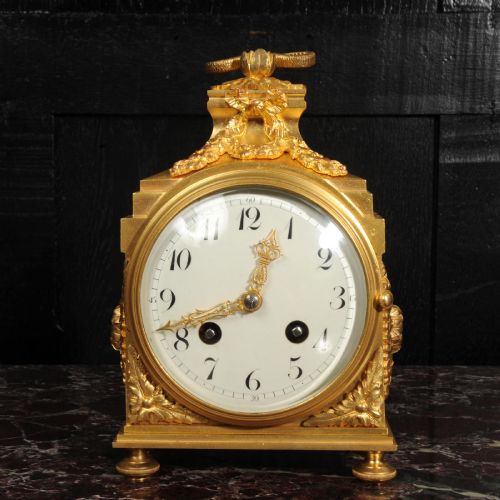
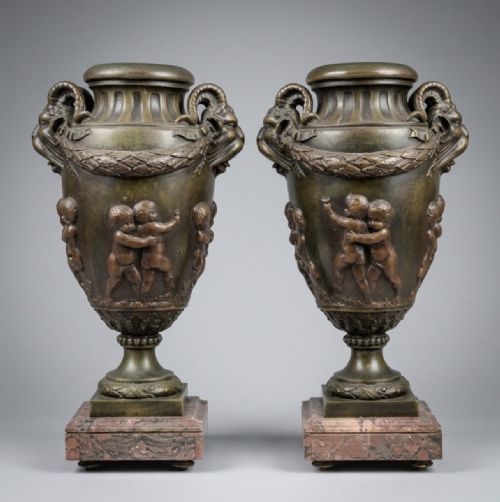
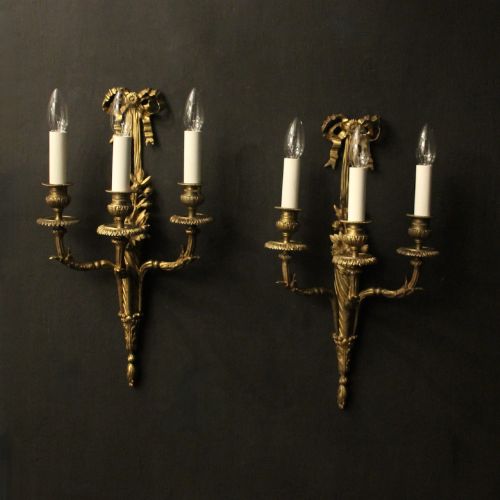
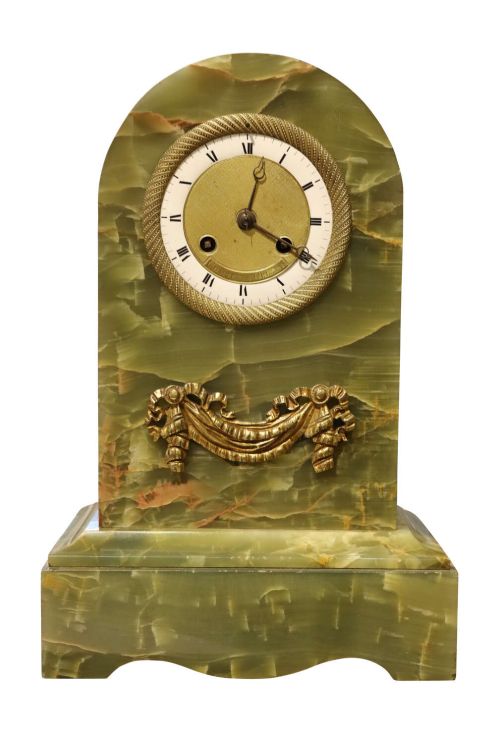
Architectural and ornamental items include gilt bronze and ormolu clock cases incorporating materials like alabaster, black slate, and sienna marble. Pairs of decorative urns and wall lights complete the typical repertoire seen across these listings.
Materials and Construction
The primary material used is bronze, frequently finished with patination to create dark tones or enriched with fire gilding known as ormolu. These metal components are paired with structural and decorative base elements carved from sienna marble, black slate, and alabaster.
Manufacturing methods involve traditional foundry casting techniques, often executed by notable foundries and makers. The resulting metal sculptures and mounts are meticulously chased and fitted to stone bases or functional mechanisms.
Retail Price Guide 2026
Typical UK retail prices for french neoclassical bronze, calculated from the Sellingantiques database of over a million retail prices indexed since 2003. This retail price guide relies exclusively on Sellingantiques data; no external sources or auction records are used, so the figures do not describe the wider market.
Listings feature 19th Century pieces predominantly dated around 1880 and 1890, encompassing sculptures, clocks, urns, and wall lights.
Distinctions in Quality
The integration of mixed materials also defines the tier of an object, seen in the selection of richly variegated sienna marble or finely turned alabaster versus plain slate. Superior execution extends to the precision of cast mounts and the harmony between the bronze sculpture and its stone or clock base.
Jean Antoine Houdon·James Pradier·Susse Freres·Leon Pilet·Etienne Dumaige·Japy Freres
The French Neoclassical Bronze Glossary
- Bronze
- An alloy of copper and tin utilised for casting sculptural figures, clock mounts, and decorative urns. It accepts both dark patination and mercury gilding.
- Ormolu
- A technique of applying finely ground high-carat gold to a bronze object using mercury. This creates a brilliant golden finish characteristic of decorative mounts and clock cases.
- Patinated Bronze
- Metal treated with chemicals to produce a controlled surface colour, typically dark brown or black. This finish highlights the sculptural contours and contrasts with gilt highlights.
- Neoclassical
- A cultural movement drawing inspiration from the classical art and culture of ancient Greece and Rome. It prioritises symmetry, restraint, and mythological or historical subjects.
- Alabaster
- A fine-grained translucent stone used for bases and architectural elements in decorative clocks and urns. Its pale quality contrasts with dark bronze figures.
Frequently Asked Questions
What is a French neoclassical bronze clock?
These mantel clocks combine functional timekeeping movements with sculptural bronze cases mounted on materials like black slate, sienna marble, or alabaster. They frequently incorporate neoclassical architectural motifs and figures.
Such pieces served as both practical timepieces and decorative garnitures for nineteenth-century interiors.
How do I identify a nineteenth-century casting?
Nineteenth-century pieces often exhibit specific foundry marks, distinct patination styles, and traditional casting methods associated with periods like the 1880s and 1890s. The stylistic treatment of robed figures and mythological subjects aligns with historical revival movements.
Examining the underside and the crispness of the chase work helps determine the manufacturing era.
Where were these bronze pieces placed originally?
Large sculptures and mantel clocks typically occupied prominent positions on mantelpieces, pedestals, or entrance halls in nineteenth-century homes. Smaller figures and urns were displayed on side tables and desks as refined ornamental objects.
Wall lights were fixed directly to walls to provide illumination paired with decorative symmetry.
What is the difference between bronze and ormolu?
Bronze is the base copper alloy used to cast the physical form of the sculpture or mount. Ormolu refers specifically to the applied gold-mercury finish that gives certain bronze elements a bright yellow-gold appearance.
Many pieces combine patinated dark bronze with polished ormolu highlights for visual contrast.