



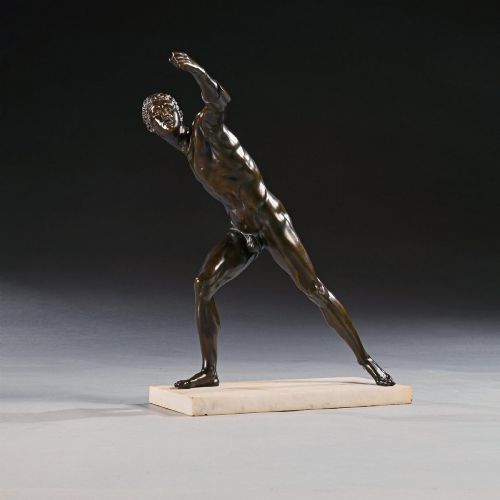
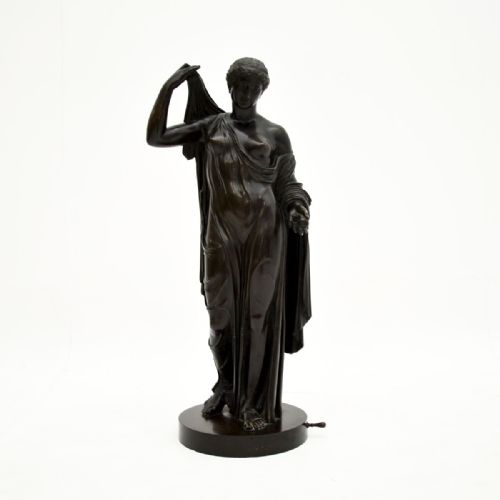
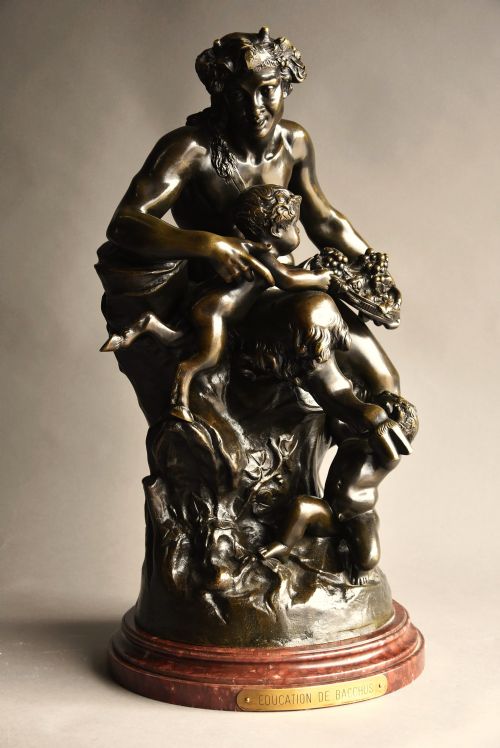
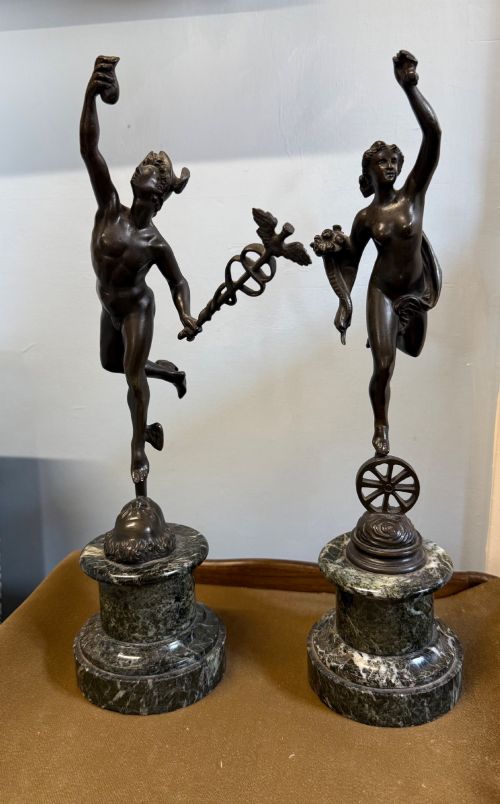
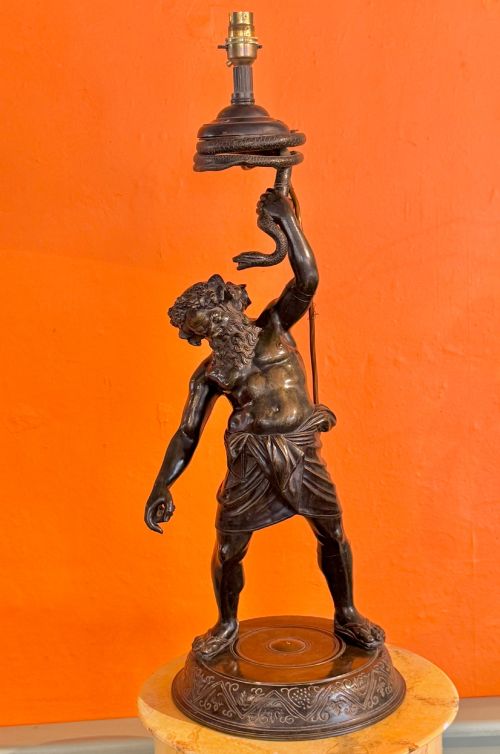
Grand Tour Bronze Figure
Collecting a grand tour bronze figure brings classical sculpture and continental travel history directly into a study or drawing room.
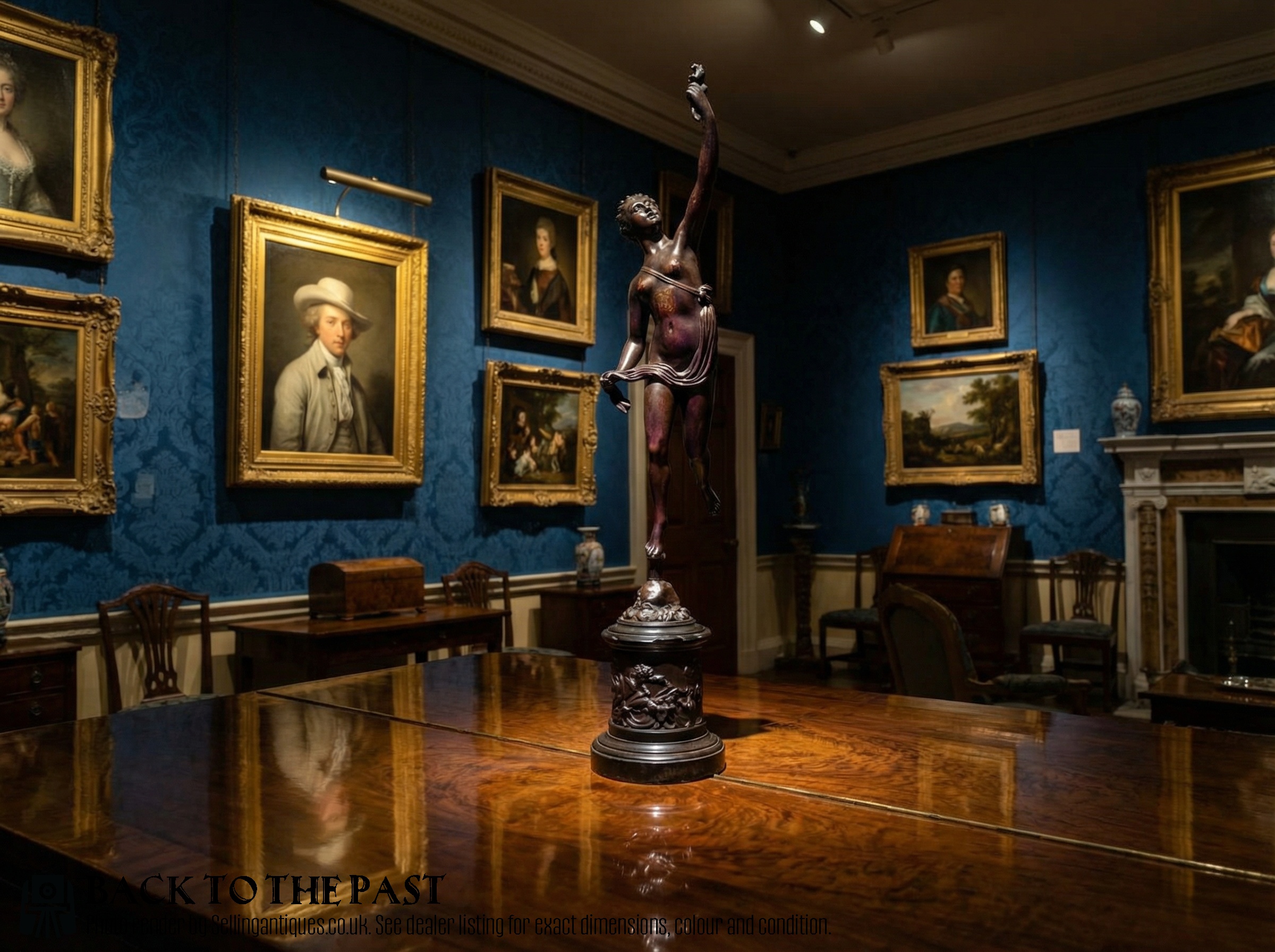
Grand Tour Bronze Figure
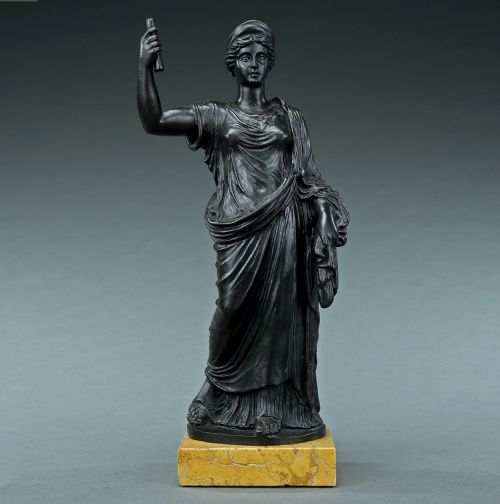
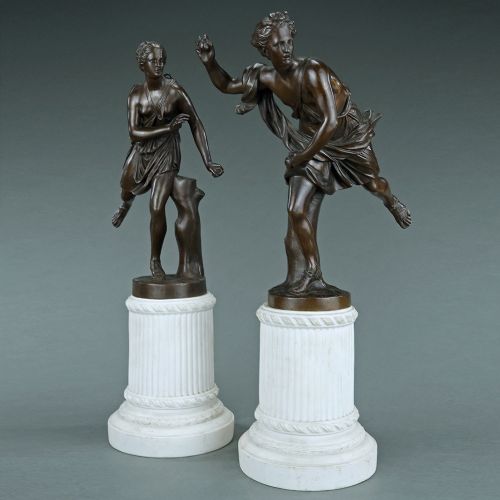
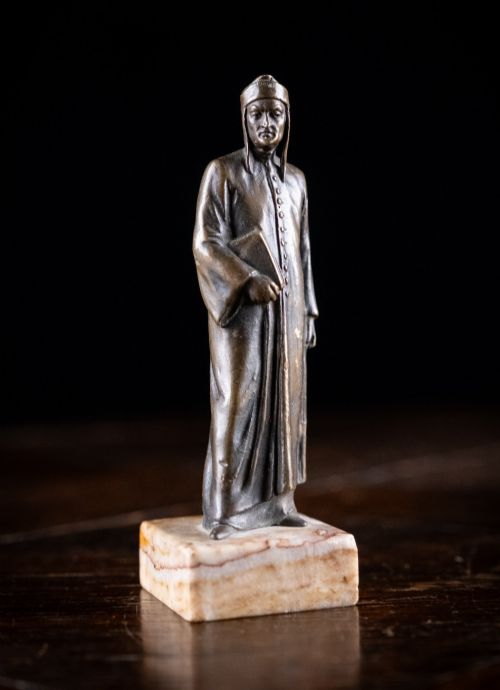
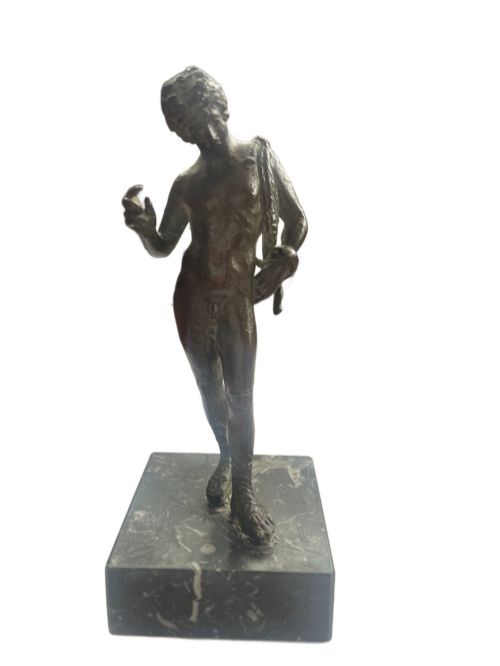
A grand tour bronze figure represents classical statuary, mythological subjects, and Renaissance masterpieces collected by travellers during journeys through Italy and France. These pieces typically take the form of reduced-scale copies of famous antiquities found in European museums and excavations.
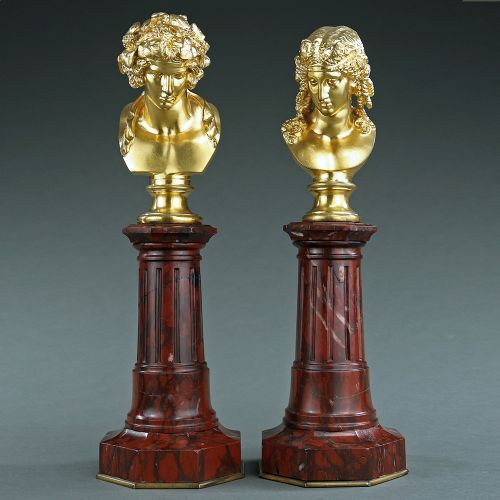
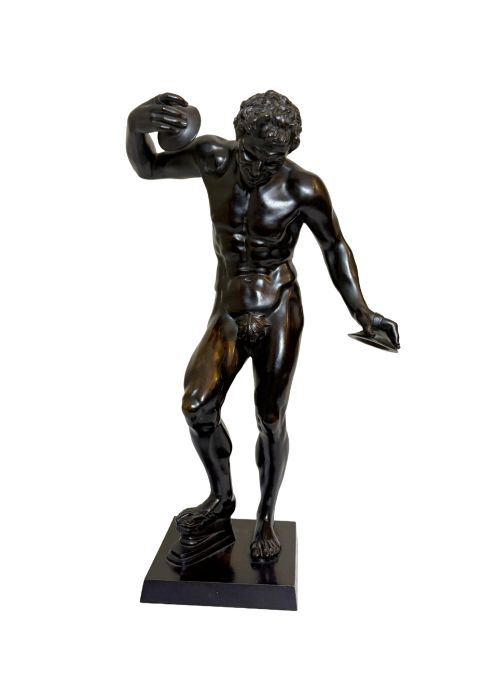
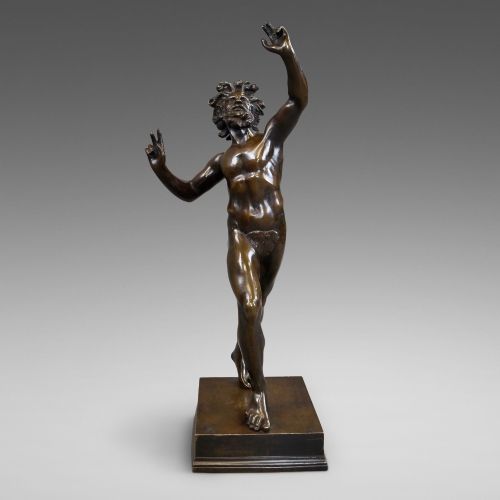
The selection ranges from dancing fauns and mythological deities to Roman soldiers and portrait busts of historical figures. Many examples stand mounted upon integral or separate marble plinths, including varieties such as red marble, fossil marble, and Siena marble.
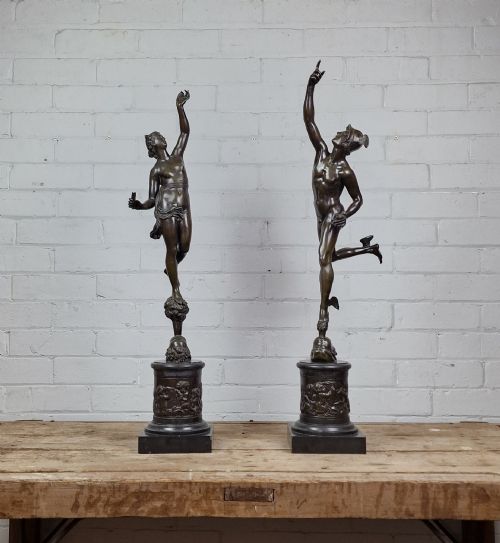
Originating largely from 19th-century foundries in France and Italy, these souvenir bronzes span periods from the 1850s through to the early 20th century. Buyers encounter single figures, matched pairs, and occasional functional adaptations such as lamps.
Materials and Casting Methods
Foundries utilised traditional lost-wax casting and sand-casting techniques to replicate intricate details from ancient and Renaissance models. Metal alloys varied from standard bronze to patinated metal and spelter, often finished with chemical patination yielding dark brown, verdigris, or green tones.
Grand Tour Bronze Figure Retail Price Guide 2026
Typical asking prices for grand tour bronze figure among the pieces listed under this phrase on Sellingantiques today, from the lower quarter to the upper quarter. They describe what is for sale here now, not the wider market.
Several figures depict tipsy classical deities, including multiple variations of drunken fauns resting from festivities.
Factors Determining Quality
Quality rests upon the crispness of the chasing and the fidelity of the reduction from the original monumental sculpture. Superior examples retain sharp anatomical details, clean texturing on hair and drapery, and careful integration with the stone base.
Foundry marks and signatures from established makers separate standard workshop output from premier studio productions. The depth, stability, and hand-applied nuance of the surface patina further distinguish finer artistic souvenirs from ordinary commercial castings.
Ferdinand Barbedienne·G. Amodio·Nelli Rome·Émile Louis Picault
The Grand Tour Bronze Figure Glossary
- Patina
- The chemical or natural surface coloration developed on bronze over time or applied deliberately by the founder. This finish enhances the visual depth and protects the underlying metal.
- Lost-wax casting
- A method of metal casting where a molten metal is poured into a mould that has been created by means of a wax model. The wax is melted and drained away prior to the pour.
- Spelter
- A zinc alloy frequently used as a cheaper substitute for bronze in 19th-century figures. It is softer and lighter than genuine bronze.
- Neoclassical
- An artistic style inspired by the classical art and culture of ancient Greece and Rome. This movement heavily influenced the subjects chosen for souvenir sculptures.
- Chasing
- The manual finishing of a cast metal object using hammers and punches to refine details and remove casting flaws. High-grade pieces show extensive hand-chasing.
Grand Tour Bronze Figure: Frequently Asked Questions
What is a grand tour bronze figure?
These pieces are miniature or reduced-scale bronze sculptures purchased by 19th-century travellers visiting European cultural sites. They served as tangible records of classical art seen during educational journeys abroad.
Foundries in Naples, Rome, and Paris produced them after famous museum statues, ancient excavations, and Renaissance masterworks.
How do I distinguish bronze from spelter?
Genuine bronze possesses a heavier weight, a resonant ring when tapped gently, and a harder surface that resists scratching. Spelter is a softer zinc alloy that feels lighter and shows a duller sound.
Examining the underside or areas of wear often reveals the paler grey metal beneath a worn spelter finish.
Why are some figures mounted on marble?
Marble bases provided stability for slender or dynamic standing figures while mimicking the presentation of museum statuary. Makers utilised decorative stones such as Siena, red marble, and fossil marble to enhance the decorative appeal.
These plinths are frequently integral to the sculpture design or fitted with threaded bolts through the base.
How should I clean a bronze sculpture?
Dusting gently with a soft, dry microfibre cloth is sufficient for routine maintenance. Avoid using water, household detergents, or metal polishes, which strip the patination and damage the surface.
Applying microcrystalline wax very sparingly can help protect the patina if handled frequently.