

French Grand Tour Bronze
These French grand tour bronze pieces bring classical antiquity and nineteenth century architecture directly to a desk or mantelpiece.
French Grand Tour Bronze
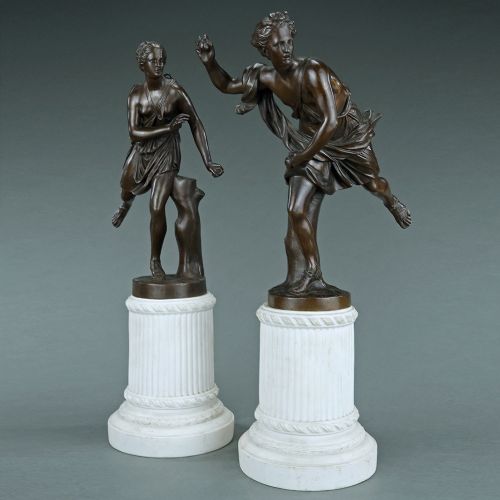
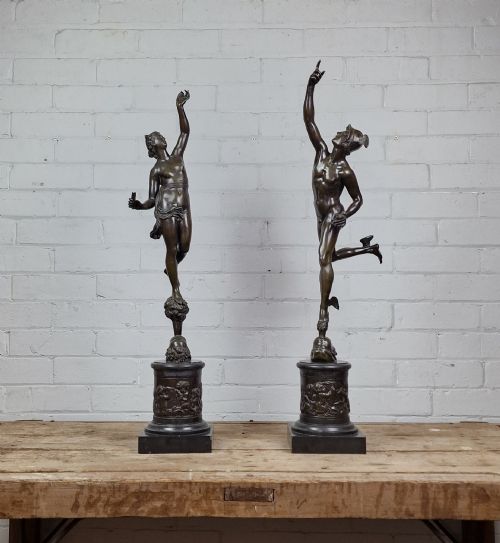
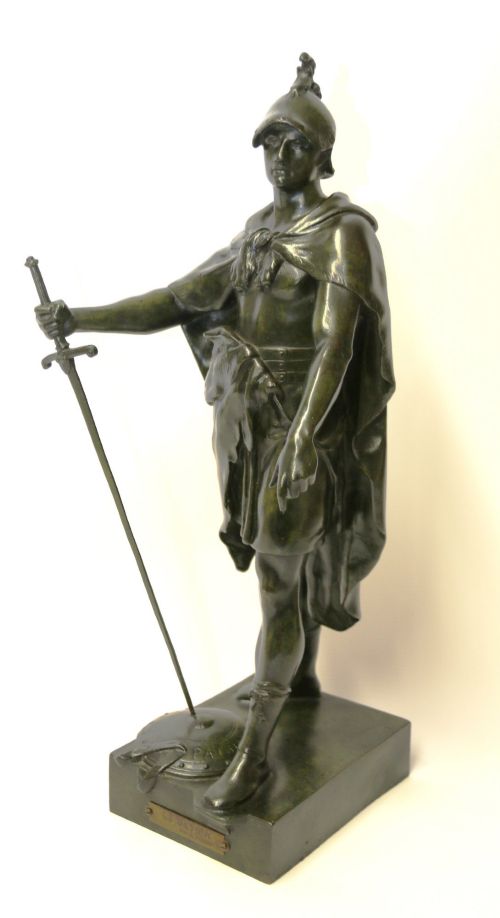
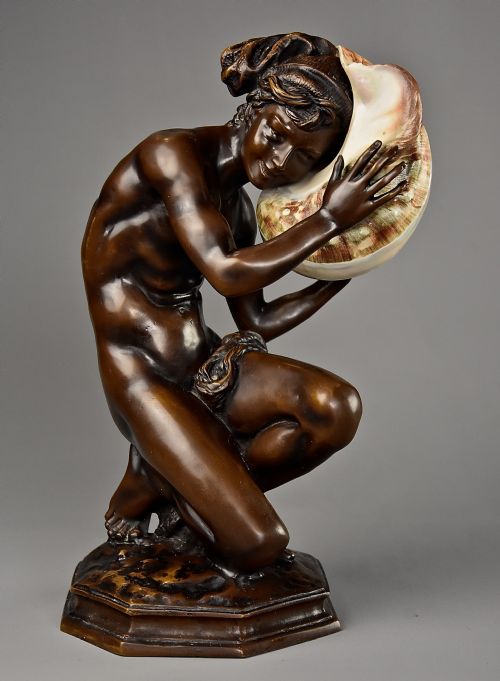
A French grand tour bronze represents a physical souvenir of nineteenth century European travel, capturing classical sculpture and famous architectural monuments in miniature scale. Collectors encounter reduction casts of ancient statues alongside models of triumphal columns, arches, obelisks, and urns.
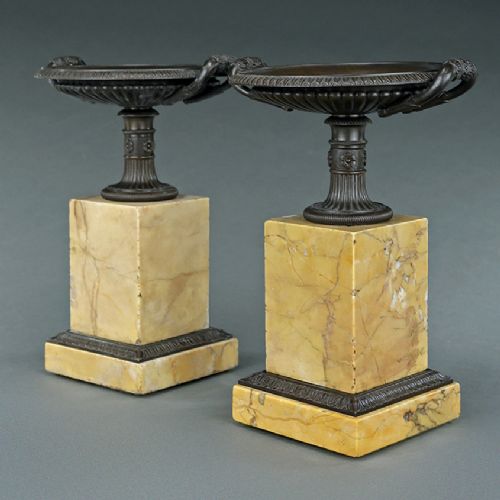
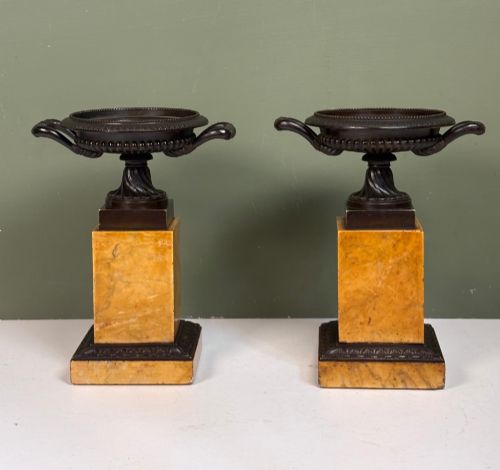
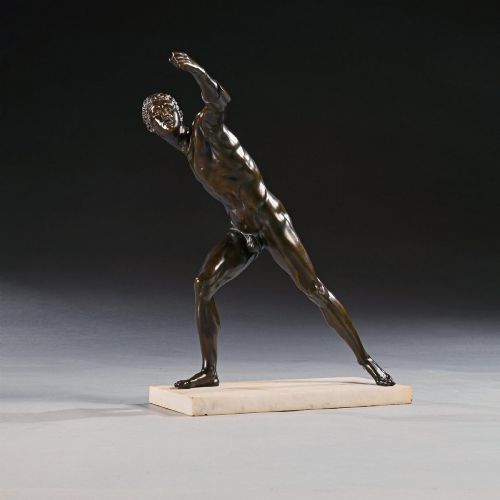
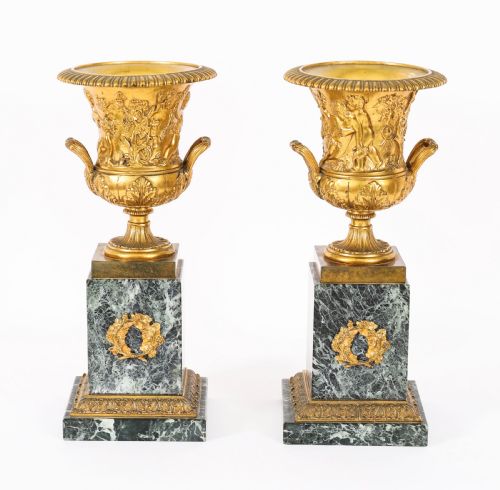
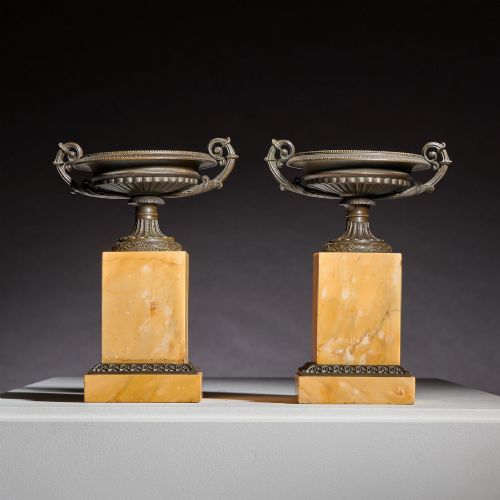
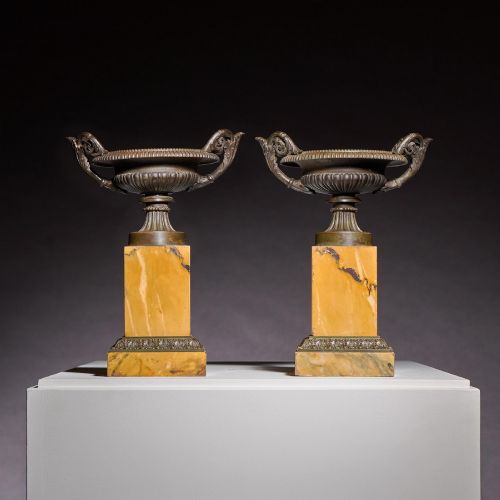
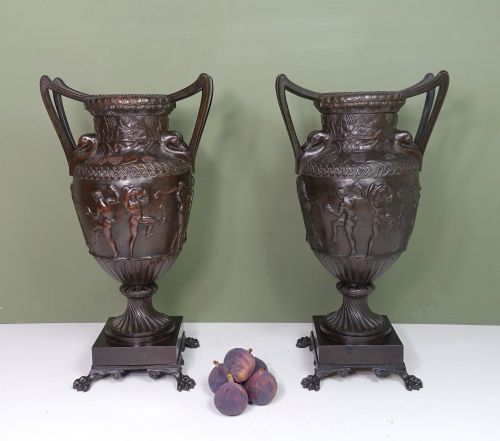
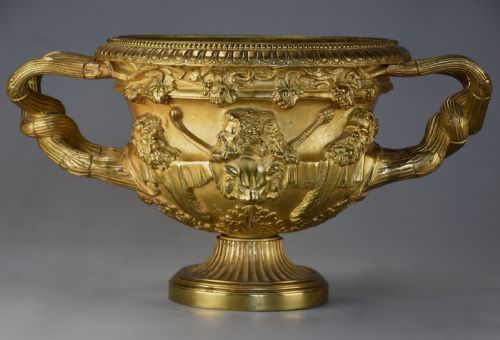
The objects span figures after the antique such as the Dancing Faun, Borghese Gladiator, and Dying Gaul, alongside architectural models of the Vendome Column and Arc de Triomphe. Neoclassical urns, tazze, and wall mirrors complete the domestic display pieces brought home by travellers.
Materials and construction
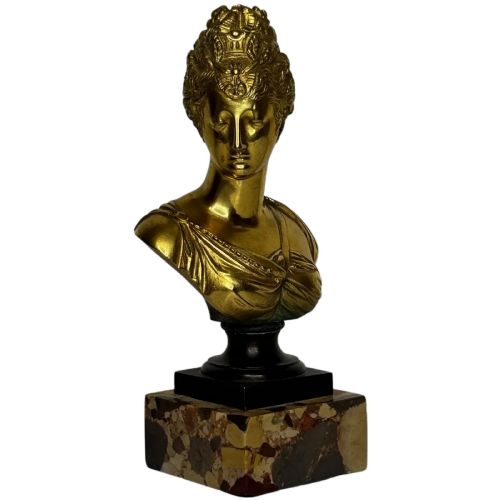
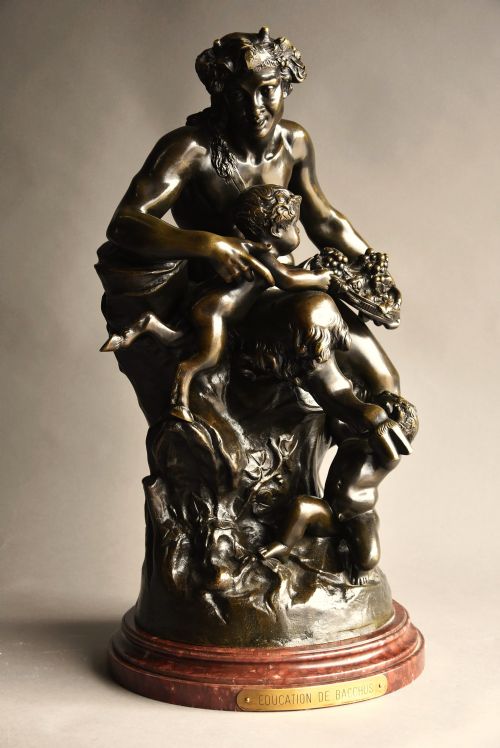
Foundries cast these works primarily in bronze, frequently applying gilt, ormolu, or silvered finishes to highlight architectural detail and sculptural contours. Certain decorative objects combine cast metal with carved Siena marble bases or pedestals.
Makers produced these souvenir reductions using lost-wax or sand casting methods to replicate the proportions of monumental classical works. Foundry marks occasionally identify the workshop responsible for the patination and assembly.
French Grand Tour Bronze Retail Price Guide 2026
Typical asking prices for french grand tour bronze among the pieces listed under this phrase on Sellingantiques today, from the lower quarter to the upper quarter. They describe what is for sale here now, not the wider market.
Travellers evidently required miniature bronze obelisks and Roman gladiators to prove they successfully navigated nineteenth-century traffic.
Distinctions in quality
Quality rests upon the crispness of the chase work and the fidelity of the reduction from the original monument or statue. Superior examples retain sharp facial expressions, legible architectural inscriptions, and deep patination without soft edges.
The integration of materials also defines the tier of a piece, such as heavy bronze castings paired with dense Siena marble rather than lighter mounted elements. Foundries known for high-standard editions deliver greater precision in the final surface finish.
Duchemin·Simon Louis Boizot·Ferdinand Barbedienne foundry
The French Grand Tour Bronze Glossary
- Grand tour
- Nineteenth century travel practice where affluent young men toured cultural sites in Italy and France, purchasing souvenirs.
- Reduction
- A small-scale copy of a large monument or marble sculpture produced for domestic display.
- Ormolu
- Finely ground high-carat gold applied to bronze through a mercury amalgamation process or electroplating.
- Tazza
- A shallow saucer-like ornamental cup or vase, often raised on a stem and foot.
- Patina
- The surface coloration and sheen developed naturally over time or applied chemically by the foundry.
French Grand Tour Bronze: Frequently Asked Questions
What is a grand tour bronze?
These metal sculptures and architectural models served as high-end souvenirs for nineteenth-century travellers visiting European cultural capitals.
They allowed collectors to bring miniature representations of ancient ruins and canonical art back into their private homes.
How do I identify the subject?
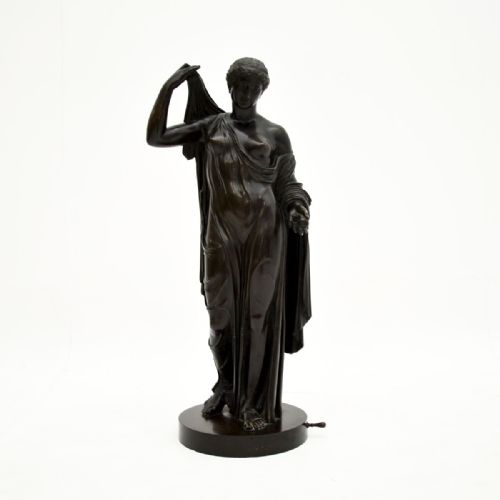
Many figures replicate famous classical statues housed in European museums, such as gladiators, fauns, and mythological deities.
Architectural models depict well-known landmarks like Parisian arches, columns, and Egyptian obelisks scaled down for display.
Are these pieces solid bronze?
Most works consist of hollow-cast bronze, sometimes mounted onto heavy stone plinths or combined with marble components.
Surface finishes vary from dark patinated metal to gilded or ormolu highlights applied across the cast.
Where were they displayed?
Victorian collectors typically placed these items on mantelpieces, libraries, desks, or specialised display cabinets.
They functioned simultaneously as conversational travel tokens and demonstrations of classical learning.