

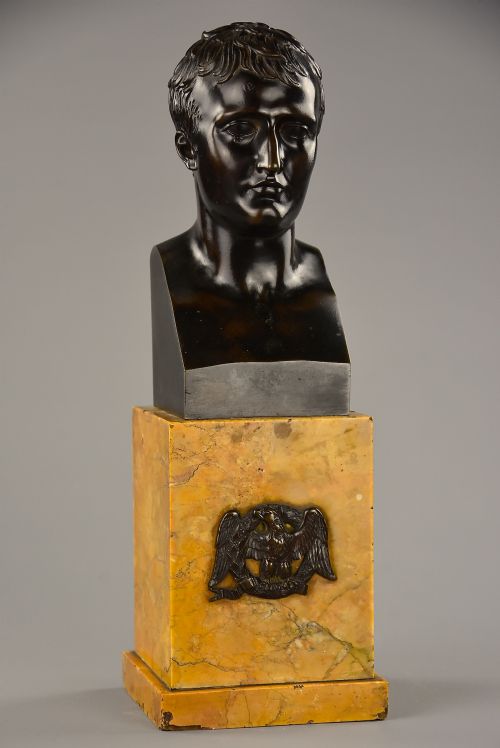


French Empire Bronze Sculpture
These french empire bronze sculpture works bring classicism and weight to a room, combining cast metal with heavy marble bases.
French Empire Bronze Sculpture
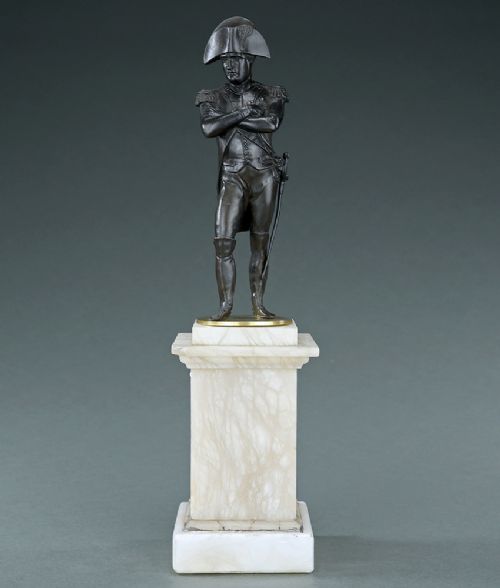
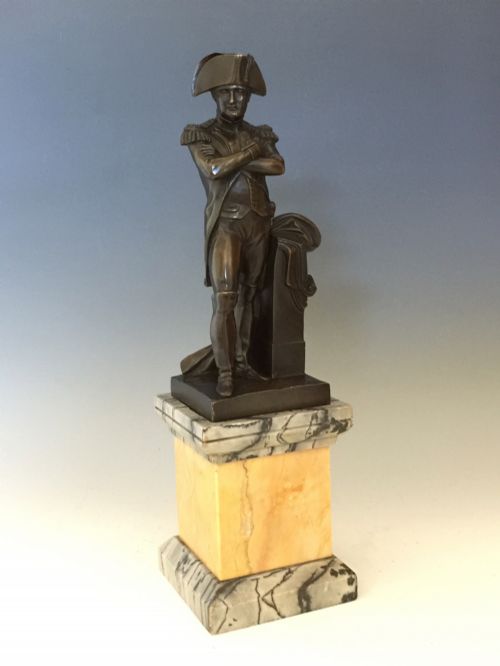
When you search for french empire bronze sculpture, you encounter cast figures, mantel clocks, and desk accessories originating from nineteenth-century France. The selection on this page relies heavily on historical subjects like Napoleon Bonaparte alongside classical mythological figures mounted on stone plinths.
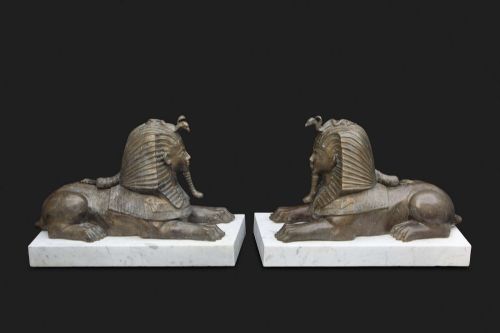
Most pieces date across the nineteenth century, utilising styles from neoclassical to Egyptian Revival and French Second Empire. Figures range from cabinet-size statuettes to monumental architectural models and figural torchères.
The forms extend beyond single figures into functional objects such as inkstands, caskets, and clock garnitures. These items integrate patinated and gilt metals with marble bases to create balanced ornamental centrepieces.
How They Were Made
Foundries employed traditional sand casting and lost-wax methods to form the metal figures from copper alloys. Artisans then chased the surfaces by hand with chisels and files to sharpen details in hair, drapery, and armour before applying patination.
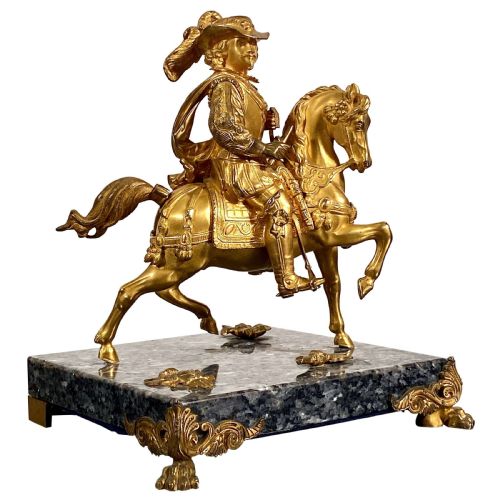
Gilt bronze and ormolu components underwent mercury gilding or electroplating to achieve a durable golden finish that contrasted against dark patinated bronze or coloured marble bases. Stones such as Carrara and green marble were cut and polished to form heavy plinths and architectural columns.
Materials recorded across the inventory include bronze, gilt bronze, ormolu, patinated bronze, marble, green marble, enamel, and glass.
What Varies in Quality
The refinement of the hand-chasing separates standard foundry output from exceptional sculptural work. Superior casts retain crisp facial expressions, distinct costume details, and clean separation between patinated and gilt surfaces without obscuring tool marks.
The integration of the sculpture with its marble or bronze mount dictates structural integrity. High-grade examples utilise heavy, well-veined marble plinths secured with original threaded bolts rather than loose or mismatched replacement fixings.
Emile Guillemin·Charpentier Paris·Victor Paillard·James Pradier·Albert Carrier Belleuse·Japy Freres·Simon Louis Boizot
The French Empire Bronze Sculpture Glossary
- Ormolu
- Gilded bronze produced by applying a gold and mercury amalgam to a bronze base and heating it. This technique creates a rich golden surface found on nineteenth-century mounts and clock cases.
- Patinated bronze
- Metal treated with chemical solutions to produce a darkened surface finish. This treatment highlights sculptural contours and protects the underlying alloy.
- Grand Tour
- Nineteenth-century travel practice where affluent collectors acquired miniature bronzes, columns, and architectural models. These souvenirs replicated ancient and neoclassical monuments.
- Clock garniture
- A set comprising a central mantel clock accompanied by matching side pieces such as candelabras or urns. They formed coordinated decorative schemes for nineteenth-century interiors.
- Plinth
- A heavy rectangular or cylindrical base, often made of marble, that supports a bronze sculpture or clock. It provides visual weight and stability to the object.
French Empire Bronze Sculpture: Frequently Asked Questions
How do I clean french empire bronze sculpture?
Dust surfaces gently with a soft dry brush to prevent accumulation in crevices. Avoid chemical cleaners or water, which can strip historic patination and damage gilt or marble components.
Wax polish should be used sparingly on metal surfaces only if necessary, following specialist conservation guidelines. Marble bases require simple wiping with a dry or slightly damp cloth.
What is the difference between bronze and ormolu?
Bronze is a copper alloy used to cast the primary figure or structural form. Ormolu refers specifically to the gilded bronze elements applied as highlights or decorative mounts.
Many nineteenth-century pieces combine both materials to create contrast between dark patinated figures and bright golden details.
Where were these sculptures displayed originally?
Nineteenth-century interiors featured these works on mantelpieces, library tables, and pedestals in reception rooms. Clock garnitures anchored drawing room hearths, while smaller bronzes decorated studies.
Grand Tour models and busts were typically kept in libraries or cabinet rooms to signal scholarly interests.
How do I identify the period of a piece?
Examine the casting quality, the type of marble used for the base, and any foundry stamps or signatures inscribed on the metal. Stylistic clues such as neoclassical drapery or Egyptian Revival motifs point towards specific nineteenth-century decades.
Comparing the assembly screws and internal clock movements, where applicable, helps confirm manufacturing dates.