

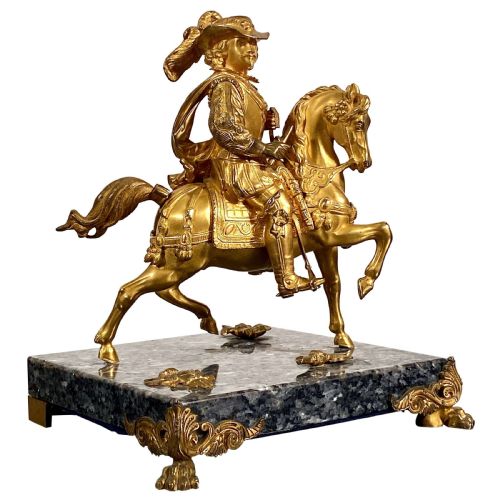


French Equestrian Ornament
French equestrian ornament brings the spirit of the horse and rider into the room through master bronze and marble sculpture.
French Equestrian Ornament
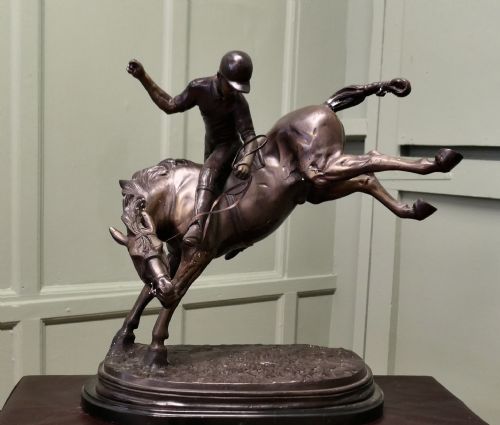
French equestrian ornament encompasses bronze sculptures, statues, and figurines depicting horses, riders, and historic figures on horseback. Buyers examining these pieces encounter works representing subjects from the nineteenth century onward, including polo players, stallions, and figures such as Napoleon and Charles I.
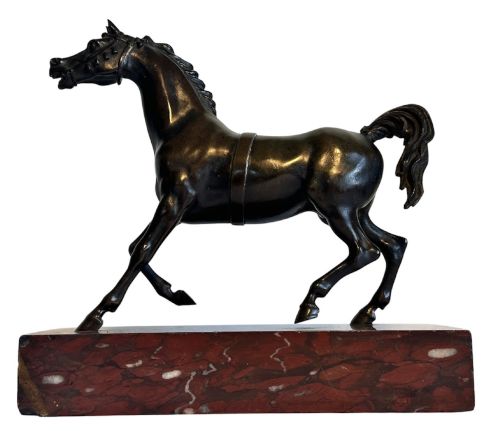
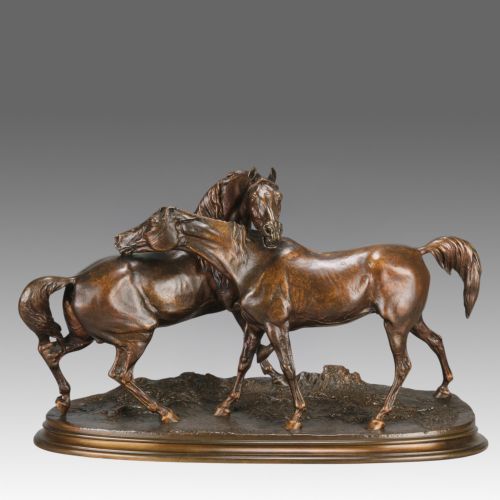
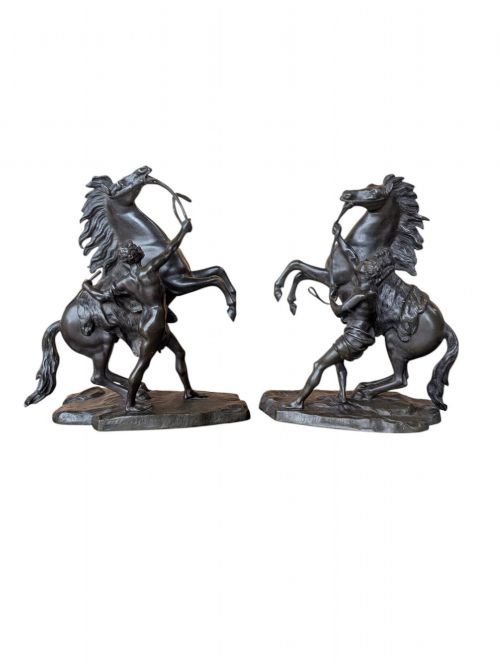
The objects frequently combine cast bronze figures mounted upon marble bases. Many pieces reflect the French Animalier school, capturing animals in dynamic motion, alongside neoclassical interpretations and signed works by notable sculptors.
How they were made
The makers utilised traditional metal casting techniques to produce detailed bronze and patinated bronze figures. Artisans applied gilt bronze and ormolu finishes to highlight specific details on statues and statuettes.
Finished metal sculptures were securely mounted onto carved marble bases, including green marble, providing stability and weight to the composition.
Listings feature bronze and marble materials across nineteenth-century periods, including Victorian and Edwardian examples.
What varies in quality
The finesse of the casting and the crispness of the chiselling distinguish finer sculptures from simpler productions. Master modellers achieved realistic musculature and anatomical accuracy that lesser workshops failed to capture.
The quality of the patination and gilding plays a significant role in the overall success of the piece. Superior examples exhibit harmonious colouration and carefully preserved surface treatments that enhance the depth of the metal.
P J Mêne·Charles Crozatier·Pierre Jules·Isidore Bonheur·Paul Joseph Gayrard
The French Equestrian Ornament Glossary
- Animalier
- A nineteenth century artistic movement focused on the realistic depiction of animals. Sculptors in this tradition studied anatomy closely to render horses and hounds with lifelike energy.
- Patinated bronze
- Bronze treated with chemical solutions to produce a specific surface colouration. This finish protects the metal and adds tonal depth to the sculpture.
- Ormolu
- Finely ground high-carat gold applied to a bronze base using a mercury amalgam technique. The resulting surface offers a brilliant golden lustre.
- Marble base
- A plinth cut from stone to support and elevate a sculpture. Green and white varieties are common among nineteenth century French pieces.
French Equestrian Ornament: Frequently Asked Questions
What is french equestrian ornament?
French equestrian ornament refers to nineteenth century bronze sculptures and figures depicting horses and riders. These works range from classical figures on horseback to dynamic animalier studies.
Collectors prize them for their detailed metalwork and association with prominent French foundries and sculptors.
How were these bronzes displayed?
These figures typically stood upon heavy marble bases designed to anchor the composition on desks, mantelpieces, or dedicated display tables. Their weight and sturdy construction allowed them to serve as permanent interior ornaments.
In period interiors, they demonstrated an appreciation for fine art and horsemanship.
What distinguishes animalier bronzes?
Animalier bronzes focus intently on the accurate musculature, movement, and behaviour of animals. Artists observed horses in motion to render tension and power realistically.
This approach broke from rigid academic traditions by celebrating the natural form.
How do I care for bronze sculpture?
Bronze requires minimal maintenance beyond gentle dusting with a soft, dry cloth. Avoid using commercial metal polishes, which can strip the historic patination and damage the surface.
Keeping the piece away from direct moisture preserves the metal and the supporting marble base.