


19th Century Bronze Column
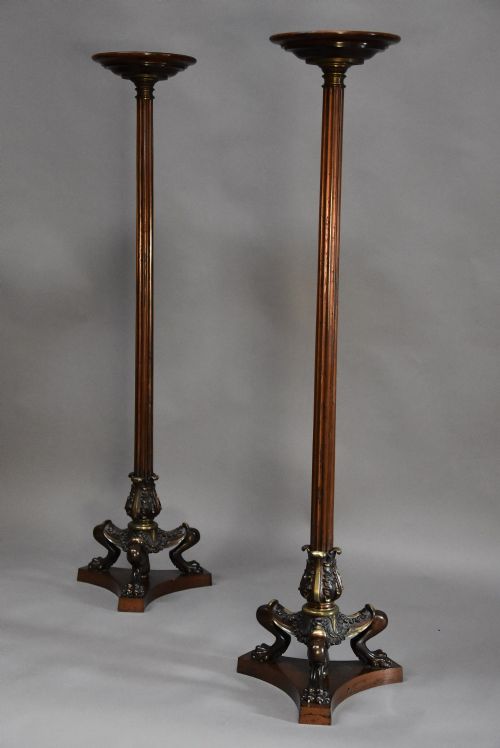
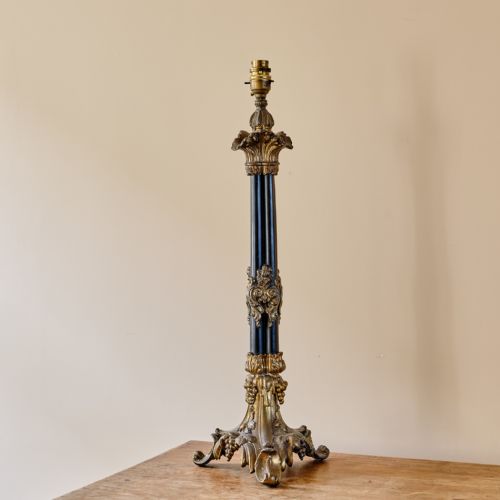
These sculptural 19th century bronze column pieces bring classical architectural dignity and refined metalwork into an interior.
19th Century Bronze Column
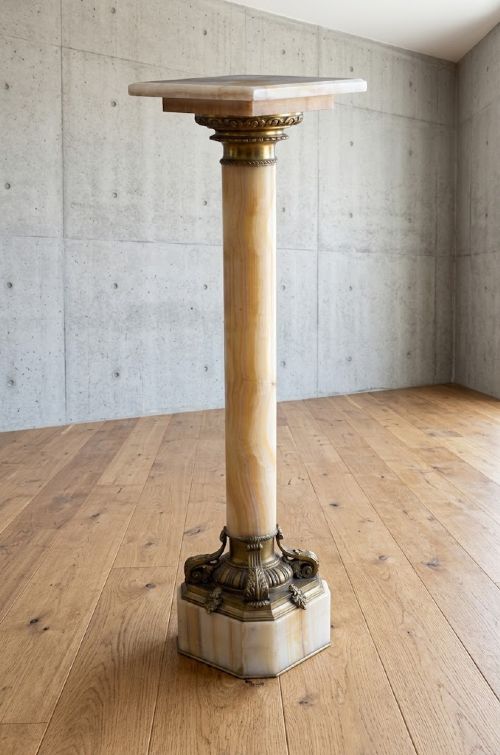
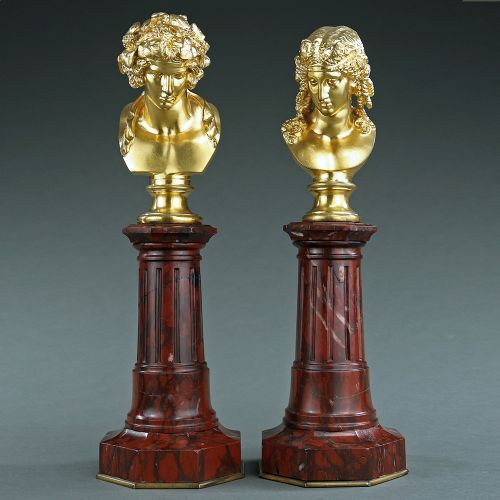
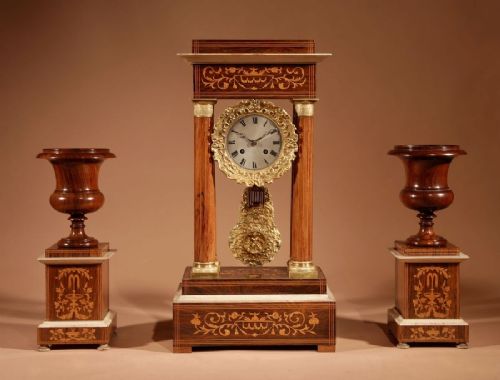
A 19th century bronze column typically manifests as a table lamp, a mantel clock garniture, or a standalone pedestal supporting busts and decorative urns. These pieces draw heavily on French Empire, Neoclassical, and Victorian design vocabularies, often integrating classical orders like Corinthian capitals.
Buyers will encounter grand tour models of famous monuments alongside functional lighting and portico clock frames. Many examples combine the dark patinated metal with contrasting materials such as marble, onyx, or ormolu mounts.
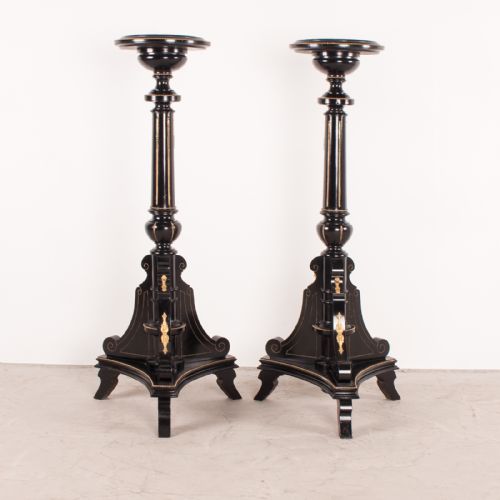
The architectural form adapts easily to domestic spaces, functioning equally well as a towering torchere or a weighted base for oil and paraffin lamps. Proportions range from diminutive cabinet models to large floor-standing pedestals.
Materials and construction
Foundries utilised traditional lost-wax or sand-casting techniques to shape the bronze components, achieving crisp fluting and detailed figural reliefs. Ormolu, or gilded bronze, was frequently applied to highlight capitals, bases, and decorative collars through mercury or electro-plating methods.
Stone elements such as rouge, white, and verde antico marble or translucent onyx were turned on lathes and polished to form the central shaft. These stone and metal sections were then joined using threaded internal iron rods and secured with cast bronze collars.
Musical cherubs cast in bronze occasionally stand guard beside these columns, turning structural supports into miniature theatrical stages.
Assessing quality in cast metal and stone
The crispness of the chasing distinguishes superior metalwork from softer, more generalised production. Master cased pieces retain sharp definition in acanthus leaves and fluting without relying entirely on heavy subsequent filing.
The selection of materials creates a clear hierarchy, with solid decorative marbles and heavy fire-gilt ormolu occupying the upper tier. Heavier gauge bronze castings provide structural stability, preventing the wobble often found in composite columns with poorly seated internal rods.
Breguet·Ferdinand Barbedienne·Joseph Hinks·Paul Ponsard·Thomas Hope·George Smith
The 19th Century Bronze Column Glossary
- Ormolu
- Gilded bronze produced by applying a mercury-gold amalgam to a bronze base and heating it until the gold adhered. This finish yields a deep, warm lustre distinct from modern electroplate.
- Portico clock
- A clock housed within a architectural frame typically supported by four columns. They frequently feature elaborate ormolu mounts and a visible pendulum swinging between the pillars.
- Grand Tour
- A cultural educational journey undertaken by wealthy young Europeans in the 18th and 19th centuries. Souvenirs included miniature bronze columns and architectural models purchased in Italy and France.
- Torchere
- A tall stand or candlestick designed to elevate a light source. In this category, they often take the form of slender marble or bronze columns.
- Patina
- The surface sheen and coloration developed on bronze through age and handling. A stable patinated skin adds depth to the underlying metal details.
19th Century Bronze Column: Frequently Asked Questions
How were these columns originally used?
Many of these objects served functional roles in period homes as oil lamps, clock housings, or sturdy stands for displaying portrait busts and decorative porcelain. They were placed on mantelpieces, side tables, or directly on the floor as torcheres to provide ambient illumination.
Over time, several lamp conversions took place as households transitioned from oil to electricity. Their primary purpose remained dual: to act as decorative focal points displaying classical taste and to provide practical height within a room scheme.
How do I distinguish French Empire from Victorian styles?
French Empire pieces often display strict neoclassical symmetry, military motifs, and rich fire-gilt ormolu mounts against dark patinated bronze. They reflect the influence of early nineteenth-century design under Napoleon.
Victorian interpretations tend to incorporate a broader mix of revival styles, occasionally pairing bronze shafts with onyx or coloured glass. The castings can feel heavier and are frequently adapted to accommodate later British lighting fittings and burners.
Are these columns suitable for modern electrical wiring?
Most antique lamp columns have been rewired at various points in their history to comply with contemporary safety standards. When purchasing a lamp version, check the internal channel to ensure it safely houses modern flex.
Professional rewiring preserves the original patinated bronze and brass components without altering the structural integrity of the column. It allows these historical objects to function safely as daily lighting fixtures in a modern interior.
What maintenance do bronze and marble columns need?
Routine care involves gentle dusting with a soft, dry cloth to prevent particulate buildup on the metal surfaces and stone shafts. Avoid abrasive cleaning agents or metal polishes that can strip the historic bronze patina or damage gilded ormolu.
Waxing should be approached with caution, particularly around porous marbles and onyx. Keeping these pieces away from direct heat sources prevents the internal rods from loosening and protects natural stone from drying out.