
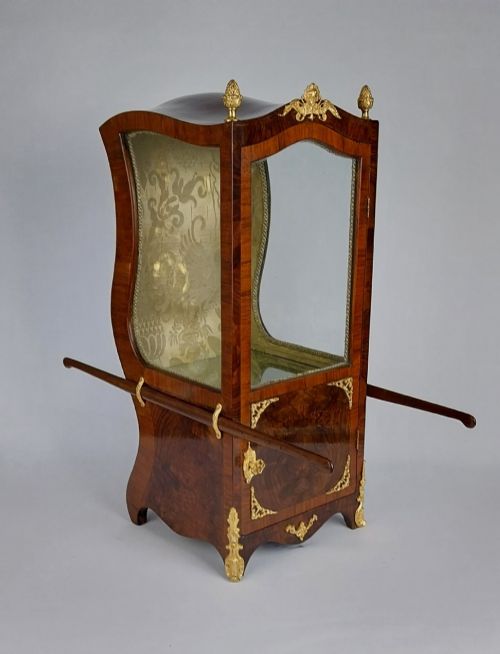


French Bronze Miniature
These french bronze miniature objects are small-scale works of art and utility, prized by collectors for their intricate casting and decorative presence.
French Bronze Miniature
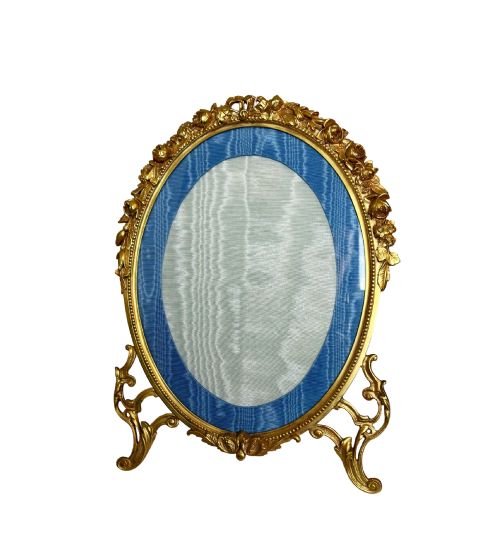
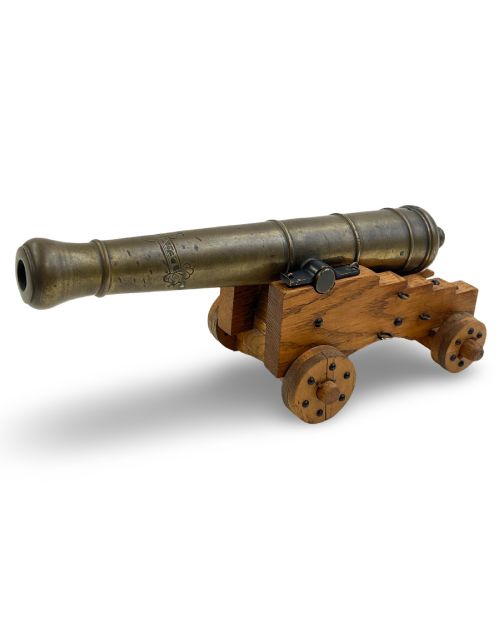
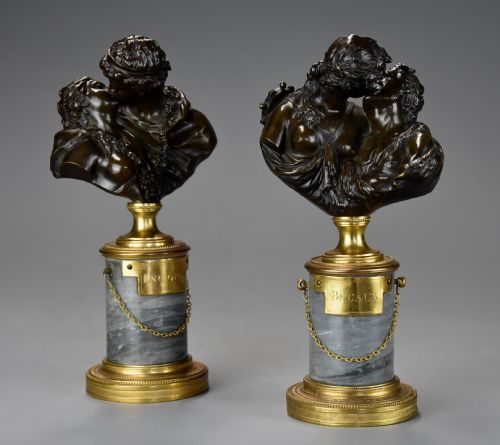
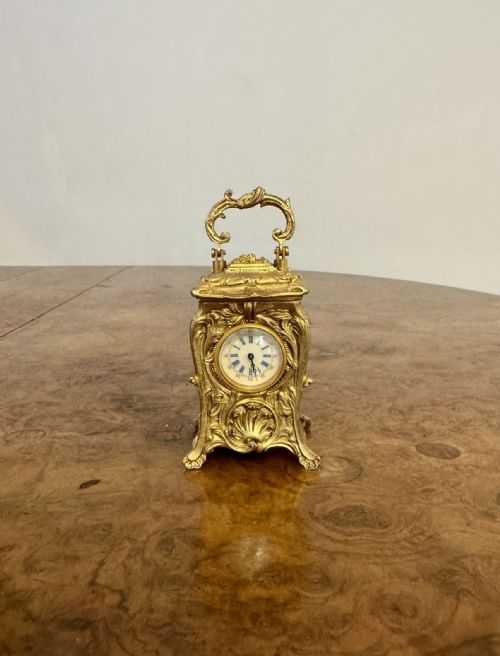
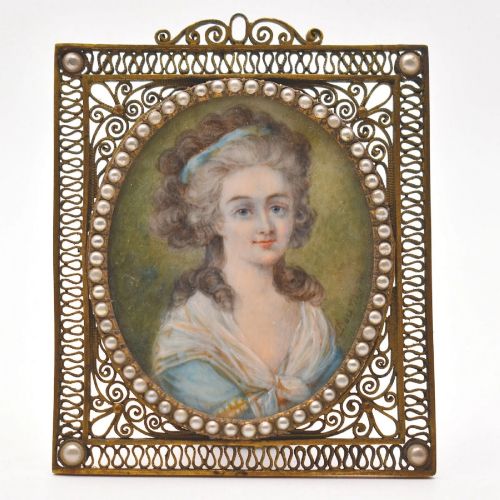
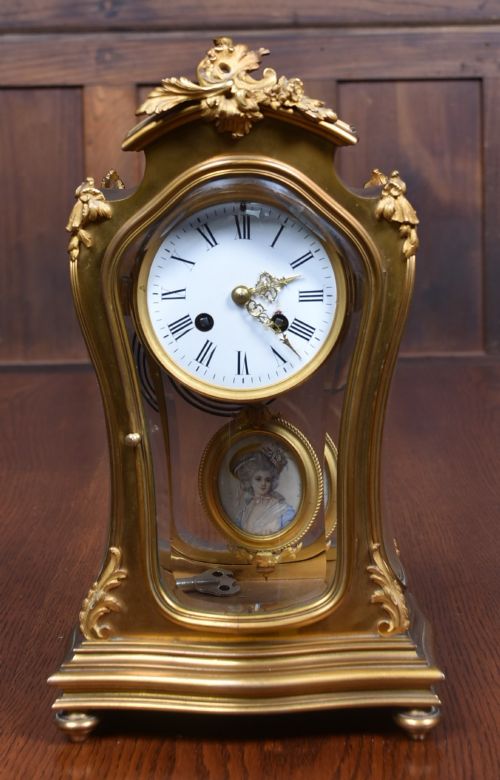
A french bronze miniature encompasses a diverse range of small decorative objects, including mantel clocks, picture frames, portrait miniatures, and Grand Tour architectural models. These pieces span periods from the eighteenth century through the art deco era, reflecting changing tastes in ornament and design.
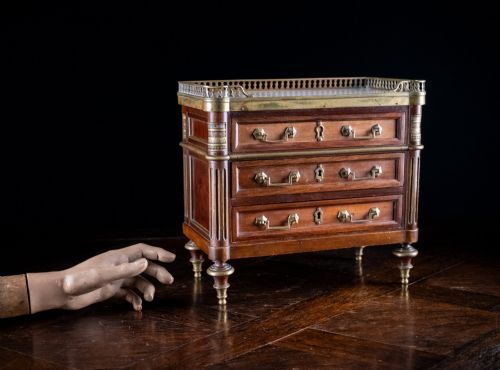
The objects frequently take domestic or cabinet forms such as miniature commodes, trinket boxes, and jewellery caskets mounted with enamel or porcelain. Figures and sculptural reductions of antique monuments also appear regularly among the selections.
Origins trace primarily to French workshops and makers influenced by neoclassical, rococo revival, and Victorian styles. Buyers encounter these items as tabletop garnitures or small functional timepieces designed for intimate domestic spaces.
How They Were Made
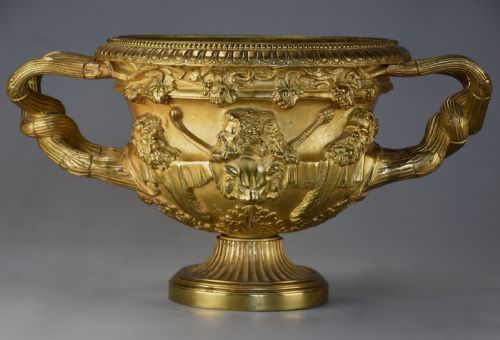
Maker utilisation of cast bronze, ormolu, and gilt metal forms the foundation of these small objects, often combined with marble, glass, brass, and enamel inserts. Chasing and mercury gilding or modern electrogilt techniques deliver the bright surface finishes seen on frames and clock cases.
Detailed portrait miniatures and paintings incorporated into the bronze housings require fine brushwork on porcelain, card, or vellum, frequently protected behind glass panels. Wood elements such as mahogany and tortoiseshell appear in cabinetwork and clock housings alongside cast metal mounts.
The listings show items spanning the 18th, 19th, and early 20th centuries, utilising gilt bronze, ormolu, enamel, and marble.
What Varies in Quality
The integration of secondary materials such as Limoges enamel, champlevé, porcelain plaques, and signed painted portraits separates standard production from exceptional examples. High-grade works demonstrate harmonious proportion between the metal mount and the inset decorative panels.
Jean Antoine Houdon·H. Chiparus·Perigal and Duterrau·F. Bienvue·Rodier
The French Bronze Miniature Glossary
- Ormolu
- Gilded bronze produced by applying a mercury-gold amalgam to a base metal casting. This technique creates a durable, warm metallic lustre characteristic of luxury decorative arts.
- Grand Tour
- A cultural journey undertaken by wealthy young Europeans to study classical antiquities. Souvenirs included small bronze models of famous monuments and architectural ruins.
- Champlevé
- An enamelling technique where troughs or cells are hollowed out of the metal surface and filled with vitreous enamel powder before firing. The resulting design sits flush with the metal partitions.
- Fusee
- A conical pulley used in clockwork to equalize the driving force of the mainspring as it unwinds. This mechanism improves timekeeping accuracy in small mantel and carriage clocks.
- Portrait miniature
- A small, highly detailed painting of a person executed on ivory, vellum, or card. These works were frequently mounted into hinged jewellery caskets or frames.
French Bronze Miniature: Frequently Asked Questions
What are french bronze miniature objects?
These pieces are small-scale decorative items, timepieces, frames, and sculptures created in France across the eighteenth, nineteenth, and early twentieth centuries.
They combine metal casting with materials like enamel, porcelain, and marble to serve decorative or functional roles on tabletops and mantelpieces.
How were they used historically?
Owners placed them in salons, boudoirs, and cabinets as displays of taste, wealth, and travel.
Many served practical functions as clocks, jewellery caskets, picture frames, and inkwells while maintaining a high decorative standard.
How do I identify the period?
Stylistic indicators such as Rococo Revival curves, Louis XVI symmetry, or Art Deco linear forms provide primary chronological markers.
Material combinations, casting techniques, and signatures or inscriptions on movements and portrait panels offer further dating evidence.
How should I care for them?
Keep the pieces away from direct sunlight and excessive moisture to protect delicate enamels, painted surfaces, and gilded finishes.
Dust gently with a soft, dry brush and avoid chemical polishes that can strip the original patination or gilding.