

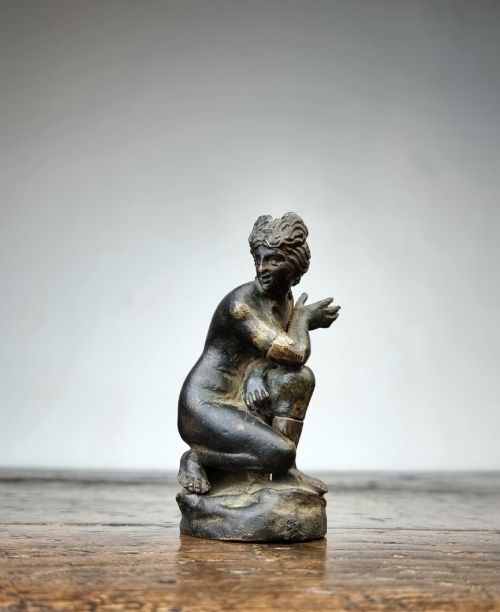
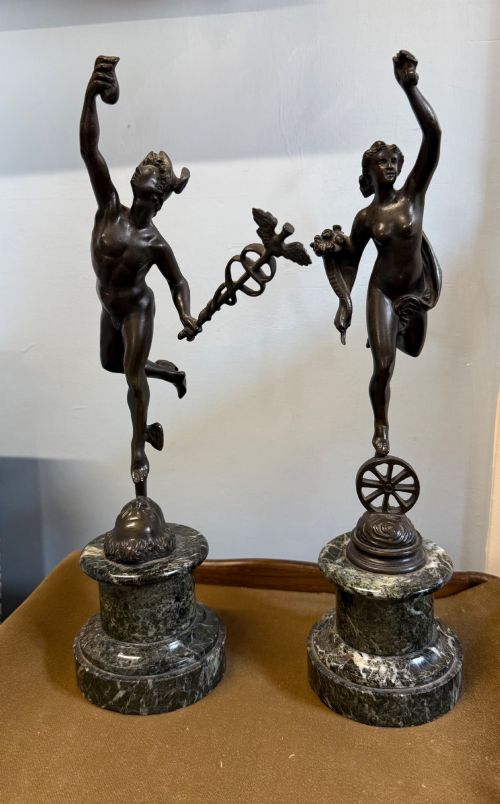
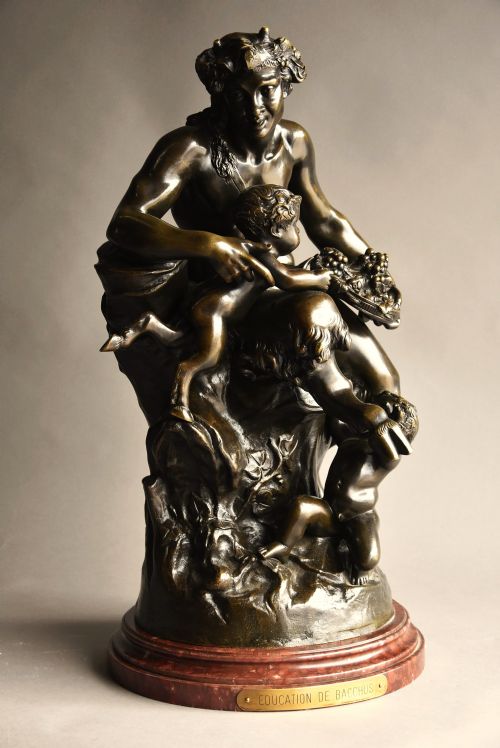
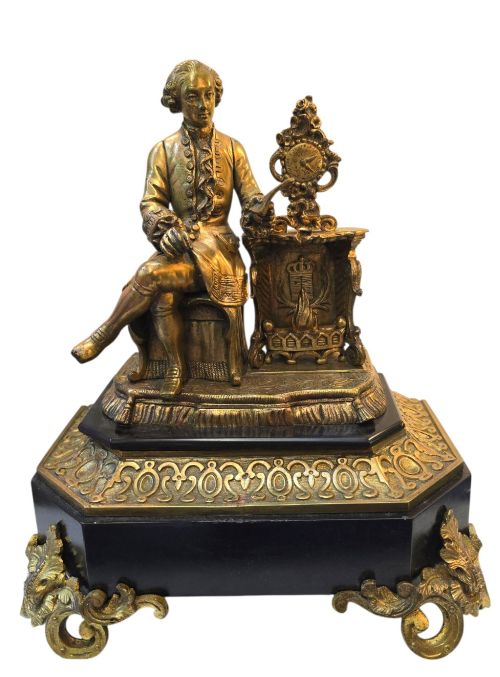
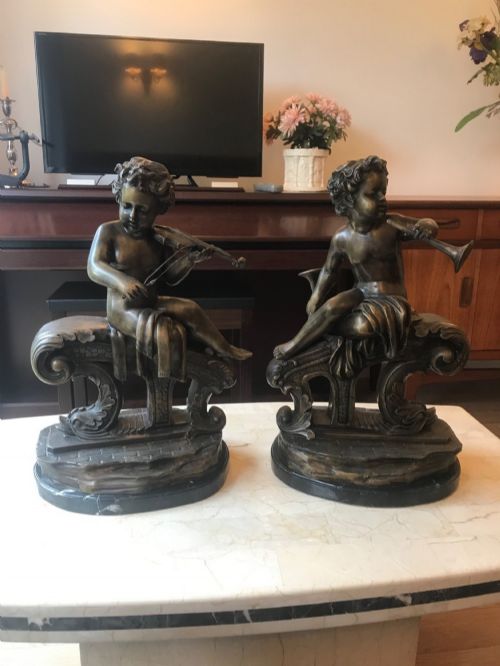
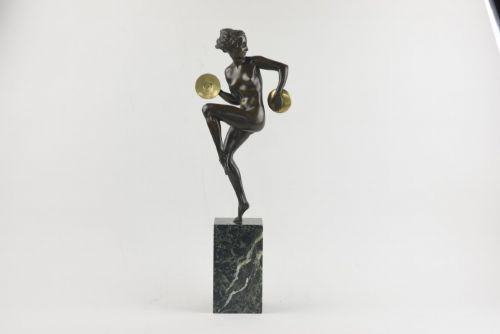
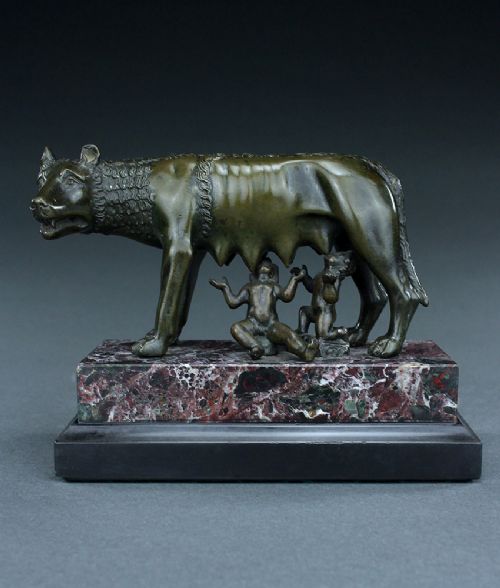
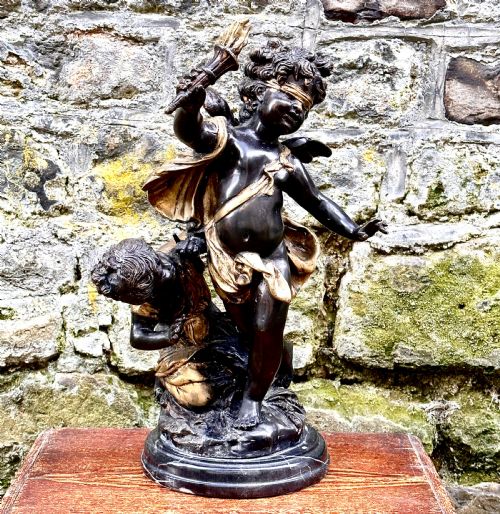
Bronze Classical Figure Ornament
A bronze classical figure ornament brings mythological subjects and historical figures into a room through patinated metal and marble.
Bronze Classical Figure Ornament
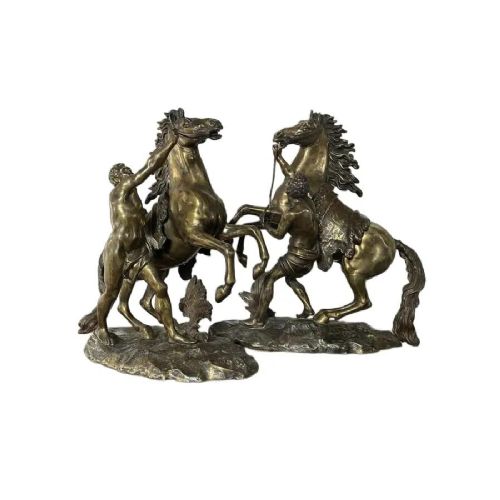
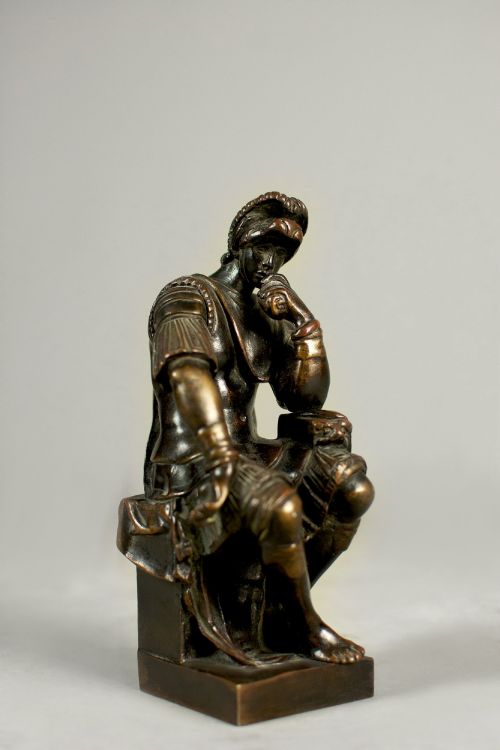
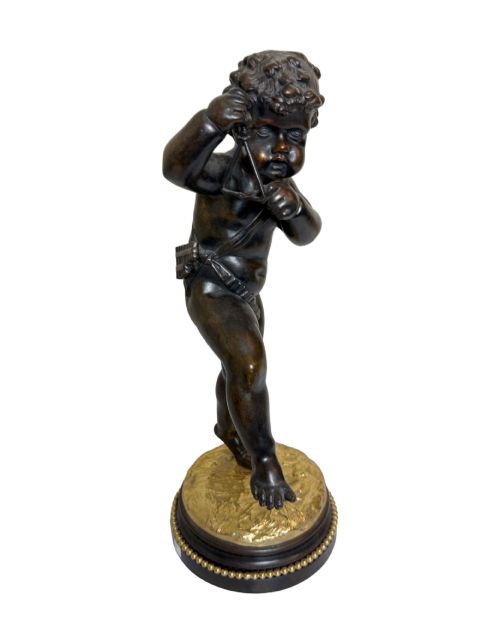
A bronze classical figure ornament comprises sculptures, statuettes, and groups depicting subjects drawn from antiquity, mythology, and literature. When you search for a bronze classical figure ornament, you encounter pieces ranging from small Grand Tour souvenirs to substantial French salon bronzes.
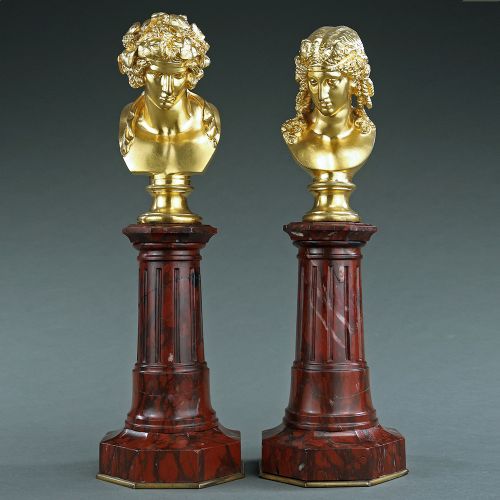
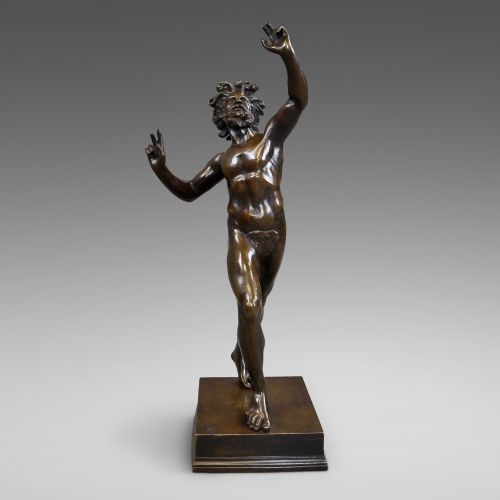
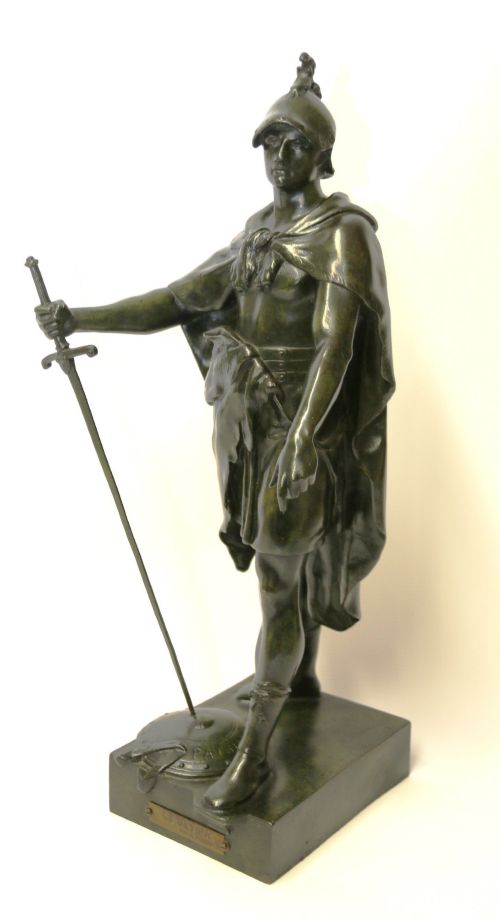
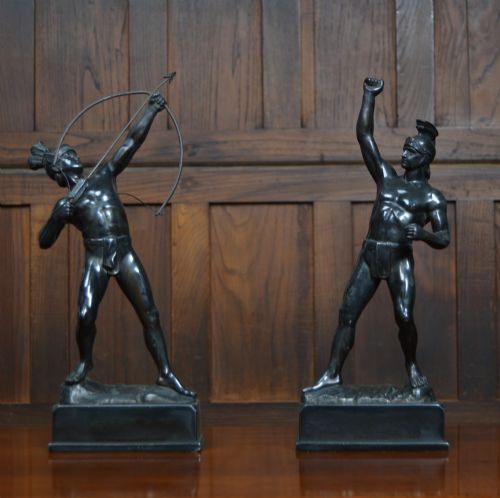
The selection on this page spans the seventeenth century through to the Art Deco period, with nineteenth-century French and Italian foundry work forming the core of the items. Forms include single figures such as dancers, soldiers, and deities, alongside paired figures and busts mounted on marble bases.
Materials and casting methods
These pieces are cast primarily in bronze, occasionally utilising gilt bronze, ormolu, and patinated bronze surfaces to create varied tonal effects. Many figures incorporate integrated or fitted bases fashioned from green marble, red marble, or Siena marble.
Foundries employed traditional casting techniques, followed by hand-chasing of the metal surface and the application of chemical patination to achieve dark green, brown, or golden finishes. Signatures, foundry marks, and attributions are frequently cast or engraved directly into the metal or the marble plinth.
Bronze Classical Figure Ornament Retail Price Guide 2026
Typical asking prices for bronze classical figure ornament among the pieces listed under this phrase on Sellingantiques today, from the lower quarter to the upper quarter. They describe what is for sale here now, not the wider market.
The inventory records nineteenth-century French salon sculptures alongside Italian Grand Tour souvenirs dating from the eighteenth century onwards.
Distinctions in execution
The integration between the bronze figure and its marble base also marks the tier of the piece. Heavier, finely veined marble mounts fitted precisely to the metal sculpture distinguish superior foundry output from simpler decorative items.
Pierre-Augustin Caron de Beaumarchais·Claude Michel Clodian·Émile Louis Picault·Emile Carlier·Charles Crozatier·Aurore Onu Cymbal Dance
The Bronze Classical Figure Ornament Glossary
- Grand Tour
- A nineteenth-century tradition where travellers collected bronze souvenirs of classical sculptures in Italy. These miniature reproductions capture famous statues found in European museums and archaeological sites.
- Patinated bronze
- Bronze that has been treated with chemical solutions to produce a specific surface colour, such as dark brown or deep green. This treatment protects the metal and defines the contours of the figure.
- Ormolu
- Gilded bronze produced by applying a mixture of mercury and gold leaf to the metal base. The process creates a bright golden finish frequently used on classical busts and decorative mounts.
- Spelter
- A zinc alloy cast to imitate bronze, often painted to resemble patinated metal. It provides a lighter and less costly alternative found in Victorian decorative figures.
- Marble base
- A plinth of polished stone supporting a bronze figure. These bases provide stability and contrast with the dark metal of the sculpture.
Bronze Classical Figure Ornament: Frequently Asked Questions
What periods do these bronzes come from?
The listings span from the seventeenth century through the eighteenth and nineteenth centuries into the Art Deco period of the nineteen-thirties. Nineteenth-century French and Italian Grand Tour pieces form the largest group.
Dates are assigned based on stylistic evidence, foundry marks, and traditional casting techniques characteristic of each era.
How were Grand Tour bronzes used?
Grand Tour bronzes served as travel souvenirs purchased by wealthy visitors touring classical sites and museums in Italy and across Europe. They were displayed on desks, mantelpieces, and library shelves as evidence of classical learning and refined taste.
Collectors valued them for their accurate miniature representations of famous ancient sculptures.
How do I care for a bronze figure?
Bronze figures require minimal intervention beyond gentle dusting with a soft, dry brush to prevent dirt accumulation on the patinated surface. Avoid using liquid cleaners, polishes, or abrasive cloths that can strip the original patina or damage the metal.
Keeping the piece away from direct moisture and extreme temperature fluctuations protects both the bronze and its marble base.
Why are some figures mounted on marble?
Marble bases provide a stable weight foundation for slender bronze figures and elevate the sculpture for display. Green marble, red marble, and Siena marble were commonly selected to complement the dark or gilt tones of the metal.
These plinths often form an integral part of the nineteenth-century design and feature matching stepped or moulded profiles.