






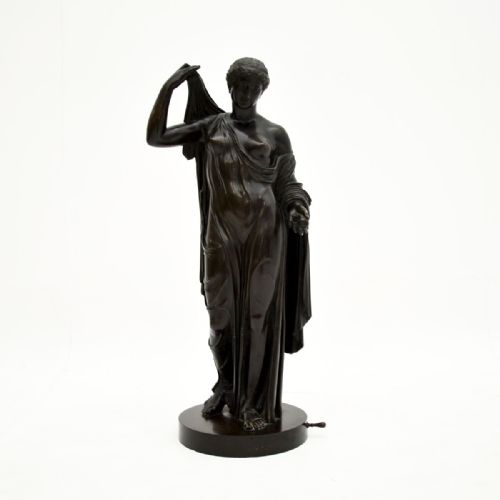
Dark Bronze Classical Figure
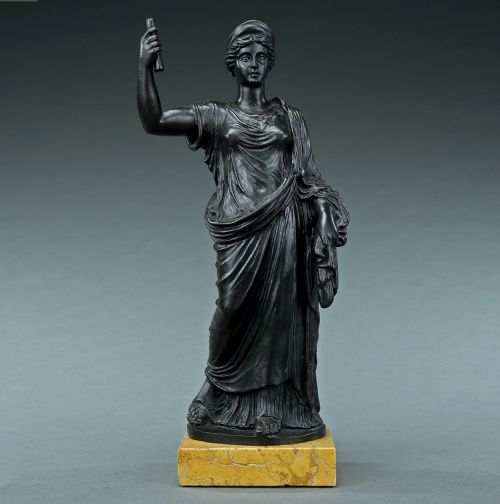
A dark bronze classical figure brings antiquity and mythology into a room through patinated metal and sculptural depth.
Dark Bronze Classical Figure
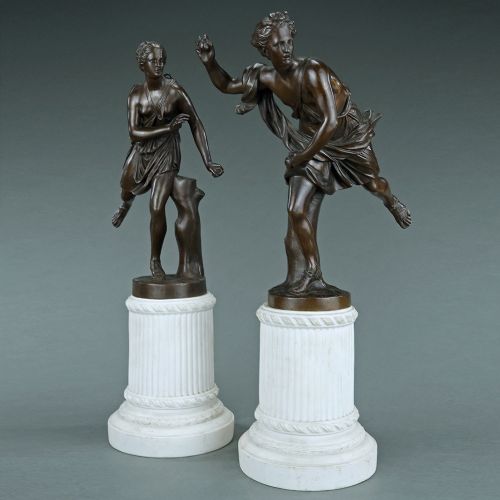
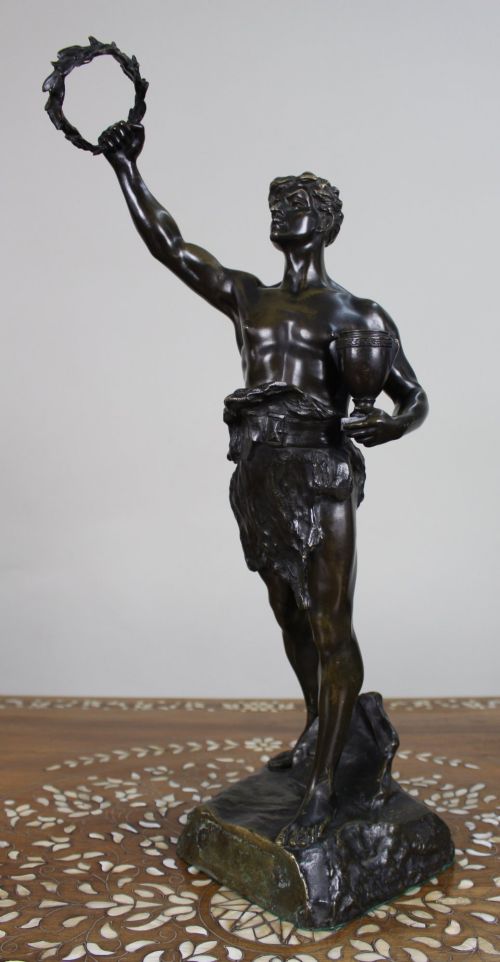
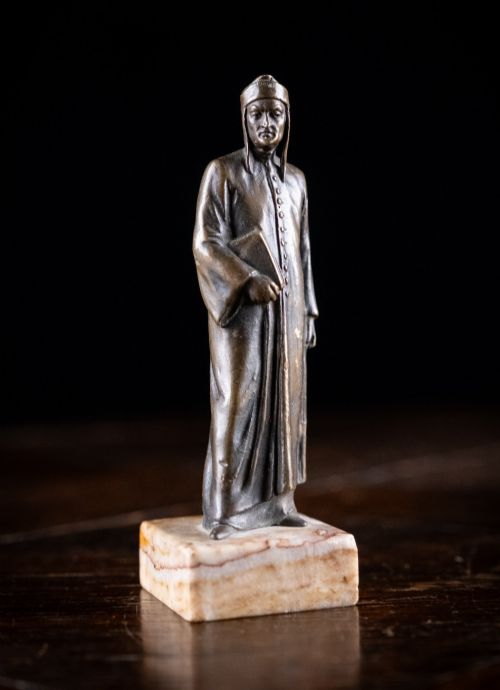
A dark bronze classical figure represents mythological subjects, literary figures and ancient sculptures translated into metal. These pieces draw heavily on Neoclassical taste and Grand Tour traditions originating from travels across Europe and Italy.
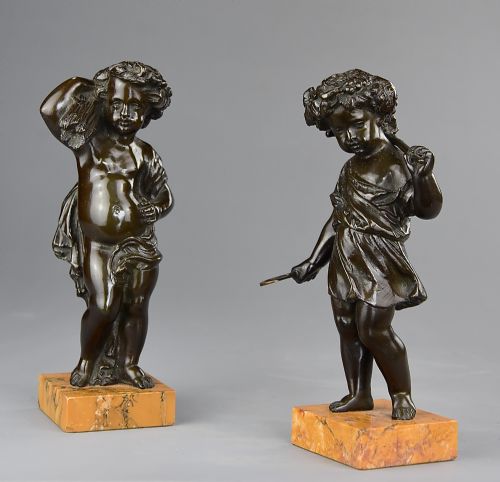
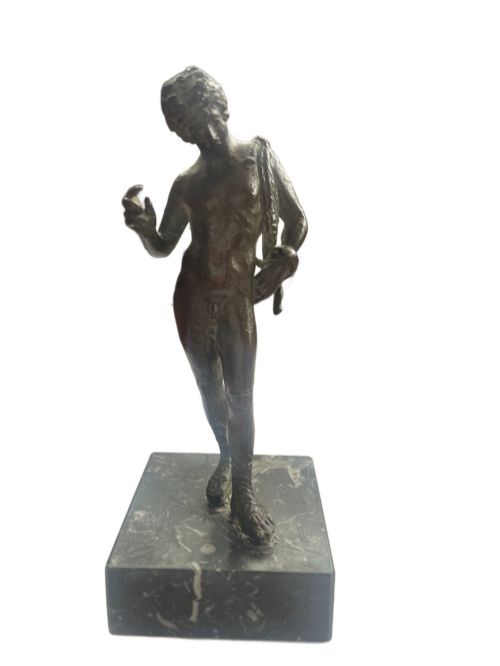
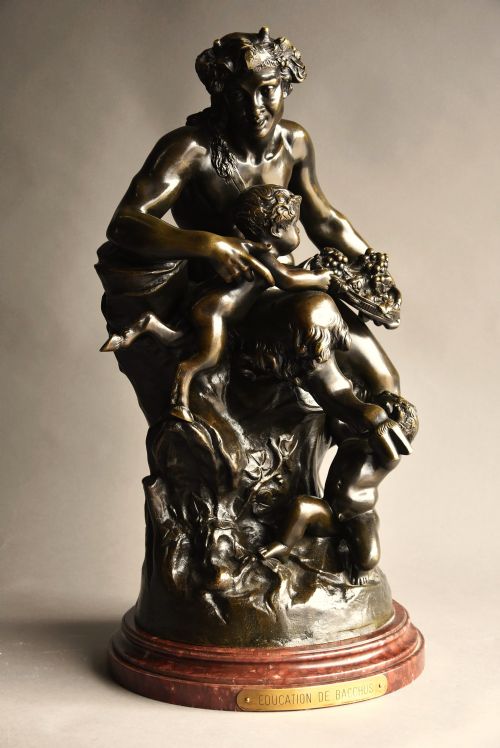
The version most commonly met on this page is the nineteenth-century French or Italian cabinet bronze. These castings often sit on marble bases and depict deities, dancers or historical personages derived from classical antiquity.
Grand Tour souvenirs form a substantial part of these listings, created to commemorate visits to classical sites. Alongside these souvenirs stand larger salon sculptures produced by major European foundries during the Victorian period.
Materials and casting methods
Foundries utilised the lost-wax casting method or sand casting to achieve intricate detail in bronze and patinated metal. These techniques allowed artisans to capture complex drapery, hair and musculature faithfully.
Surface patination was applied chemically to achieve dark brown, black or greenish tones that mimic ancient buried metal. Many figures were then mounted onto heavy marble or slate bases to provide stability and visual contrast.
Several energetic putti are caught mid-harvest, apparently distracted from their duties by musical instruments.
Assessing quality in antique bronze figures
The sharpness of the chasing separates superior castings from ordinary production pieces. Skilled artisans spent hours hand-chiselling the cooled metal to refine details lost during the primary casting process.
The nuance and depth of the dark patination indicate the care taken in finishing the surface. Heavier metal gauge and solid mounting to original marble bases also signal a higher grade of production.
Ferdinand Barbedienne·Émile Louis Picault·Mathurin Moreau·Hamo Thornycroft·G. Amodio Naples
The Dark Bronze Classical Figure Glossary
- Grand Tour
- A traditional trip through Italy undertaken by European elites to study classical art. Souvenirs purchased on these journeys formed the basis of many nineteenth-century collections.
- Patination
- The chemical treatment applied to the surface of metal to alter its colour. A dark bronze classical figure relies on this layer to simulate age and enhance form.
- Lost-wax casting
- A historic method where a molten metal is poured into a mould created by melting away a wax model. This technique allows for exceptional undercut detail.
- Neoclassical
- A Western cultural movement drawing inspiration from the art and culture of classical antiquity. This style dominates the subjects found in nineteenth-century bronze sculpture.
- Chasing
- The manual refinement of a metal casting using small punches and hammers. This process restores texture and removes surface blemishes after the piece leaves the mould.
Dark Bronze Classical Figure: Frequently Asked Questions
What is a Grand Tour bronze?
A Grand Tour bronze is a small souvenir sculpture bought by travellers visiting classical antiquities in Italy during the nineteenth century.
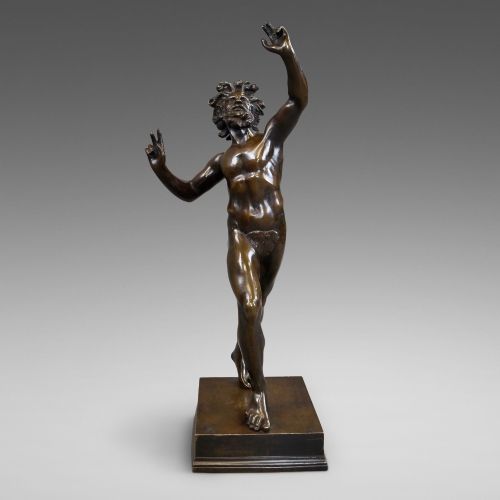
These pieces reproduced famous ancient statues such as the Borghese Gladiator or dancing fauns for domestic display.
How do I identify the subject of a figure?
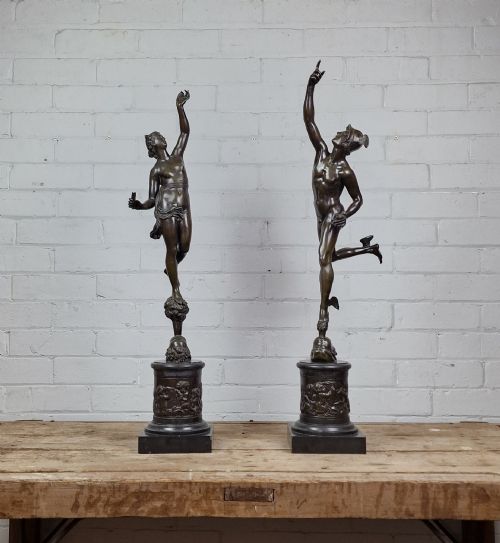
Subjects are typically identified by specific attributes held in the hands or worn on the body. Winged sandals indicate Mercury, while cymbals and faun ears point toward Dionysian attendants.
Inscriptions on the base or plinth often name the character or the original ancient sculpture directly.
Why are many figures mounted on marble?
Marble bases provide structural weight and a stable footing for slender metal castings. The stone also offers a classical architectural contrast to the dark patinated bronze.
Different marbles, such as Siena or fossil marble, often help indicate the geographical origin and period of the assembly.
How should I clean an antique bronze?
Antique bronzes require minimal intervention to preserve their historic surface patination. Dusting gently with a soft, dry brush is generally sufficient for regular maintenance.
Avoid using water, abrasives or chemical polish, as these substances can strip away the dark chemical finish and damage the metal underneath.