
Nineteenth Century Bronze Statue
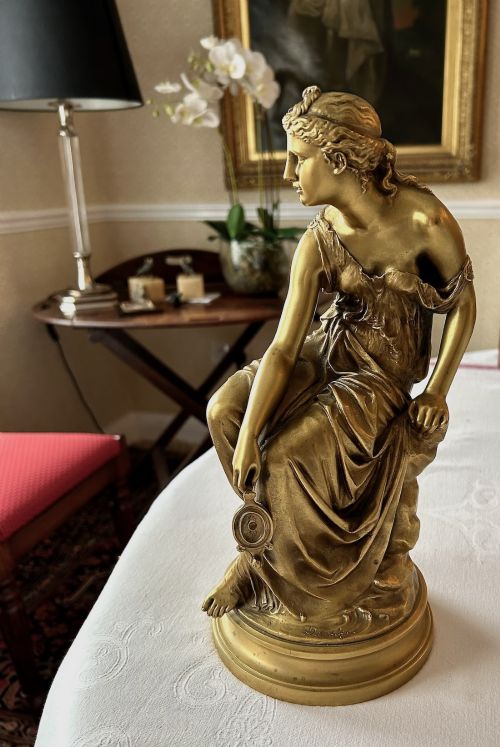
A nineteenth century bronze statue brings classical antiquity and romantic human form straight into a room with heavy patination and careful casting.
Understanding nineteenth century bronze statue
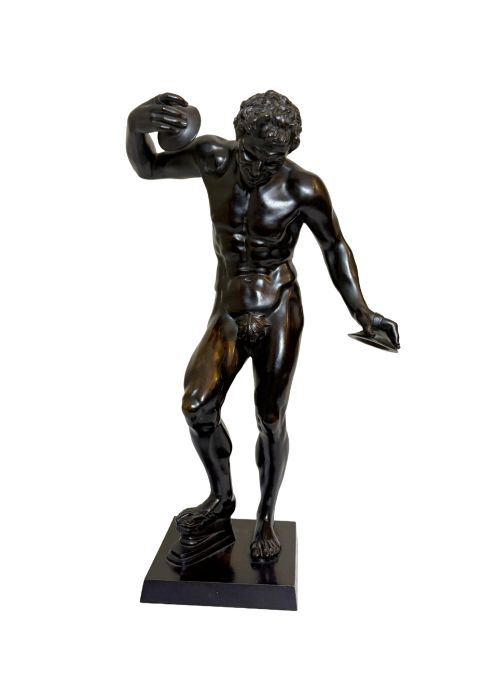
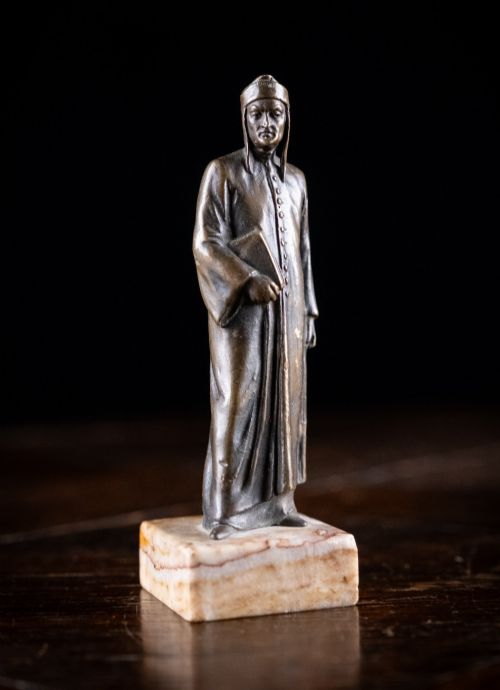
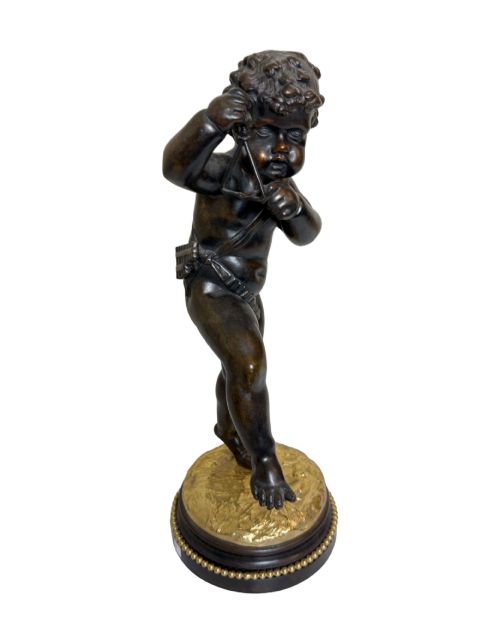
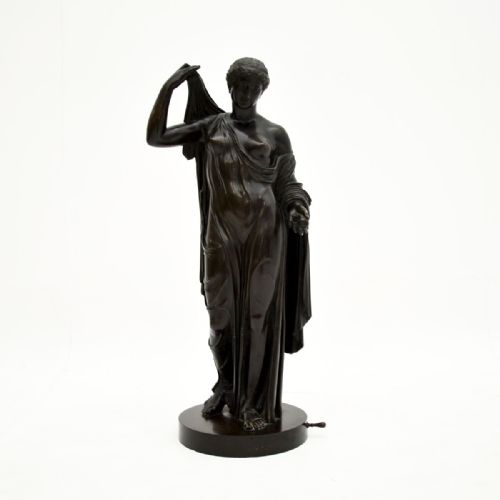
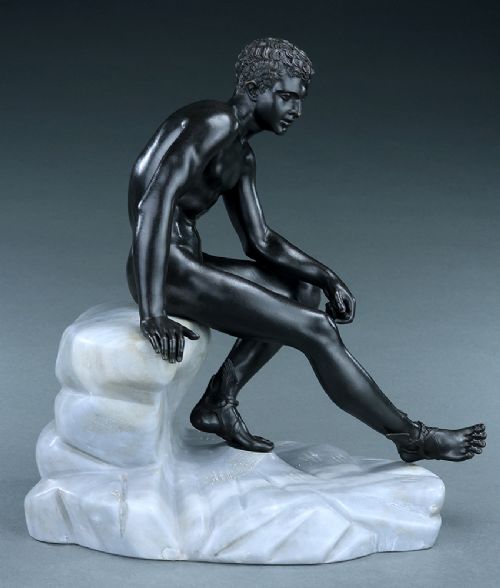
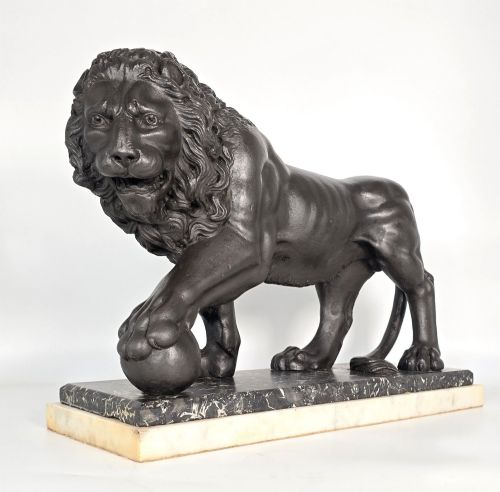
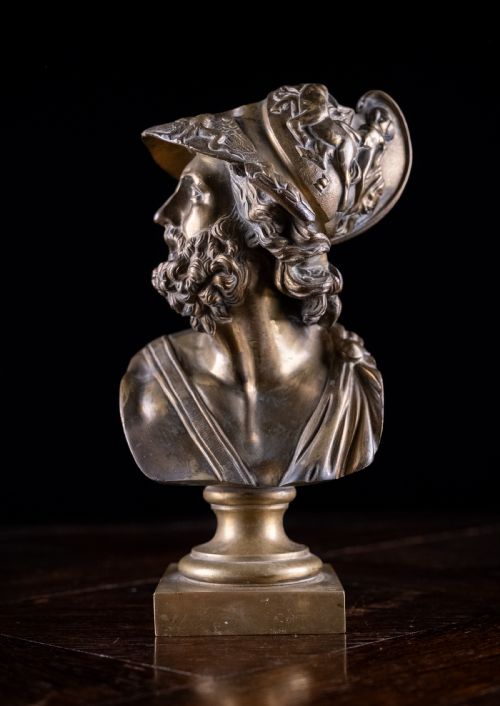
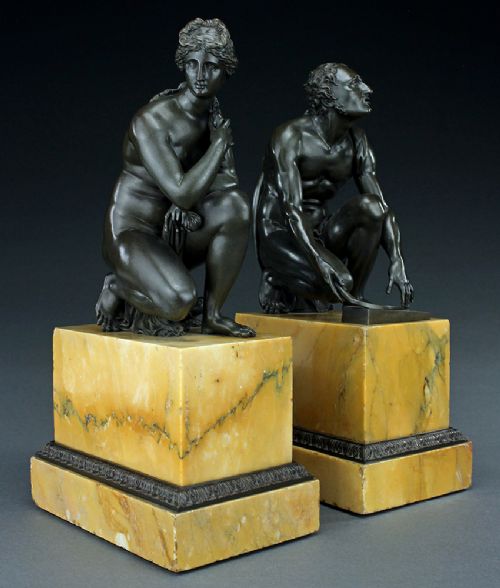
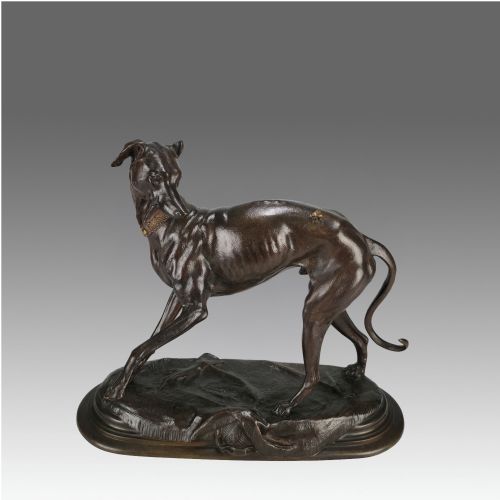
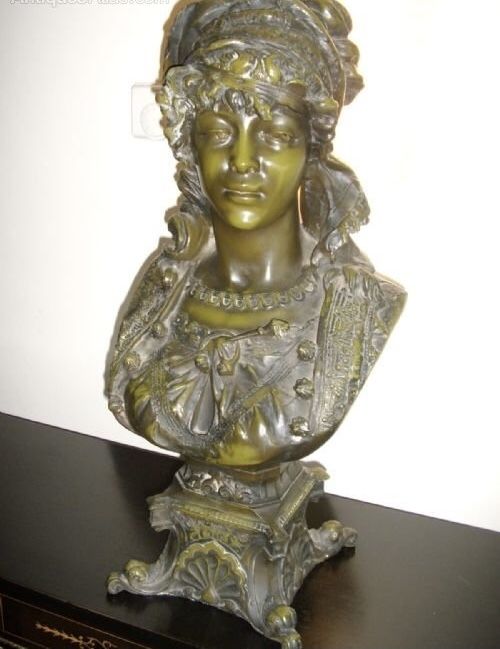
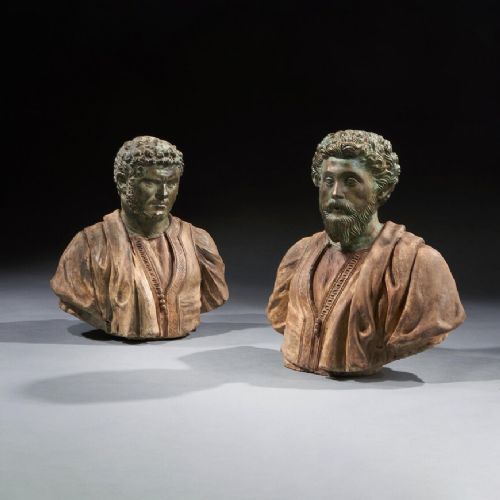
A nineteenth century bronze statue captures classical figures, academic studies, and grand tour subjects shaped by European foundries. These bronzes range from mythological male nudes and ancient scholars to athletic figures and orientalist subjects.
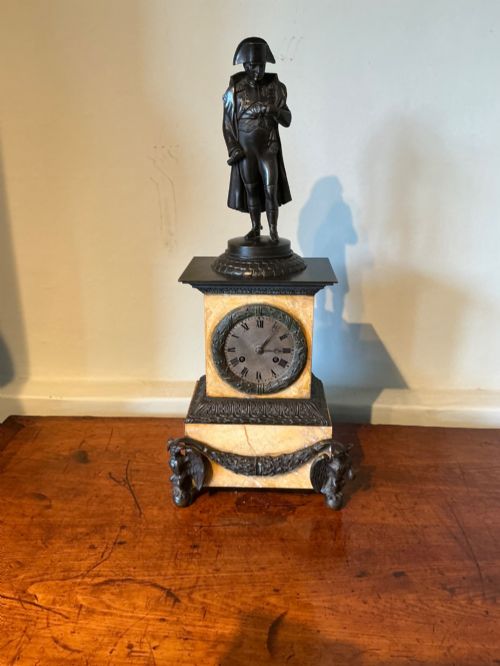
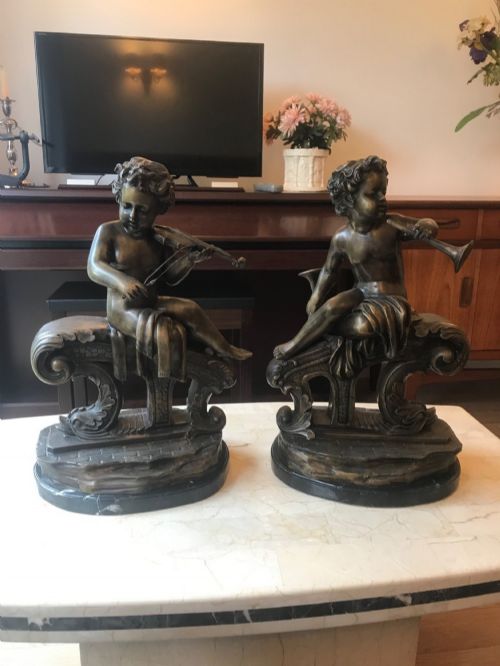
The pieces appearing on this page span the Victorian era, the grand tour tradition, and specific nineteenth century French workshops. Buyers encounter both small cabinet sculptures and substantial figures mounted on marble bases.
Grand tour subjects dominate the selection, drawing directly on classical Greek and Roman statuary discovered by travellers in Italy. Alongside these classical revivals, portrait studies and figurative bronzes record the academic interests of the period.
Materials and methods
Foundries used the traditional lost wax method or sand casting to produce these figures in solid or hollow bronze. Molten metal filled the moulds before artisans chased the surface to sharpen details in hair, drapery, and musculature.
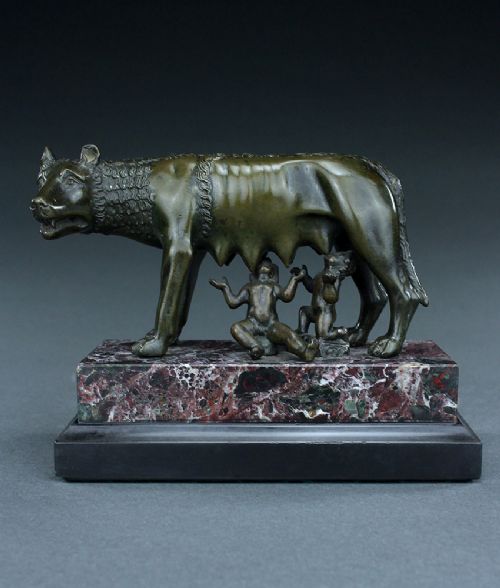
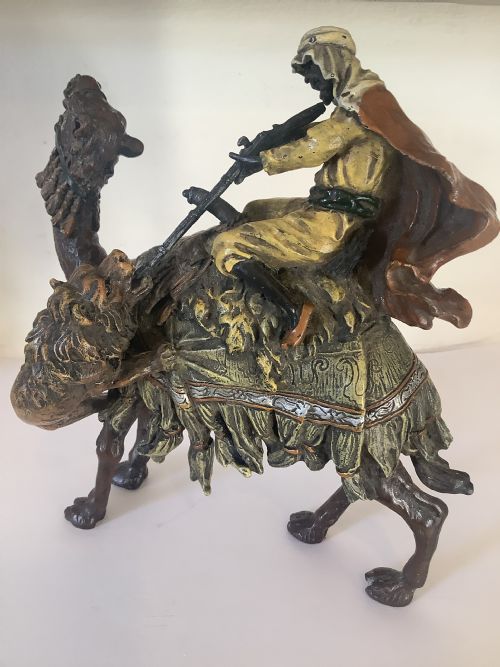
Finished surfaces received chemical treatments to create dark patinated bronze, bright gilt bronze, or cold paint applied over the metal. Many figures were mounted onto decorative stone supports such as rosso levanto marble bases.
Retail Price Guide 2026
Typical UK retail prices for nineteenth century bronze statue, calculated from the Sellingantiques database of over a million retail prices indexed since 2003. This retail price guide relies exclusively on Sellingantiques data; no external sources or auction records are used, so the figures do not describe the wider market.
Materials appearing across these sculptures include patinated bronze, gilt bronze, cold paint, and rosso levanto marble.
Assessing quality
The depth and stability of the patina or the quality of the cold paint layer separates finer works from standard commercial foundry output. Original mounting to materials like rosso levanto marble also influences the integrity of the piece.
Jean Jules Salmson·H Risch·Franz Xavier Bergman
The Nineteenth Century Bronze Statue Glossary
- Patinated bronze
- Bronze treated with chemical solutions to produce a darkened, weathered, or coloured surface skin. This protective layer enhances visual depth and simulates ancient corrosion.
- Grand tour
- Souvenirs purchased by wealthy travellers visiting cultural sites in Italy and Greece during the nineteenth century. These reductions of classical sculptures were prized for academic display at home.
- Cold paint
- Paint applied to a bronze surface without heat firing after casting. This technique appears frequently on orientalist and figurative bronzes to add realistic flesh tones and garment colours.
- Rosso Levanto
- A deep purple-red marble featuring pale white veins, quarried in Italy. It provides heavy, contrasting bases for nineteenth century cabinet bronzes.
- Lost wax casting
- A method of metal casting in which a molten metal is poured into a mould that has been created by means of a wax model. Once the wax is melted away, the bronze takes its precise place.
Frequently Asked Questions
What is a grand tour bronze?
A grand tour bronze is a reduced-scale copy of a famous classical sculpture, collected by travellers touring European antiquities.
These pieces brought classical art into Victorian domestic interiors as scholarly ornaments.
How do I care for bronze sculpture?
Bronze requires very little maintenance beyond occasional dusting with a soft, dry cloth.
Avoid applying polishes or chemical cleaners that can strip the historic patina from the metal surface.
Why are some bronzes mounted on marble?
Foundries mounted statues onto marble bases to provide weight, stability, and a finished architectural presentation.
Coloured marbles like rosso levanto also added visual contrast to the dark metal.