
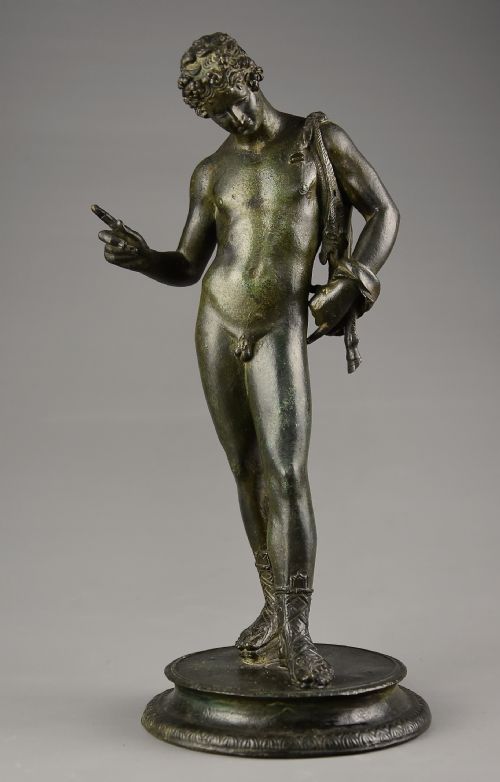


Classical Male Nude Sculpture
Classical male nude sculpture brings heroic form and ancient myth into the room, cast in bronze and carved in marble.
What classical male nude sculpture is
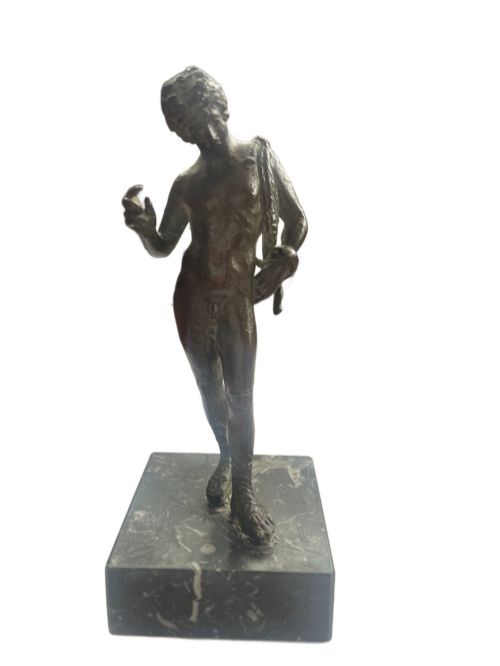
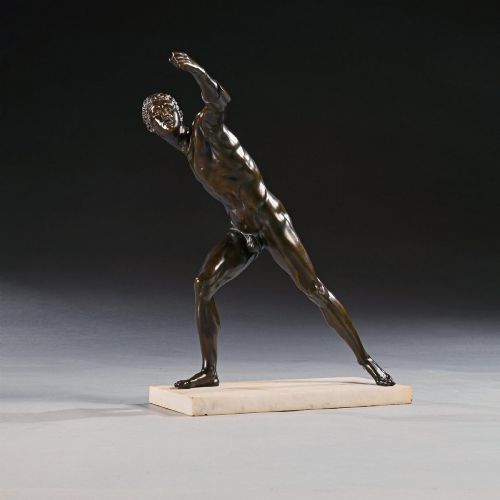
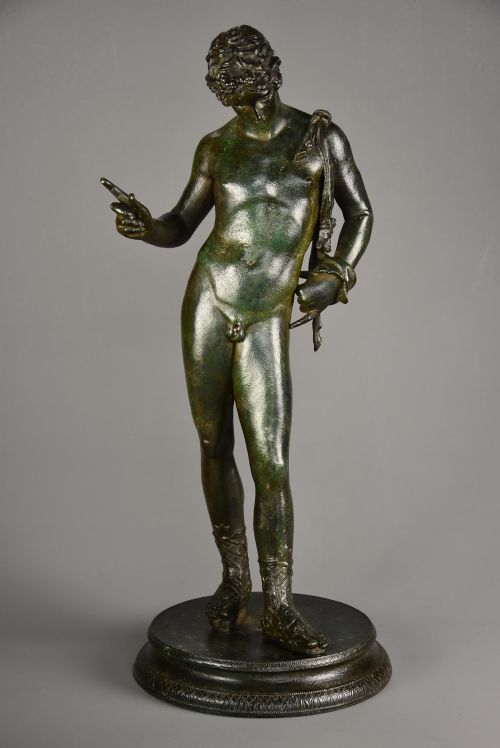
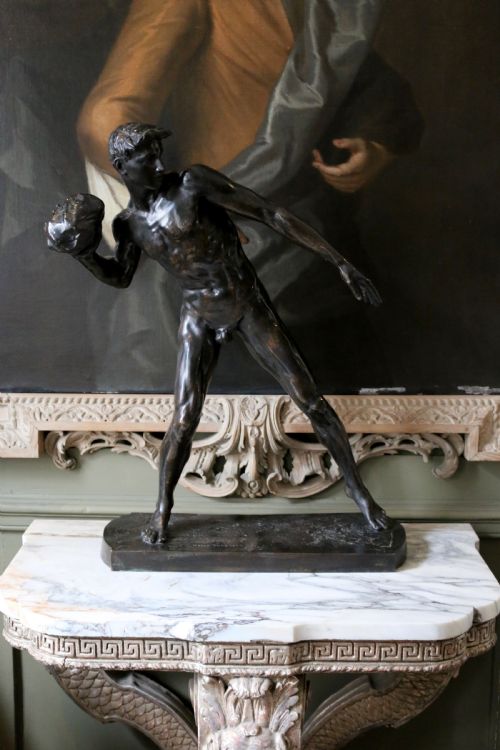
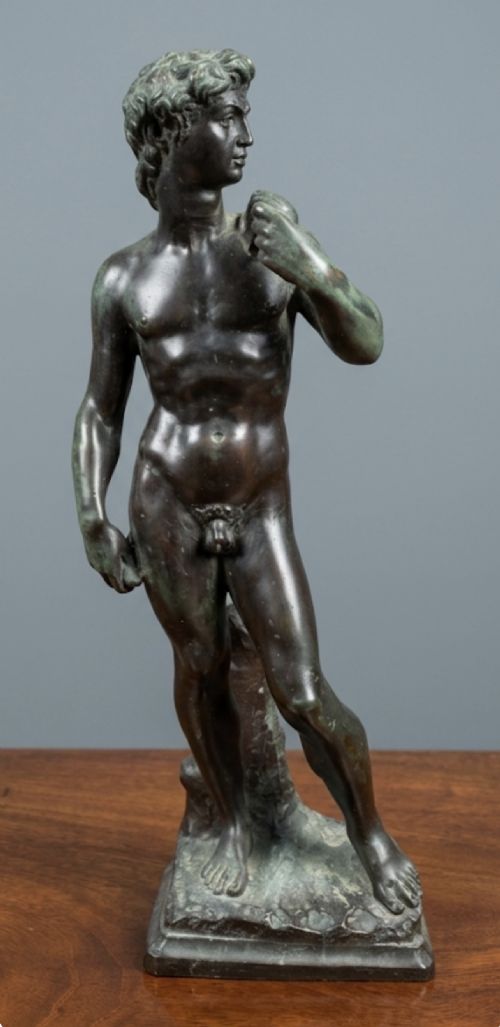
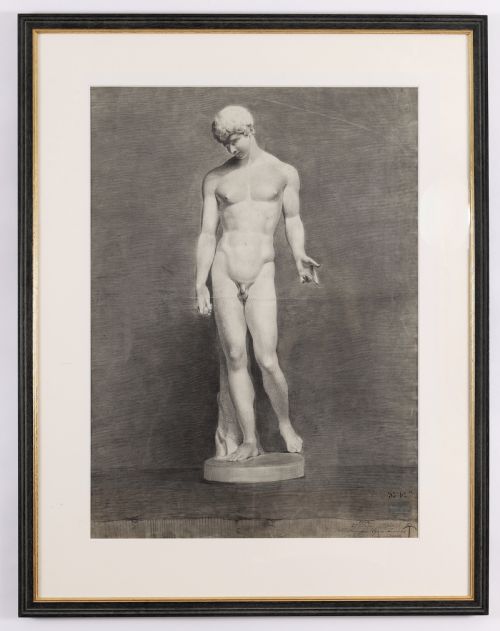
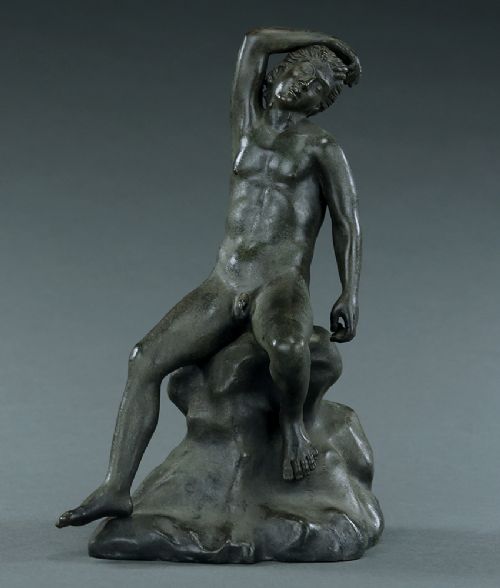
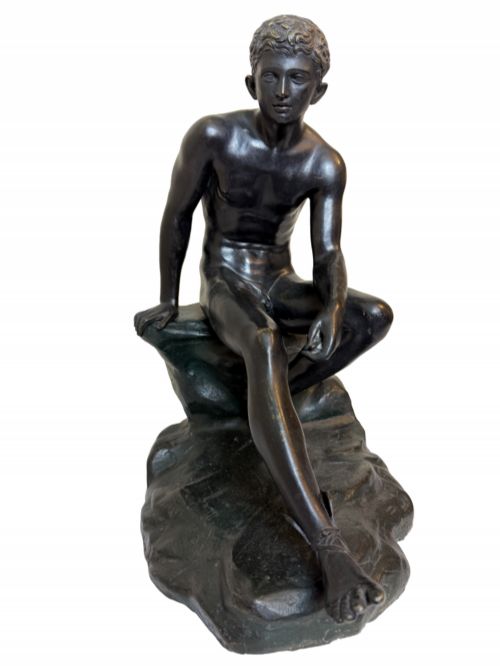
When you search for classical male nude sculpture, you encounter figures drawn from mythology and antiquity, spanning Victorian, 1910, 1860, 1930, and 19th century periods. These works capture athletes, gods, and literary figures with athletic proportions and dramatic poses.
The versions you meet most often on this page take the form of bronze and marble sculptures, including Grand Tour reductions of famous antiquities and Art Deco interpretations. Subjects range from David and the Discophorus to the dancing faun of Pompeii, Narcissus, and general Olympian figures.
How they were made
These pieces utilise bronze and marble, shaped through traditional casting and carving methods suited to figural representation. Bronze casts capture fine muscular detail and dynamic movement, often finished with various patinations to accentuate the contours of the body.
Sculptors and founders paid close attention to anatomical accuracy, balancing weight and tension within the stance of each figure. The resulting works reflect the enduring influence of classical antiquity on European sculpture workshops.
Retail Price Guide 2026
Typical UK retail prices for classical male nude sculpture, calculated from the Sellingantiques database of over a million retail prices indexed since 2003. This retail price guide relies exclusively on Sellingantiques data; no external sources or auction records are used, so the figures do not describe the wider market.
Several figures spend their days perpetually preparing to throw a discus or dance in Pompeii without ever moving an inch.
What varies in quality
Quality in these sculptures rests upon the crispness of the casting and the sensitivity of the finishing work. Superior examples exhibit precise anatomical definition, clean chase work on the metal surface, and a rich, stable patination that enhances the sculptural depth.
The Classical Male Nude Sculpture Glossary
- Grand Tour
- A cultural journey undertaken by wealthy young Europeans to view continental antiquities, prompting the creation of portable bronze replicas. These small-scale sculptures served as souvenirs of classical sights.
- Discophorus
- A classical Greek sculpture type depicting a youth holding a discus, often associated with the sculptor Polyclitus. The pose emphasises balance and athletic readiness.
- Patination
- The chemical or natural coloration of a bronze surface resulting from age or applied treatments. A well-maintained patina protects the metal and highlights sculptural contours.
- Lost-wax casting
- A metalcasting method where a wax model is melted from a mould and replaced with molten bronze. This technique allows for intricate detail and undercut forms.
Frequently Asked Questions
What is a Grand Tour bronze?
A Grand Tour bronze is a small-scale replica of a famous classical sculpture, produced in Europe during the nineteenth century for travellers visiting ancient sites.
These pieces allowed collectors to bring the aesthetic of classical antiquity and museum masterworks directly into their domestic interiors.
How do I display a bronze figure?
Bronze sculptures suit placement on sturdy desks, side tables, or dedicated pedestals where adequate lighting can reveal their patination and musculature.
Keep them away from direct heat sources and clean them simply with a soft, dry cloth to preserve the surface finish.
What periods do these sculptures date from?
The pieces available range across the nineteenth century, the Victorian era, and into the early twentieth century, including Art Deco examples.
They reflect revivalist movements that continually looked back to Greek and Roman ideals of the male form.
How are bronze and marble different?
Bronze is a metal alloy shaped through casting, offering high tensile strength that allows for dynamic, unsupported poses like dancers and athletes in motion.
Marble is stone shaped by carving, possessing a luminous surface quality that diffuses light differently across the sculpted musculature.