



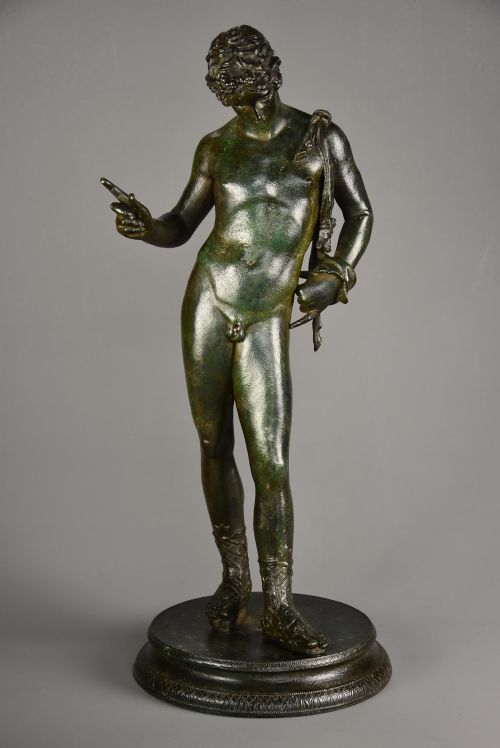
Large Bronze Statue
A large bronze statue carries substantial weight and presence, anchoring a room or garden with cast metal sculpture from past centuries.
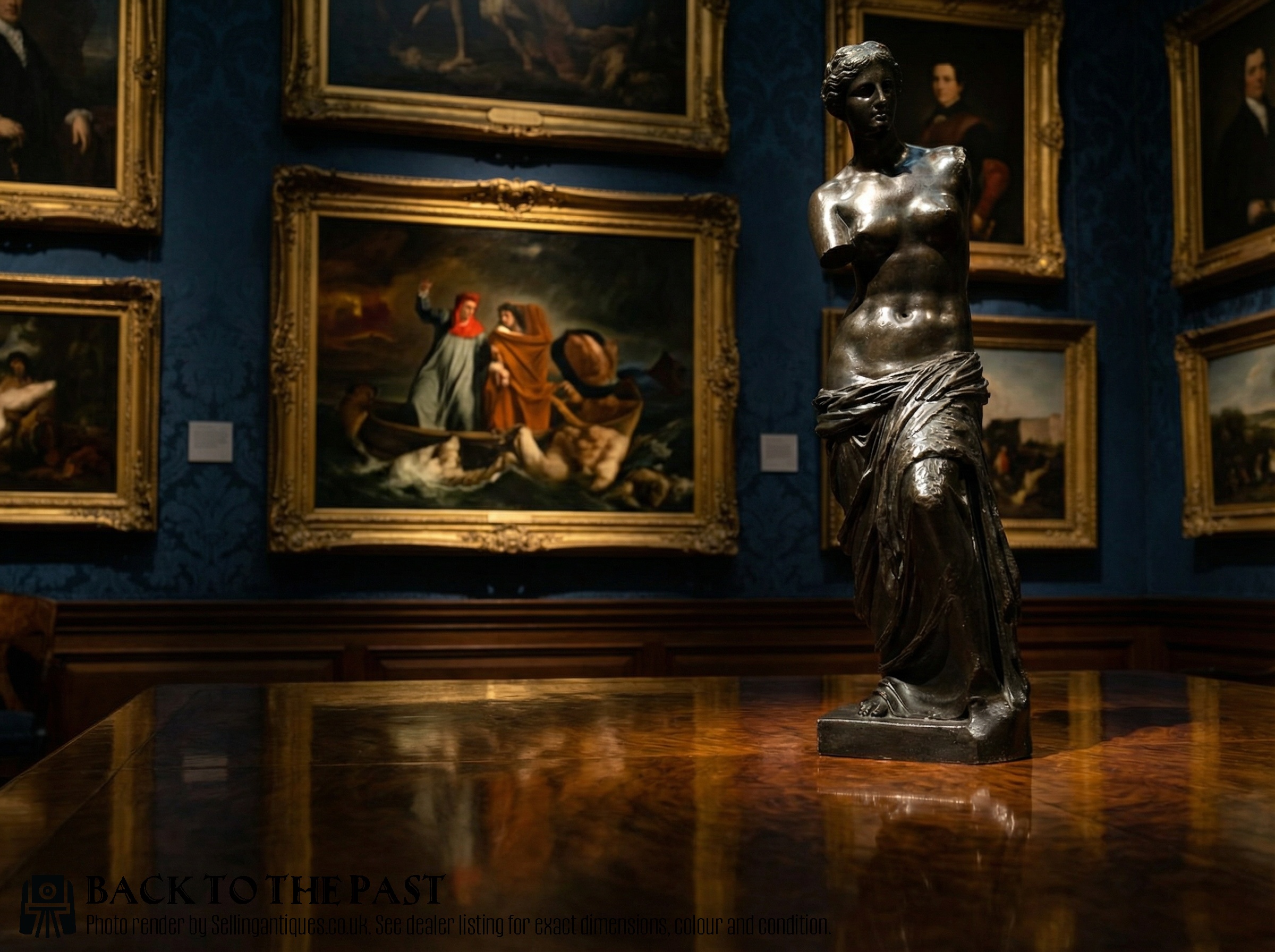
Large Bronze Statue
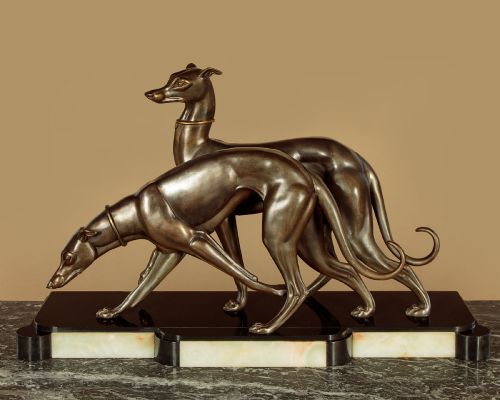
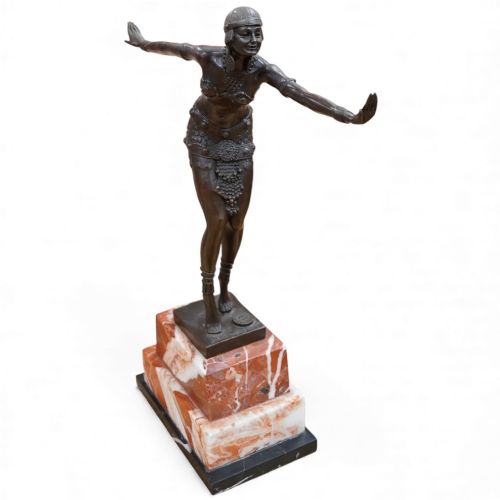
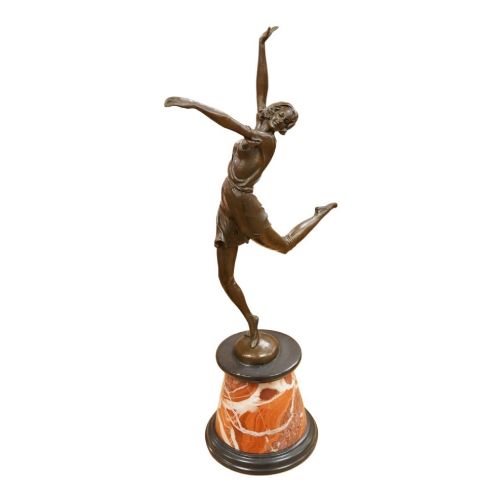
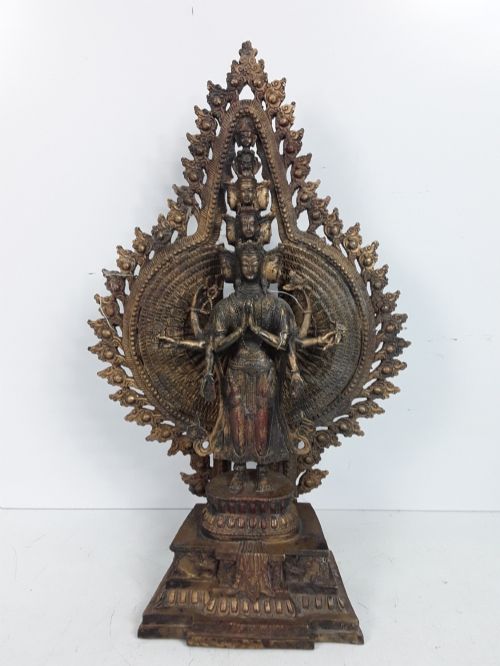
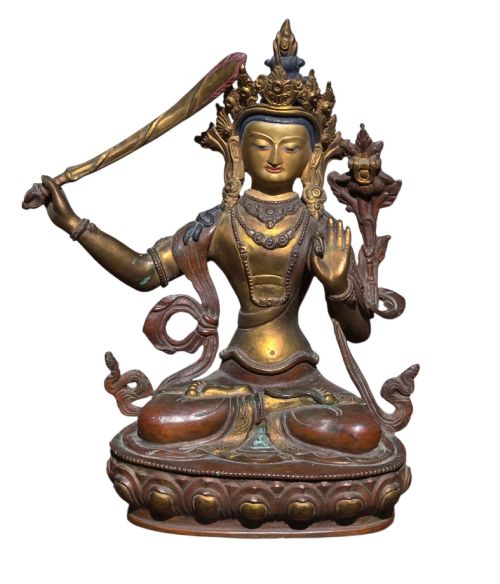
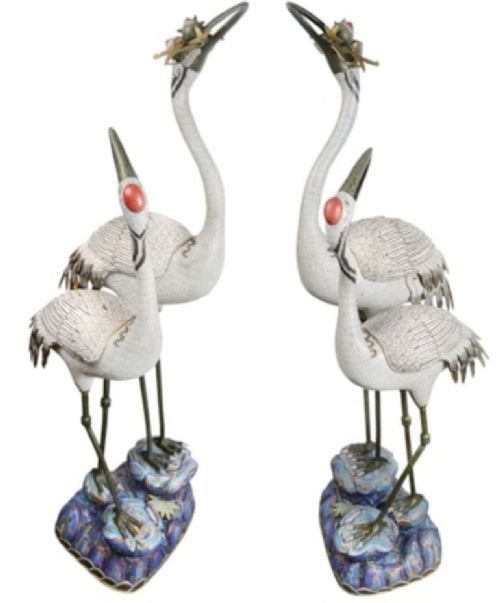
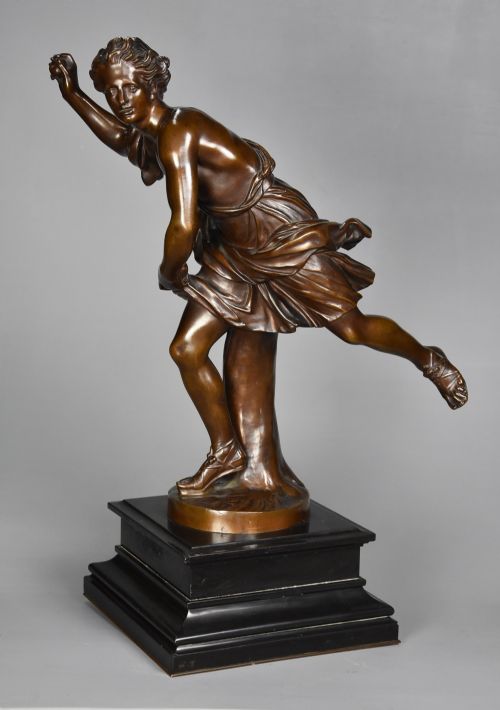
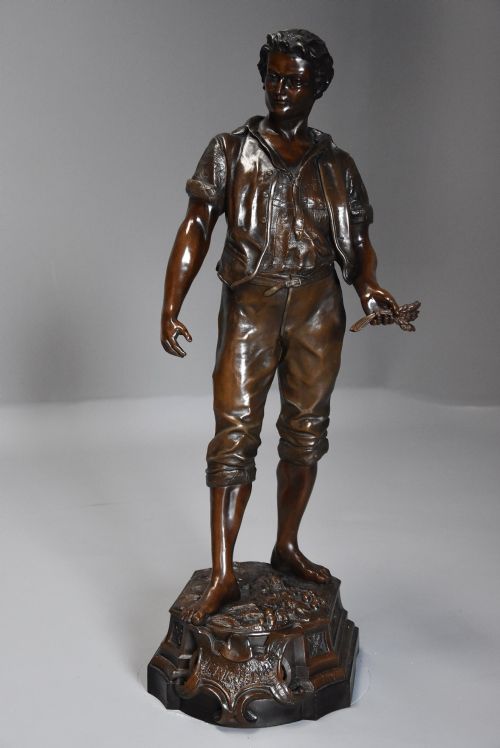
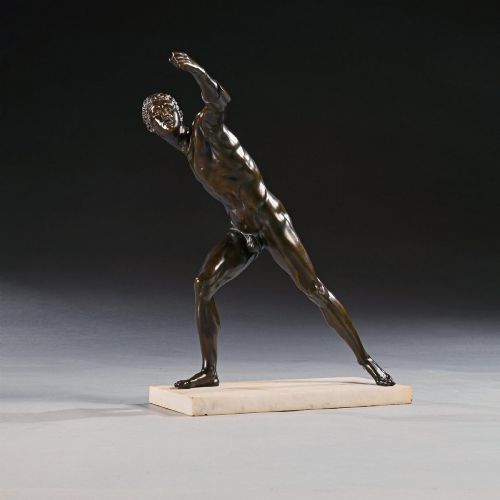
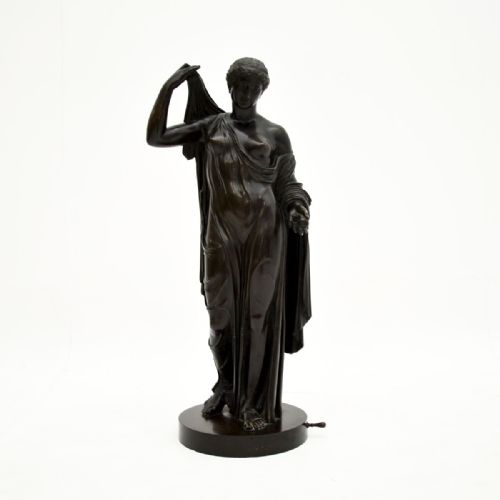
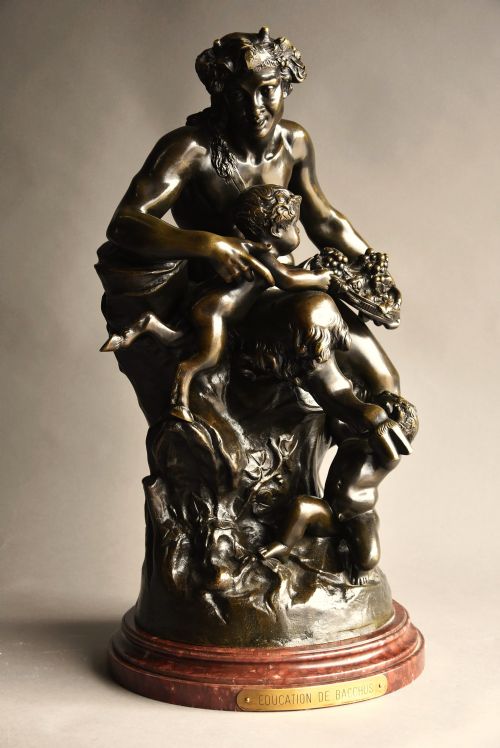
A large bronze statue encompasses a diverse array of figural and animal sculptures originating from nineteenth-century European foundries, Asian workshops, and later revival periods. These pieces range from classical mythological figures and Grand Tour souvenirs to Japanese okimono and Buddhist deities.
Buyers encounter French foundry casts, Italian Renaissance copies, and Asian cast bronzes, often sharing floor or table space with figural lamps and advertising figures. The selection includes works cast by established European artists alongside traditional overseas temple and garden bronzes.
Many of these substantial sculptures incorporate integrated marble bases or stands, while others take the form of monumental animal groups, human figures, and allegorical subjects. The physical scale of these works typically demands dedicated floor placement or sturdy furniture support.
Materials and casting methods
The majority of European and Asian works rely upon traditional lost-wax casting or sand casting methods in copper alloy and bronze, often finished with chemical patination to achieve dark brown, green, or gilt surfaces. Spelter frequently appears as a more affordable alternative material in late nineteenth- and early twentieth-century decorative figures.
Marble and stone plinths frequently support heavy bronze figures, providing stability and visual contrast to the dark metal. Guilds and foundries utilised chased detailing and applied gilding to highlight drapery, hair, and ornamentation on finished sculptures.
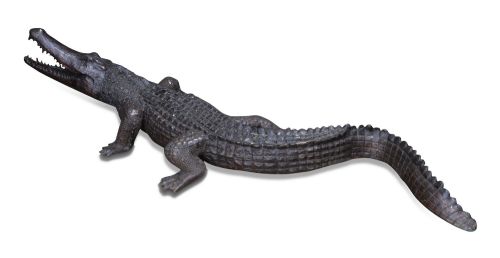
A life-size bronze crocodile measuring nearly three metres long waits among the inventory alongside traditional human figures and animals.
Factors of quality
The crispness of the cast and the depth of the chased surface detail distinguish superior bronze sculpture from standard commercial production. Master founders preserved subtle anatomical transitions and sharp clothing folds during the chasing process.
The sophistication of the patination and the integrity of the original foundry marks contribute directly to the status of a piece. Heavier metal gauge and stable mounting onto architectural marble bases indicate superior construction.
Ferdinand Barbedienne·Jomi Eisuke·F.Milliot·E Villanis·Masaaki·Edouard Drouot·Franz Bergman·Emile Louis Picault·Kaniya Kuniharu·C Masson
The Large Bronze Statue Glossary
- Patination
- The chemical or natural surface coloration applied to bronze sculpture. This process produces distinct brown, green, or black tones that protect the metal and define its visual depth.
- Lost-wax casting
- A historic method for creating metal sculptures from an original model encased in wax and mould material. Molten bronze replaces the melted wax inside the ceramic shell.
- Spelter
- A zinc alloy commonly utilised as a substitute for bronze in decorative figures and lamps. It typically receives a bronze-coloured metallic paint finish to mimic genuine cast metal.
- Okimono
- A Japanese term for a decorative object or statue designed for display on a shelf or cabinet. These figures frequently depict animals, deities, or historical subjects in bronze.
- Chasing
- The manual finishing process applied to a raw bronze casting using small chisels and hammers. This technique refines surface textures and sharpens details obscured during the mould-removal stage.
Large Bronze Statue: Frequently Asked Questions
How heavy are these statues?
Most large bronze statues weigh several kilograms, with monumental examples and those mounted on heavy marble bases exceeding significant lifting limits. Proper placement requires verifying the weight capacity of supporting furniture or flooring.
Heavier pieces benefit from fixed placement where accidental tipping is prevented. Professional installation is often necessary for floor-standing figures exceeding normal furniture tolerances.
Can these statues live outside?
Certain garden bronzes and copper alloy okimono tolerate exterior placement, developing a stable protective layer over time. Weathered environments suit specific garden pieces designed for outdoor exposure.
Indoor sculptures featuring gilt surfaces, delicate patination, or spelter construction must remain protected from moisture and direct sunlight. Environmental fluctuations can damage integrated marble bases and applied finishes.
How do I clean a bronze statue?
Routine maintenance involves gentle dusting with a soft, dry cloth to prevent particulate accumulation on the surface. Avoid using chemical polishes, abrasive cloths, or water, which strip original patination.
Applied wax coatings require periodic professional renewal to maintain surface protection against humidity. Aggressive cleaning removes historical patination and diminishes the value of antique metalwork.
What does signed mean on a bronze?
A signature cast directly into the metal indicates the foundry edition or the model author whose work inspired the piece. Signatures associated with prominent founders or sculptors confirm production standards from specific historic periods.
Some signatures appear as foundry stamps or incised artist marks near the base of the sculpture. Comparing these marks with documented foundry records helps identify the origin of the cast.