
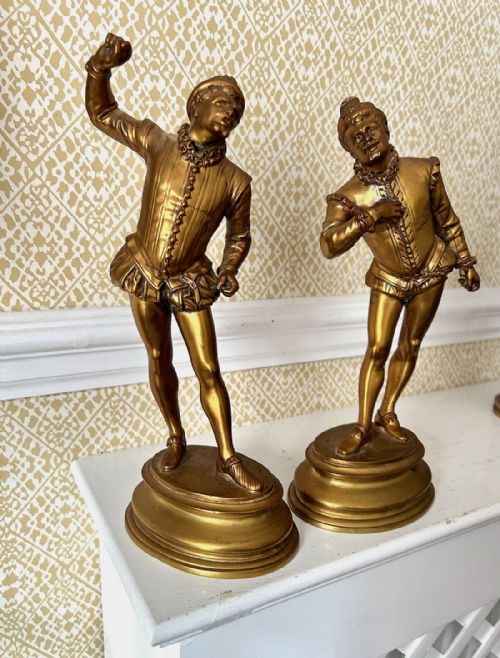


Renaissance Bronze Sculpture
These pieces of renaissance bronze sculpture bring classical mythology, Italian masterworks and historical figures into domestic spaces with dramatic presence.
Renaissance Bronze Sculpture
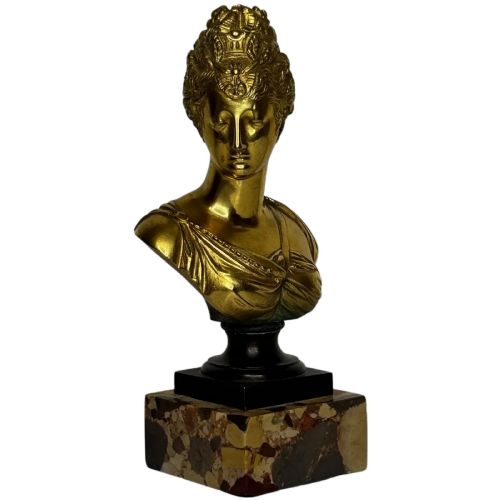
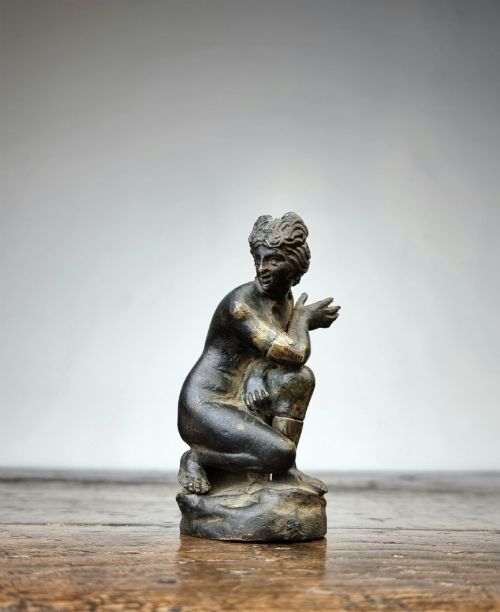
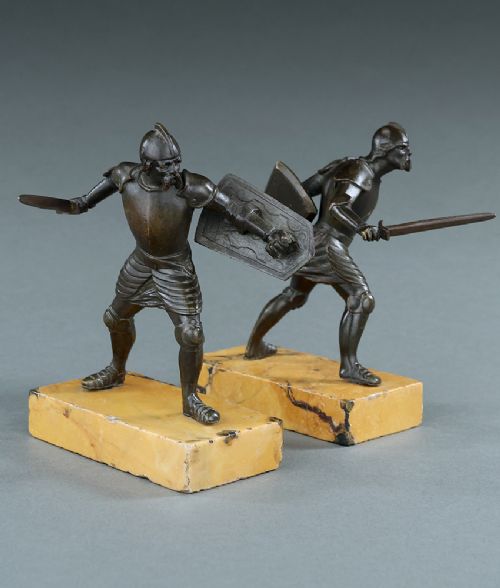
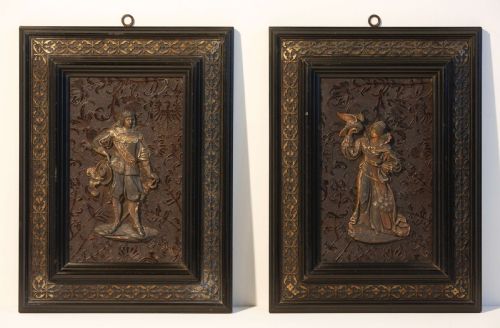
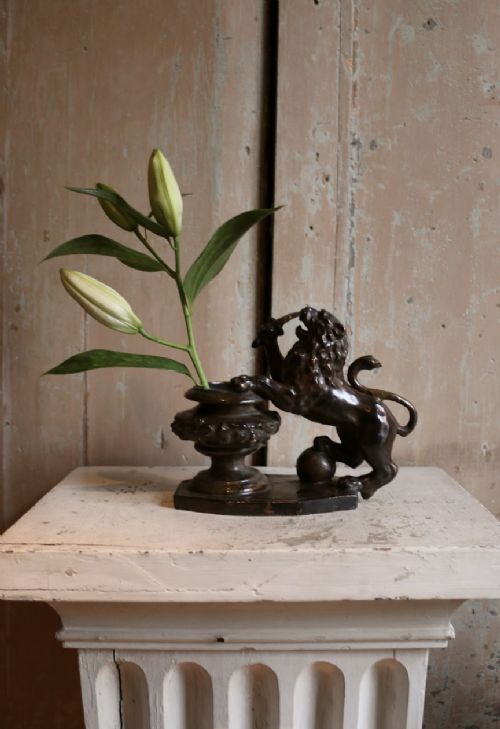
When you search for a renaissance bronze sculpture, you encounter small figures, animals and architectural reliefs derived from classical antiquity and later revivals. The objects on this page range from early seventeenth-century casts to nineteenth-century Grand Tour souvenirs and Renaissance Revival mantel clocks.
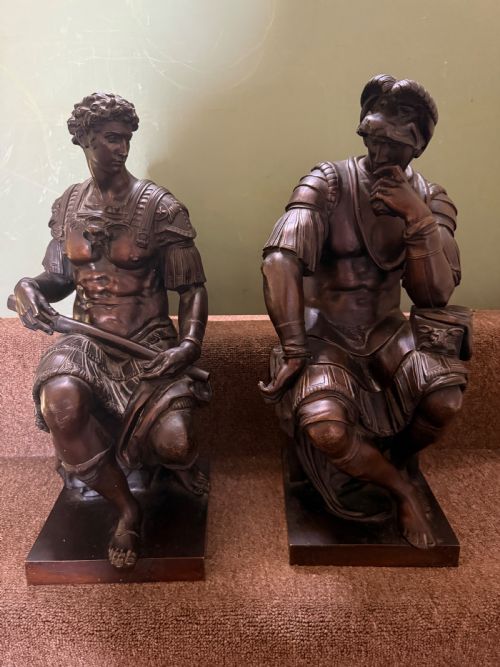
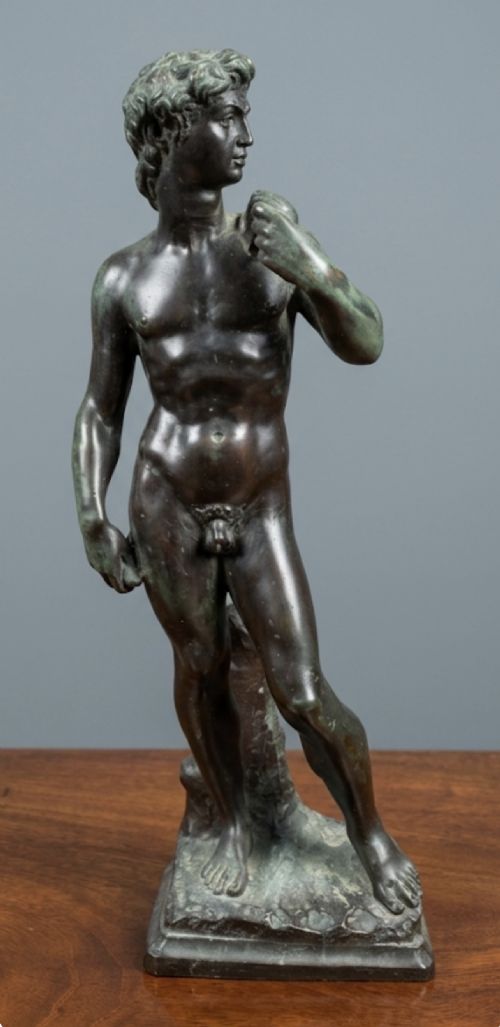
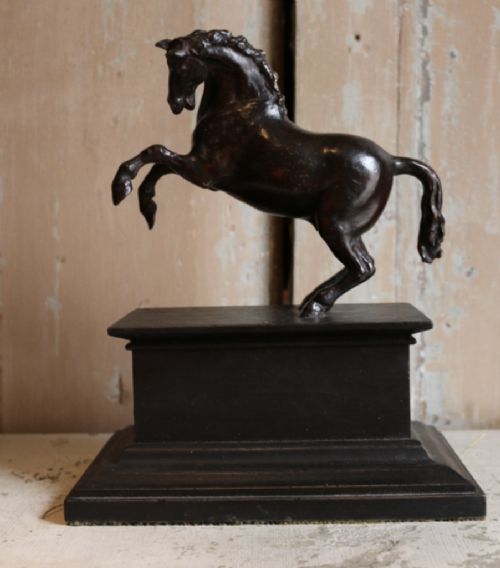
You are most likely to meet nineteenth-century interpretations of earlier masterpieces, including figures of Medici dukes, rearing horses and mythological subjects after sculptors such as Michelangelo and Giambologna. These works capture the ambitions of collectors who travelled through Europe acquiring reductions of famous monuments.
The selections span cabinet statuettes, wall plaques, inkwells and large equestrian groups cast in patinated or gilt bronze, sometimes paired with marble or wood bases. Each piece reflects the enduring fascination with sixteenth-century forms across subsequent generations.
Materials and Casting Methods
The primary medium is bronze, an alloy of copper and tin that allows for sharp detail and deep patination, alongside variations like gilt bronze and white metal. Foundry workers applied patinas ranging from dark brown to green tones to simulate age and enhance the modelling.
Many nineteenth-century editions utilise reduction techniques or direct casting after celebrated Renaissance originals, mounted upon marble or amboyna pedestals. Gilded accents and applied mercury or fire-gilding highlight specific areas of armour, drapery and architectural ornament.
The listings show pieces spanning from the seventeenth century through to the early twentieth century, executed in bronze, gilt bronze, spelter and marble.
Judging Quality
The depth of definition in the hair, clothing folds and harness details distinguishes works produced by established foundries from mass-market souvenirs. Careful finishing of the metal surface separates exceptional sculptural studies from standard decorative castings.
Barbedienne·Eurotrope Bouret·Marcel Debut·Duboy·Paul Fournier·Leofanti Adolphe
The Renaissance Bronze Sculpture Glossary
- Grand Tour
- A cultural journey undertaken by wealthy young Europeans through France and Italy to collect art and antiquities. Souvenirs from these travels included reduced bronze copies of famous Renaissance and classical sculptures.
- Patination
- The chemical or natural colouration applied to the surface of bronze. This treatment protects the metal and creates deep brown, black or greenish tones.
- Gilt Bronze
- Metal coated with a thin layer of gold using mercury amalgamation or electrochemical plating. This technique highlights ornamental details and adds rich colour contrast to the darker bronze body.
- Spelter
- A zinc alloy commonly utilised as a cheaper alternative to bronze for nineteenth-century figures. It is lighter in weight and softer under the surface than true bronze.
Renaissance Bronze Sculpture: Frequently Asked Questions
How can I tell a seventeenth-century cast from a nineteenth-century copy?
Early seventeenth-century casts often exhibit hand-finishing, tool marks and specific patination traits associated with workshop practices of the period. Nineteenth-century revivals typically show the influence of industrial founding techniques and commercial foundry stamps.
Examining the underside, the quality of the chasing and the wear on the metal helps determine the actual period of manufacture.
What subjects are common in these sculptures?
Popular subjects include historical figures like Henry IV and Renaissance knights, alongside mythological figures such as Venus, Mars and Sabine women. Equestrian monuments and animals like rearing horses and pacing bulls also feature prominently.
Many of these designs directly reference public statues located in Italian piazzas and royal collections.
How do I care for a bronze sculpture?
Maintenance requires occasional dusting with a soft, dry cloth to prevent dirt accumulation on the patinated or gilt surface. Avoid using chemical cleaners, polishes or water, which can damage the historic patina.
Keeping the sculpture away from direct heat sources and high humidity preserves the stability of the metal and any attached marble bases.