




Classical Nude Statue
A classical nude statue brings timeless proportion and sculptural grace into a room, offering the enduring human form rendered in metal, stone and wood.
What these pieces are
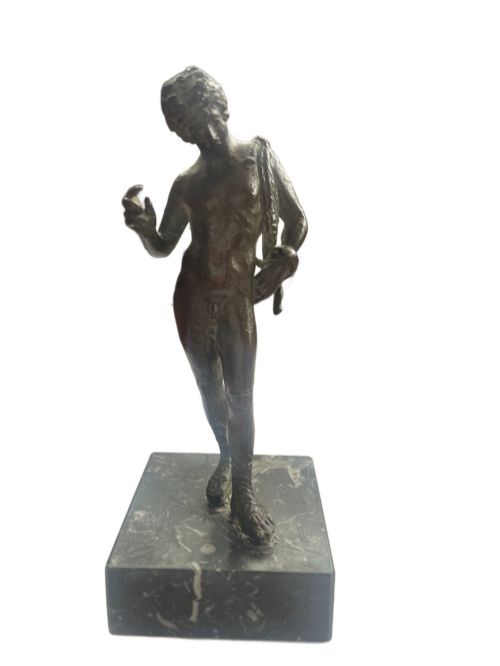
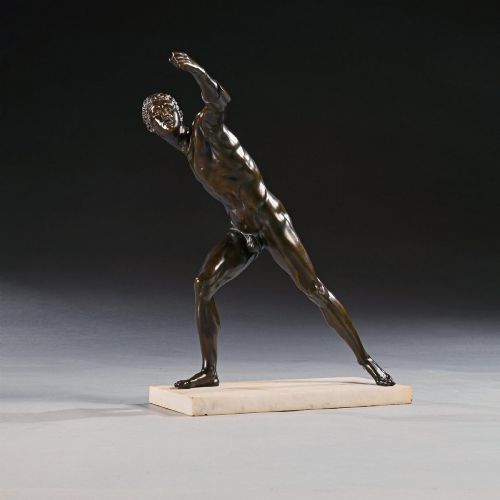
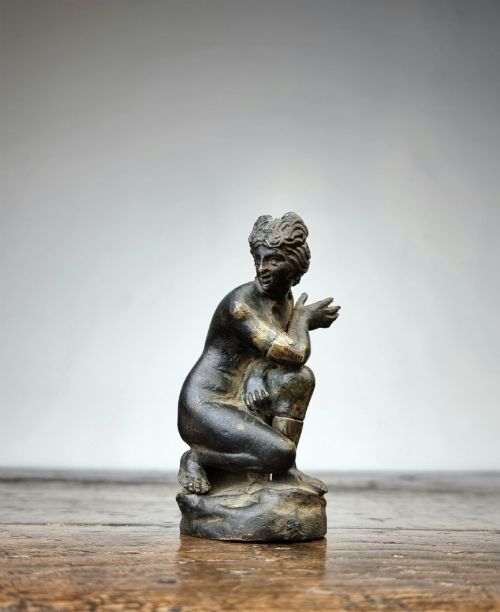
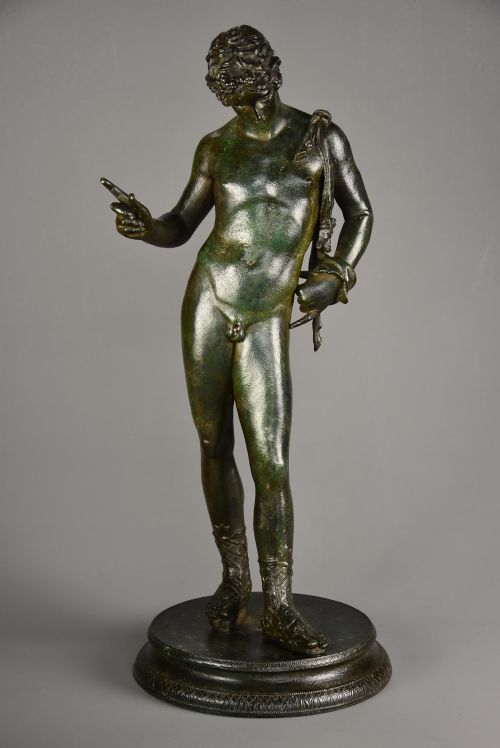
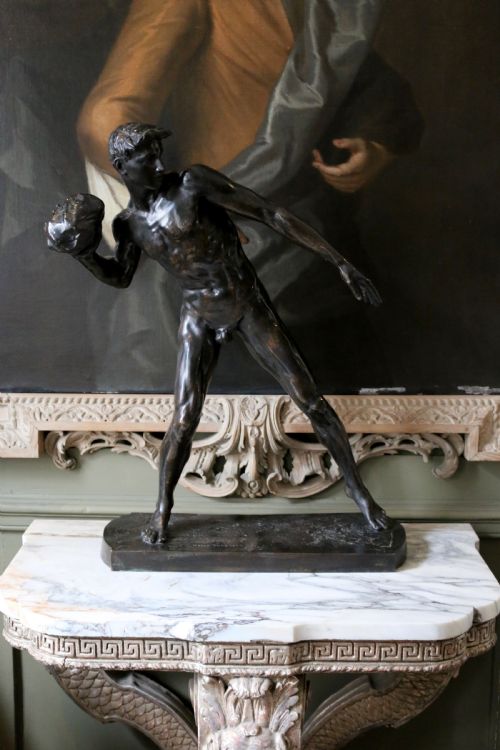
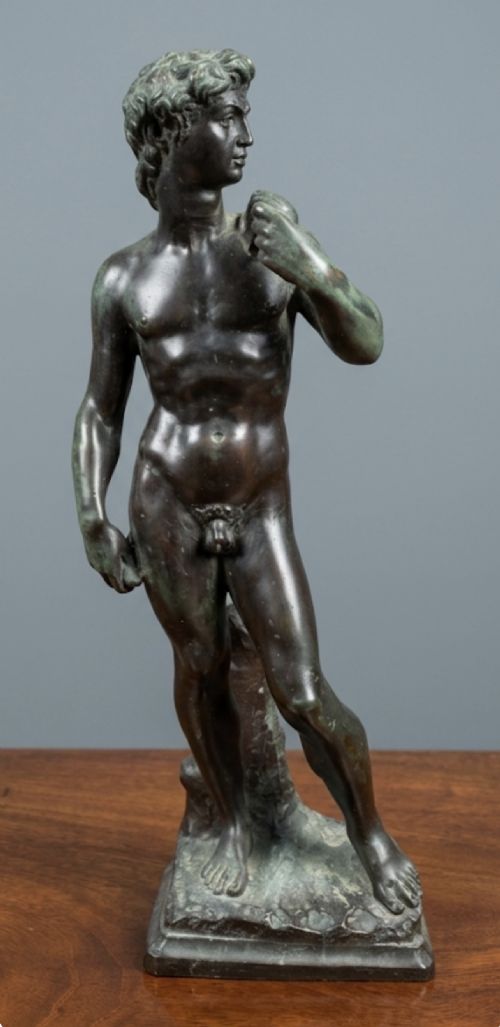
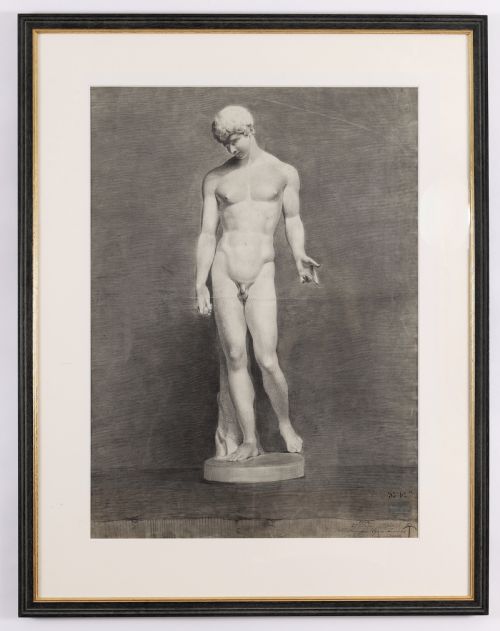
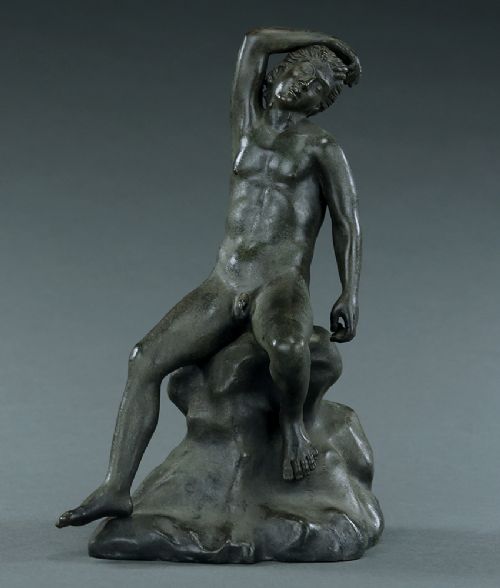
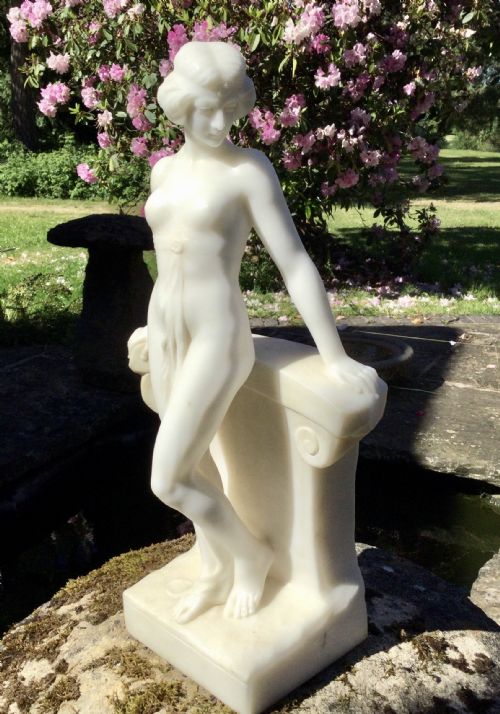
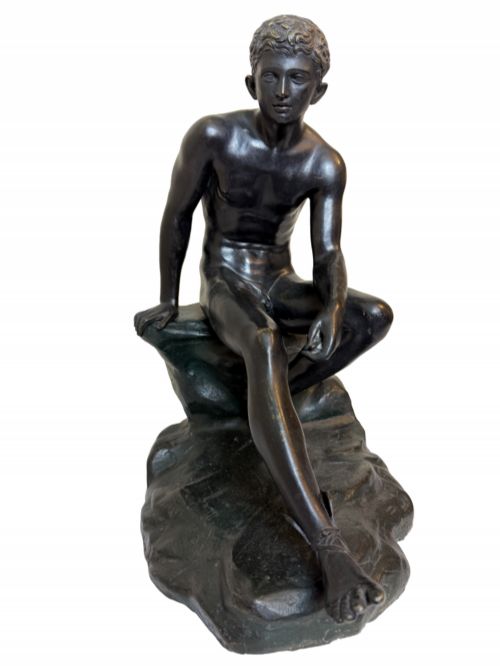
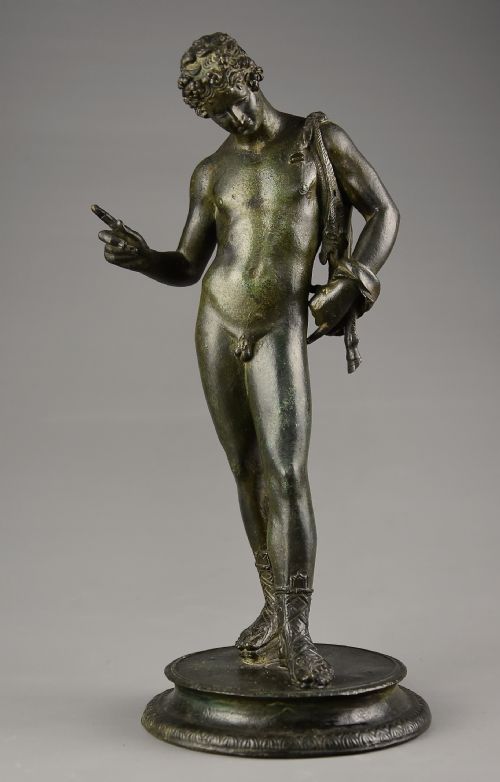
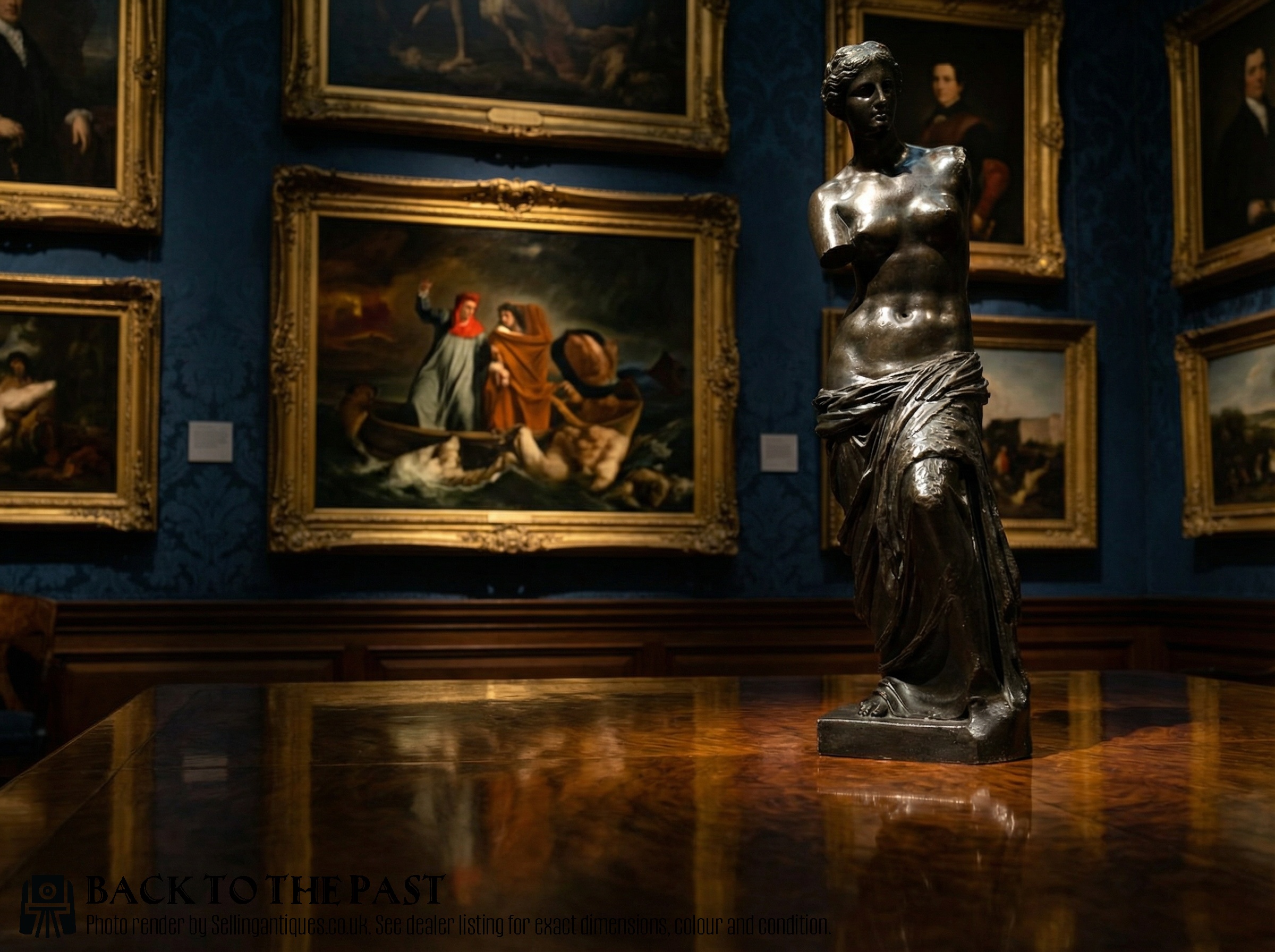
A classical nude statue represents the human body through traditional aesthetic lenses, drawing on ancient forms like the Venus de Milo as well as later revivals. When browsing this selection, you encounter figures rendered in bronze, carved marble, soft alabaster and limewood.
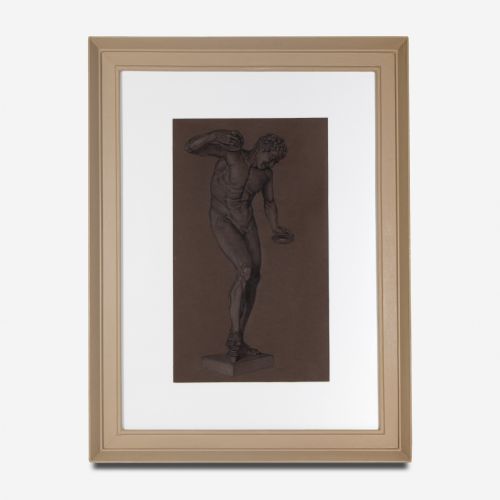
The pieces on this page span the late nineteenth and early twentieth centuries, encompassing the Belle Epoque, Art Nouveau and Art Deco movements. You find reclining figures, dancers with hoops, musicians and Grand Tour reductions designed for domestic display.
Originating from French workshops and Italian foundries, these sculptures vary from small cabinet bronzes to larger floor or table figurines. Each piece captures the physical dynamism or repose valued by makers working within neoclassical and revivalist traditions.
How they were made
Bronze figures are produced through the lost-wax casting method, capturing fine musculature and drapery before receiving patination. Marble and alabaster examples are hand-carved from solid stone, utilising chisels and rasps to achieve smooth, luminous surfaces.
Limewood carvings rely on direct subtractive work with gouges, preserving the natural grain and warm tone of the organic material. Stone sculptures are frequently mounted onto contrasting marble bases for stability and aesthetic balance.
Retail Price Guide 2026
Typical UK retail prices for classical nude statue, calculated from the Sellingantiques database of over a million retail prices indexed since 2003. This retail price guide relies exclusively on Sellingantiques data; no external sources or auction records are used, so the figures do not describe the wider market.
Styles represented span Neoclassical, Art Nouveau, Art Deco and Belle Epoque traditions.
What varies in quality
Quality rests in the anatomical precision of the modelling and the sensitivity of the surface finish. A superior bronze displays crisp chasing that defines muscles and hair without losing the fluidity of the original clay model.
In stone and wood, the finesse of the carving dictates the piece's success, particularly in how light plays across the contours of the body. The integration of the figure with its base, whether veined marble or turned wood, completes the composition.
Hans Müller·Ferdinando de Luca
The Classical Nude Statue Glossary
- Grand Tour
- A nineteenth-century tradition where travellers collected miniature bronzes of famous antiquities. These reduced copies served as portable reminders of classical education and cultural travel.
- Lost-wax casting
- A metalworking process where a molten metal is poured into a mould that has been created by means of a wax model. Once the wax is melted away, the bronze takes its exact place.
- Patina
- The chemical colouration or natural surface alteration that develops on bronze over time. Artisans also apply chemical treatments intentionally to achieve dark brown, green or golden tones.
- Neoclassical
- A style spanning the eighteenth and nineteenth centuries that revives the aesthetics and themes of ancient Greece and Rome. It prioritises clarity of form, order and dignified restraint.
- Alabaster
- A fine-grained, translucent stone prized for its soft texture and warm luminosity. It allows light to penetrate just beneath the surface, giving carved skin a lifelike glow.
Frequently Asked Questions
What is a classical nude statue?
A classical nude statue is a sculptural representation of the human form inspired by ancient Greek and Roman art. These works celebrate anatomical harmony and proportion.
They appear in materials such as bronze, marble, alabaster and wood, created across various revival periods from the nineteenth century onward.
Where were these sculptures made?
Many of these pieces originate from European artistic centres, notably France and Italy, during the nineteenth and early twentieth centuries. Foundries and studios produced both large exhibition pieces and smaller works for domestic interiors.
Grand Tour souvenirs specifically catered to travellers seeking portable representations of famous classical antiquities.
How do I display a bronze figure?
Bronze figures require stable placement on level surfaces such as sideboards, desks or dedicated pedestals. Ensure they sit away from direct heat sources to protect any underlying stone or wood bases.
Dust them gently with a soft, dry cloth to maintain the integrity of the patina without abrading the metal.
How do I identify the material?
Bronze feels cool and heavy, often showing a deliberate patinated colour rather than raw metal. Marble and alabaster are cold to the touch and heavy, with stone veining visible beneath the surface.
Limewood is lighter, warm to the touch and reveals natural wood grain under magnification.