


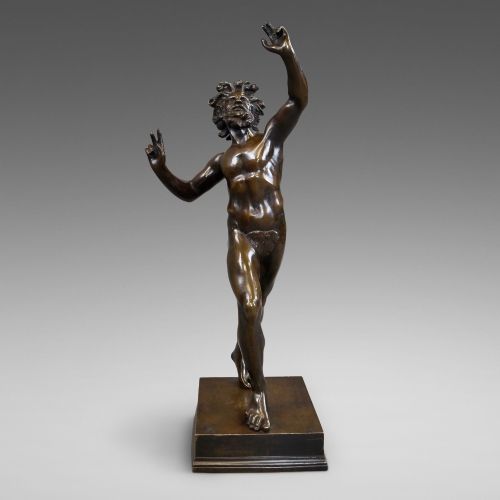
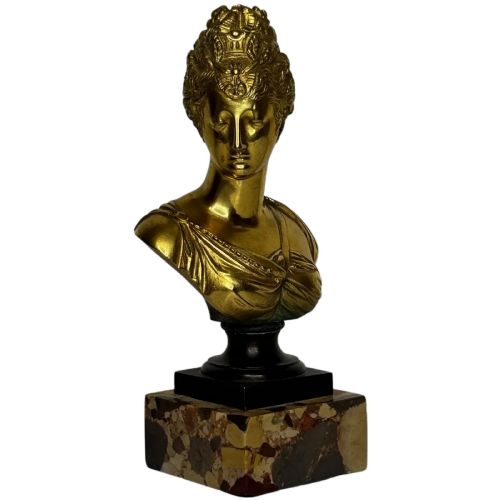
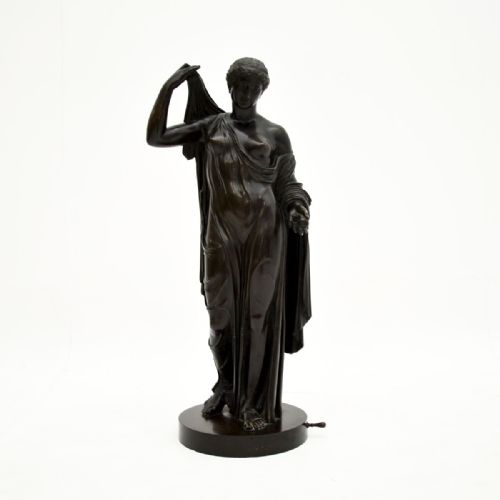
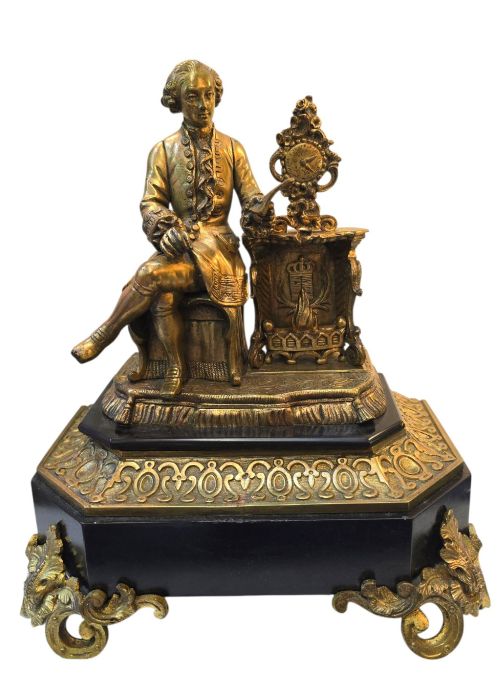
Neoclassical Bronze Figures
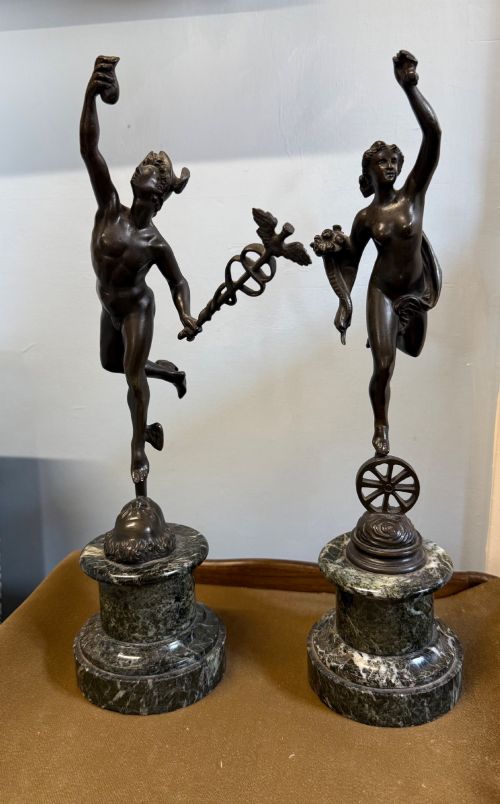
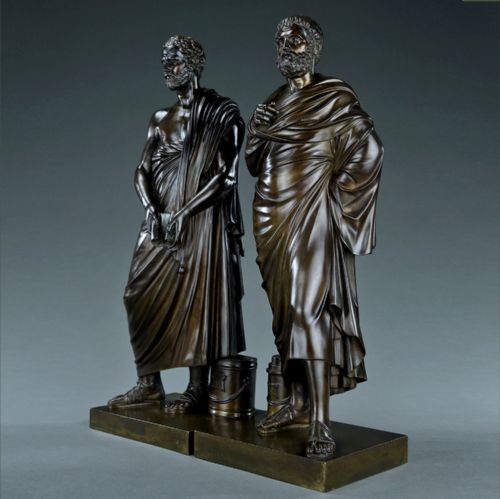
Neoclassical bronze figures bring the disciplined dignity of ancient sculpture directly into your room, cast in heavy metal and mounted on marble.
Neoclassical Bronze Figures
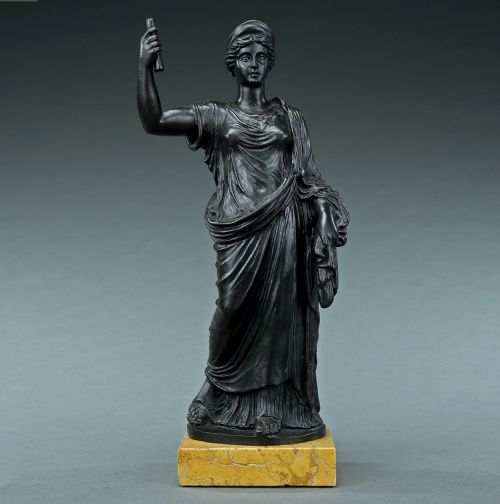
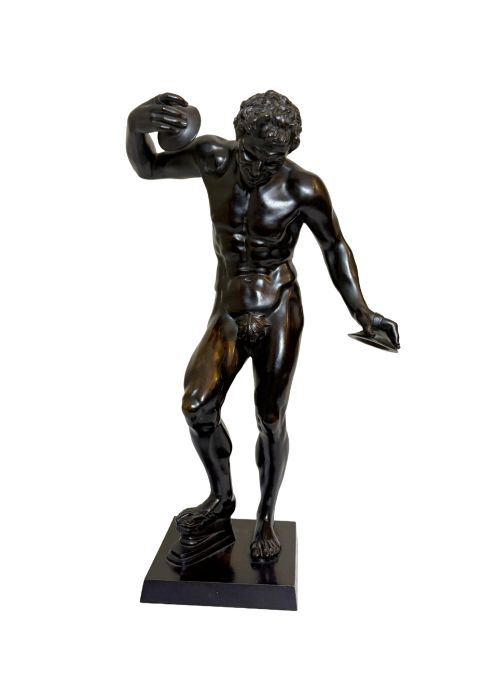
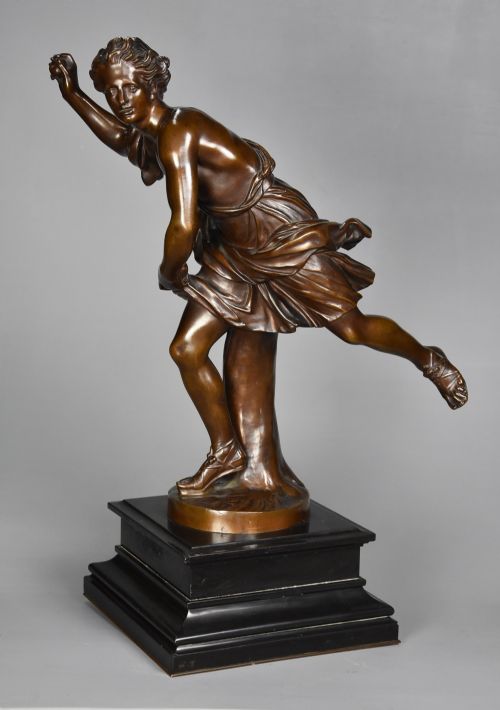
When you search for neoclassical bronze figures, you are looking at cast metal works that reproduce or reinterpret classical antiquities. These pieces emerged from the Grand Tour tradition, where travellers collected souvenirs of ancient Greek and Roman art during their journeys through Italy. The selection on this page centres primarily on late nineteenth-century productions, alongside mid-century interpretations and broader nineteenth-century examples.
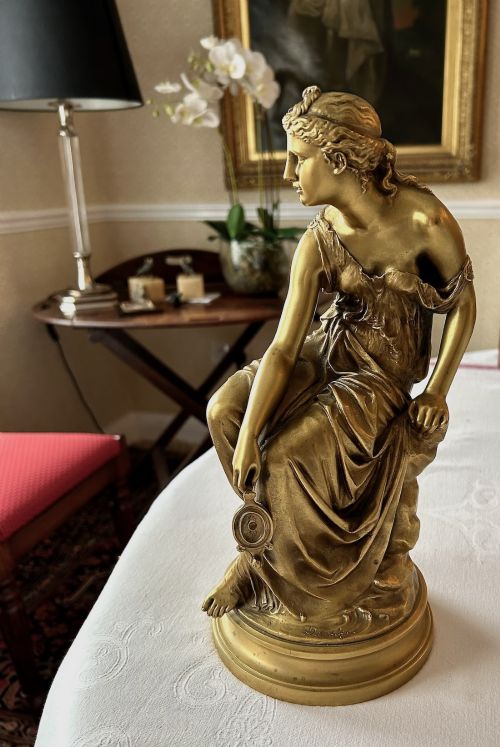
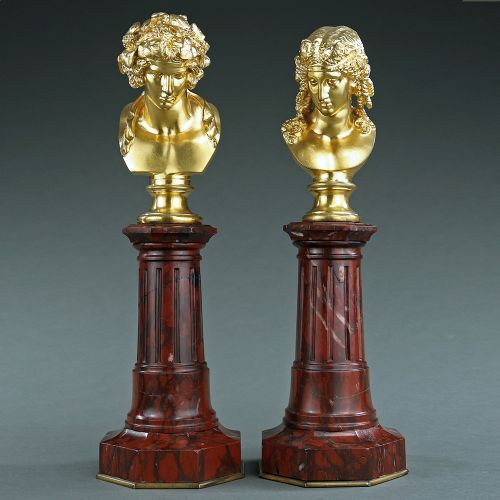
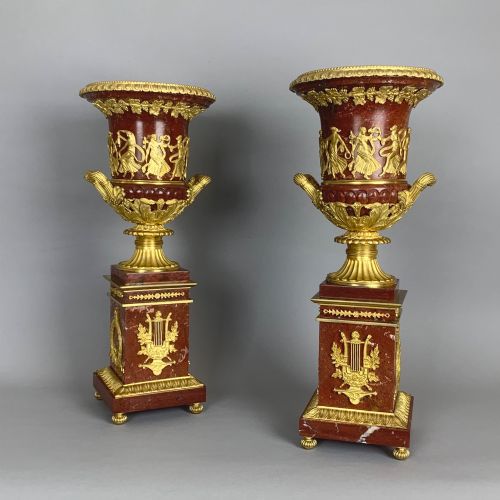
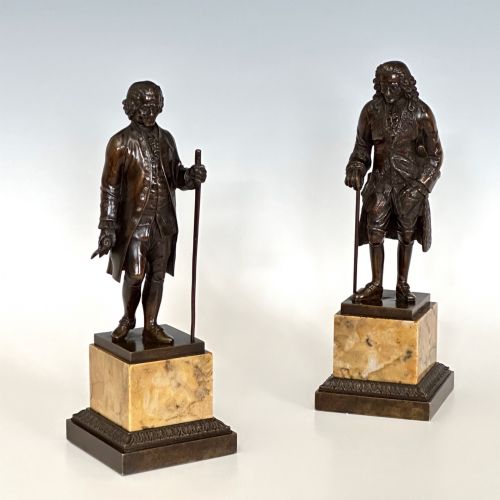
The forms span several distinct object types, ranging from individual sculptures and statues to portrait busts of classical philosophers and mythological figures. You will frequently encounter pairs of figures depicting deities such as Athena and Zeus, or young heroes like Antinous and Dionysus. Other iterations include functional decorative items, notably ormolu and bronze candelabra designed in the manner of Thomas Hope.
Most pieces sit upon integral or fitted stone plinths, frequently utilising red marble, Sienna marble, or plain black marble bases that elevate the metalwork. Their origins typically trace back to Italian workshops catering to foreign travellers, as well as British workshops working within the Regency aesthetic. They offer an interior presence rooted in classical mythology and philosophy without requiring museum access.
Materials and Manufacture
These metal components were married with natural stone, specifically varieties of marble such as red and Sienna, which were turned or cut to form stable pedestals. The juxtaposition of cold, dark patinated bronze or gleaming gilt bronze against the colourful veining of marble formed a hallmark of the manufacturing process.
Retail Price Guide 2026
Typical UK retail prices for neoclassical bronze figures, calculated from the Sellingantiques database of over a million retail prices indexed since 2003. This retail price guide relies exclusively on Sellingantiques data; no external sources or auction records are used, so the figures do not describe the wider market.
Dating across these pieces spans the nineteenth century, with specific examples recorded from eighteen-fifty, eighteen-sixty, and eighteen-eighty.
The Gradient of Quality
Quality in these castings rests upon the crispness of the chisel work after the piece leaves the sand mould. Finer examples retain sharp facial expressions and deep relief in hair and drapery, whereas lesser works show softened contours and blurred surface details from worn moulds.
The selection of the base material also dictates the tier of the piece. Solid, richly coloured marbles with harmonious veining elevate the work, while plain or poorly fitted stone indicates a more commercial souvenir production intended for the tourist trade.
The Neoclassical Bronze Figures Glossary
- Grand Tour
- A traditional extended journey through Europe, undertaken by wealthy young men in the eighteenth and nineteenth centuries to study classical art. Travellers purchased souvenir sculptures and bronzes to display upon their return.
- Patinated Bronze
- Metal treated with chemical solutions to produce a darkened, weathered surface finish. This technique simulates the appearance of buried antiquities.
- Ormolu
- Finely ground gold-mercury amalgam applied to a bronze base, creating a brilliant golden surface. It was extensively used in French and Regency decorative arts.
- Sienna Marble
- A decorative yellow and brown stone quarried in Italy. It was frequently used for the columns and bases of nineteenth-century sculpture.
Frequently Asked Questions
How were these figures used?
Nineteenth-century collectors displayed them on mantelpieces, libraries, and side tables to signal classical learning and sophistication. Some examples, such as candelabra, served a dual decorative and lighting purpose.
They functioned as tangible connections to the ancient world, brought home from travels through Italy.
How do I style them at home?
Pair them with dark wood furniture, leather-bound books, or traditional architectural details to complement their nineteenth-century origins. They work well as focal points on sideboards or mantel shelves where their marble bases provide stability and contrast.
Allow them breathing room so the silhouette of the bronze and the colour of the marble can be appreciated without visual clutter.
How do I tell nineteenth century pieces apart?
Examine the quality of the chasing and the depth of the patination on the metal surface. Nineteenth-century Grand Tour pieces often feature specific Italian marble bases and show hand-finished chisel marks beneath the dark surface.
Compare the style of the casting against known Regency or late Victorian design motifs to narrow down the decade of production.