
Dark Bronze Statuettes
Dark bronze statuettes bring weight and classical form to a room, offering nineteenth-century figures cast with patinated surfaces and fine detail.
What dark bronze statuettes are
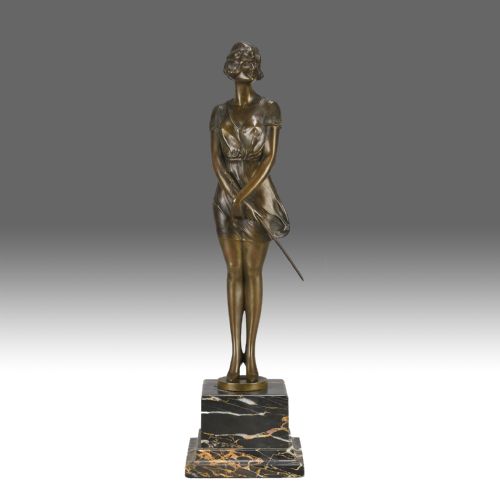
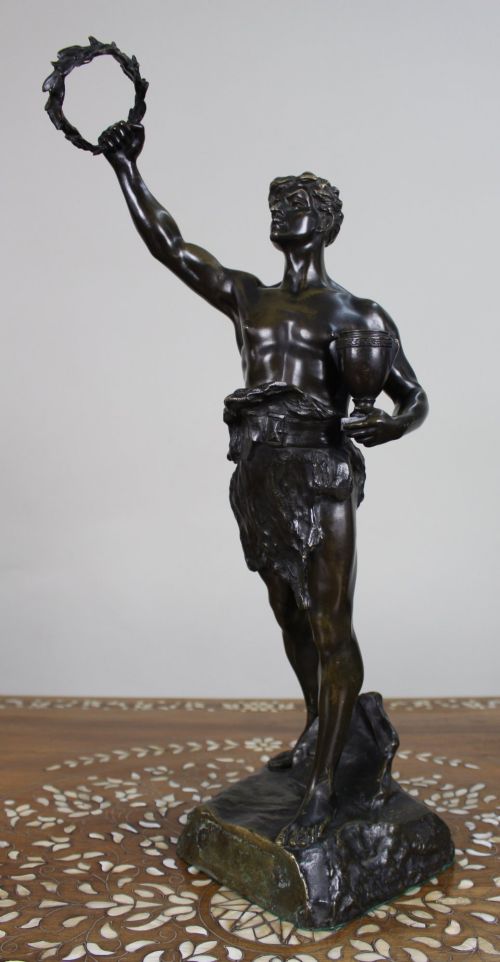
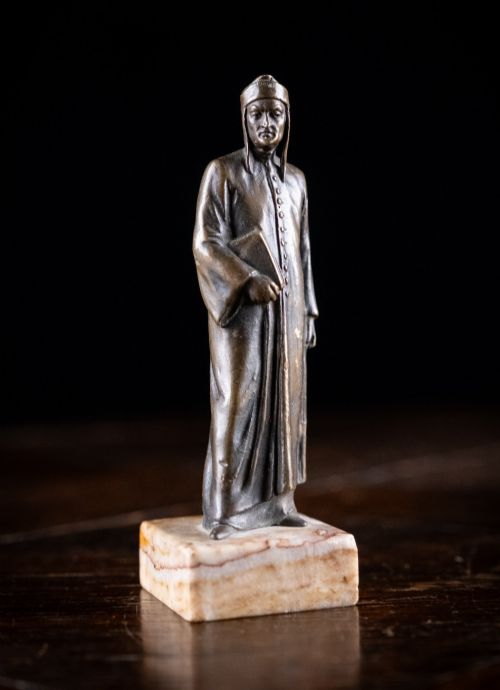
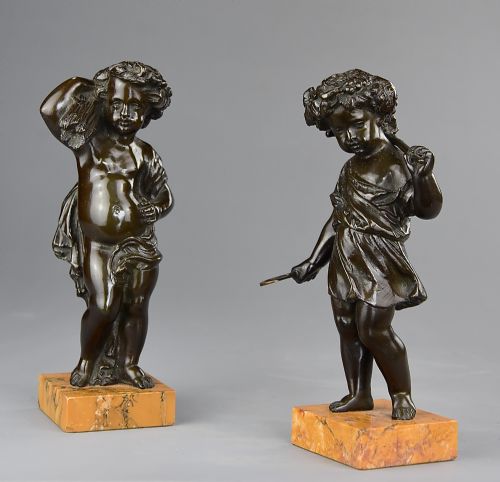
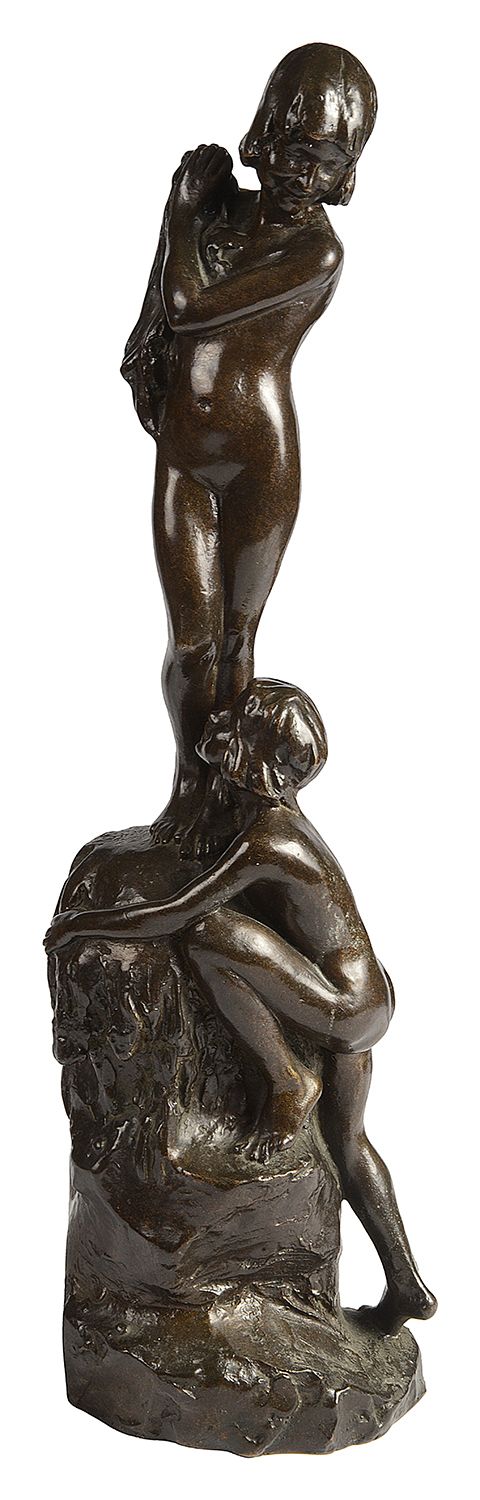
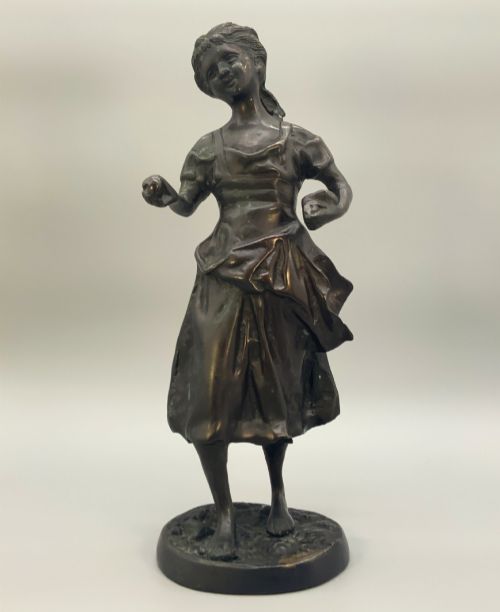
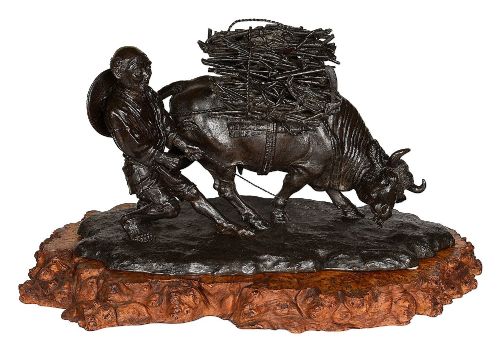
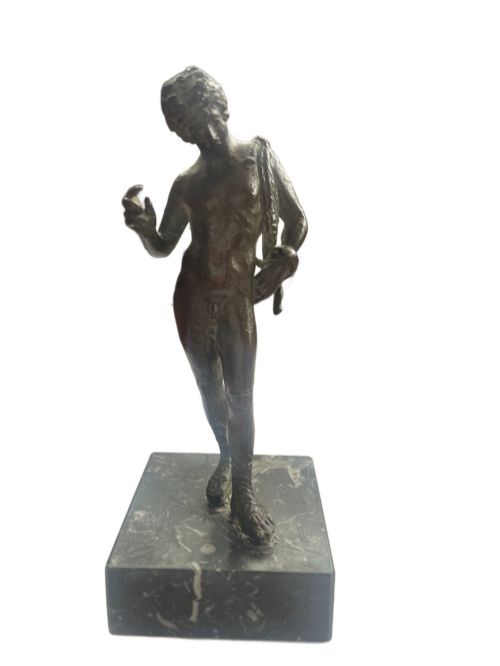
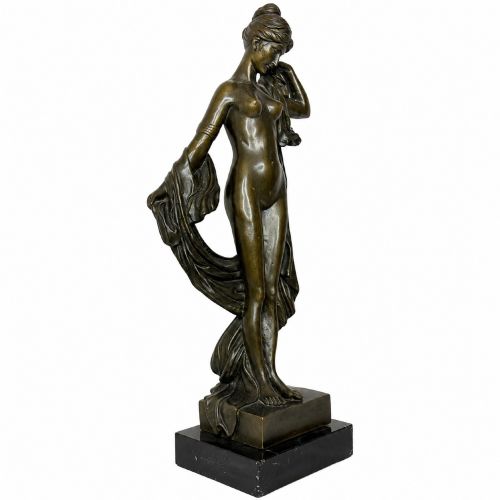
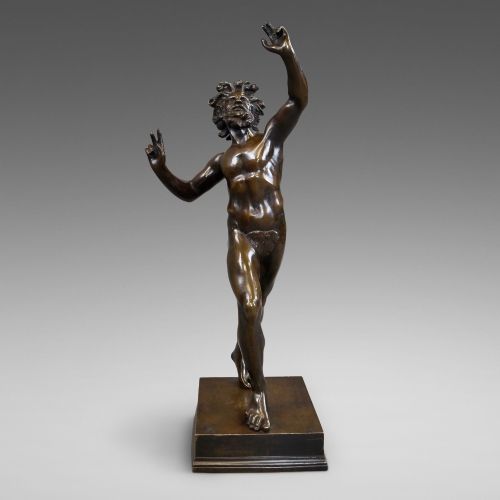
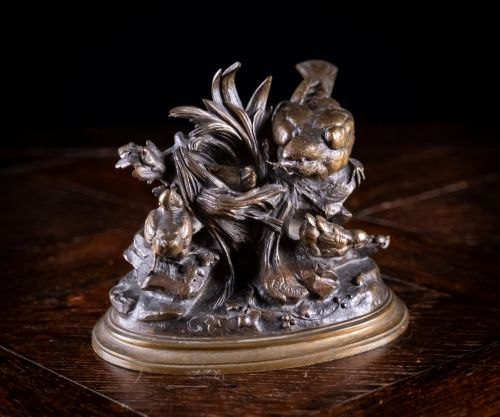
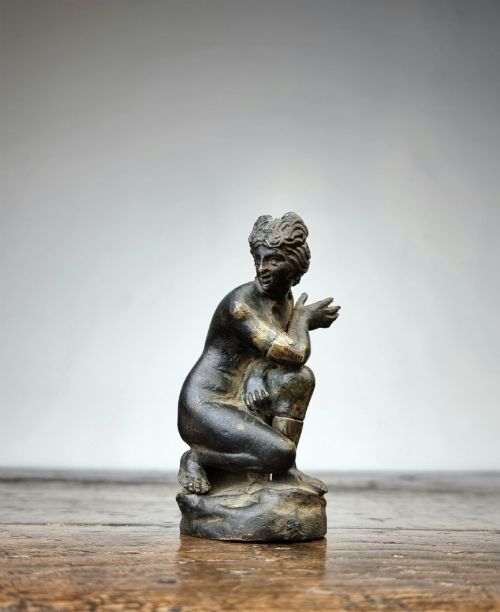
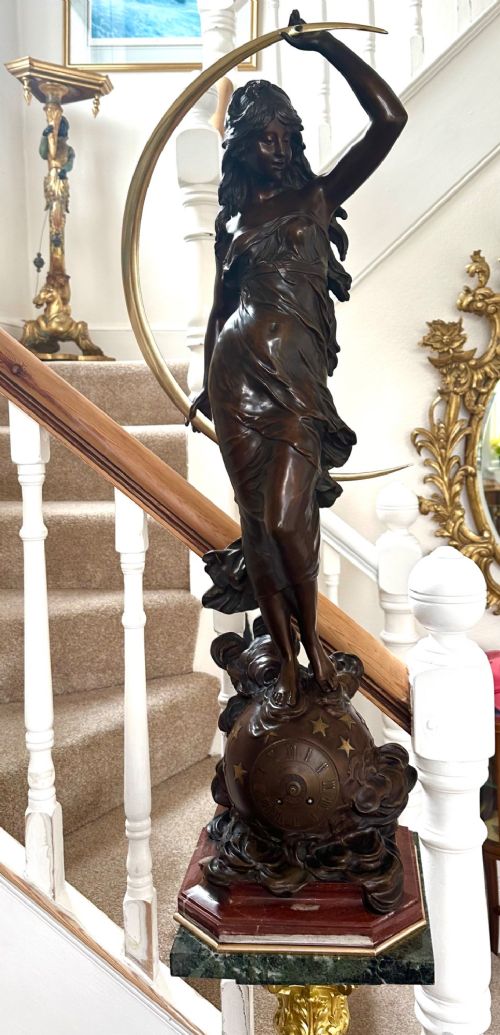
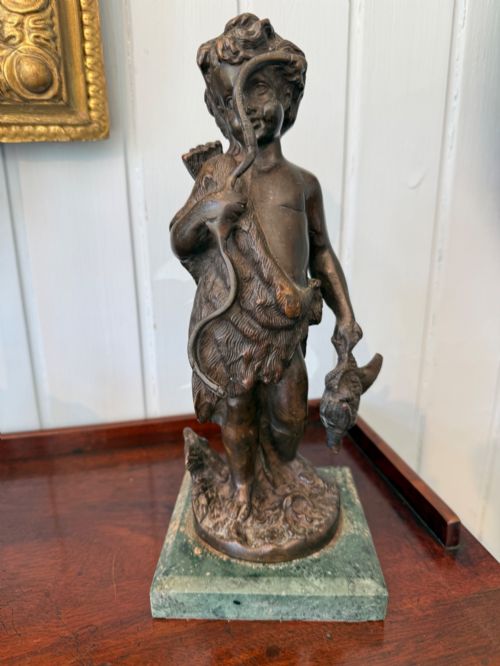
Dark bronze statuettes encompass nineteenth-century sculptures and figures cast in metal with patinated bronze finishes. These pieces often depict classical deities, historical warriors, and Renaissance subjects in compact sculptural forms.
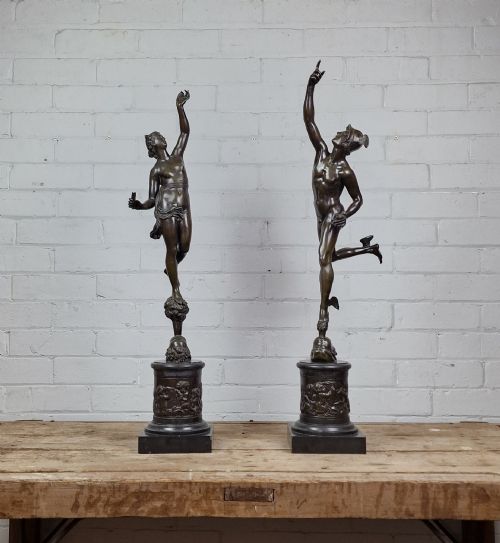
Buyers frequently encounter pairs of figures originating from French workshops or Austrian foundries during the Victorian period. Common subjects include Anglo-Saxon warriors, cavaliers, and mythological figures such as Athena and Zeus.
The selection ranges from Grand Tour souvenirs to grander interpretations of Renaissance masterpieces like Michelangelo's Medici figures. Most examples stand on integral bases or incorporate materials like ebonised wood and oak in their presentation.
How they were made
Foundries produced these pieces using metal casting techniques to capture intricate details of drapery, armour, and facial expressions. Molten bronze poured into moulds resulted in solid or hollow figures that required meticulous post-casting channelling and finishing.
Retail Price Guide 2026
Typical UK retail prices for dark bronze statuettes, calculated from the Sellingantiques database of over a million retail prices indexed since 2003. This retail price guide relies exclusively on Sellingantiques data; no external sources or auction records are used, so the figures do not describe the wider market.
Nineteenth-century travellers routinely packed heavy metal warriors in their luggage to prove they survived the Grand Tour.
What varies in quality
Quality also rests in the fidelity of the casting to its original subject, particularly in Grand Tour reductions and Renaissance revivals. Substantial weight, balanced proportions, and careful integration with wood bases elevate the standing of a piece within its period.
Emile Victor Blavier
The Dark Bronze Statuettes Glossary
- Patinated Bronze
- Bronze treated with chemical solutions to produce a controlled surface colour, typically dark brown, black, or greenish tones. This finish protects the metal and defines the sculptural contours.
- Grand Tour
- A cultural journey undertaken by nineteenth-century travellers who collected small bronzes and classical antiquities as mementoes. These souvenirs often replicated famous statues seen in Italy and France.
- Ebonised Wood
- Timber treated to resemble ebony, providing a dense, black mounting surface for bronze figures. It creates a dark, uniform contrast that highlights the metallic sheen of the statuette.
- Renaissance Revival
- A nineteenth-century artistic movement that drew inspiration from fifteenth and sixteenth-century art. Sculptors reinterpreted classic subjects, including figures by Michelangelo, using contemporary casting methods.
Frequently Asked Questions
What subjects do these figures show?
These statuettes frequently portray classical deities, Renaissance personalities, and historical warriors such as cavaliers and Anglo-Saxon fighters.
Many examples derive from famous monuments or mythological narratives popular during the nineteenth century.
Where were these bronzes made?
Production centred largely in French and Austrian foundries during the Victorian era and the mid-nineteenth century.
Grand Tour pieces often originated in workshops catering specifically to travellers visiting continental cultural centres.
How do I display them?
These compact sculptures suit placement on mantels, desks, or dedicated display tables where their dark surfaces catch the light.
Pairs look effective arranged symmetrically, while single figures benefit from placement near complementary antique objects or books.
How do I identify the period?
Nineteenth-century pieces typically display casting characteristics, patination styles, and historicist themes consistent with Victorian and Second Empire manufacturing.
Examining the base materials, such as ebonised wood or oak, helps confirm the era of mounting.