
Antique Bronze Figurines
Antique bronze figurines bring classical presence and detailed metalwork into a room, offering tactile historical depth for collectors.
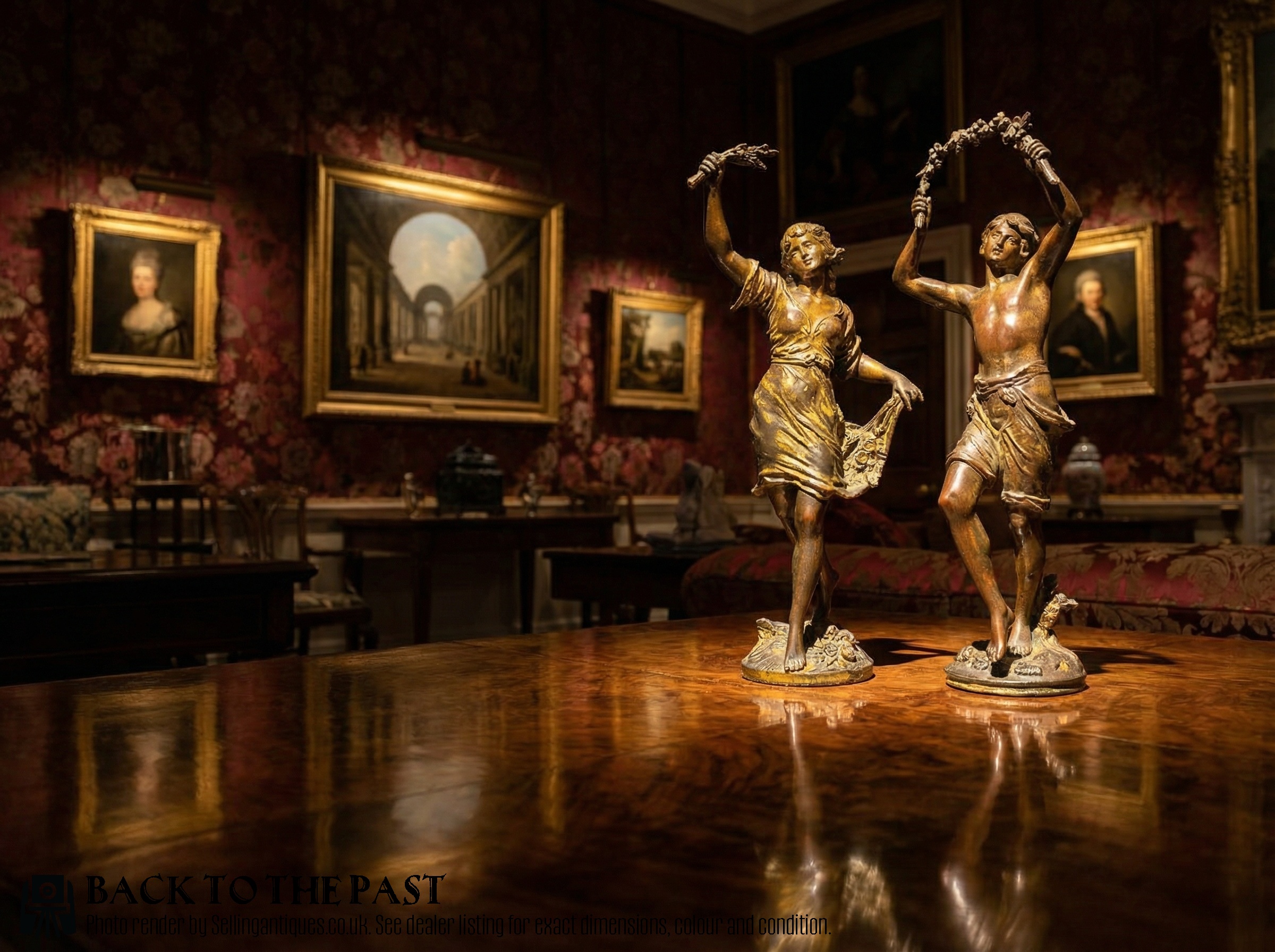
Understanding antique bronze figurines
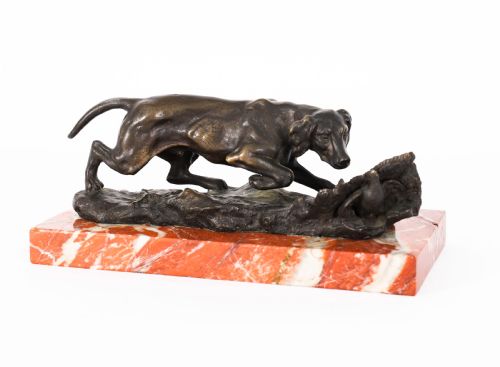
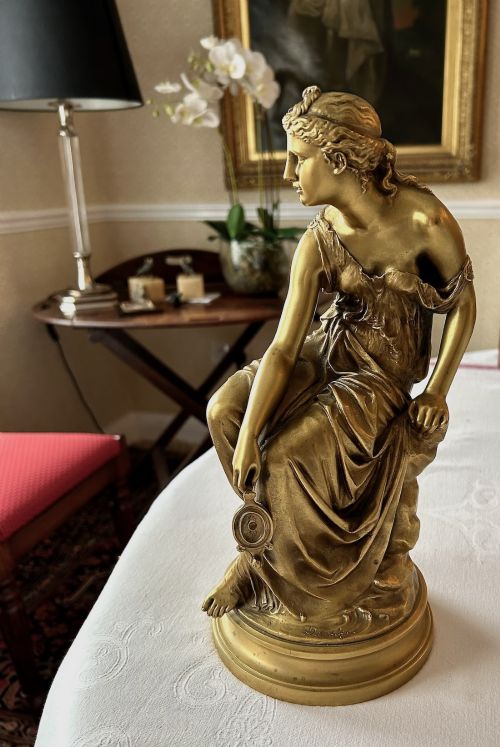
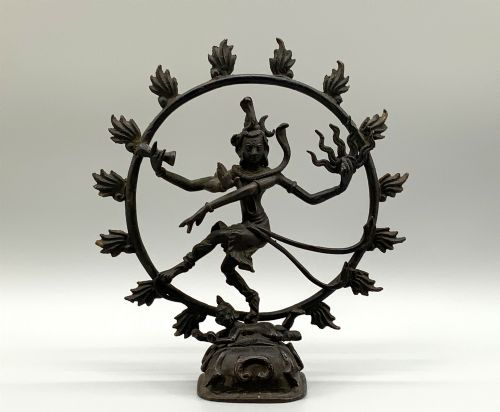
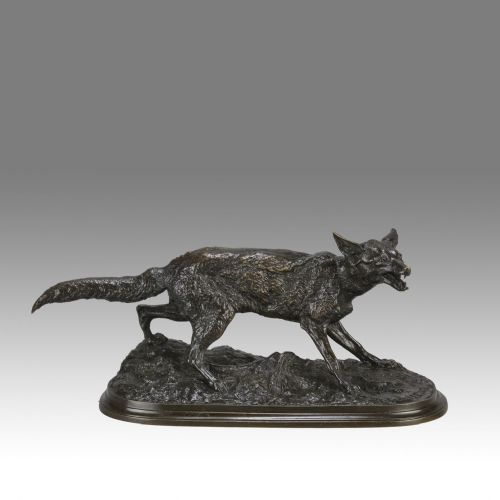
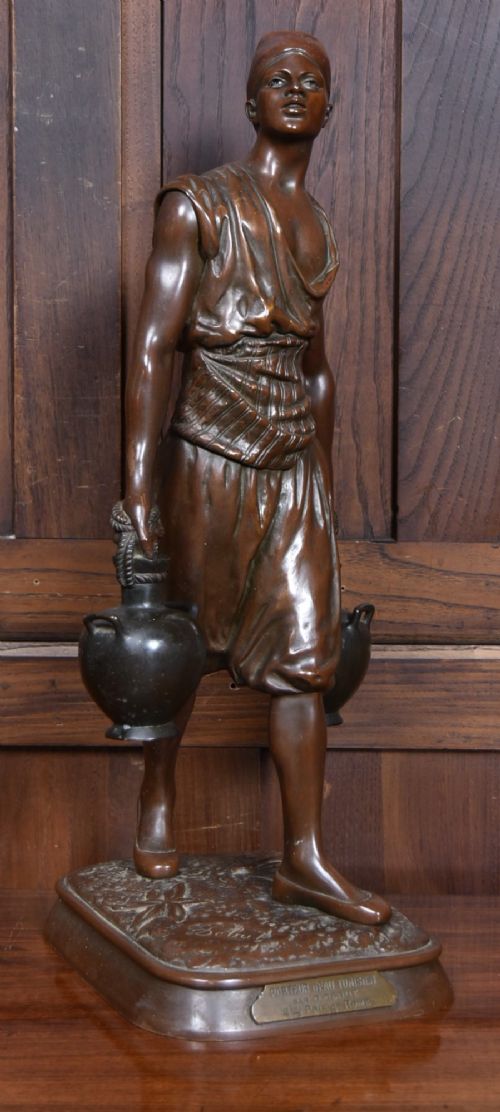
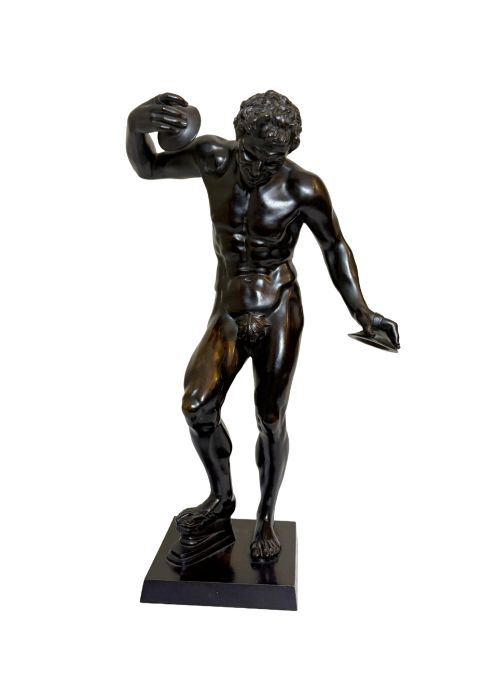
Antique bronze figurines encompass sculptural works cast in metal, frequently depicting mythological figures, children, dancers, and historical personages. Collectors searching for antique bronze figurines encounter pieces largely originating from the nineteenth century, including Grand Tour souvenirs and French academic works.
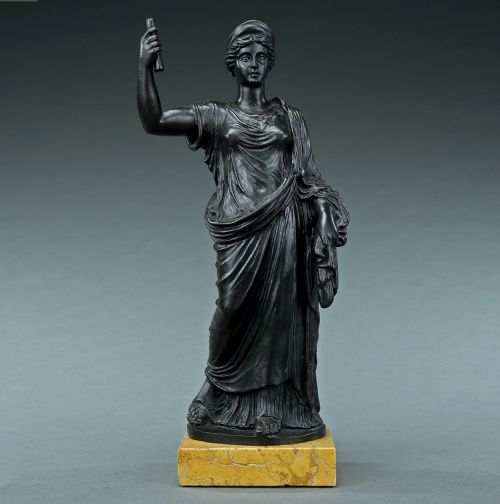
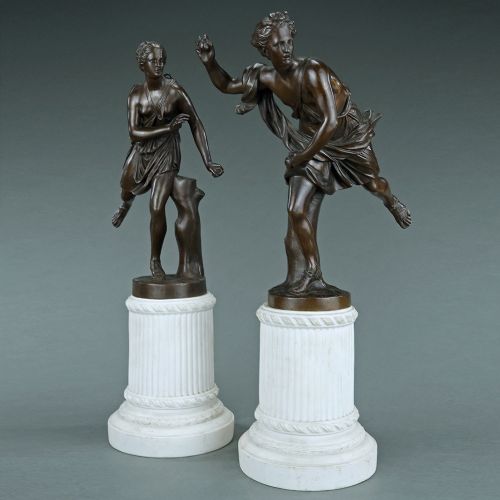
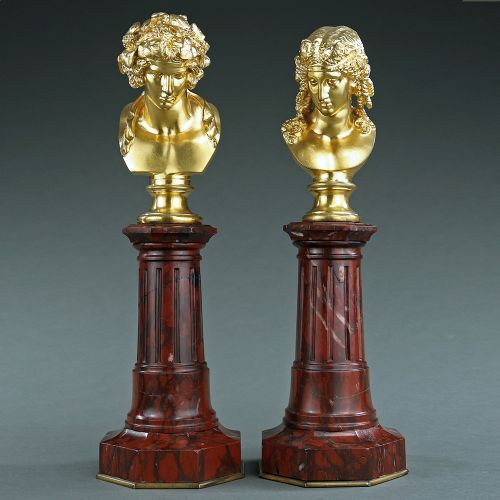
The selections available include paired figures such as harvest dancers, cavaliers, and classical representations of Sophocles and Demosthenes. These sculptures frequently incorporate integral bases of marble or ebonised wood to support the metalwork.
Originating predominantly from French workshops and Grand Tour travels, these pieces reflect classical revivalism and academic sculpture traditions. The forms range from modest tabletop figurines to substantial statuary.
Materials and construction
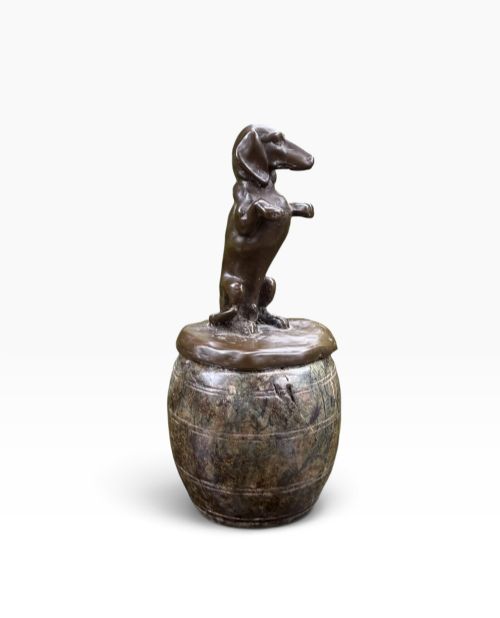
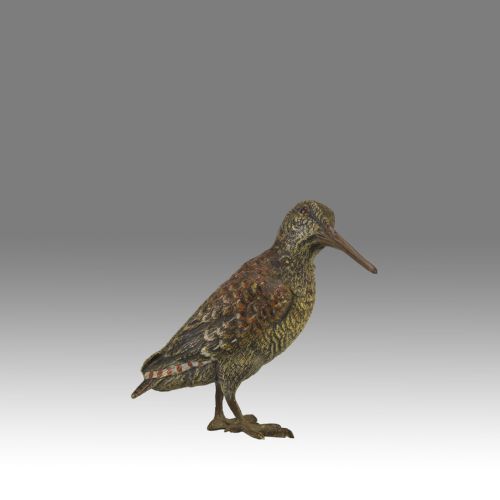
The primary material is cast bronze, often treated with a dark patina or specific chemical applications to alter the surface colour. These metal figures are frequently mounted upon bases constructed from marble, green marble, or ebonised wood.
Foundry techniques of the nineteenth century involved creating detailed moulds to capture the intricacies of drapery, musculature, and facial expressions. The resulting metal casts received hand-finishing work to sharpen details before patination.
Retail Price Guide 2026
Typical UK retail prices for bronze figurines, calculated from the Sellingantiques database of over a million retail prices indexed since 2003. This retail price guide relies exclusively on Sellingantiques data; no external sources or auction records are used, so the figures do not describe the wider market.
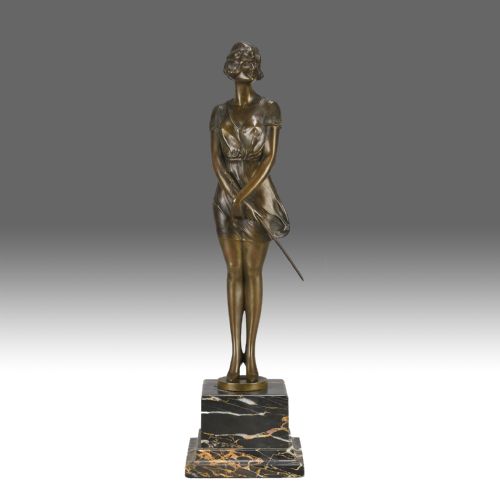
The sculptural styles represented include Neoclassical, Art Nouveau, French Rococo Revival, and French Academic.
Assessing quality and execution
The choice and integration of the base material also indicate tier, with substantial marble or carefully turned ebonised wood mounting elevating the presentation. Named foundry pieces or signed works by known sculptors elevate the standing of a bronze figure significantly.
Salmson·Francisque Joseph Duret
The Antique Bronze Figurines Glossary
- Bronze
- An alloy of copper and tin used in sculpture for its tensile strength and ability to capture fine detail. It takes patination well and develops a stable surface over time.
- Patina
- The surface coloration and sheen achieved through chemical treatment or natural ageing on metal. A dark patina is characteristic of many nineteenth-century French casts.
- Grand Tour
- A cultural journey undertaken by wealthy Europeans in the eighteenth and nineteenth centuries, acquiring small-scale bronzes of classical antiquities as souvenirs.
- Chasing
- The process of hand-tooling a metal cast after removal from the mould to refine details and remove imperfections. This finishing work distinguishes superior sculptures.
Frequently Asked Questions
What periods do these bronzes date from?
The available pieces originate primarily from the nineteenth century, including specific items dated around eighteen-eighty and nineteen hundred.
This era encompasses French academic sculpture, Grand Tour items, and neoclassical revival works.
How were these figurines displayed?
These sculptures were designed for interior display on mantelpieces, desks, or specialised pedestals within nineteenth-century homes.
Many incorporate heavy marble or ebonised wood plinths to provide stability and visual weight.
What subjects do the figures represent?
Subjects include classical Greek thinkers such as Sophocles and Demosthenes, alongside narrative figures like harvest dancers and cavaliers.
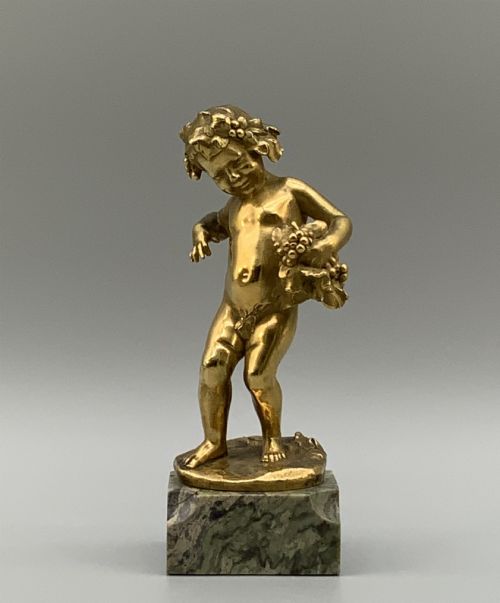
Children gathering grapes and mythological characters also appear frequently among the nineteenth-century works.
Are the bases original to the bronzes?
Many nineteenth-century bronzes were cast with integral or purpose-built stone and wood bases, such as green marble or ebonised wood.
These mountings form an integral part of the sculptural composition and stability of the piece.