









Patinated Bronze Sculptures
Patinated bronze sculptures bring classical presence and deep tone into a room, offering the enduring weight and detail of cast metal.
What patinated bronze sculptures are
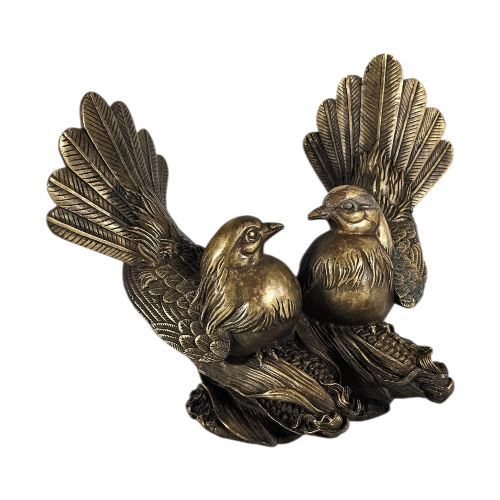
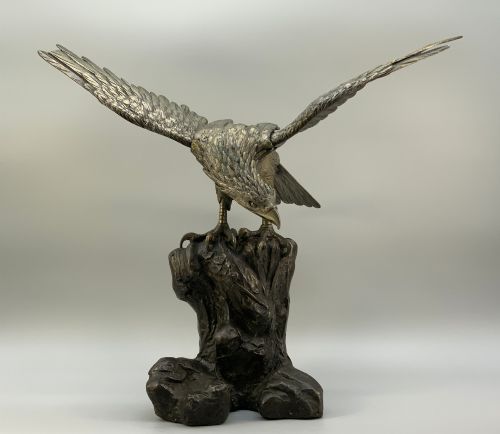
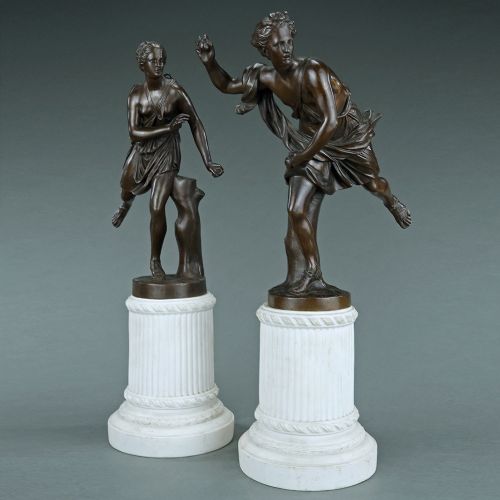
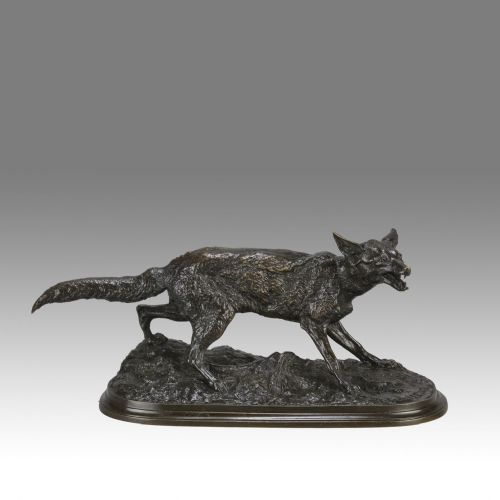
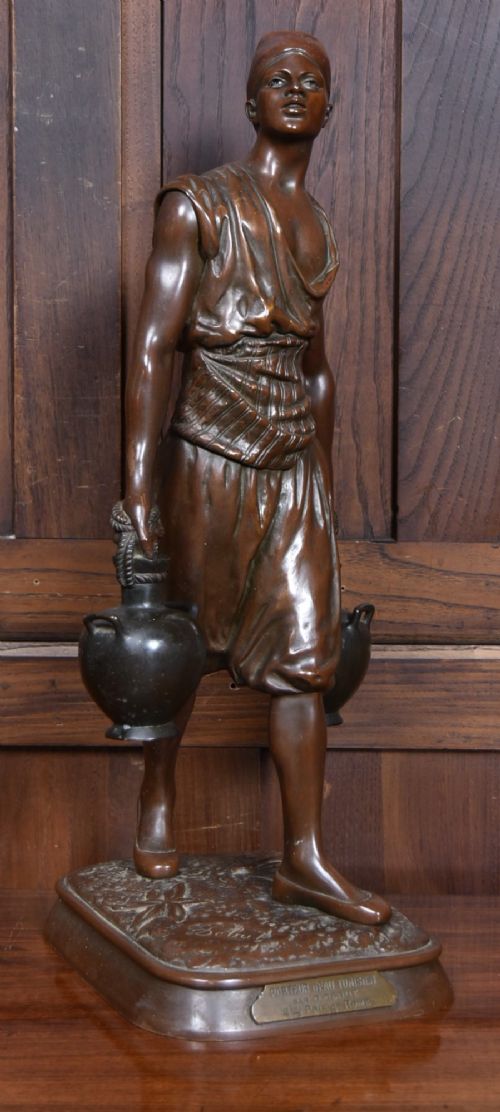
When you search for patinated bronze sculptures, you are looking at cast metal figures, groups and architectural ornaments finished with chemical or natural surface treatments. These works range from classical literary figures and mythological pairs to temple guardians and musical cherubs.
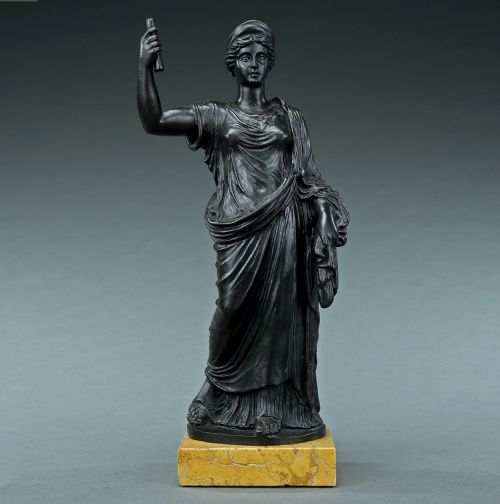
The versions you are most likely to meet on this page hail from the nineteenth century and the early twentieth century. They include French academic works, Grand Tour souvenirs on Siena marble bases, and items cast in the French Restauration and Victorian neoclassical styles.
Formats vary from modest mantelpiece figures to large pairs of temple lions and theatrical characters from the commedia dell'arte. Many sit on dedicated marble plinths, which heighten their architectural scale and protect the bronze work.
How they were made
These pieces are created through metal casting in bronze, sometimes paired with structural elements in brass, and mounted on bases of white or Siena marble. The casting process captures intricate drapery, facial expressions and feathered details.
The signature patination is applied to the bronze surface through heat and chemical agents to achieve dark brown, green or black tones. This skin protects the underlying metal while accentuating the modelling and highlights of the sculpture.
Retail Price Guide 2026
Typical UK retail prices for patinated bronze sculptures, calculated from the Sellingantiques database of over a million retail prices indexed since 2003. This retail price guide relies exclusively on Sellingantiques data; no external sources or auction records are used, so the figures do not describe the wider market.
Current listings feature bronze, brass, and Siena marble across nineteenth-century styles including French Restauration and Victorian Neoclassical.
What varies in quality
Quality rests in the crispness of the chase work, where artisans clean up the raw casting by hand to define hair, fingers and textures. Softer, blurrier details indicate a worn mould or hurried finishing.
The choice and execution of the base also elevate the piece, particularly where dense Siena marble is fitted precisely to the bronze mount. Stamped signatures from known founders or sculptors separate standard studio pieces from documented works.
Charles Anfrie
The Patinated Bronze Sculptures Glossary
- Patinated bronze
- Bronze treated with chemical solutions or heat to produce a stable surface colour rather than a bright metallic shine. This dark skin protects the metal and defines the sculptural shadows.
- Siena marble
- A yellow-gold Italian marble with dark grey or purple veining, often used for pedestals and bases. It provides a rich contrast to dark patinated bronze.
- Grand Tour
- The nineteenth-century practice where wealthy travellers collected classical sculptures and bronzes as cultural mementos. These reduction casts brought ancient forms into domestic interiors.
- Chasing
- The process of hand-finishing a raw metal casting using chisels and punches. It restores texture and removes surface flaws left by the mould.
Frequently Asked Questions
How do I clean patinated bronze sculptures?
Dust the surface gently with a soft, dry brush to remove particles that settle in the recesses. Avoid using water, polishes or chemical cleaners, which can strip the patination from the metal.
Applying a very light coat of microcrystalline wax by hand can protect the surface from atmospheric moisture. Buff it gently with a clean cloth after application to maintain a soft sheen.
Are these sculptures solid bronze?
Most sculptural bronzes are cast hollow to save weight and metal, though smaller decorative elements may be solid. Hollow casting requires skilled core placement during the foundry process.
Heft and balance remain important indicators of substance, even in hollow pieces, due to the thickness of the metal walls and the weight of any marble plinth.
What is the commedia dell'arte?
Commedia dell'arte is a form of theatrical improvisation that originated in Italy during the sixteenth century. It featured stock characters with distinct masks, costumes and physical traits.
Figures from this tradition became popular subjects for nineteenth-century bronze casters who wished to capture theatrical movement and narrative detail.
How do I date a bronze figure?
Dating relies on the casting technique, the style of the base, and any foundry marks or signatures stamped into the metal. Nineteenth-century pieces often display specific patination habits and mounting styles.
Comparing the casting sharpness with documented examples from the same period helps confirm the likely decade of manufacture.