


Classical Greek Bronze
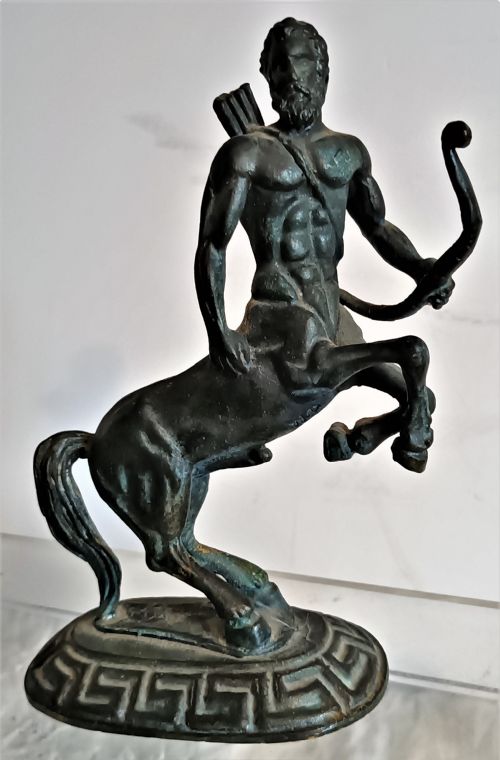
These classical greek bronze pieces are nineteenth-century interpretations of ancient statues, sought after for their refined mythological forms and rich patination.
Classical Greek Bronze
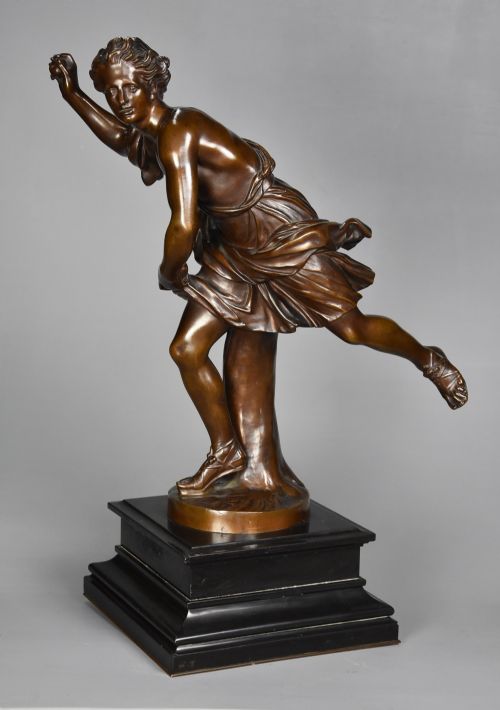
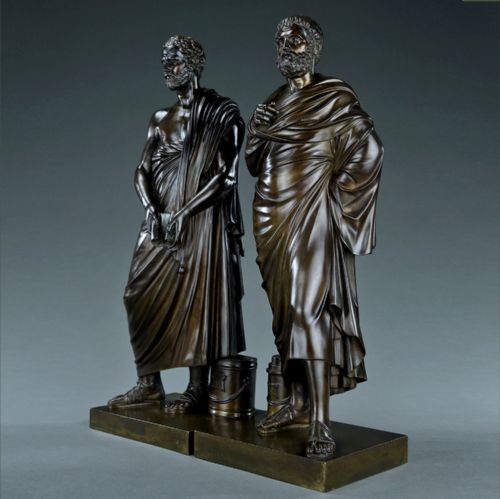
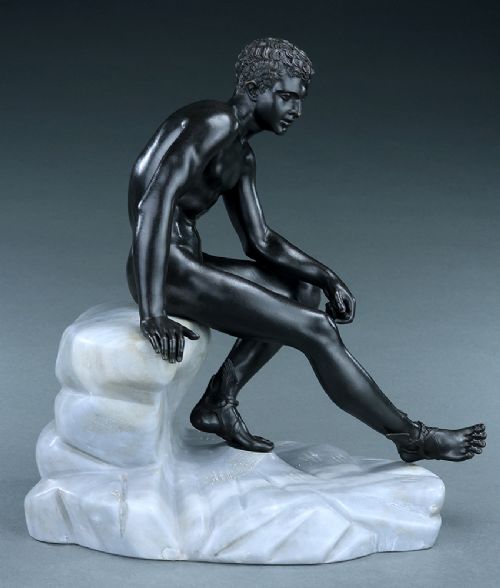
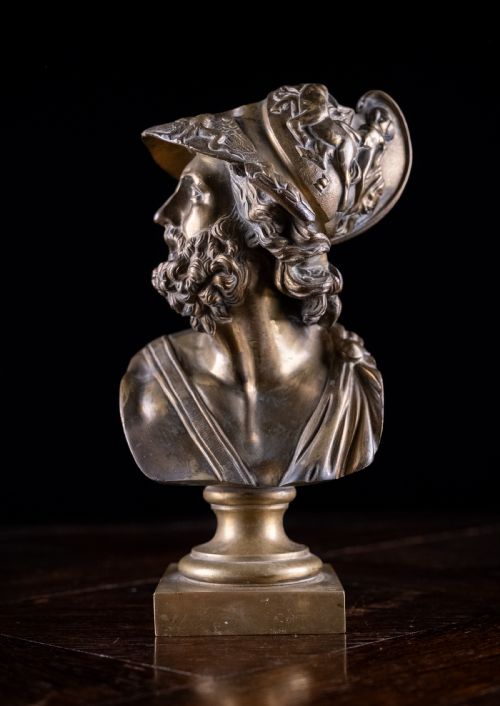
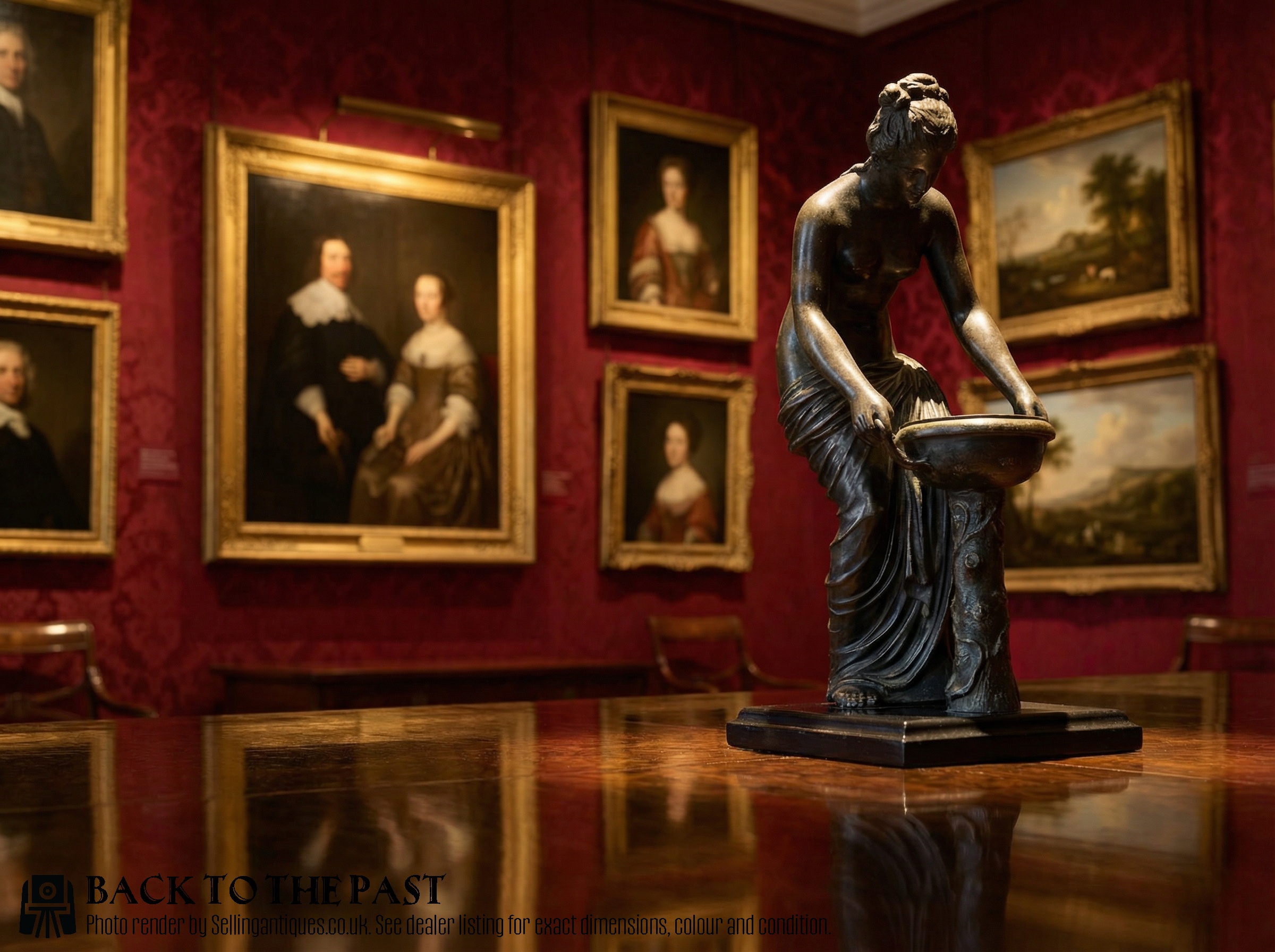
Buyers examining classical greek bronze objects encounter nineteenth-century interpretations and Grand Tour souvenirs shaped by neoclassical ideals. These figures and busts depict mythological gods, philosophers, heroes and athletic deities derived from antiquity.
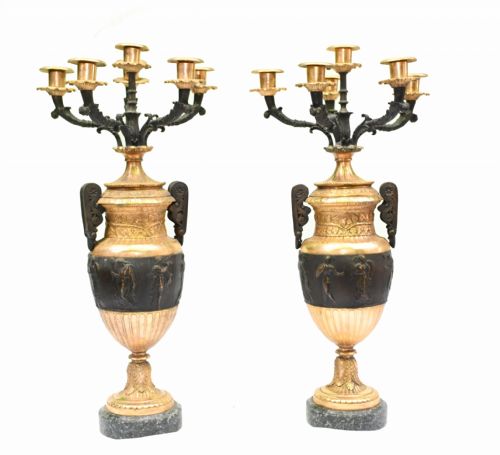
The pieces on this page appear predominantly as table-scale sculptures, portrait busts, decorative urns and candelabras mounted upon marble or onyx bases. French and Italian foundries produced these reductions for collectors wishing to bring classical antiquity into domestic interiors.
Materials and casting methods
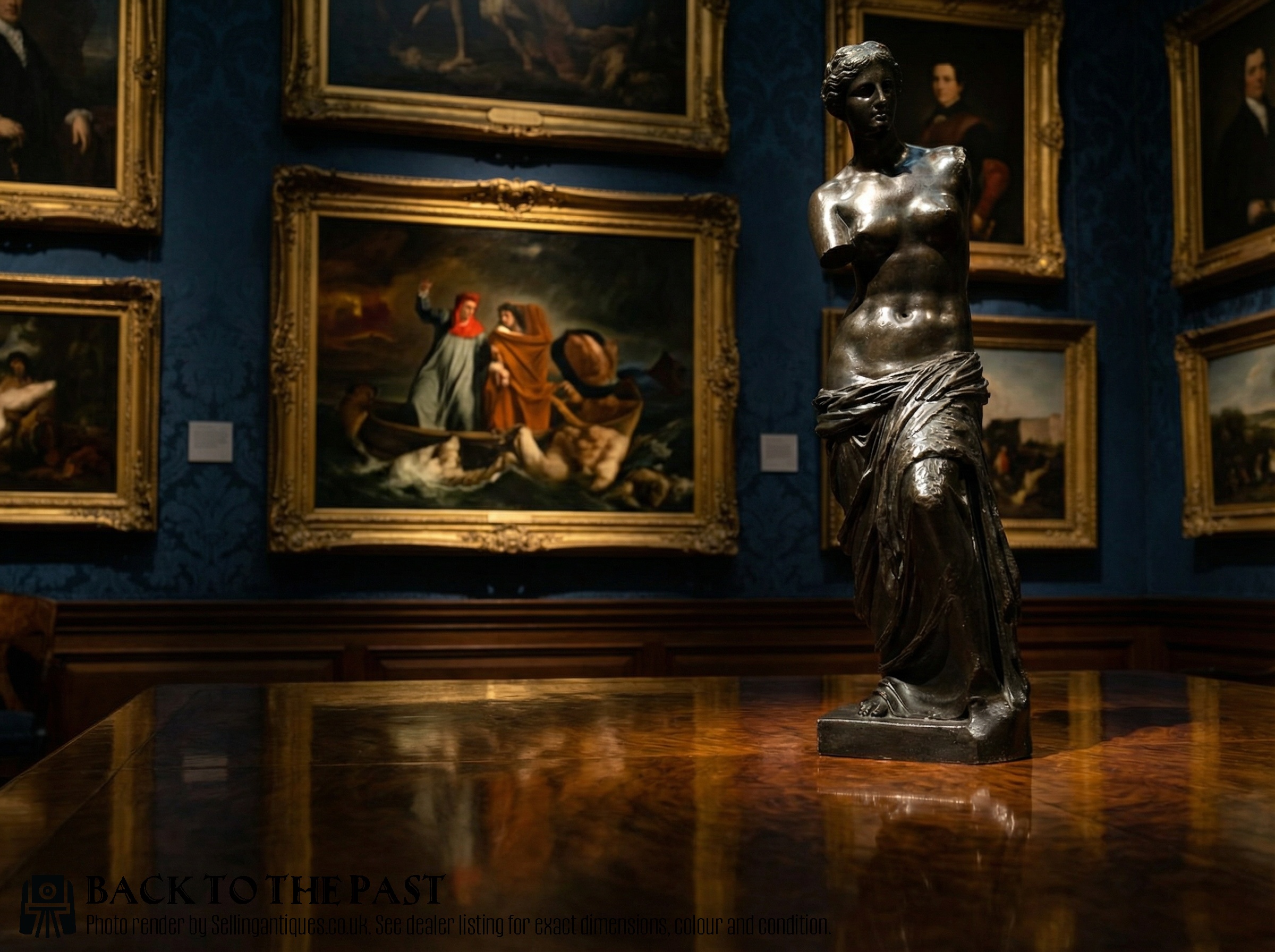
Foundries utilised traditional metal casting techniques to form these heavy sculptures, frequently employing patinated or gilt bronze alongside brass and ormolu. Artisans chased the cooled metal surfaces by hand to sharpen details on garments, hair and facial expressions.
Many figures stand upon shaped plinths composed of contrasting mineral supports such as marble, rosso levanto, ebonised wood or rouge griotte. This combination of cast metal and polished stone provided both visual weight and physical stability.
Represented forms range from full-length mythological figures and portrait busts to candelabras and lidded tazzas.
Factors that separate examples
Quality rests upon the crispness of the metal chasing and the fidelity of the reduction from the ancient prototype. Finer castings preserve subtle musculature and facial contours without softening during the finishing process.
The depth and nuance of the chemical patination dictate the visual success of the surface. Superior examples display layered tones ranging from deep verdigris to warm brown, whilst lesser pieces rely on uniform dark lacquer.
Barbedienne·Eugene Barillot·Franz Iffland·Messina Roma
The Classical Greek Bronze Glossary
- Grand Tour
- A cultural journey undertaken by European travellers who collected souvenirs such as small bronze sculptures of antique statues.
- Patination
- The chemical or natural colouration applied to the surface of bronze to alter its tone and protect the metal.
- Ormolu
- Gilt bronze created by applying finely ground gold to a copper alloy base, commonly seen on French decorative objects.
- Reduction
- A small-scale replica cast from a larger public monument or ancient sculpture.
- Verdigris
- A green patina formed naturally or chemically on copper, brass and bronze surfaces.
Classical Greek Bronze: Frequently Asked Questions
What are Grand Tour bronzes?
Grand Tour bronzes are nineteenth-century miniature souvenirs purchased by travellers visiting classical sites in Italy and Greece. These small figures and busts allowed collectors to display famous museum sculptures within private homes.
Foundries in Paris and Rome produced these reductions using traditional metal casting methods, mounting them securely onto decorative marble or stone bases.
How do I identify the subject of a bronze?
Subjects typically derive from Greek mythology and ancient history, identifiable by specific attributes such as winged sandals, helmets or musical instruments. Common figures include gods like Apollo and Hermes, or literary heroes like Ajax.
Inscriptions on the bronze or associated marble bases occasionally name the specific character or the ancient sculptor whose work inspired the casting.
Where should I place these bronzes?
These heavy metal sculptures suit stable surfaces such as mahogany sideboards, library desks or dedicated display cabinets. Their compact scale allows them to anchor mantelpieces or complement book collections.
Position pieces away from direct heat sources and moisture to preserve the stability of both the patinated metal and the supporting marble plinths.
How do I clean patinated bronze?
Dust patinated bronze gently using a soft, dry brush or microfibre cloth to prevent the accumulation of grit within the recessed chased details. Avoid applying water, oils or commercial cleaning polishes.
Harsh cleaning agents strip away the historical chemical patination, which forms an essential component of the object's character and surface protection.