






Bronze Diana Sculpture
A bronze diana sculpture captures the classical goddess of the hunt, offering enduring sculptural elegance for your interior.
Bronze Diana Sculpture
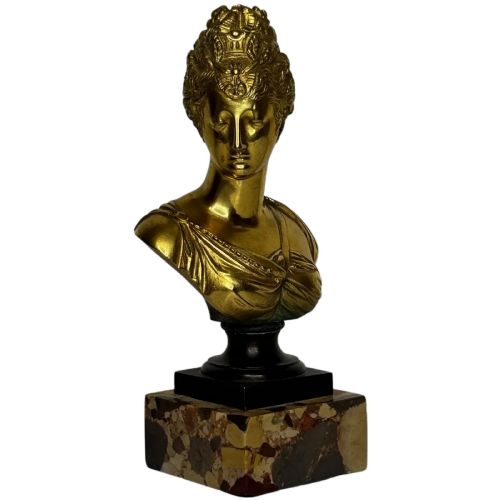
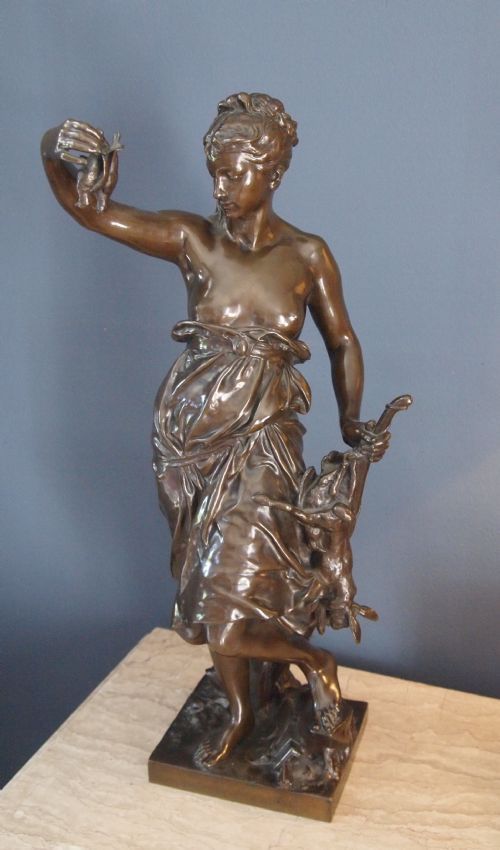
When you search for a bronze diana sculpture, you encounter figural representations of the mythological huntress spanning the nineteenth and early twentieth centuries. These works range from grand tour souvenirs and academic reductions after classical antiquities to striking art deco interpretations.
The objects take diverse forms on this page, including freestanding mantel sculptures, wall reliefs, and sculptural mounts upon mantel clocks. Originating predominantly from French studios and foundries, they present Diana with her characteristic attributes such as bows, arrows, and hounds.
Nineteenth-century examples frequently lean towards neoclassical or renaissance revival aesthetics, while later pieces adopt the sleek lines associated with the art deco movement. Each iteration reflects the prevailing sculptural tastes of its period while honouring the classical subject matter.
What varies in quality
The selection of base materials equally dictates overall merit, as heavy slabs of veined marble or custom onyx mounts provide stability and visual balance. Signed works associated with recorded sculptors and established foundries carry distinct markers of artistic authority.
Diana keeps her trusty hound close by, reminding us that even immortal goddesses appreciated good canine companionship on long hunting trips.
Pierre Le Faguays·Louis Ernest Barrias·Ferdinand Barbedienne Foundry
The Bronze Diana Sculpture Glossary
- Grand Tour
- A nineteenth-century tradition where travellers collected classical souvenirs in Europe. These miniature bronze sculptures reproduced famous ancient statues for home display.
- Lost-wax casting
- A historic method of creating metal sculptures from a wax model. This technique allows for high fidelity and complex undercuts in the finished bronze.
- Ormolu
- Gilding technique using finely ground gold mercury applied to bronze. It creates a rich golden surface often seen on decorative mounts and clock cases.
- Patina
- The surface coloration achieved through natural oxidation or chemical treatment. Sculptors use patination to enhance shadows and protect the metal.
- Relief
- A sculptural technique where figures project from a flat background. Wall reliefs offer a dimensional image suited for hanging.
Bronze Diana Sculpture: Frequently Asked Questions
How do I date a bronze sculpture?
Dating relies upon stylistic markers, foundry marks, and the materials used for the base or mount. Nineteenth-century pieces typically exhibit neoclassical or revival details, whereas later twentieth-century examples embrace modernist geometries.
Examining the patina and the method of assembly provides further clues regarding the era of production. Documentation or signatures inscribed on the bronze furnish direct evidence of the maker and period.
What materials accompany the bronze?
Sculptures frequently incorporate natural stone elements to provide weight and elevation to the metal figure. White marble and onyx are common choices for bases, while some pieces feature wooden or gilt bronze mounts.
These complementary materials enhance the visual contrast of the artwork. The choice of base often reflects the stylistic preferences of the manufacturing period.
Where were these sculptures made?
The majority of these works originate from French foundries and studios operating during the nineteenth and early twentieth centuries. Paris served as a primary centre for artistic bronze production and casting.
Grand tour pieces were often acquired during travels through Italy and France. European ateliers exported these classical subjects internationally to satisfy collector demand.
How do I care for antique bronze?
Maintenance involves gentle dusting with a soft, dry cloth to prevent the accumulation of particles on the patinated surface. Avoid chemical cleaners and abrasive cloths that can strip the historic patina from the metal.
Keeping the sculpture away from excessive moisture and direct sunlight preserves the integrity of both the bronze and its stone base. Occasional professional waxing may be applied to protect the metal finish.