





Classical Diana Huntress Statue
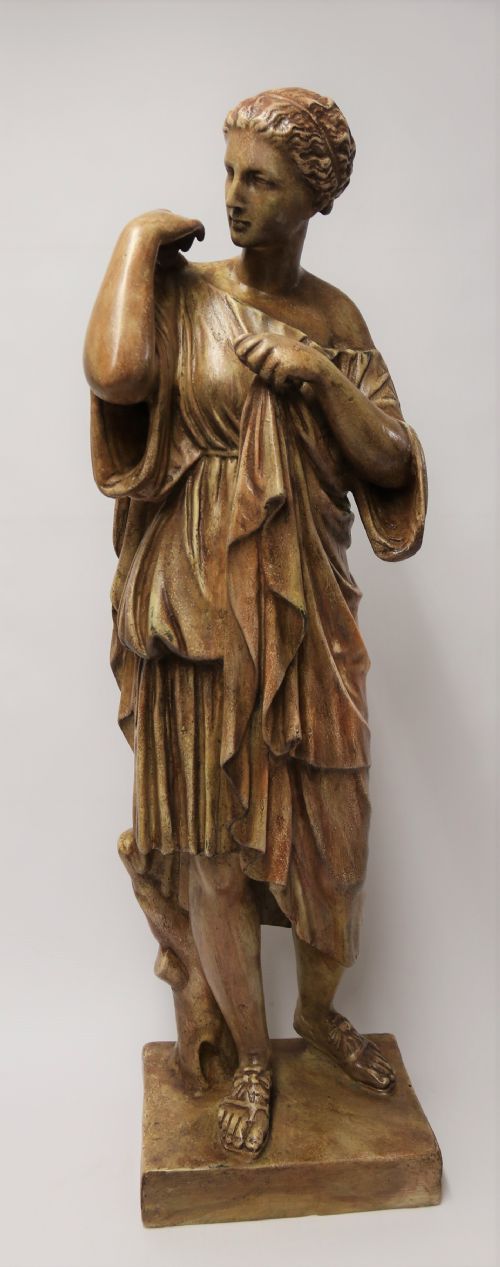
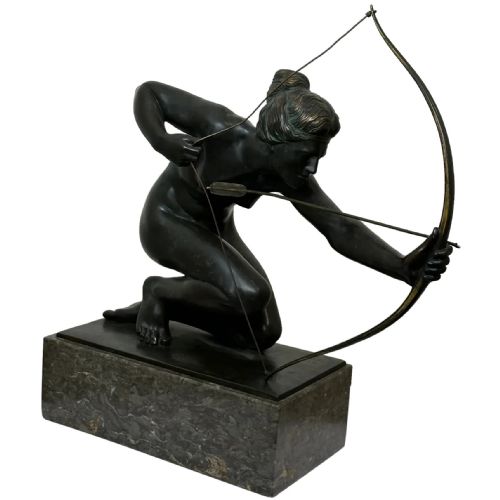
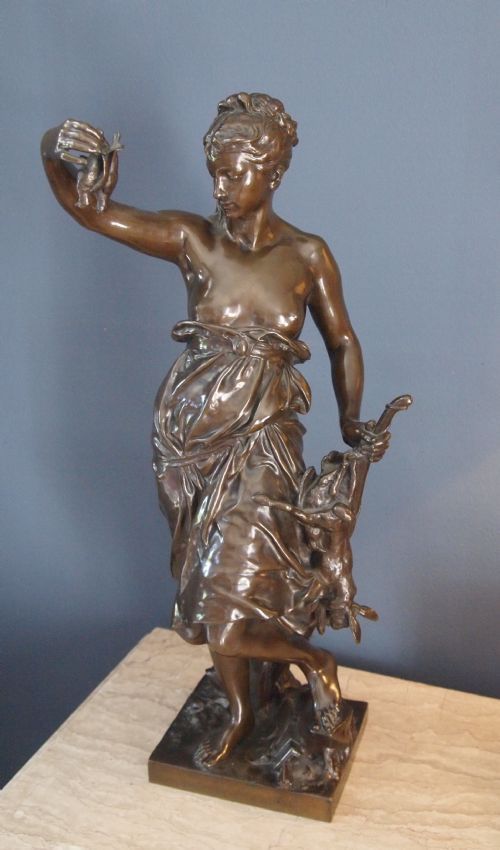
A classical diana huntress statue captures the goddess with her bow, embodying mythological grace in bronze, marble, or porcelain.
Classical Diana Huntress Statue
A classical diana huntress statue depicts the goddess of the hunt in sculptural forms ranging from full figures to busts. These works draw upon neoclassical traditions, portraying the deity with attributes like bows and arrows.
The selections on this page span the eighteenth century through the early twentieth century, encompassing Grand Tour pieces and Art Deco interpretations. Collectors encounter white marble, bronze, terracotta, and soft-paste porcelain among these offerings.
French academic influences and Rococo nuances appear alongside strict neoclassical designs. Buyers frequently find both intimate figurines and substantial nineteenth-century sculptures.
How they were made
Sculptors utilised white marble for carved busts and figures, often drawing inspiration from antique prototypes during the Grand Tour period. Artisans also employed bronze casting techniques to render dynamic figures holding bows and arrows.
Ceramic works like soft-paste porcelain involved specialised moulding and glazing processes, exemplified by eighteenth-century factory production. Patination on bronze surfaces and gilt highlights provided additional textural depth.
Diana keeps her bow ready while watching over nineteenth-century drawing rooms.
What varies in quality
The fidelity of the casting or carving distinguishes finer examples, particularly in the rendering of facial expressions and drapery. Signed works by documented sculptors carry distinct artistic weight compared to anonymous studio productions.
Material selection dictates the tactile presence of the piece, with dense marble and finely chased bronze representing superior execution. Historical provenance and period integrity also influence the standing of individual sculptures.
R Mattei·Antonio Frilli·Pierre Le Faguays·Mercié·R Henn·Bulio·Louis Ernest Barrias
The Classical Diana Huntress Statue Glossary
- Grand Tour
- Educational travel undertaken by wealthy Europeans to study classical antiquities on the continent. Souvenirs from these journeys included miniature bronzes and marble sculptures.
- Neoclassical
- A style reviving classical Greek and Roman aesthetic principles, focusing on proportion, symmetry, and mythological subjects. It heavily influences nineteenth-century representations of Diana.
- Soft-paste porcelain
- A ceramic body composed of clay and glass frit, fired at lower temperatures than hard-paste porcelain. Eighteenth-century factories utilised this material for delicate figurines.
- Patina
- The surface sheen and coloration developed on metal through age or chemical treatment. On bronzes, this finish enhances sculptural contours.
Classical Diana Huntress Statue: Frequently Asked Questions
What materials are used?
These sculptures utilise materials such as bronze, white marble, terracotta, and soft-paste porcelain.
Artists selected these mediums to capture the classical form across different centuries.
Who is Diana?
Diana is the Roman goddess of the hunt, wildlife, and the moon, typically shown with a bow and arrow.
Sculptors have interpreted her mythological presence through neoclassical and Art Deco lenses.
What is a Grand Tour sculpture?
Grand Tour pieces are works acquired by travellers visiting classical sites in Italy and Europe during the nineteenth century.
These reductions of famous antiquities allowed collectors to bring classical art into private homes.
How do I identify periods?
Period identification relies on material composition, casting techniques, and stylistic markers associated with specific centuries.
Signatures from makers also provide clear chronological anchors for dating a piece.