



Bronze Scholar Sculpture
These bronze scholar sculpture examples bring intellectual weight to a room, cast in durable metals across centuries of craftsmanship.
Bronze Scholar Sculpture
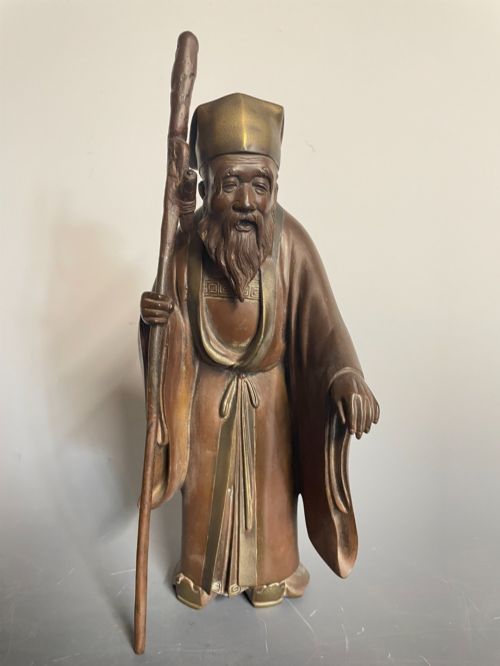
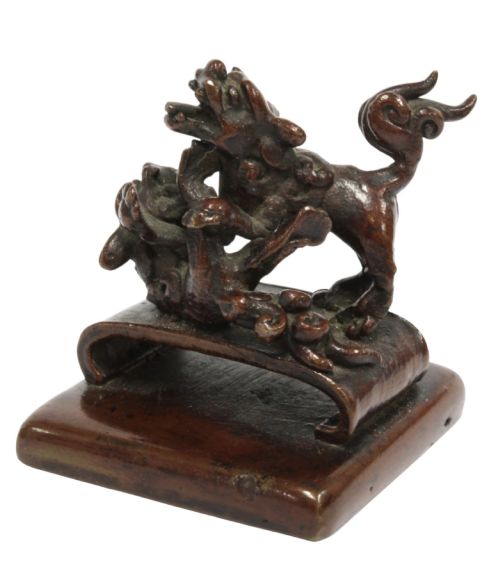
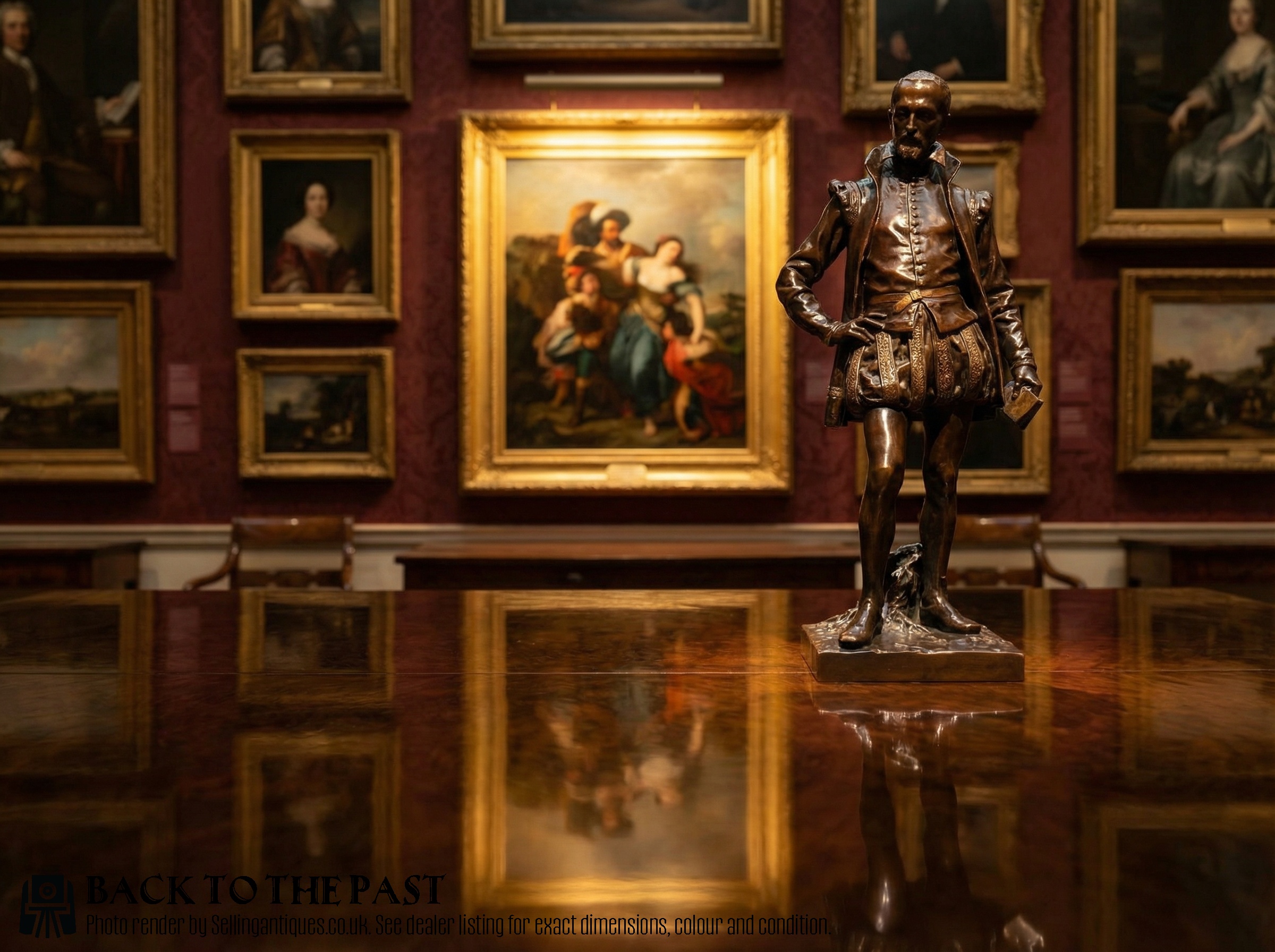
A bronze scholar sculpture represents learned figures, poets, and academic pursuits across various global traditions. Buyers seeking a bronze scholar sculpture encounter diverse forms ranging from desk paperweights and seals to standalone figures and anthropomorphic monkeys.
The pieces on this page span several periods, with nineteenth-century works and earlier Ming Dynasty items frequently appearing. Sculptures and figures dominate the inventory, accompanied by specialised objects like scholar's seals and paperweights.
Origins vary from traditional Chinese representations to Japanese Meiji period examples and European interpretations. Each bronze scholar sculpture reflects the specific aesthetic values and scholarly ideals of its respective culture and era.
Materials and construction methods
Makers utilised bronze, brass, and copper as the primary metallic bases for these sculptures. Selected pieces incorporate gold leaf, gold inlay, or cold-painted finishes to add colour and highlight specific details.
Techniques range from solid-casting to mixed-metal assembly and selective fire-gilding. These methods allowed artisans to achieve intricate textures, patinated surfaces, and durable structures that endure across generations.
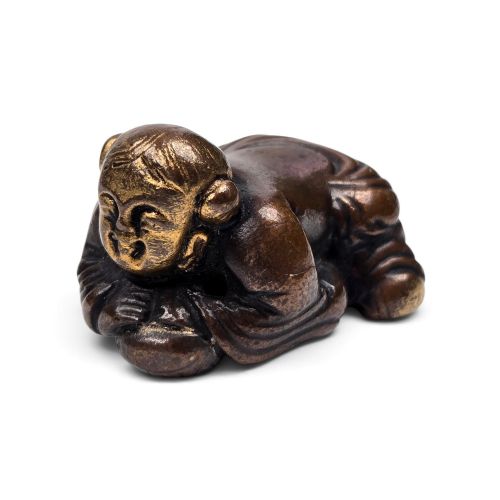
Among the scholarly figures, a mischievous monkey and a reclining boy double as desk paperweights to keep wandering papers in check.
Distinctions in craftsmanship and finish
The refinement of the casting process sets superior pieces apart from standard work. Detailed facial expressions, crisp drapery folds, and complex multi-part assembly indicate higher levels of artisan skill.
The application of surface treatments such as patination, cold-painting, or selective gilding influences the visual depth of the object. Masterful execution of these finishes ensures longevity and a more compelling interplay of light across the metal.
Franz Bergman·Leofanti Adolphe
The Bronze Scholar Sculpture Glossary
- Bronze
- An alloy consisting primarily of copper, traditionally combined with tin, used for durable and detailed casting. This material forms the structural foundation for the majority of these figures.
- Patinated Bronze
- Metal treated with chemicals, heat, or natural weathering to produce a specific surface colour and finish. The resulting patina protects the metal while enhancing visual contrast.
- Cold-Painted Bronze
- A technique where paint is applied to an unheated bronze object, often associated with Viennese workshops. This method permits vibrant polychrome details on metallic surfaces.
- Okimono
- A Japanese decorative figurine designed for display on a shelf or in a tokonoma alcove. These sculptures often depict figures, animals, or legendary characters with high artistic detail.
- Zhenzhi
- A traditional Chinese scholar's desk paperweight used to hold down paper while writing or painting. These functional objects frequently took artistic figural forms.
- Shishi
- A mythical lion-dog creature common in East Asian art, often depicted guarding sacred spaces or playing. They appear in sculpture and seal carvings to impart symbolic protection.
Bronze Scholar Sculpture: Frequently Asked Questions
What is a bronze scholar sculpture?
A bronze scholar sculpture is a figural work depicting learned individuals, intellectuals, or literary figures. These pieces often serve as symbolic representations of wisdom and study.
Originating from various cultural traditions including Chinese, Japanese, and European art history, they reflect the societal respect afforded to scholarship and poetry.
Where should I display these sculptures?
These sculptures suit tabletops, desks, and dedicated display shelves where their details can be appreciated at close range. Placing them near natural light helps reveal the nuances of patinated or gilded surfaces.
Because many pieces originated as desk accessories or cabinet objects, pairing them with books or writing materials creates a fitting context.
How do I identify the period?
Period identification relies on stylistic markers, casting techniques, and specific patination methods associated with eras like the Ming Dynasty or the Meiji period. Examining the base metal and construction style helps narrow down the historical context.
Inscriptions, maker marks, and traditional motifs further assist in dating individual items accurately.