



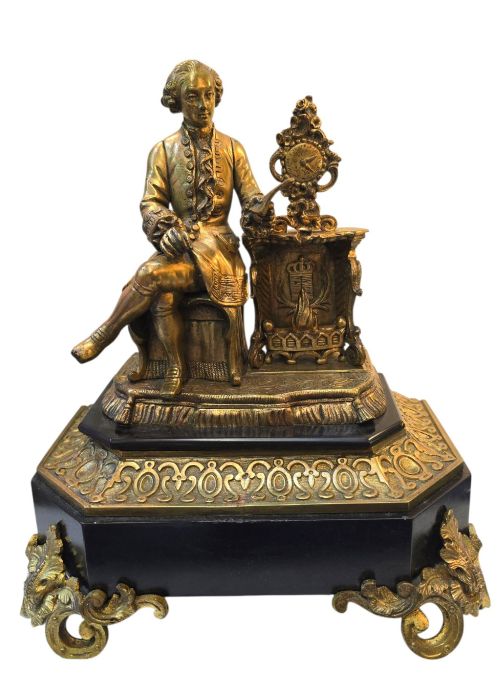
Bronze Desk Statue
A bronze desk statue brings weighty historical presence to a workspace, offering small-scale animalier studies, classical figures, and literary busts cast in solid metal.
Bronze Desk Statue
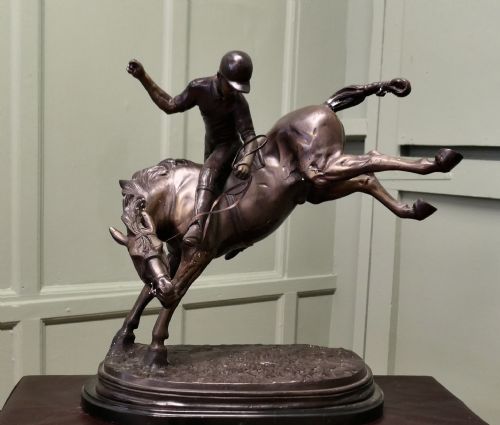
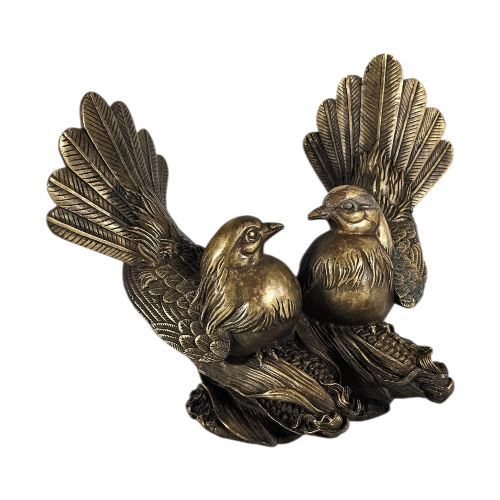
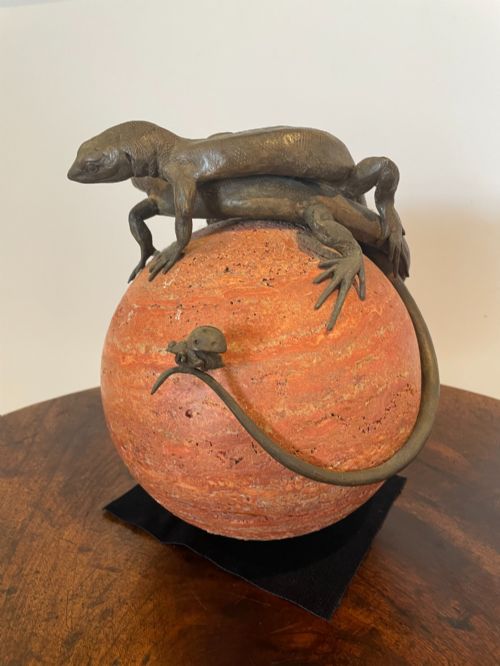
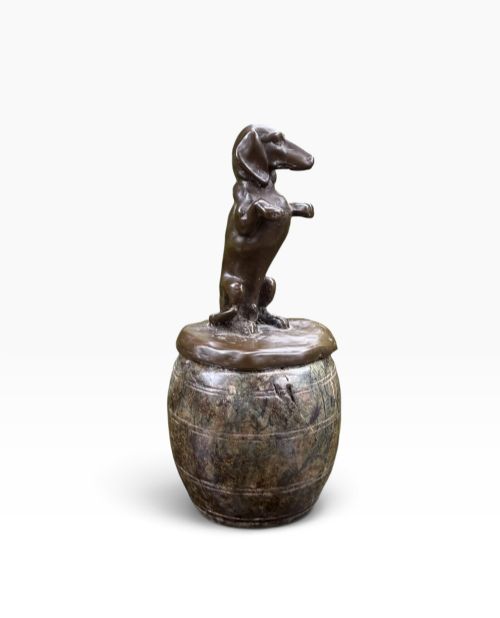
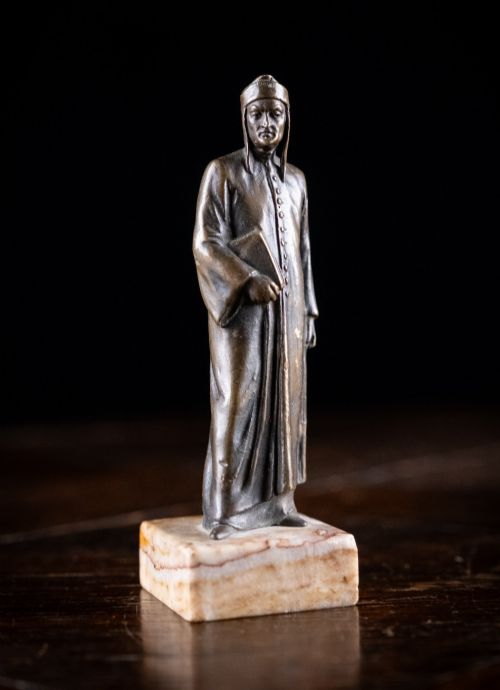
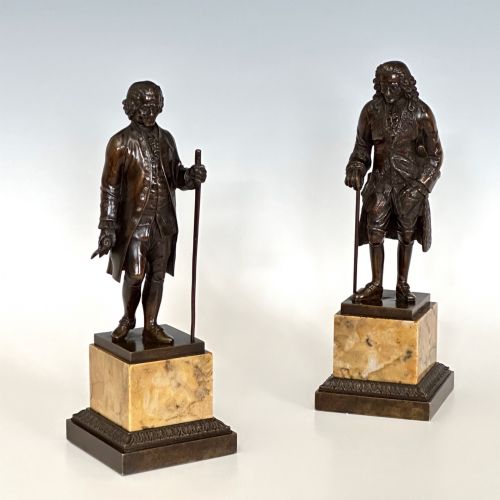
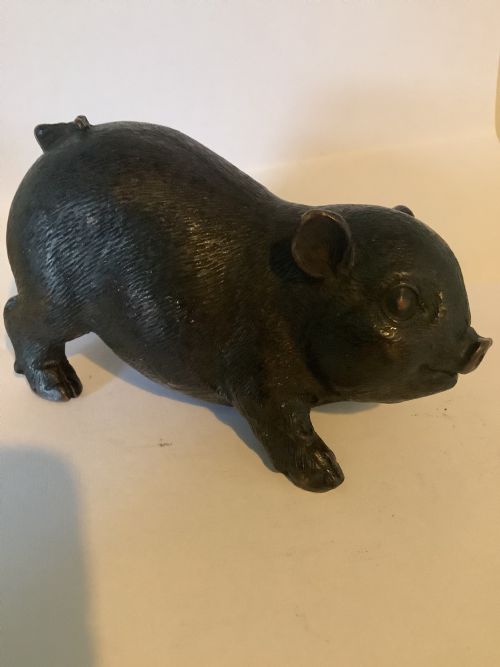
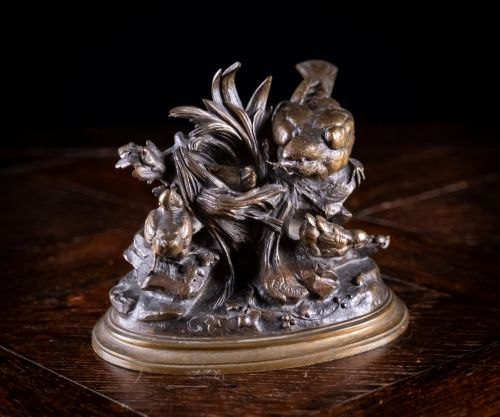
When you search for a bronze desk statue, you encounter small sculptures designed for tabletops, writing desks, and library shelves, spanning the nineteenth and early twentieth centuries. These range from French animalier studies of prowling lions and birds to Grand Tour souvenirs of Italian monuments and classical figures like Dante or Voltaire.
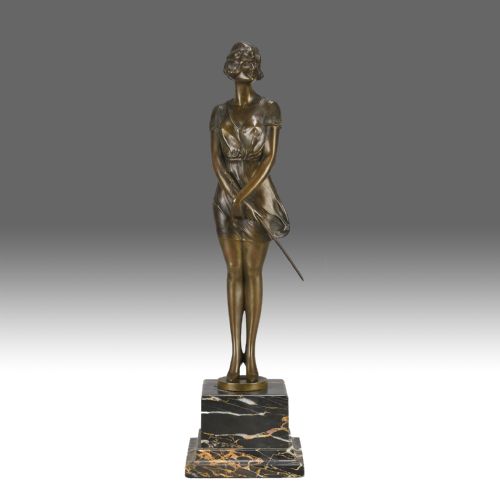
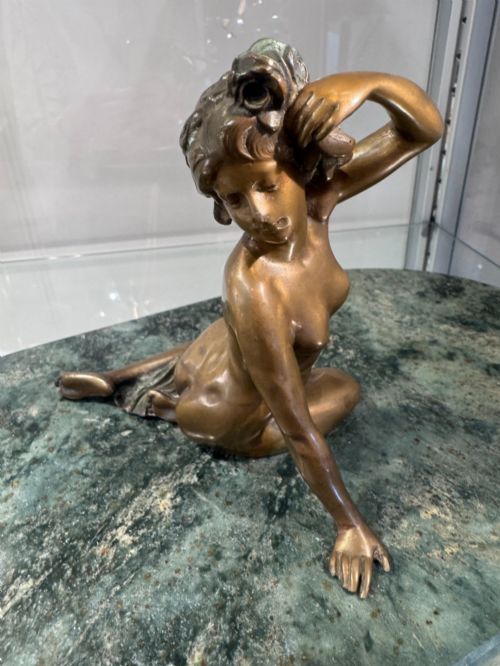
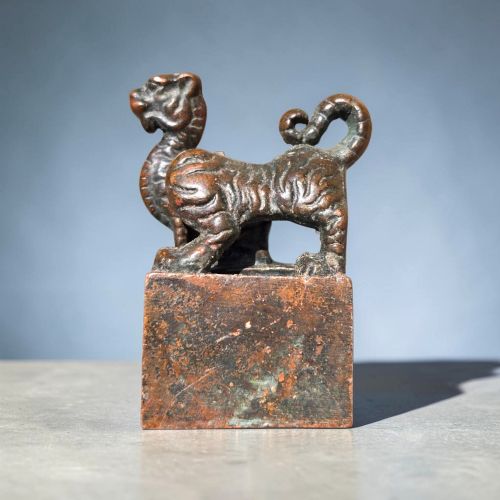
The objects frequently incorporate integrated utility, appearing as bookends, table lamps, inkwells, or scholar's seals, alongside standalone figurative bronzes. Pieces from the Art Nouveau and Art Deco periods introduce stylised female dancers and geometric animal studies, while earlier works favour patinated or gilt classical interpretations.
How they were made
The majority of these pieces rely on traditional lost-wax casting methods to capture fine anatomical details in bronze, which are subsequently hand-finished with chisels and files. Many examples utilise chemical patination to achieve deep brown, green, or black surface tones, while others employ cold-painting or gilt highlights.
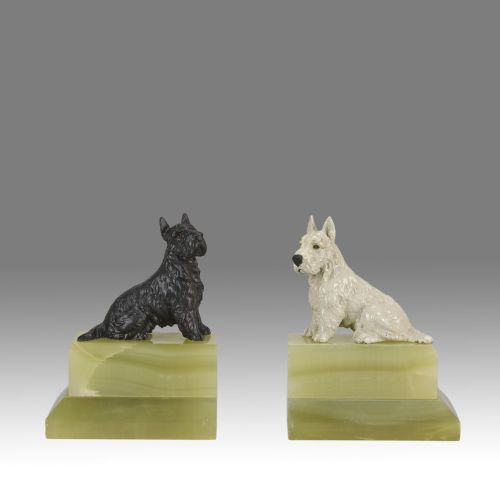
Integral bases frequently pair the metal casting with contrasting natural materials such as white marble, Siena marble, grey marble, or onyx plinths. Some late nineteenth and early twentieth-century works combine patinated metal with painted details, particularly in Vienna animal bronzes.
Listings feature works spanning the nineteenth century, the Edwardian era, and the Art Deco period, utilising bronze, marble, onyx, and cold-painted finishes.
What varies in quality
The standard of a casting is defined by the crispness of the chasing and the fidelity of the surface texture, where superior pieces retain distinct musculature, feather detail, and facial expressions without blurring from worn moulds. Master founders and signed works by recognised sculptors demonstrate sharper edge definition and more deliberate finishing in the bronze.
The quality of the secondary materials also dictates the tier of the piece, distinguishing heavy, uniform marble or onyx plinths from simpler wooden or lightweight metal mounts. Original patination that has aged evenly without aggressive cleaning preserves the integrity and visual depth of the surface.
Rudolf Küchler·Bruno Zach·Franz Bergman·Émile Louis Picault·Christophe Fratin·Antoine Louis Barye
The Bronze Desk Statue Glossary
- Animalier
- A nineteenth-century sculptural style dedicated to the realistic depiction of animals, particularly predators, horses, and dogs in motion. These pieces frequently capture dynamic natural behaviours.
- Grand Tour
- Souvenir sculptures and architectural models acquired by wealthy travellers touring the cultural sites of Europe, particularly Italy and Greece, during the eighteenth and nineteenth centuries. They often replicate famous classical antiquities.
- Patinated Bronze
- Metal treated with chemical solutions to produce a controlled surface coloration, ranging from deep chocolate brown to verdigris green. This process protects the metal and defines sculptural contours.
- Cold-Painted Bronze
- A technique where polychrome oil paint is applied to a cold metal casting rather than fired in a kiln. Vienna workshops specialised in this method for small animal and figure studies.
- Ormolu
- Gilt bronze produced by applying a finely ground high-carat gold mercury amalgam to a bronze base, then heating to vaporise the mercury. The method creates a durable, luminous golden finish.
Bronze Desk Statue: Frequently Asked Questions
How were bronze desk statues used?
These pieces served both decorative and functional roles on Victorian and Edwardian writing desks, functioning as paperweights, bookends, inkwell mounts, or simply as contemplative ornaments for scholars and collectors.
Larger figures often commemorated historical writers, philosophers, or political figures, while smaller animal studies provided tactile distraction and visual interest during correspondence.
How do I care for a bronze desk statue?
Maintenance requires only occasional dusting with a soft, dry brush to prevent particulate accumulation in the crevices of the casting. Avoid liquid cleaners, abrasives, or polishes, which can strip the historic patination and expose raw metal underneath.
Are these pieces signed by the artist?
Many nineteenth and twentieth-century examples bear cast signatures, foundry marks, or stamps along the base or edge of the bronze. Attributions are also determined through stylistic comparison, casting quality, and known archival records of the foundry.