
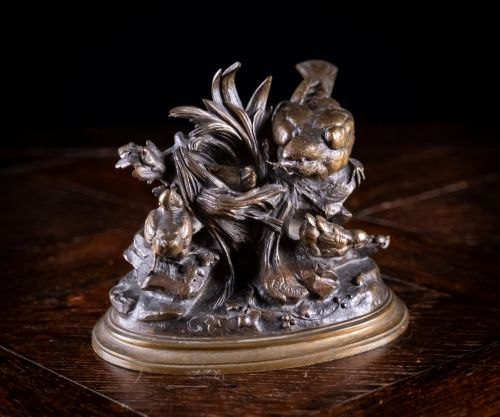
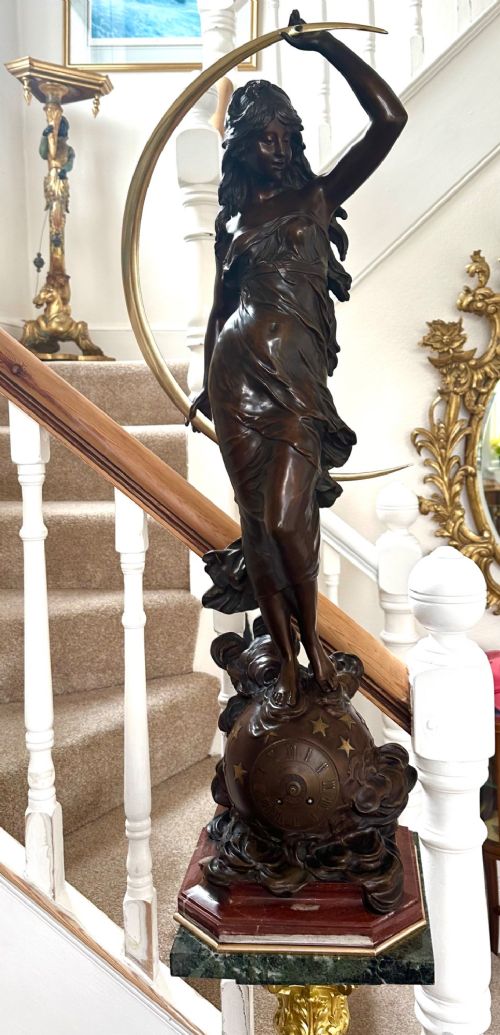
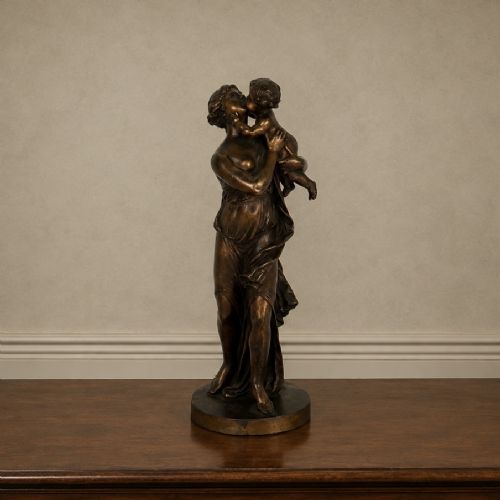
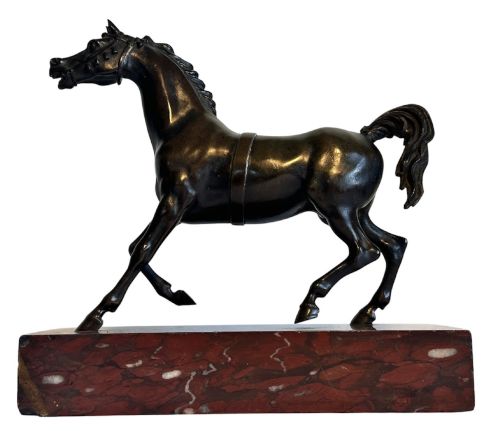

Victorian Bronze Statuette
These Victorian bronze statuette examples bring classical and literary subjects into the nineteenth-century interior through solid metalwork.
What these pieces are
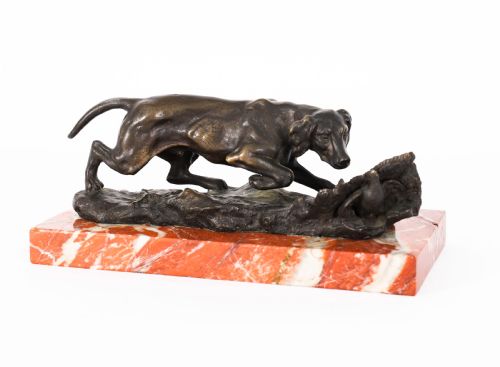
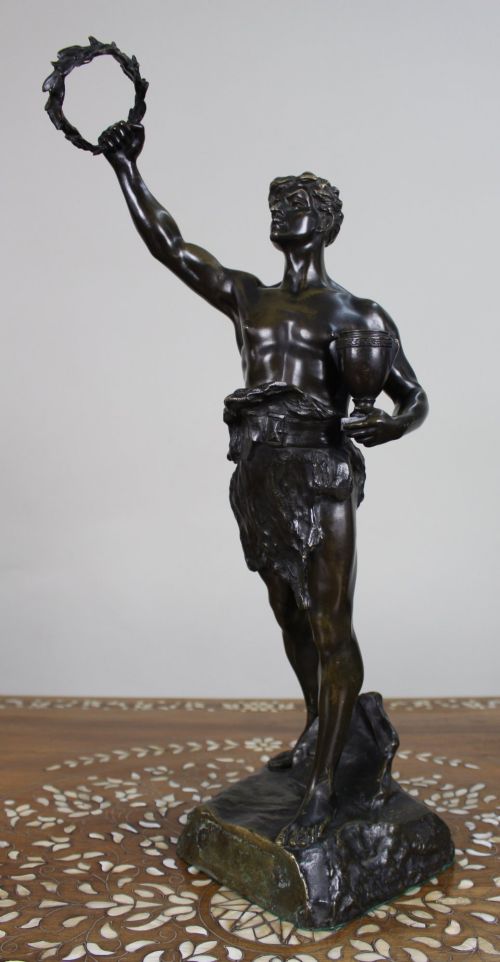
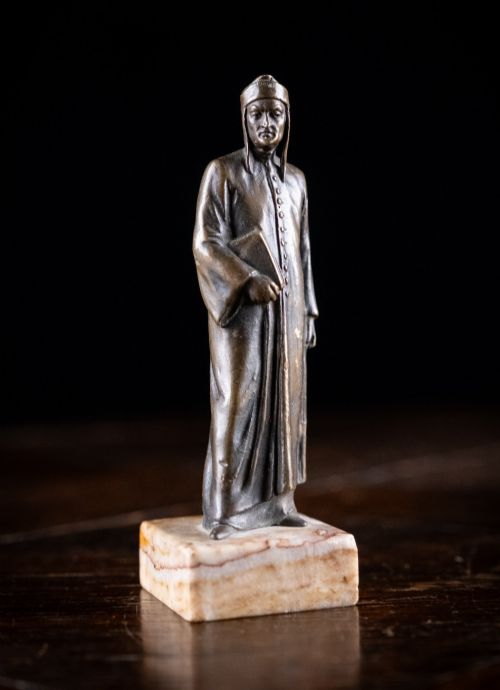
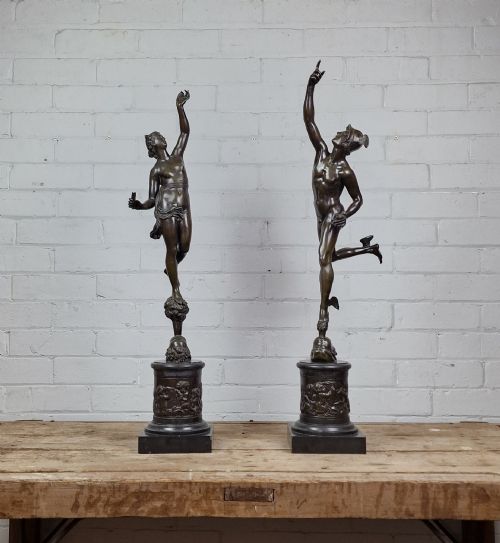
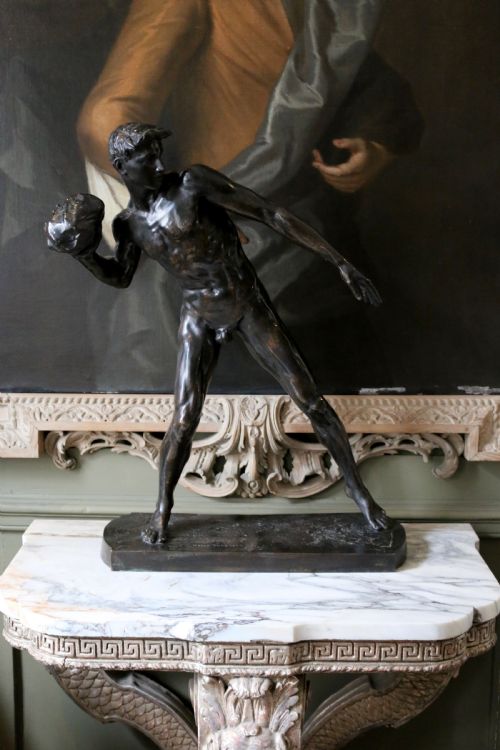
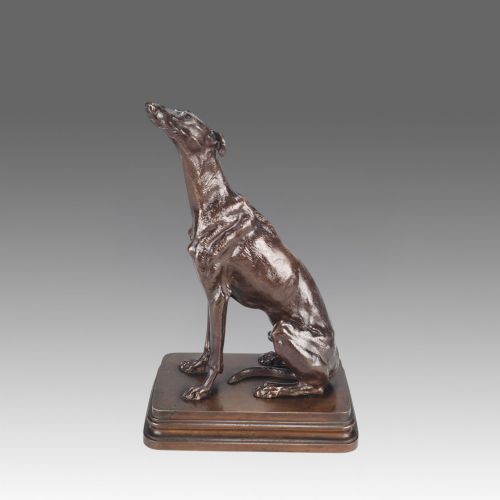
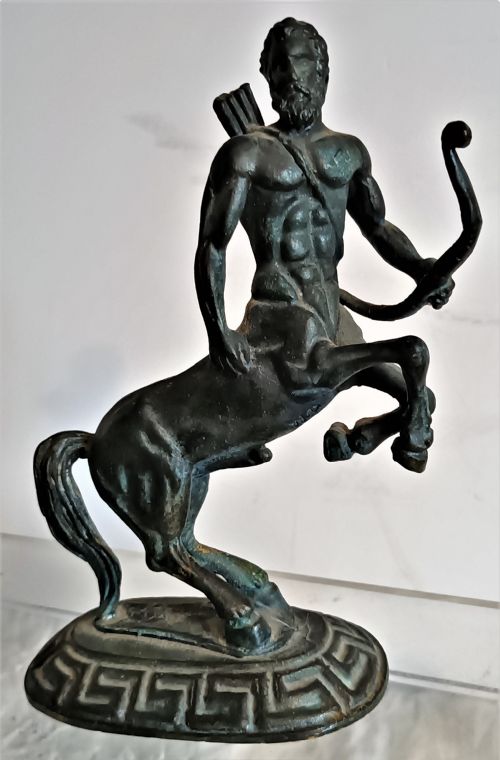
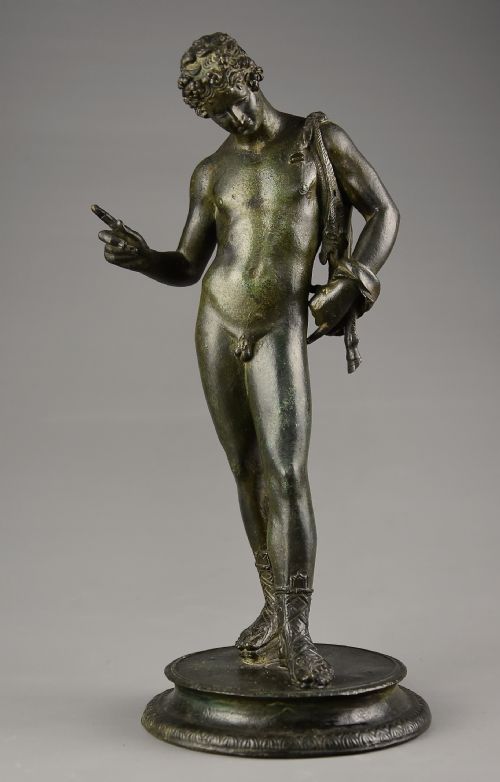
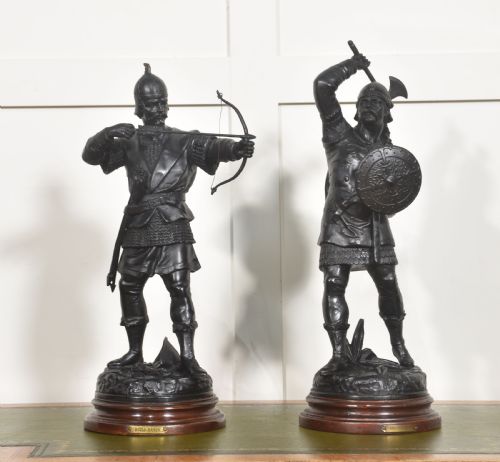
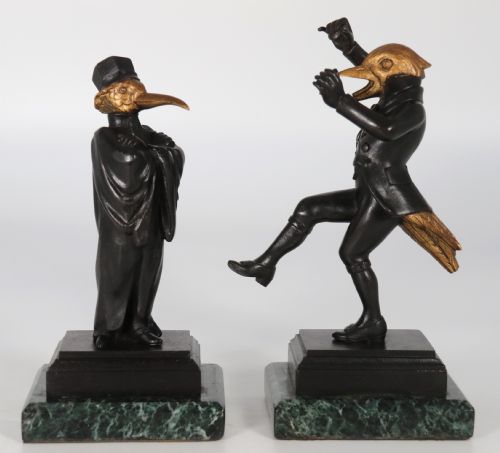
A victorian bronze statuette captures figures from literature, history, and mythology in portable metal form. Buyers seeking these works encounter subjects ranging from Dante Alighieri and Shakespeare's Falstaff to classical athletes and Queen Victoria herself.
The selections on this page span the nineteenth century, including Grand Tour souvenirs and Victorian New Sculpture. Pieces often stand on marble bases or incorporate patinated finishes that heighten their sculptural detail.
How they were made
Foundries produced these figures primarily in bronze, sometimes utilising bronzed metal for alternative patination effects. Artisans applied chemical patinas to achieve deep brown or dark surface tones on the metal.
Retail Price Guide 2026
Typical UK retail prices for victorian bronze statuette, calculated from the Sellingantiques database of over a million retail prices indexed since 2003. This retail price guide relies exclusively on Sellingantiques data; no external sources or auction records are used, so the figures do not describe the wider market.
Materials recorded across the inventory include bronze, patinated bronze, bronzed metal, and marble.
What varies in quality
Finer examples demonstrate superior anatomical definition and precise rendering of costume, hair, and facial expressions. The sharpness of the casting distinguishes superior workshop output from simpler commercial variants.
The integration of the patinated surface and the quality of the marble mounting determine the overall presence of the piece. Well-balanced proportions and strong character likeness mark out the higher tier of nineteenth-century sculpture.
Hamo Thornycroft
The Victorian Bronze Statuette Glossary
- Patinated bronze
- Bronze that has been treated with chemical solutions to produce a specific surface colour or aged finish. This layer protects the metal and enhances the visibility of sculptural details.
- Grand Tour
- A cultural journey through Europe undertaken by nineteenth-century travellers who collected small bronzes as souvenirs. These pieces typically reproduced famous classical sculptures or Italian subjects.
- Victorian New Sculpture
- A late nineteenth-century British movement that revitalised sculpture through more dynamic, naturalistic figures. Artists in this tradition focused on athletic bodies and expressive poses.
- Chasing
- The manual refinement of a raw metal casting using small punches and chisels. This process sharpens surface details and removes any remaining casting imperfections.
Frequently Asked Questions
What subjects do these statuettes show?
These figures represent literary characters like Dante and Falstaff alongside historical figures such as Queen Victoria. Classical athletes and mythological subjects also appear frequently.
Many pieces reflect the cultural interests of the nineteenth century, drawing heavily from Italian studies and Grand Tour traditions.
Are all these pieces solid bronze?
The inventory includes works cast in traditional bronze alongside examples formed in bronzed metal. Material descriptions clarify the exact composition of each individual figure.
Marble bases frequently accompany the metal sculptures to anchor the composition and add structural weight.
Where were these sculptures made?
Origin points include British workshops associated with the New Sculpture movement and Italian foundries producing Grand Tour pieces. British sculptors like Hamo Thornycroft contributed to the domestic output.
Continental foundries catered extensively to travellers seeking portable studies of classical subjects.
How do I care for bronze?
Dust the surface gently with a soft, dry cloth to prevent accumulation. Avoid chemical cleaners that can strip the patinated finish from the metal.
Keep the pieces away from excessive moisture and direct heat sources to protect both the metal and any accompanying marble.