




Bronzed Metal Sculpture
A bronzed metal sculpture brings figurative elegance and weight to a room, offering enduring craftsmanship from the nineteenth and early twentieth centuries.
Bronzed Metal Sculpture
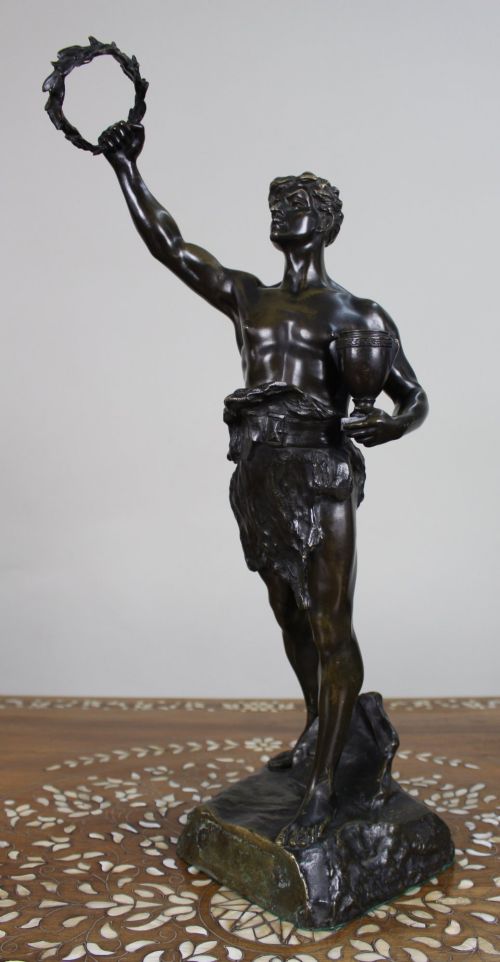
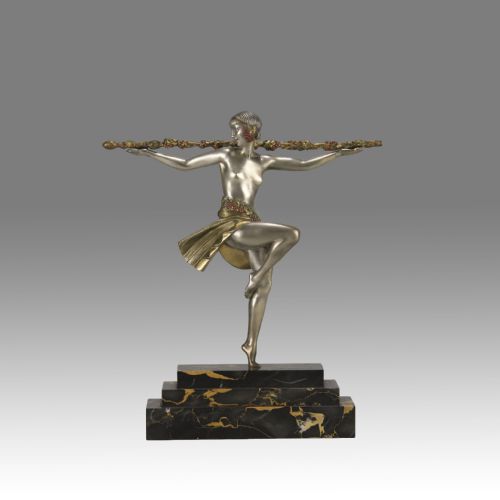
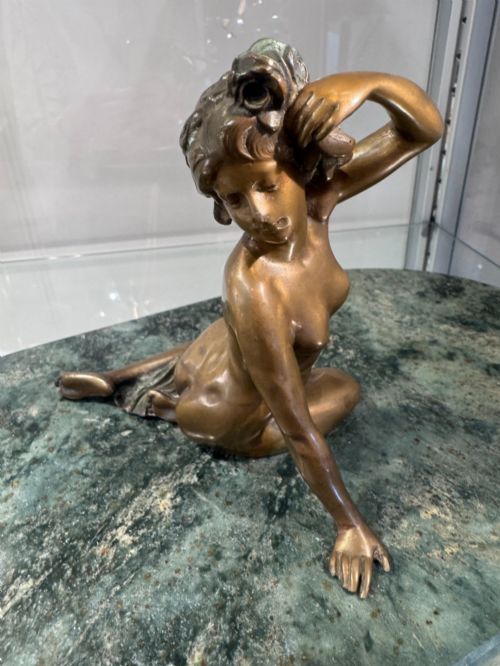
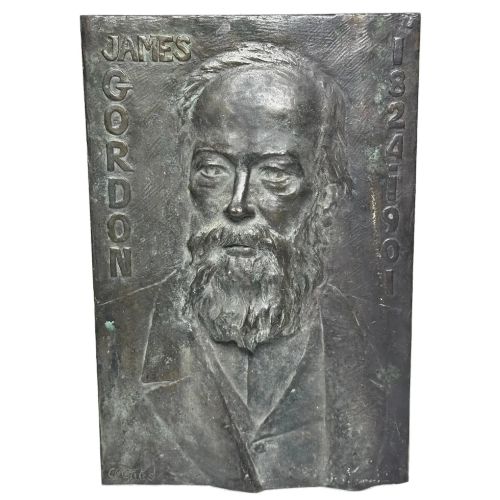
When you search for bronzed metal sculpture, you encounter a varied selection of figural works, animalier studies, and decorative objects. These pieces span historical periods from the nineteenth century through the art deco and art nouveau eras, originating from European, Asian, and British workshops.
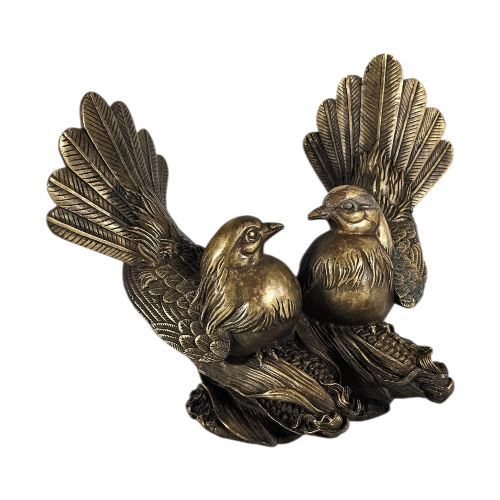
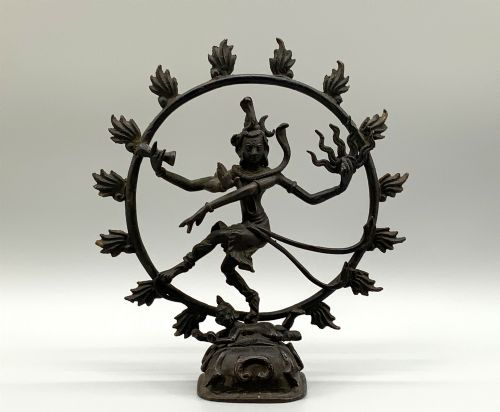
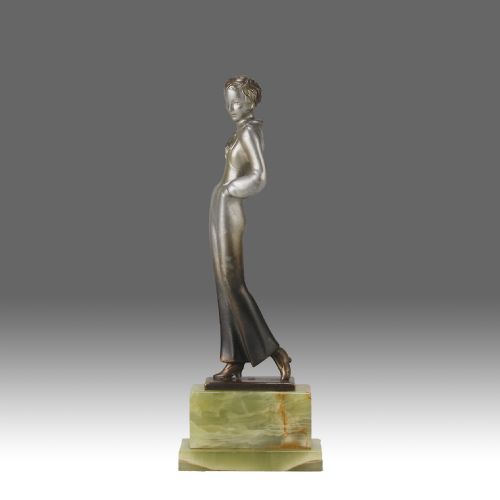
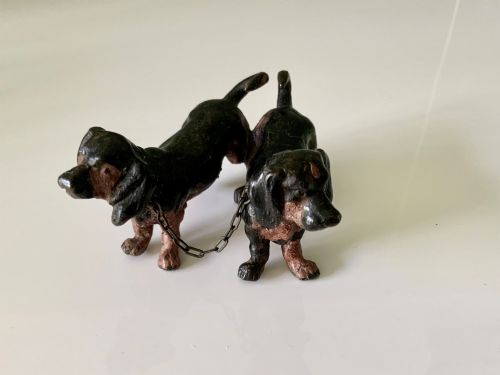
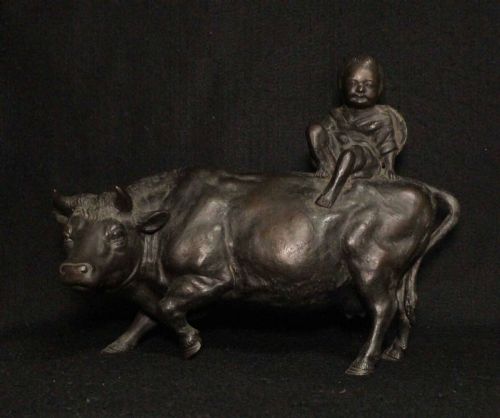
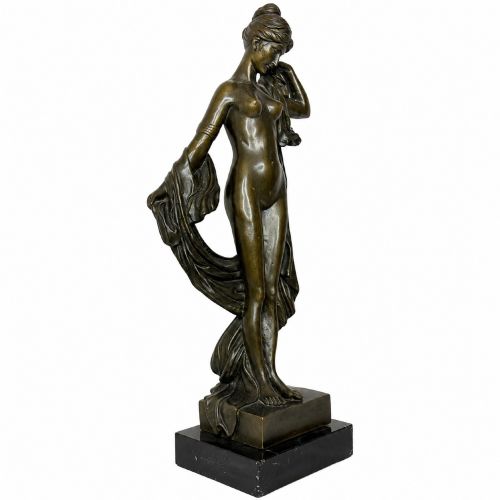
You are most likely to meet figures mounted on marble bases, animal subjects, and classical models cast during the Victorian and Edwardian periods. Many examples utilise patinated surfaces, gilt finishes, or cold-painted colours to render human, animal, and mythical subjects with striking detail.
Materials and casting methods
Foundries primarily utilised bronze and spelter as base metals for casting figures, plaques, and decorative vessels. Artisans frequently mounted these metal sculptures onto marble or onyx plinths to provide stability and visual contrast.
Finishing techniques included chemical patination to darken the metal, fire-gilding, and manual cold-painting with enamel colours. Makers often signed their works directly into the metal matrix before the final surface treatment was applied.
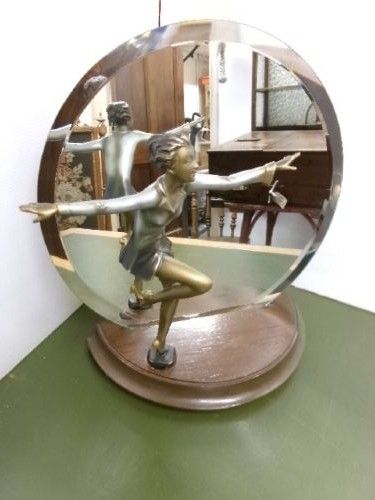
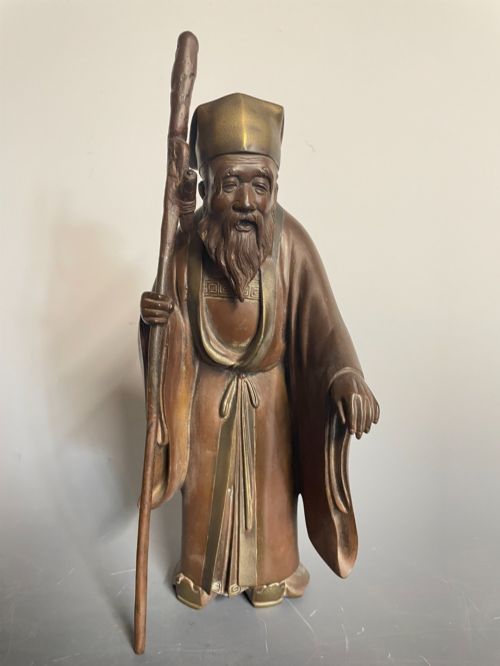
Scholars and monkeys occasionally share the limelight with bronze crocodiles and dancing ladies.
Distinctions in execution and finish
The quality of the material foundation matters significantly, as dense patinated bronze differs from lighter spelter alloys. Furthermore, integrated bases of genuine marble or onyx enhance the stability and overall visual harmony of the sculpture.
Pierre le Faguays·Josef Lorenzl·E Villanis·Emile Carlier·Christophe Fratin
The Bronzed Metal Sculpture Glossary
- Patinated bronze
- A metal sculpture treated with chemical solutions to produce a controlled surface colour, typically brown, green, or black. This layer protects the underlying alloy and defines the tonal depth of the piece.
- Spelter
- A zinc-based alloy commonly utilised as an economical alternative to bronze for decorative figures. It is softer than bronze and often finished with a bronzed coating.
- Animalier
- A nineteenth-century artistic style focused on the realistic depiction of animals, particularly in motion or combat. Sculptors in this tradition observed wildlife closely to capture musculature and behaviour.
- Cold-painted
- A method where enamel paint is applied to a metal sculpture after casting, without subsequent firing in a kiln. This technique is frequently observed on Austrian and German animalier figures.
- Grand tour
- Souvenir sculptures purchased by wealthy travellers visiting cultural sites in Italy and France during the nineteenth century. These reductions of classical monuments were cast in bronze or marble.
Bronzed Metal Sculpture: Frequently Asked Questions
How do I clean a bronze sculpture?
Dust the surface gently with a soft, dry brush to remove particles without disturbing the underlying patina. Avoid chemical solvents, abrasive cloths, or water, which can strip historic finishes from the metal.
Apply a very thin coat of microcrystalline wax periodically if the metal appears dry, buffing it away completely with a clean cloth. This creates a protective barrier against atmospheric moisture and handling.
What is the difference between bronze and spelter?
Bronze is a durable copper and tin alloy that accepts fine detail and holds a rich patination over centuries. It feels heavy and cold to the touch, and rings with a distinct tone.
Spelter is a softer zinc alloy that was widely utilised for decorative figures during the Victorian and art deco periods. It is lighter in weight and typically coated with a bronzing paint that can reveal grey metal beneath if worn.
How do I identify the period of a sculpture?
Examine the mounting style, signature format, and underlying aesthetic movement, such as art nouveau or art deco. Nineteenth-century works frequently feature heavier cast bases and classical patination.
Look for foundry stamps, registration marks, or incised signatures that point to active dates for specific makers. The choice of base material, from variegated marble to slate, also aids in dating.
Where should I display these sculptures?
Position sculptures away from direct sunlight and damp environments to protect patinated surfaces and marble plinths. Stable indoor temperatures prevent thermal shock to mixed-media pieces.
Place figures on sturdy console tables, desks, or mantelpieces where their weight is supported safely. Ensure adequate clearance so the piece can be viewed from multiple angles.