


Antique Bronzed Paperweight
When you handle an antique bronzed paperweight, you hold a desk accessory shaped as an animal, mythical beast, or classical figure.
Antique Bronzed Paperweight
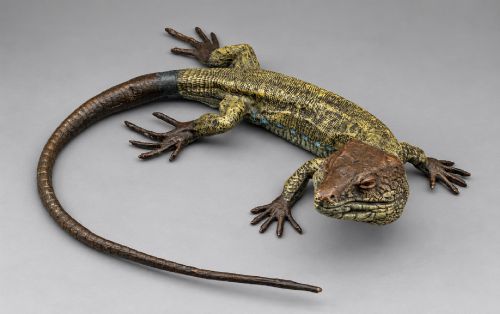
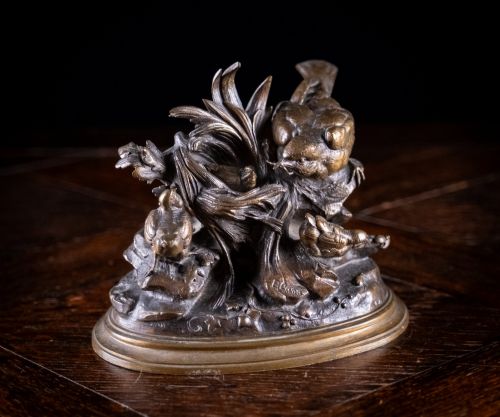
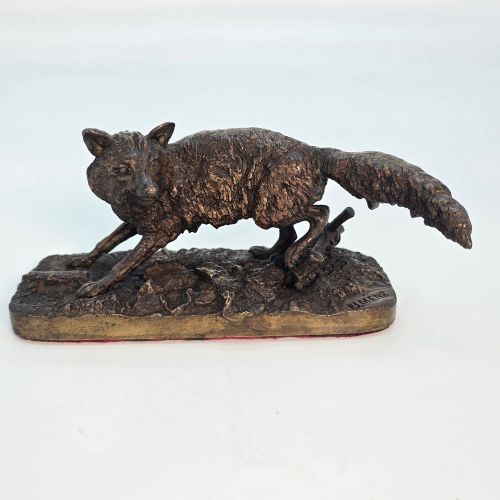
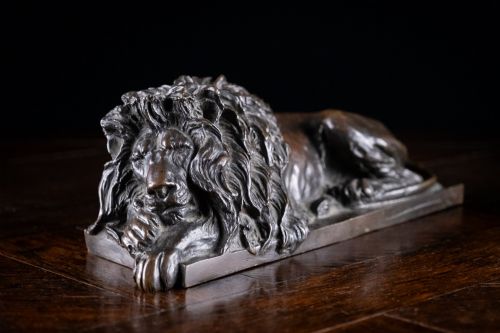
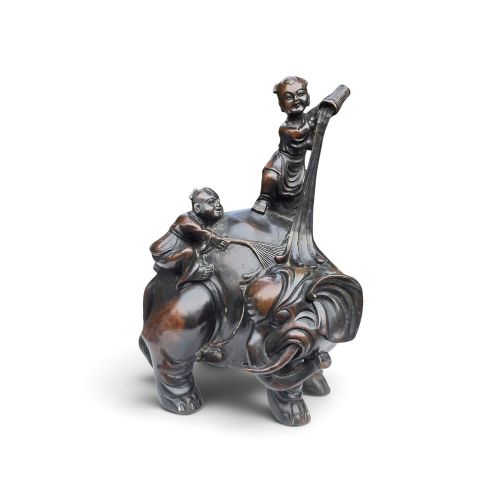
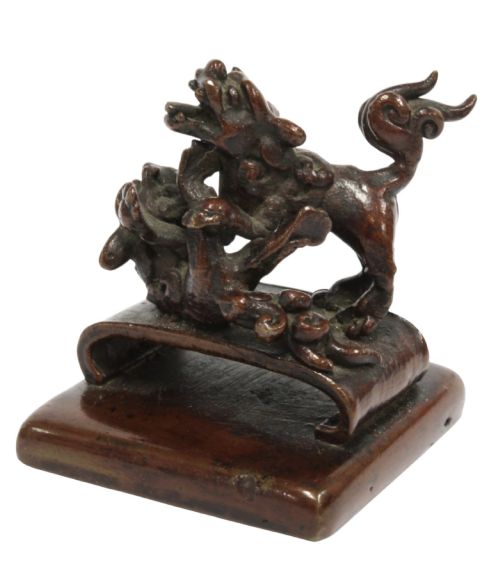
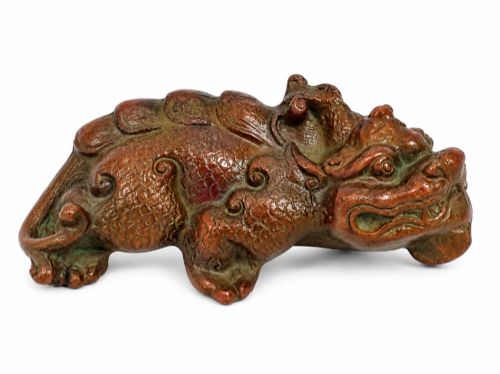
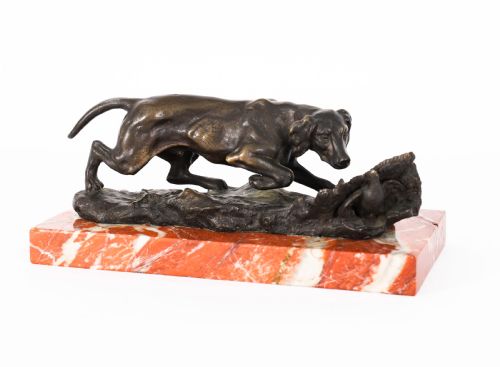
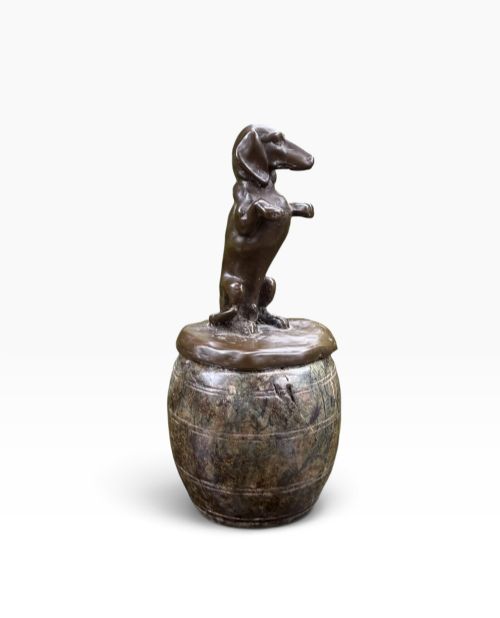
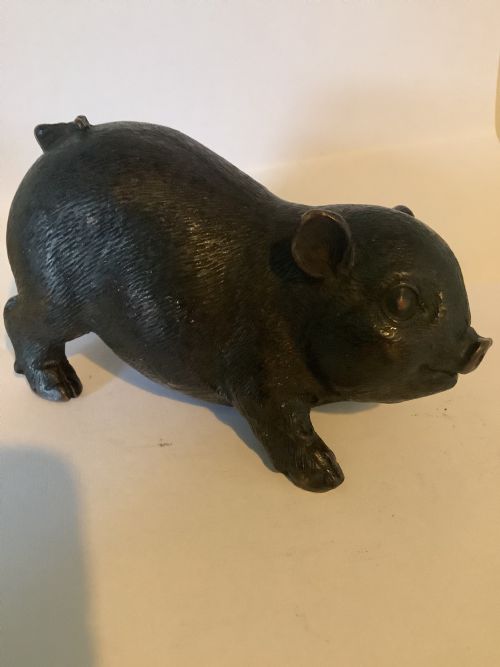
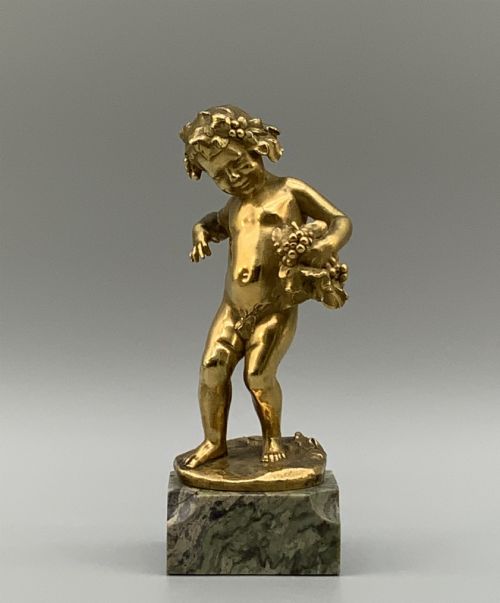
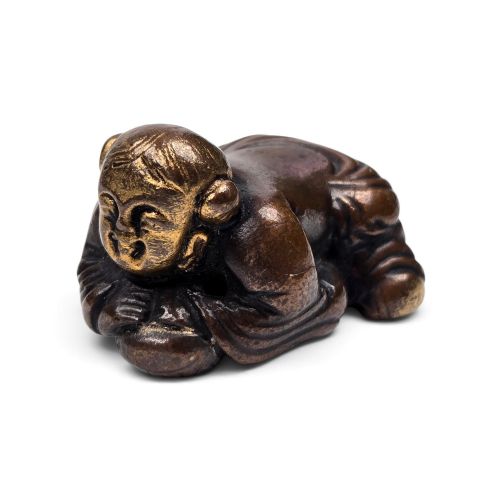
An antique bronzed paperweight typically takes the form of a small sculpture designed for the desk, depicting animals, birds, or human figures. The pieces on this page span the nineteenth and early twentieth centuries, originating from European workshops, Austrian foundries, and East Asian makers.
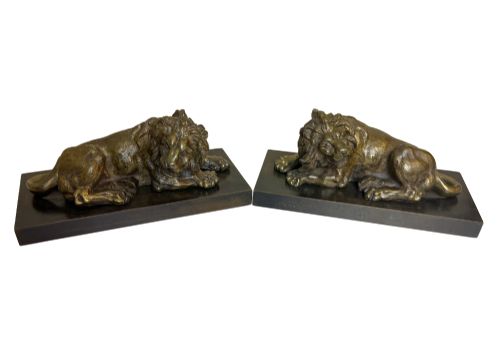
You will frequently encounter Austrian cold-painted bronzes alongside French animalier studies and Chinese bronze figures. These objects served a practical function on the writing desk while doubling as decorative desk accessories or cabinet pieces.
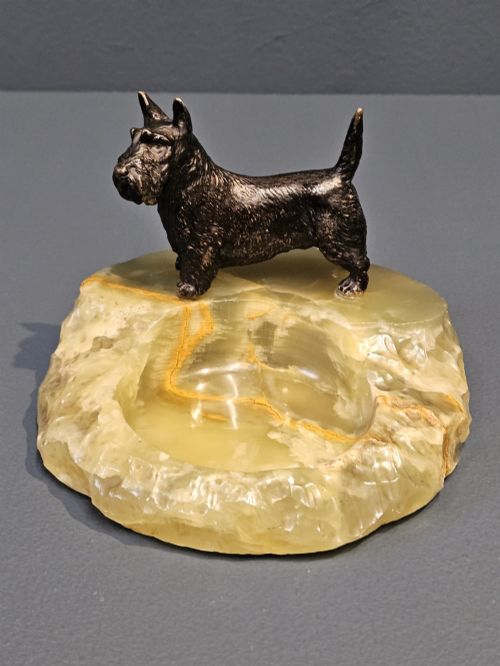
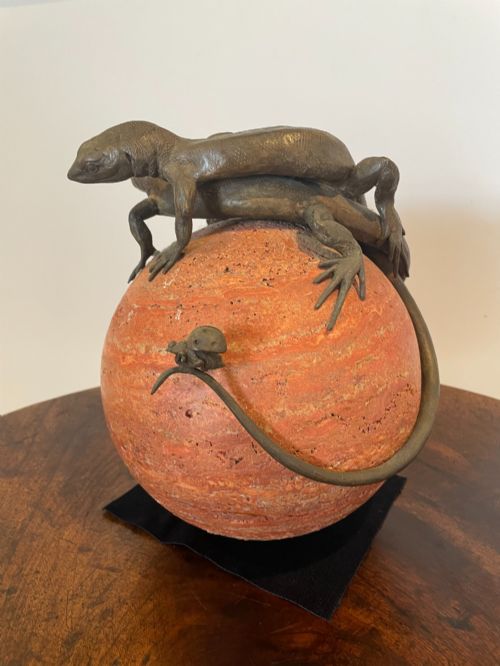
The subjects range from domestic dogs and wild animals to mythological creatures and insects, cast in solid metal or mounted on stone bases such as marble and onyx.
Materials and Technique
Many of these pieces utilise traditional casting methods, resulting in solid-cast bronze forms that carry a substantial weight for their size. Selected examples receive a fire-gilt finish or patination to enhance the surface texture.
Austrian workshops frequently employed the cold-painting technique, applying layers of polychrome paint over a bronze casting without subsequent firing. Other pieces combine cast bronze with natural materials like green onyx or marble bases.
Antique Bronzed Paperweight Retail Price Guide 2026
Typical asking prices for bronzed paperweight among the pieces listed under this phrase on Sellingantiques today, from the lower quarter to the upper quarter. They describe what is for sale here now, not the wider market.
A tiny bronze dwarf miner clutches a giant crystal diamond on your desk.
Execution and Detail
The distinction between tiers rests upon the sharpness of the chasing and the fidelity of the anatomical rendering. Superior castings retain crisp feather, fur, or scale details that lesser productions lose during mass replication.
In cold-painted works, the preservation of the original polychrome surface dictates desirability. Examples that retain their applied colour without extensive overpainting demonstrate greater integrity.
Carl Kauba·Charles Louis Malric·Susse Frères·Franz Bergman·Pierre Jules Mene·Antoine Louis Barye
The Antique Bronzed Paperweight Glossary
- Cold-painted bronze
- A method where pigment is applied to a bronze casting and allowed to air dry rather than being fired in a kiln. This technique is particularly characteristic of Austrian foundries.
- Animalier
- A nineteenth-century artistic movement focused on the realistic depiction of animals. French sculptors working in this style produced numerous studies of hounds, lions, and stags.
- Grand Tour
- Souvenirs and miniature models collected by travellers touring the classical sites of Europe. These often replicate ancient sculptures or architectural elements in bronze.
- Okimono
- A Japanese decorative figurine intended for display in a traditional interior. These carvings and metal sculptures often depict insects, animals, or daily subjects.
- Patination
- The surface coloration achieved naturally through age or artificially through chemical treatments. It alters the appearance of the raw metal to produce brown, green, or dark tones.
Antique Bronzed Paperweight: Frequently Asked Questions
How do I clean a cold-painted bronze?
You should use only a soft, dry brush to remove dust from the surface. Moisture or cleaning solutions will damage the delicate paint layers.
Avoid rubbing the painted areas, as cold paint sits on top of the metal rather than being fused into it.
Were these always used as paperweights?
While many served to hold down papers on nineteenth-century writing desks, others functioned purely as cabinet ornaments or okimono.
Desk accessories often included integrated elements such as inkwells, seals, or pen trays alongside animal figures.
What is the difference between cold-painted and patinated bronze?
Patinated bronze relies on chemical treatments to colour the metal surface itself, producing stable brown, green, or black tones. Cold-painted bronze has surface pigments applied directly over the metal.
Patinated finishes withstand handling better, whereas cold-painted surfaces require careful preservation to prevent paint loss.
How do I identify Austrian animal bronzes?
Austrian pieces from the late nineteenth and early twentieth centuries frequently depict birds, dogs, and human figures with distinctive polychrome paint finishes. Many originate from Vienna foundries and carry small stamped foundry marks or numbers.
The subjects often lean towards naturalistic or whimsical animal studies designed specifically for export.