


Antique French Metal Sculpture
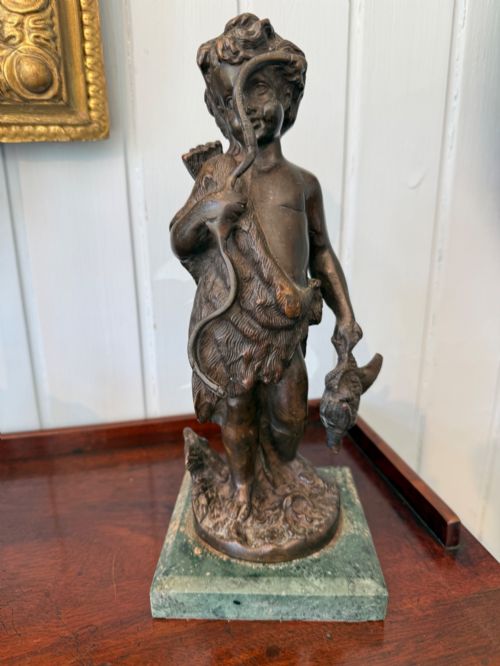
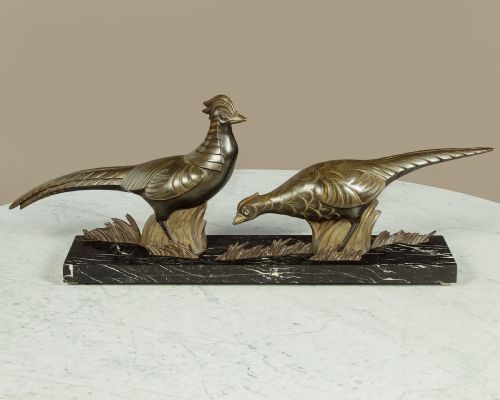
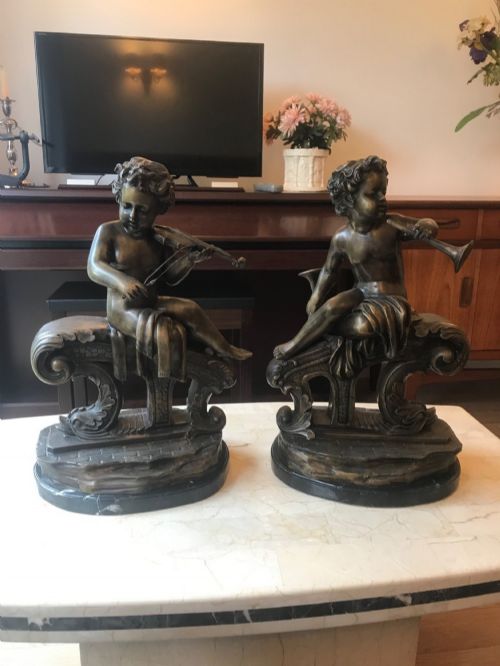
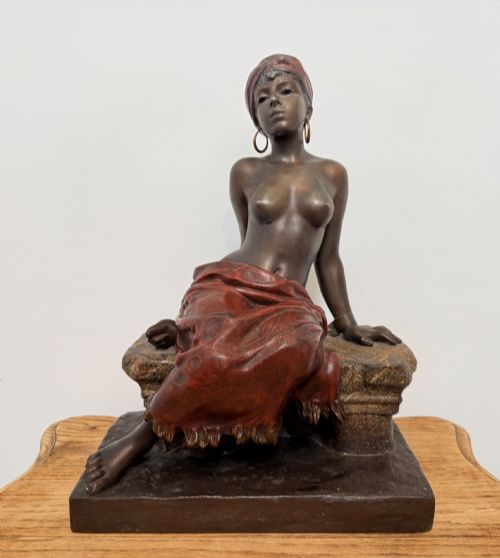
These antique French metal sculptures combine bronze, spelter and cast iron to capture figures, animals and classical subjects across the nineteenth and twentieth centuries.
Antique French Metal Sculpture
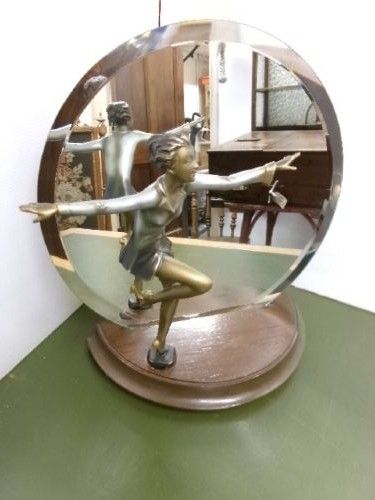
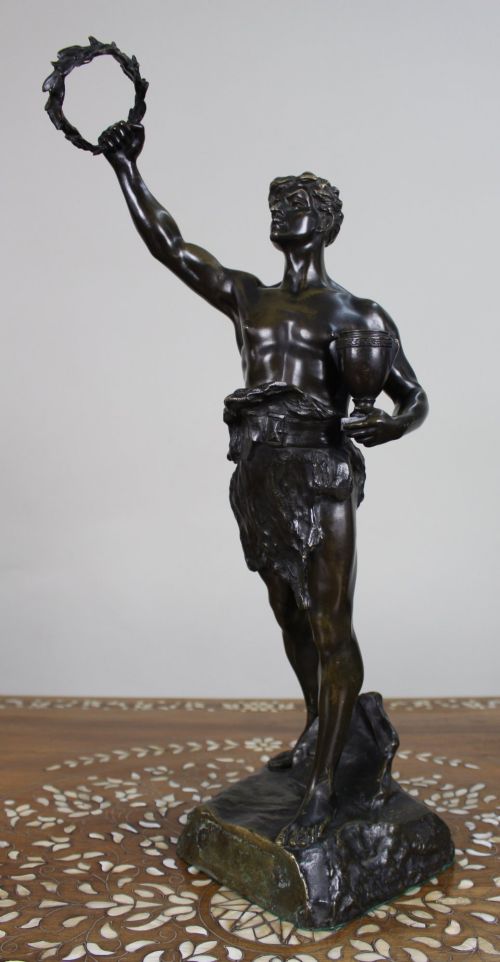
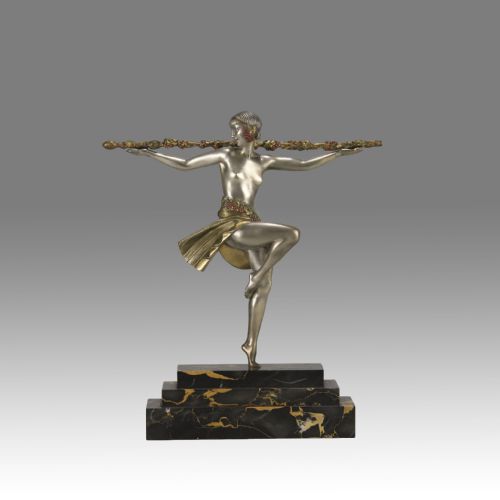
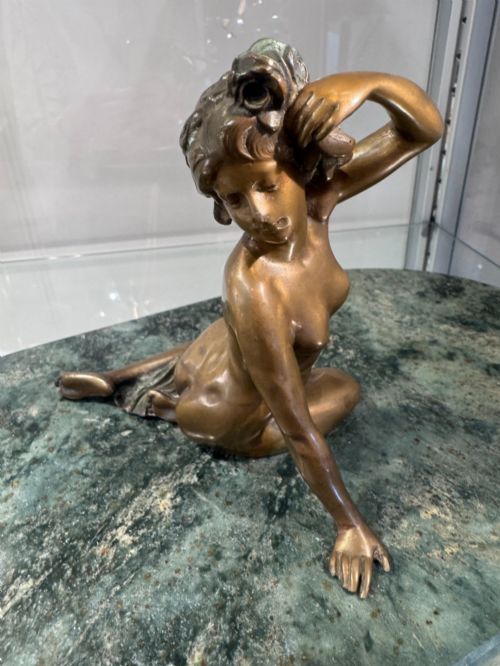
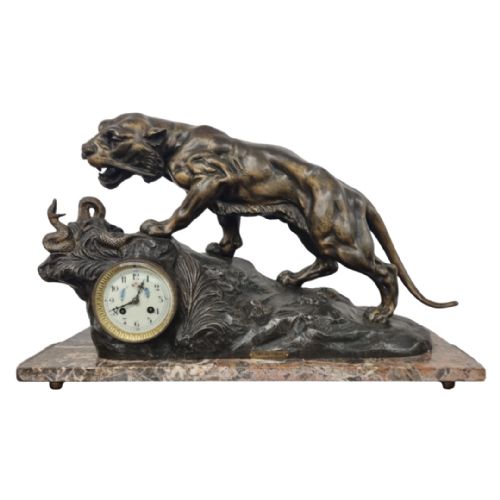
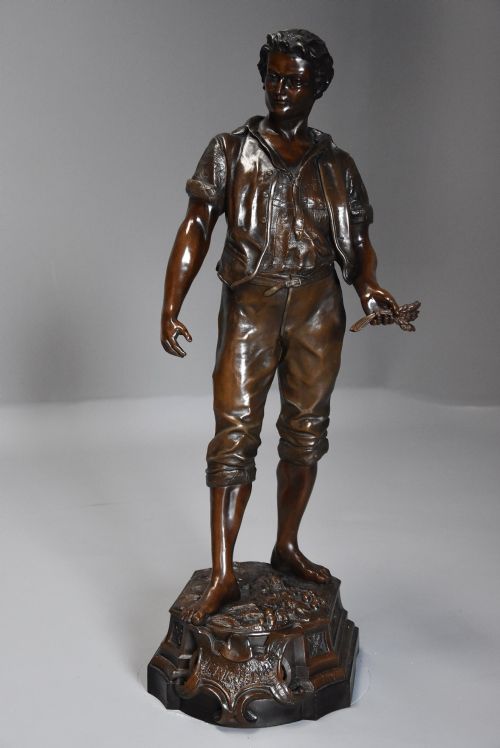
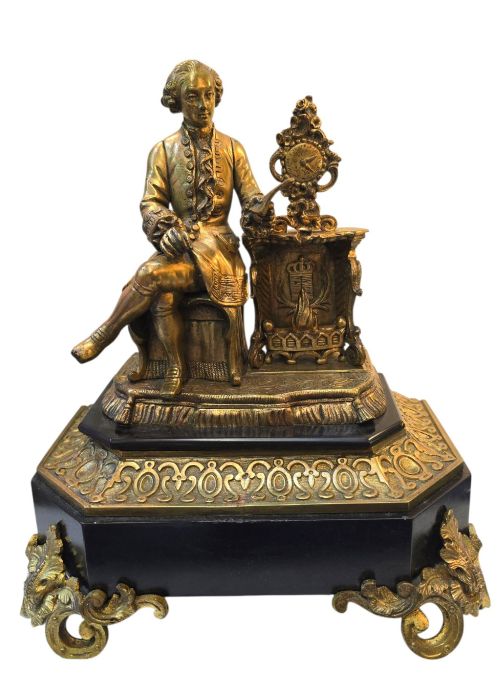
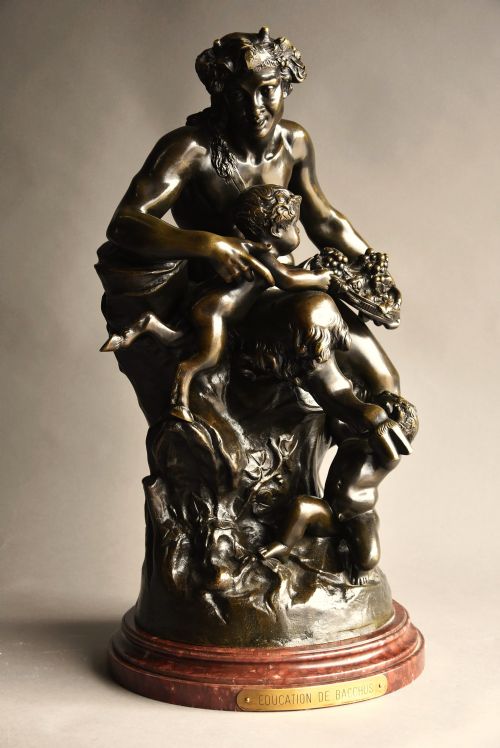
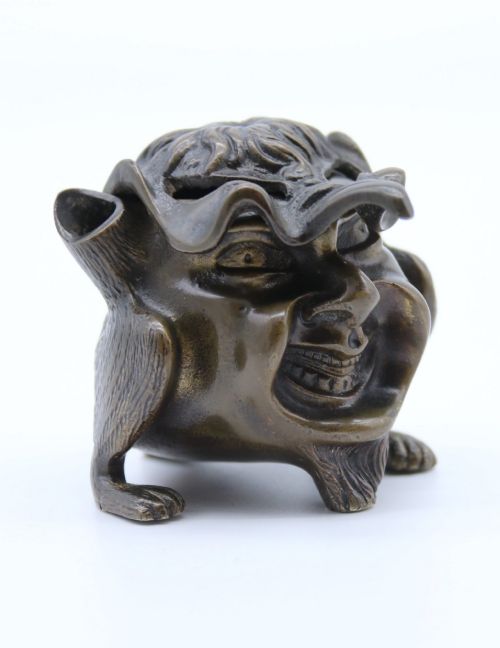
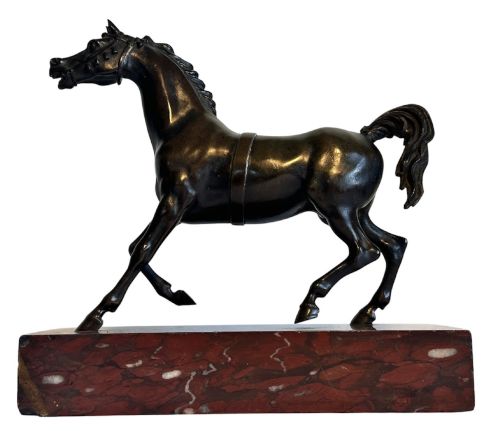
When searching for antique french metal sculpture, collectors encounter a diverse array of figural works, mantel clocks, inkwells and architectural models originating from nineteenth-century workshops and early twentieth-century foundries. The pieces span distinct stylistic movements including Neoclassical, Art Nouveau, Art Deco and Animalier, reflecting both mythological subjects and realistic depictions of human figures and wildlife.
The objects on this page are most commonly encountered as patinated bronze or spelter figures mounted upon marble or onyx bases, alongside utilitarian items like figural vases and desk accessories. Nineteenth-century examples often lean towards classical revival and mythological themes, whereas the later periods bring stylized dancers, birds and streamlined animal groups typical of the interwar years.
How They Were Made
Foundries utilised traditional casting techniques such as the lost-wax process or sand casting to shape molten bronze, brass and spelter into intricate forms. Cold painting and gilding were frequently applied to enrich surfaces, while structural elements often integrated cast iron and carved wood components.
Plinths and bases commonly relied on contrasting natural stones like marble and onyx to support heavier metal figures. Artisans then finished these pieces with hand-applied patination to accentuate the detailed musculature, drapery and textures recorded in the metal.
Listings feature works spanning from the early nineteenth century through the Art Deco era, incorporating marble and onyx plinths.
What Varies in Quality
The fidelity of the casting separates standard production pieces from masterworks, with superior examples exhibiting crisp chiselling and well-defined facial expressions, feathers or drapery. Finer sculptures retain the nuance of the modeller's original hand, whereas inferior castings often appear softened or rely on heavy patination to obscure surface imperfections.
The choice of base material and the integrity of the original patination further differentiate the range, as replacement plinths or stripped surfaces diminish historical coherence. Sculptures bearing clear signatures from established founders or named artists consistently demonstrate superior execution in both metal composition and assembly.
Lemoyne·Pierre le Faguays·R Varnier·F.Milliot·Claude Michel Clodian·Christophe Fratin·Emile Carlier·Henri Godet·Henry Wissen Senior·Val d'Osne foundry·MAINFROY·Leon Message·Jollet et Cie·Jean Jules Salmson·P. Sega·C Masson·Charles Korschann·Gregoire
The Antique French Metal Sculpture Glossary
- Spelter
- A zinc alloy commonly used as an economical alternative to bronze for sculptural figures during the nineteenth and twentieth centuries. It is typically given a bronze-like or painted finish.
- Animalier
- A nineteenth-century artistic style focusing on the realistic depiction of animals in action or repose. It was popularised by French sculptors who studied subjects in menageries.
- Patina
- The surface coloration and sheen developed naturally over time or applied artificially by the artist using chemical treatments. It protects the metal and defines the visual depth of the sculpture.
- Ormolu
- Finely ground high-carat gold applied to a bronze base using a mercury amalgamation process. This technique produces a durable, rich golden finish seen on decorative mounts and clock cases.
- Grand Tour
- A nineteenth-century tradition where travellers collected miniature bronze models of classical monuments and architecture as souvenirs of their European journeys.
Antique French Metal Sculpture: Frequently Asked Questions
What is spelter?
Spelter is a zinc-based alloy that served as a popular, more affordable alternative to bronze for nineteenth and twentieth-century figures.
It is often identified by its lighter weight and a surface finish designed to imitate bronze or painted patination.
How do I care for metal sculptures?
Metal sculptures require gentle dusting with a soft, dry cloth to prevent the accumulation of abrasive particles.
Moisture, harsh cleaning agents and direct sunlight should be avoided to protect the original patination and attached stone bases.
Are these pieces solid bronze?
While many sculptures are cast in solid bronze, others are hollow castings or utilise alternative metals such as brass, cast iron or zinc-based spelter.
Weight, magnetism and examination of the interior or base generally help determine the specific metal composition used.
What does Animalier mean?
Animalier refers to nineteenth-century sculptures that realistically depict animals, capturing them in natural poses or dramatic action.
French artists working in this genre closely observed wildlife in menageries to achieve anatomically accurate representations.