


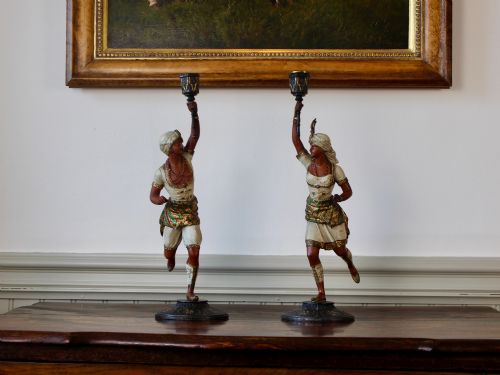


Bronze Spelter Figure
These bronze spelter figure pieces capture sculptural ambition in an accessible alloy, offering decorative presence across 19th-century and Art Deco forms.
Bronze Spelter Figure
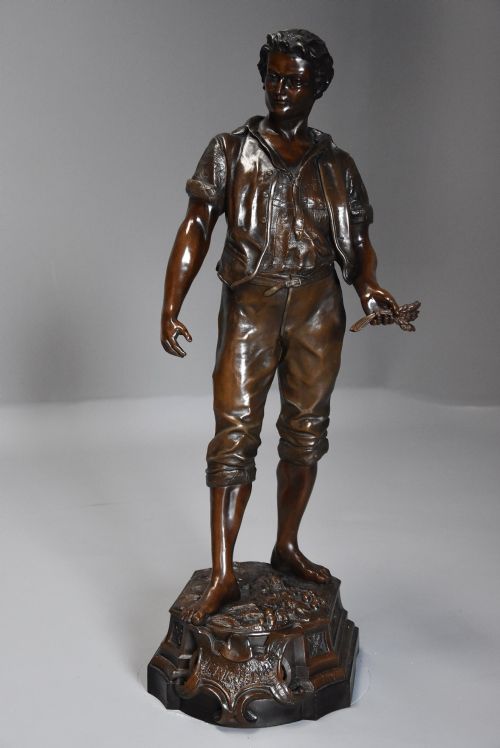
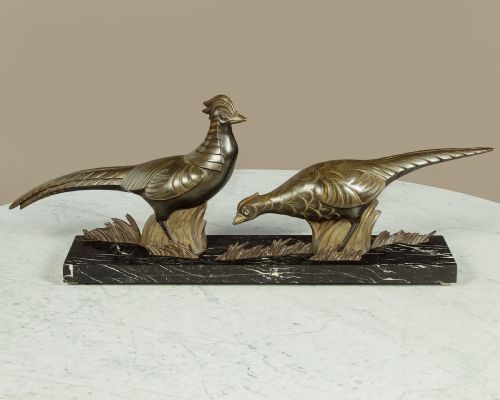
When searching for a bronze spelter figure, buyers encounter a wide assortment of cast metal sculptures, lamps, clocks, and bookends. These pieces frequently adopt the designation bronze spelter due to their dark patination, mimicking true bronze while utilising a zinc-based alloy.
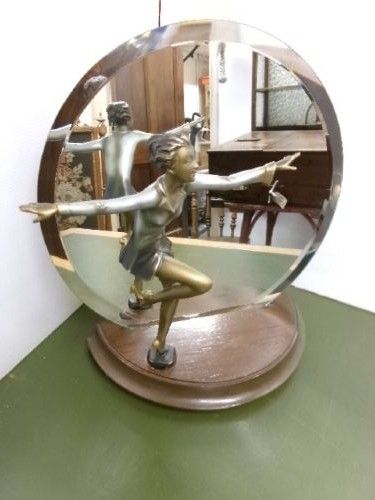
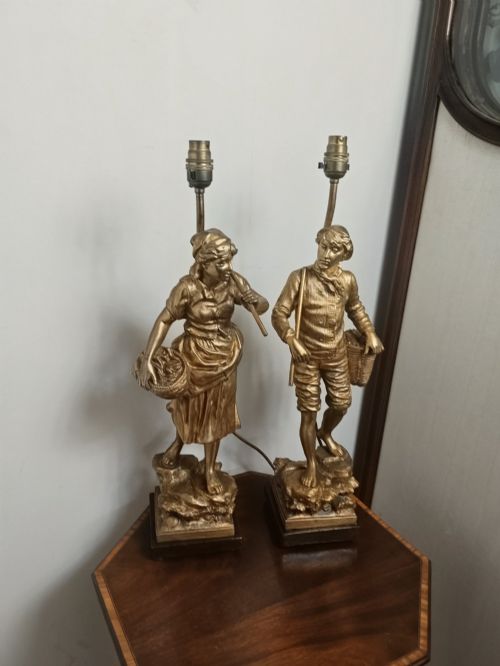
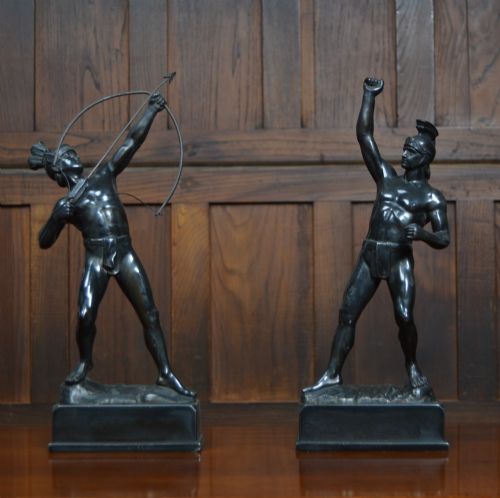
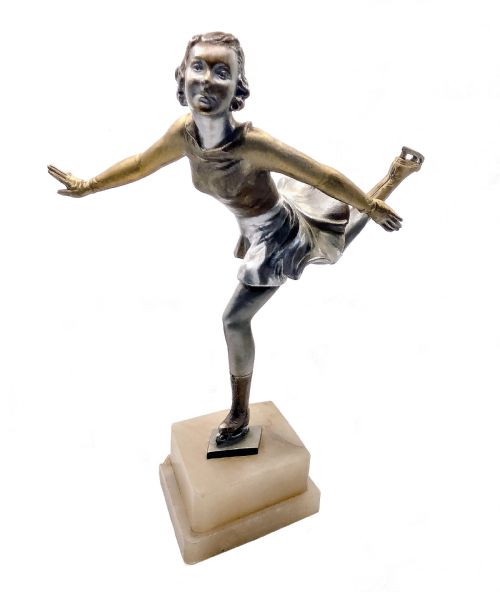
The objects span domestic decorative arts from Victorian and late 19th-century French workshops through to the geometric streamlining of the Art Deco period. Common subjects range from classical soldiers and farm labourers to dancers, athletes, and animal groups.
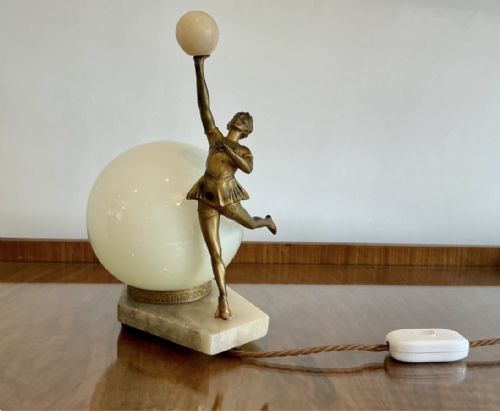
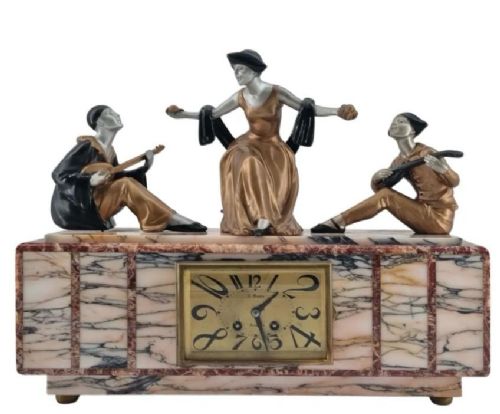
Table lamps, candlesticks, and mantel clocks form a substantial portion of the available items, integrating sculptural human or animal figures directly into functional household objects. Many pieces originate from French foundries and carry signatures or attributions to prominent designers of the era.
How they were made
Foundries produced these items by casting zinc alloys into moulds, a process that allowed for intricate detailing at a lower cost than traditional bronze casting. Artisans then applied surface treatments such as cold painting, gilding, or bronze-look patination to achieve the desired metallic finish.
Many sculptures incorporate secondary materials like marble, onyx, alabaster, wood, or glass to serve as substantial bases or to complement the central metal casting. Candlesticks and lamp bases frequently combine brass elements with the primary spelter figure to add structural support.
Medieval characters perched on stilts occasionally join the lineup, proving historical dignity sometimes demands elevation.
What varies in quality
Artistry in design and the presence of a clear foundry mark or artist signature elevate certain works above standard decorative wares. The integration of complementary materials, such as heavy marble bases or detailed alabaster bookends, also distinguishes superior execution.
E Rousseau·F.Milliot·L & F Moreau·Josef Lorenzl·Geo Maxim·Chiparus·Auguste Moreau
The Bronze Spelter Figure Glossary
- Spelter
- A zinc-based alloy used as an economical alternative to bronze for sculptural castings. It takes patination well but is softer and lighter than true bronze.
- Patination
- The surface treatment applied to metal to simulate aged bronze or create specific colour effects. It ranges from dark bronzed tones to applied polychrome highlights.
- Cold painted
- A method where paint is applied to a metal object without heat firing. This technique is common on Continental figural pieces and decorative lamps.
- Art Deco
- A design style dominant in the 1920s and 1930s characterised by sleek geometric forms and stylised figures. It produced numerous popular dancer and animal sculptures in metal.
- Figural
- Describes an object that incorporates human or animal forms into its design. This includes lamp bases, clocks, and candlesticks where the sculpture forms the main body.
Bronze Spelter Figure: Frequently Asked Questions
What is spelter metal?
Spelter is a zinc-based alloy widely utilised for decorative sculptures and household objects during the nineteenth and early twentieth centuries. It offered makers a cost-effective alternative to bronze while maintaining the ability to take fine casting details.
Because zinc is softer than copper alloys, these pieces require gentle handling to avoid surface wear. Over time, manufacturers applied various patinations to give the metal the appearance of genuine bronze.
How do I identify Art Deco pieces?
Art Deco pieces from the 1920s and 1930s typically feature stylised human forms, such as dancers and athletes, alongside geometric motifs and streamlined animal groups. The overall aesthetic prioritises movement and modern elegance over Victorian realism.
These sculptures frequently incorporate contrasting materials like marble or onyx bases. Signatures from prominent designers often appear directly on the metal casting or the stone plinth.
Were these figures used as lamps?
Many figural castings were designed specifically to function as table lamps or mantel clock housings. Foundries integrated electrical or mechanical fittings into the sculptural compositions to combine utility with ornament.
Such objects allowed middle-class homes to display artistic forms while serving practical daily purposes in the parlour or drawing room.
How should I clean spelter?
Cleaning requires a soft, dry cloth to remove dust without disturbing the surface patination or cold-painted finishes. Moisture and abrasive agents can permanently damage the metallic coating.
Preserving the original finish maintains the visual integrity and historical character of the object.