


Antique Water Carrier Figures
These antique water carrier figures capture human labour and classical grace in bronze, porcelain, and glass across several design movements.
Antique Water Carrier Figures
When you search for antique water carrier figures, you encounter sculptural depictions of women and men carrying vessels, jugs, and baskets. These pieces span the nineteenth century, the Victorian period, and the Edwardian era, extending into Art Nouveau and Art Deco styles.
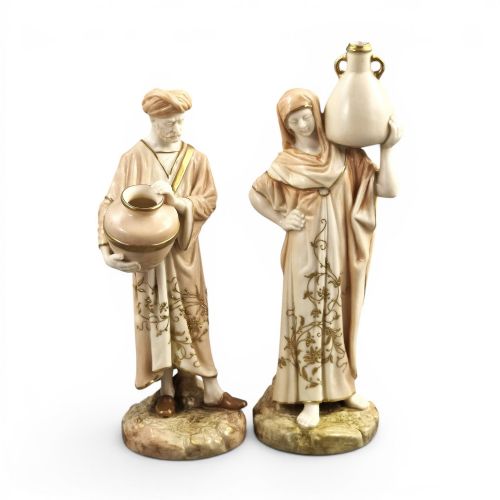
The versions you meet most frequently on this page take the form of porcelain figurines and bronze statues. Makers such as Royal Dux, Royal Worcester, and Goldscheider shaped these subjects through various international tastes, including Orientalist and neoclassical idioms.
How they were made
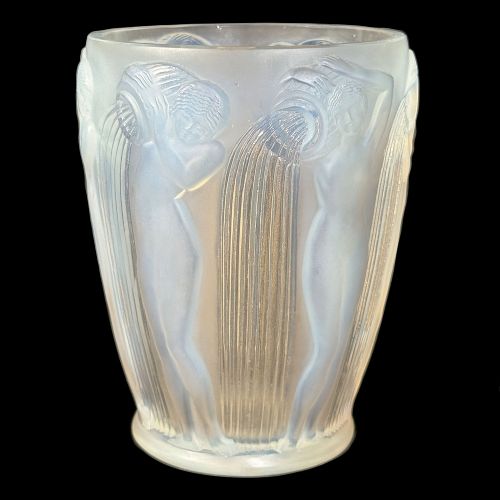
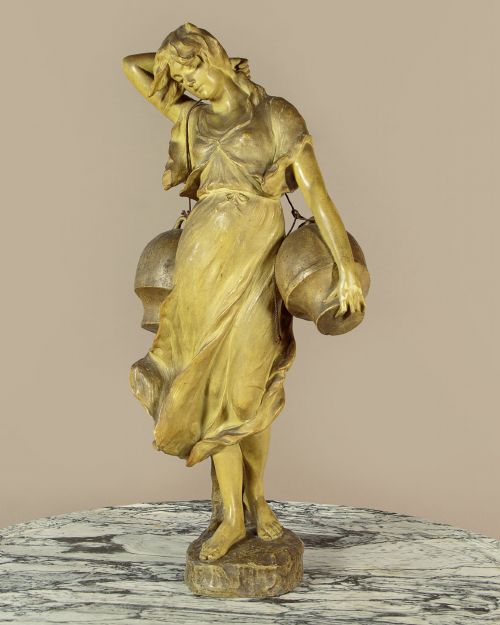
Makers utilised bronze, porcelain, and spelter, often finishing surfaces with gilding, gold leaf, and enamel paint. Artisans cast metals through traditional foundry methods while ceramicists employed hand-painted glazes over blush ivory and opalescent glass.
Sculptors combined academic realism with stylistic movements like Art Nouveau, shaping detailed drapery, wicker baskets, and water vessels into the final material.
Materials across the listings include porcelain, bronze, spelter, plaster, and opalescent glass.
What varies in quality
Material choice and finishing methods also distinguish the range, from heavy cast bronze and hand-gilded porcelain down to pressed glass and spelter.
James Hadley·Royal Worcester·R Lalique·Goldscheider·Royal Dux·Vincenzo Gemito·Hans Schork·Auguste Moreau
The Antique Water Carrier Figures Glossary
- Blush ivory
- A matte cream ceramic body with soft pink and gilt highlights. This technique was developed by Royal Worcester in the late nineteenth century.
- Spelter
- A zinc alloy used as a cost-effective substitute for bronze. It was frequently painted to simulate patinated metal during the nineteenth century.
- Opalescent glass
- Glass containing ingredients that diffuse light to create a milky, glowing appearance. It became popular during the Art Deco period.
- Orientalism
- An artistic style drawing inspiration from the Middle East and North Africa. It influenced many nineteenth-century sculptures and porcelain figures.
- Patination
- The surface alteration of metal through age, handling, or chemical treatment. It adds depth and colour to bronze figures.
Antique Water Carrier Figures: Frequently Asked Questions
What materials were used for these figures?
Makers cast figures in bronze and spelter, or shaped them from porcelain, plaster, and opalescent glass. Surfaces often received gilt, enamel, or hand-painted details.
Ceramic examples include blush ivory finishes, whilst glass versions utilise light-diffusing properties to highlight the form of the water carrier.
Which periods are represented?
The pieces span the nineteenth century, Victorian era, and Edwardian period. Later examples extend into the Art Nouveau and Art Deco movements.
Date ranges across the listings include the eighteen-eighties through to the nineteen-twenties.
How do I display a bronze figure?
Bronze sculptures require stable placement away from direct heat sources and excessive moisture. Position them on sturdy furniture where the patina can be appreciated in natural light.
Dust the surface gently with a soft dry cloth without applying modern polishes or cleaning agents.
How do I identify a porcelain water carrier?
Look for factory stamps on the base, particularly from European potteries like Royal Dux or Royal Worcester. These marks often indicate the period of production and the specific ceramic body.
Inspect the modelling of the garments and vessels, which reveal the stylistic influence of Orientalism or academic realism.