


Nineteenth Century Porcelain Figures
Nineteenth century porcelain figures bring domestic mantelpieces and cabinets the painted charm of Victorian and continental drawing rooms.
Nineteenth Century Porcelain Figures
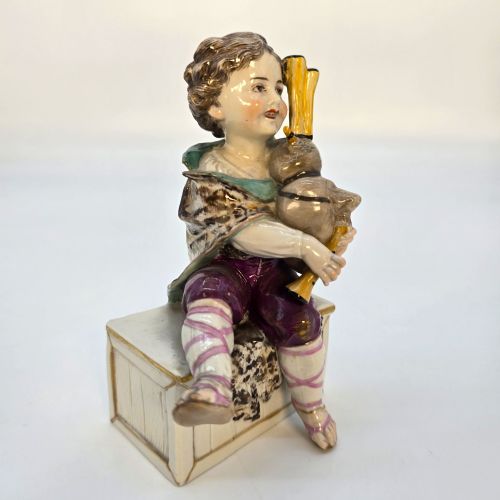
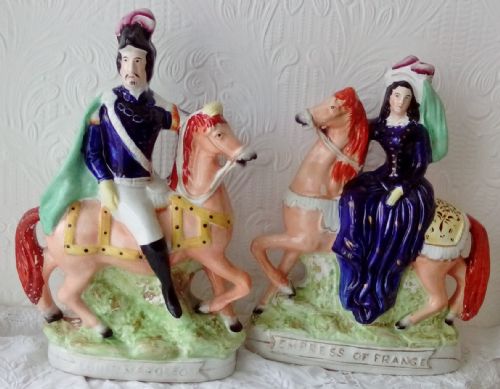
Nineteenth century porcelain figures encompass a wide range of decorative ceramics produced across Britain, France, Germany, and beyond during the 1800s. You will encounter glazed English Staffordshire pottery figures alongside delicate biscuit porcelain groups from continental factories.
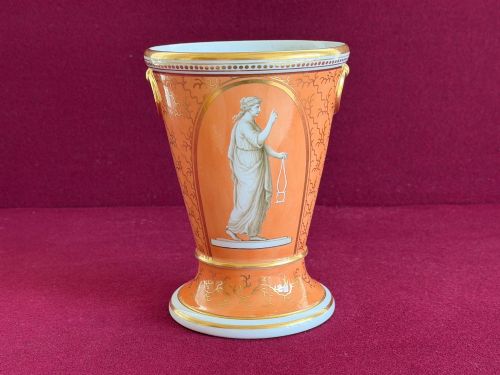
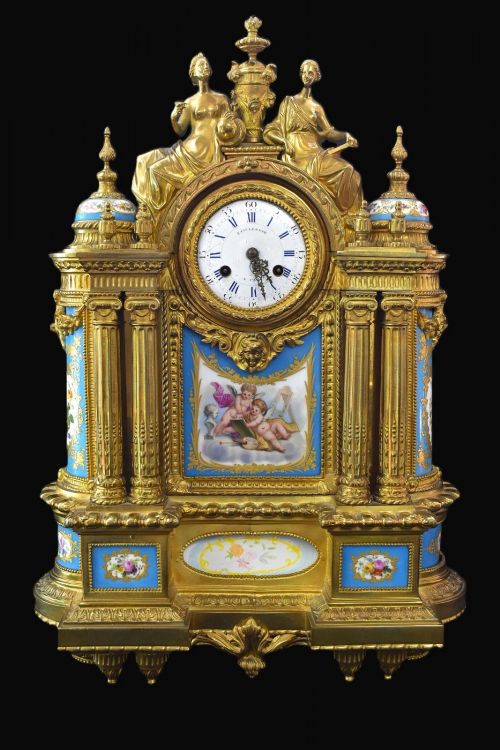
The selections span human subjects like musicians, historical royals, and allegorical characters, often modelled as standalone sculptures or paired as mantel garnitures. Many pieces double as functional objects such as spill vases, candlesticks, and clock garnitures.
Makers from this era drew on styles ranging from Rococo Revival and French Neoclassical to Victorian Orientalism. The diverse forms reflect both industrial output and skilled hand-modelling characteristic of the period.
How They Were Made
These items rely on ceramic bodies shaped through moulding or slip-casting, finished with hand-painted enamel colours and glazed surfaces. Many continental workshops utilised biscuit porcelain, leaving the unglazed body with a matte, marble-like texture.
Detailing often incorporated applied elements like lace, flowers, and intricate garments, supplemented by gold leaf and gilt highlights. Ormolu mounts and bronze components frequently frame French clock garnitures and vases from the period.
Materials span glazed porcelain, biscuit figures, Parian ware, and gilt ormolu mounts.
What Varies in Quality
The fineness of the modelling dictates a piece's standing, separating mass-produced Staffordshire pottery from the precise, hand-finished output of factories like Royal Worcester or Volkstedt. Delicate facial expressions and crisp hand-painted enamel work elevate certain items above standard decorative wares.
Material choice also defines value, with refined Parian bodies and intricate biscuit porcelain requiring greater technical mastery than standard glazed earthenware. The presence of factory marks, signatures, or gilt bronze ormolu mounts further distinguishes premier examples.
Volkstedt Rudolstadt Factory·Royal Worcester·Sitzendorf porcelain·Kinkozan Kyoto·Achille Mollica·Ernst Whaliss
The Nineteenth Century Porcelain Figures Glossary
- Biscuit porcelain
- Unglaved ceramic fired to a matte finish that resembles marble. It was favoured for classical figures and detailed sculptural groups.
- Parian ware
- A fine-grained, unglazed porcelain developed in Britain to imitate marble. Victorian makers utilised it extensively for portrait busts and classical figures.
- Ormolu
- Gilded bronze mounts applied to clocks and decorative porcelain bases. It adds structural weight and a bright metallic contrast to ceramic bodies.
- Enamel
- Vitreous coloured pigments fused to the ceramic surface during firing. Hand-painted enamel details provide the vibrant hues on nineteenth century garments and faces.
Nineteenth Century Porcelain Figures: Frequently Asked Questions
How do I clean nineteenth century porcelain figures?
Dust surfaces gently with a soft brush to protect fragile enamel paint and delicate applied details. Avoid soaking pieces, particularly those with gilt or unglazed biscuit surfaces.
Keep them away from direct sunlight and damp environments to preserve the colours and prevent crazing in the glaze over time.
Were these figures meant for display only?
Most nineteenth century figures served purely decorative roles on mantelpieces, cabinets, and drawing room tables. Makers also integrated them into functional items like candlesticks, quill holders, and clock garnitures.
Larger groups and allegorical subjects functioned as conversation pieces reflecting the tastes and literary interests of Victorian households.
How can I tell English pieces from continental ones?
English Staffordshire pottery figures generally feature heavier earthenware bodies with simpler hand-painted glazes. Continental works from German and French factories often utilise finer porcelain or biscuit bodies with intricate moulded details.
Continental pieces frequently display impressed or painted factory marks on the underside, whereas many Staffordshire items remain unmarked.
What is Parian ware?
Parian ware is a type of fine unglazed porcelain introduced in the nineteenth century to replicate carved marble. British factories utilised it extensively for portrait busts and classical figures.
The dense, matte material allows for high levels of sculptural detail in hair and drapery without the reflective glare of a standard glaze.