

Pair of Porcelain Figures
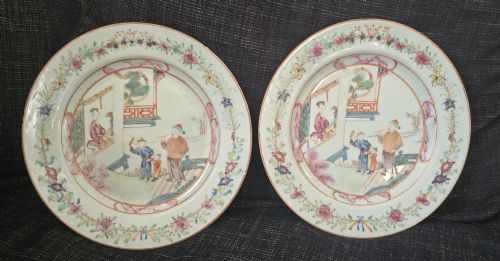
When you search for pair of porcelain figures, you encounter matched sets spanning European factories and Asian kilns, shaped as humans, animals and allegorical groups.
Pair of Porcelain Figures
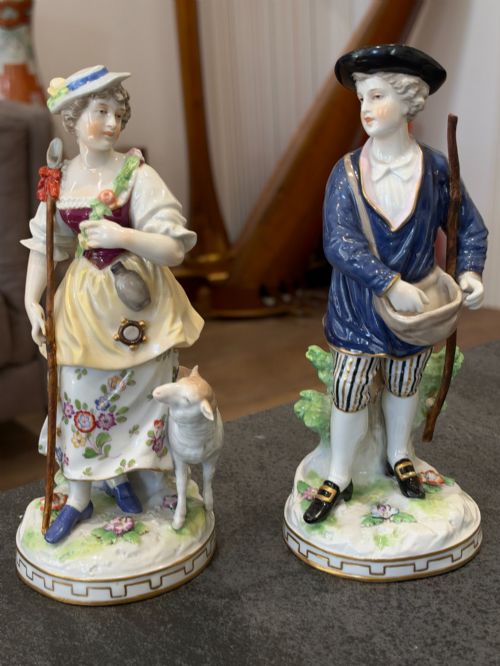
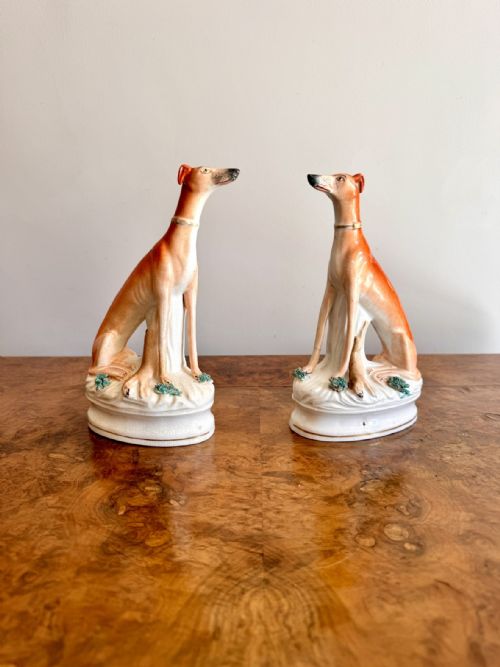
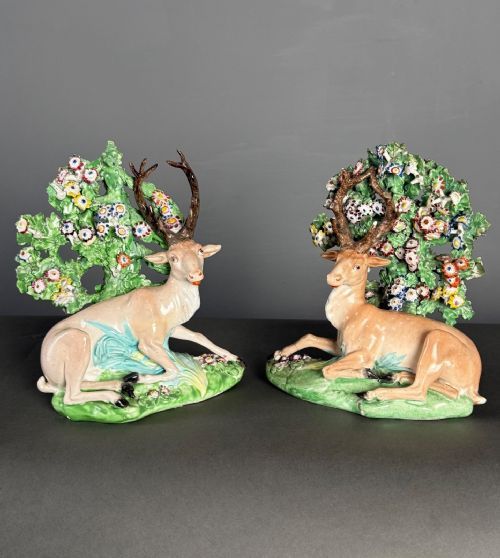
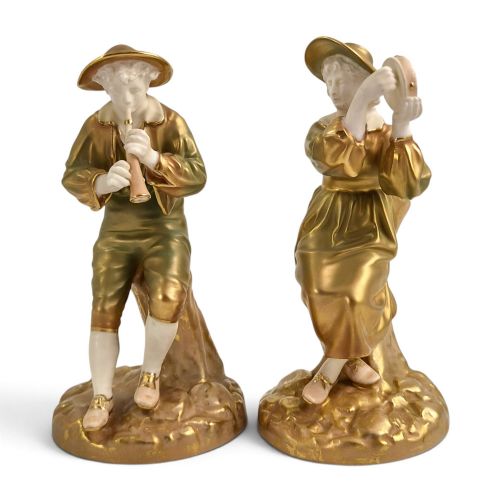
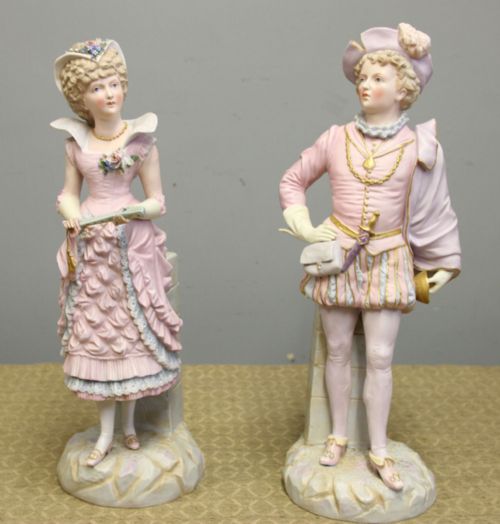
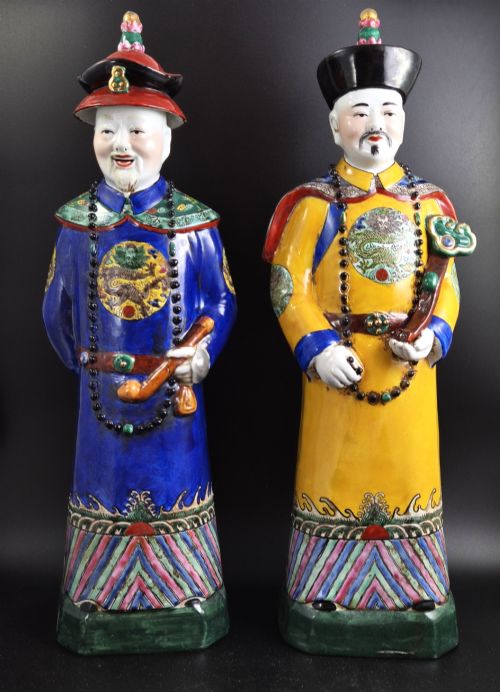
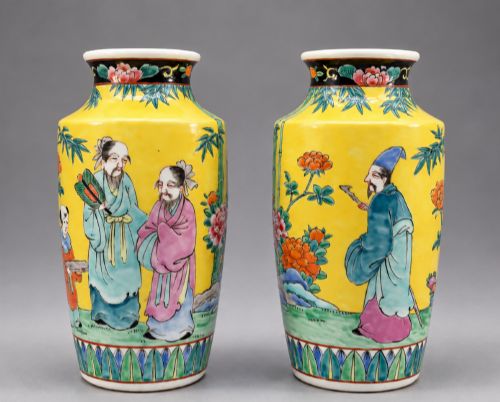
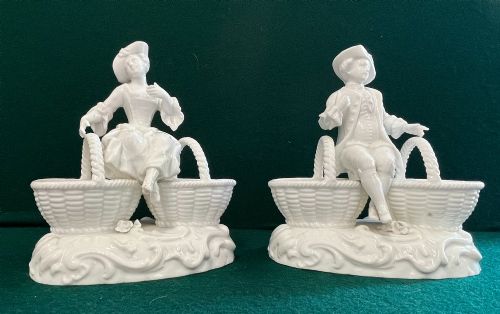
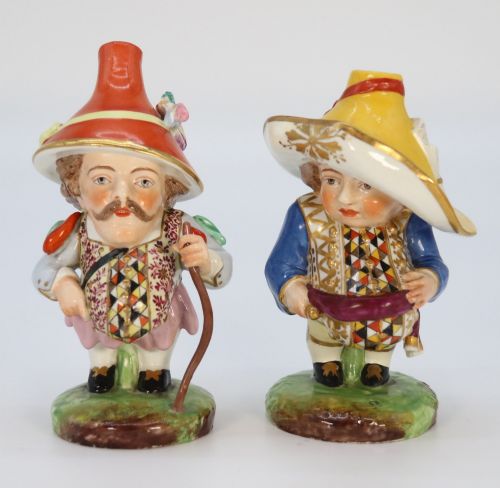
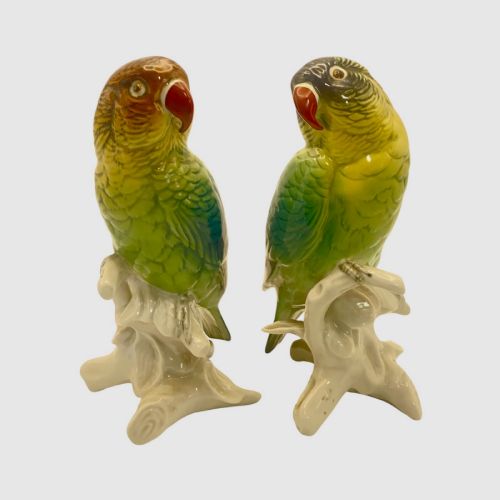
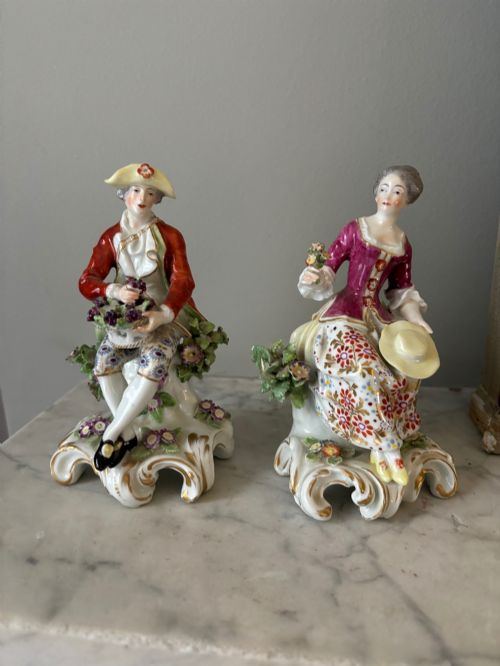
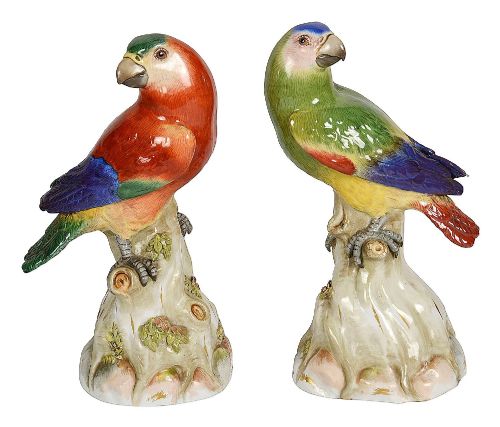
A pair of porcelain figures comprises two corresponding ceramic sculptures created as a matched set, frequently designed to sit symmetrically on a mantelpiece, sideboard or table. These works encompass human characters such as gardeners, shepherds, gallants and literary figures, alongside animal pairs including dogs, parrots, lions and stags.
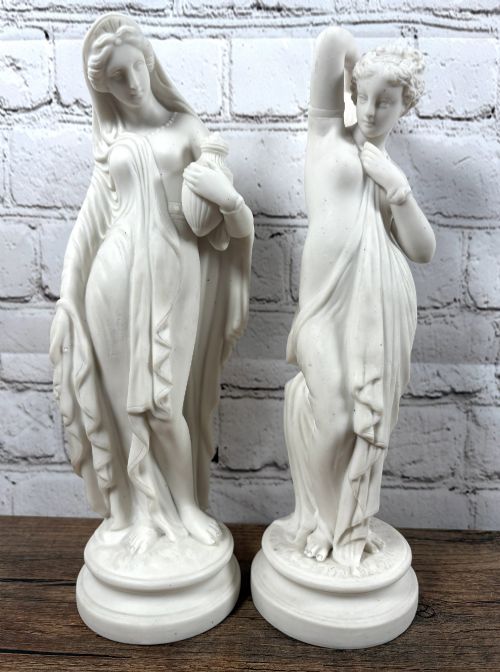
The selections encountered here range extensively across periods and regions, stretching from eighteenth-century English and European factory productions by makers such as Bow, Derby and Meissen to nineteenth-century Staffordshire earthenware, French biscuit porcelain and twentieth-century Art Nouveau and Art Deco creations.
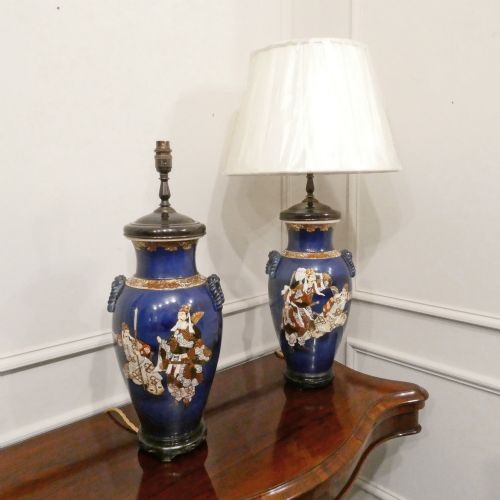
Buyers also meet functional hybrid forms within this grouping, which integrate the sculptural figures with inkwells, candelabras, vases and candlesticks. These practical items demonstrate how sculptural ceramics served domestic utility alongside pure decoration.
How they were made
The primary material across these listings is hard-paste or soft-paste porcelain, complemented by earthenware, pearlware, faience and majolica in regional traditions. Potters shaped these clay bodies using press-moulding or slip-casting techniques, capturing intricate details from hair strands to foliage in the wet clay before initial firing.
Pair of Porcelain Figures Retail Price Guide 2026
Typical asking prices for pair of porcelain figures among the pieces listed under this phrase on Sellingantiques today, from the lower quarter to the upper quarter. They describe what is for sale here now, not the wider market.
Materials represented include hard-paste porcelain, earthenware, pearlware, gilt, enamel and biscuit porcelain.
What varies in quality
The refinement of the modelling separates standard production wares from superior examples, visible in the sharpness of facial expressions, the delicacy of fingers and the natural drape of garments. Master modellers achieved a lifelike fluidity in postures and drapery that lesser workshops reduced to stiff, generalized contours.
The application of paint and gilding dictates the visual success of each piece, distinguishing finely brushed polychrome enamels and precise gold leaf accents from flat, heavy-handed washes. Additionally, the complexity of supporting elements like botanical bocage backgrounds or intricate scrollwork bases reflects the technical ambition of the originating kiln.
Karl Ens·Edme Samson·James Hadley·Royal Dux·Meissen
The Pair of Porcelain Figures Glossary
- Bocage
- A background of applied ceramic leaves, branches and blossoms common on eighteenth-century figures. This leafy arbour frames the main characters and adds fragile botanical depth.
- Biscuits
- Unglazed porcelain fired once to a hard, matte state resembling fine marble. French manufacturers utilised this finish extensively for neoclassical and romantic figures.
- Pearlware
- A fine-grained earthenware developed in Staffordshire featuring a pale bluish glaze that pooled in recesses. It bridged the gap between salt-glazed stoneware and later refined white bodies.
- Majolica
- A colourful, tin-glazed earthenware known for vibrant opaque pigments applied over an absorbent white ground. Italian and continental potteries employed this technique for bold animal and figural models.
- Hard-paste porcelain
- A true porcelain composed of kaolin and petuntse fired at extremely high temperatures. It yields a dense, vitrified body that resists scratching and carries a bright, translucent finish.
Pair of Porcelain Figures: Frequently Asked Questions
Were these figures meant for display?
These matched sets served primarily as decorative ornaments for domestic interiors, traditionally arranged in balanced pairs on mantelpieces, consoles or tables. Their placement contributed to the symmetry favoured in period interior design.
Certain variations incorporated practical functions alongside sculptural display, functioning as candleholders, vases or inkwells. This dual purpose allowed households to integrate ornamental ceramics into daily writing and lighting routines.
How do I identify eighteenth century pieces?
Eighteenth-century examples often display the characteristic unglazed base rims and softer body translucency associated with early European factory experiments. Their modelling frequently reflects rococo asymmetry, featuring naturalistic motifs like scrolls, rustic bases and applied floral bocage.
Many of these early works carry underglaze factory marks or distinct hand-painted numerals that correspond to specific workshop pattern books. Examining the palette of hand-applied enamels further helps distinguish genuine period output from later nineteenth-century revivals.
What are bocage figures?
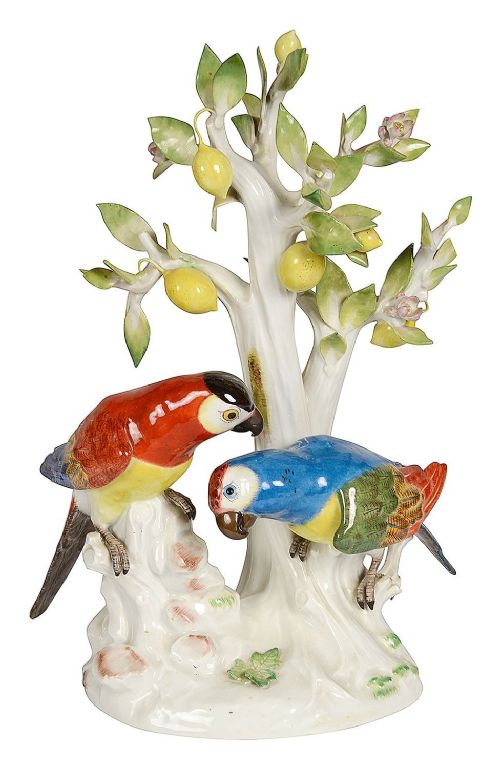
Bocage figures feature an elaborate background constructed from handmade ceramic leaves, branches and flowers that encircle the main subject. This dense foliage creates a theatrical frame, isolating the figures within a stylized natural environment.
Common in English porcelain from factories like Derby and Bow, these botanical backdrops required immense skill from the ceramicist. The fragile nature of the applied leaves means they demand careful handling during display and cleaning.
How should I clean porcelain figures?
Cleaning requires a soft, dry brush to gently remove dust from intricate crevices, feathered details and delicate bocage work. Avoiding harsh movements prevents accidental damage to protruding fingers, petals or applied elements.
Water and liquid cleaners should be used sparingly, and only when the glaze is entirely stable and free from old repairs. Submerging antique porcelain pieces can weaken historical adhesives or penetrate unglazed porous areas.