


Antique Volkstedt Porcelain
Antique volkstedt porcelain brings German craftsmanship into the home through figurines, candlesticks and decorative services shaped in past centuries.
Antique Volkstedt Porcelain
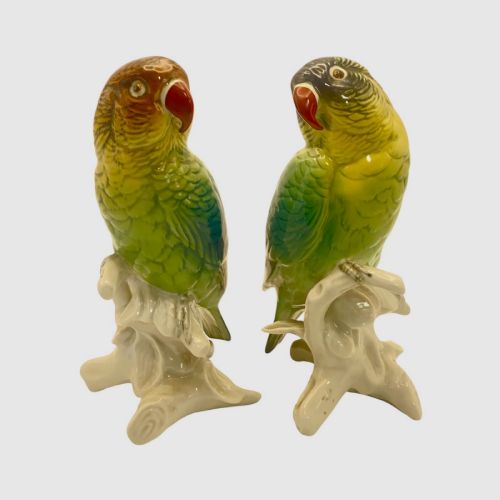
When you search for antique volkstedt porcelain, you encounter ceramic figures, candlesticks, wall mirrors and dinner services originating from Thuringia. The pieces span the nineteenth century and the early decades of the twentieth century, with the Victorian era heavily represented.
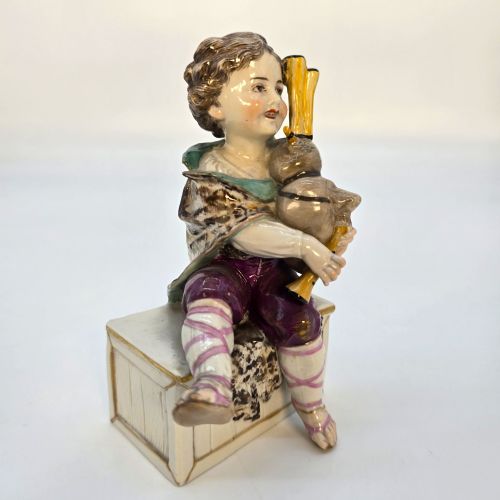
Figurines and pairs of figures dominate the selections, often depicting allegorical subjects, gallant youths, musicians and sweetmeat handlers. Candlesticks and table lamps also appear alongside wall pockets and complete dinner services.
The objects showcase various stylistic revivals, moving from Rococo Revival and Neo-Rococo ornate curves toward German Art Porcelain and early twentieth century Art Deco forms.
Materials and methods
Makers utilised hard-paste porcelain as the primary body, shaping it into complex figurative groups and functional items like candlesticks and dinner plates. Parian biscuit porcelain also appears for unglazed figures with a matte finish.
Glazed porcelain surfaces received hand-painted enamel colours, supplemented by gold leaf, gilt highlights and detailed gilding to accentuate garments and ornamental borders.
Sweetmeat figures hold tiny porcelain bowls, ready to serve historical sweets to miniature guests.
Assessing quality
Quality rests in the crispness of the modelling and the delicacy of applied details like lace work, flora and facial expressions on figurative pieces. Earlier nineteenth-century examples often display sharper definition in the moulded forms compared to later variations.
The application of enamel painting and gold leaf enrichment elevates finer pieces, where precise brushwork distinguishes master factory output from standard commercial production.
Karl Ens·Volkstedt Rudolstadt Factory·Triebner Ens & Eckert·Richard Eckert·Anton Buschelberger·Müller Volkstedt MV Co·Beyer and Bock·Ackermann & Fritze
The Antique Volkstedt Porcelain Glossary
- Hard-paste porcelain
- A durable ceramic material fired at high temperatures, composed of kaolin and petuntse. It provides a bright white body suitable for intricate figurine modelling.
- Enamel
- Vitreous pigments applied over the glaze and fired again to fuse colour onto the porcelain. It produces vibrant reds, blues and greens on garments and decor.
- Gilt
- A thin layer of gold applied to ceramic surfaces for decorative emphasis. It catches the light on decorative borders and figurative accessories.
- Sweetmeat figures
- Small porcelain containers or figures holding dishes designed for serving small confections. They were popular table decorations in European dining traditions.
Antique Volkstedt Porcelain: Frequently Asked Questions
What is volkstedt porcelain?
Volkstedt porcelain refers to ceramics produced in the Thuringian town of Volkstedt in Germany, known for rich figurative traditions.
The factories there produced elaborate figurines, candlesticks and tableware spanning the nineteenth and twentieth centuries.
How do I identify nineteenth century pieces?
Nineteenth-century items often reflect Rococo Revival styles and feature detailed hand-painted enamel work combined with gilt.
Examining the underlying paste and style helps distinguish these older works from later twentieth-century productions.
Were these figures used daily?
Most figurative works served as decorative elements in parlours and drawing rooms rather than utilitarian items.
Dinner services and sweetmeat dishes saw use during formal dining occasions and salon gatherings.
How should I clean antique porcelain?
Dust pieces gently with a soft brush to protect delicate painted details and applied gold leaf.
Avoid harsh cleaning agents or soaking items with gilt or enamel decorations to preserve the surface.