



Hand Painted Porcelain Statue
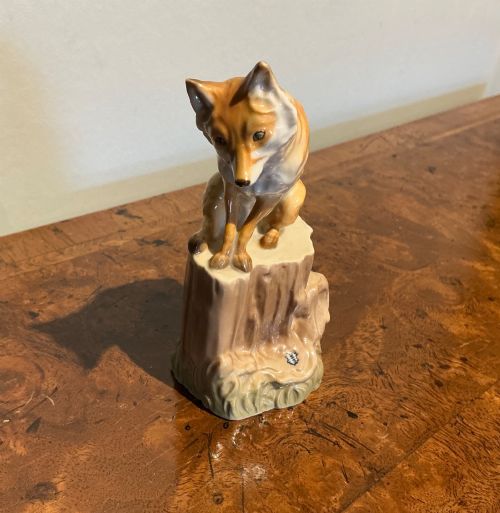
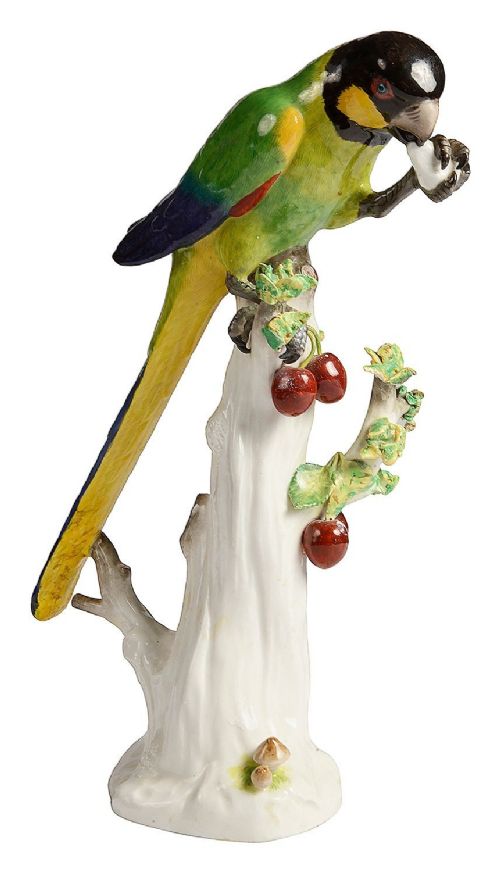
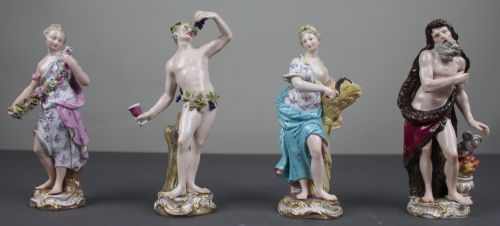
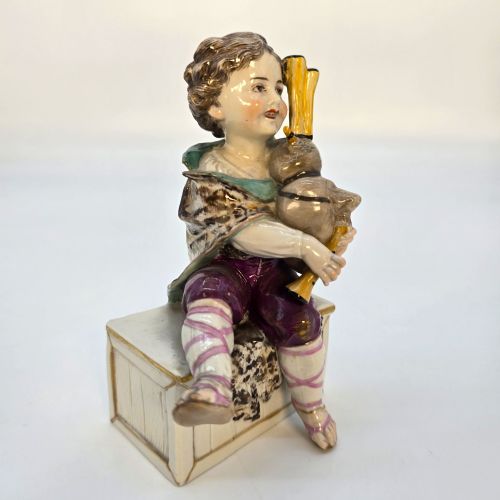
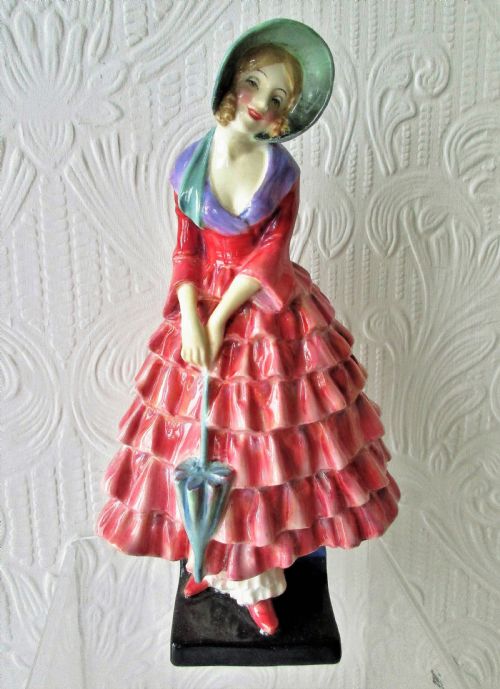
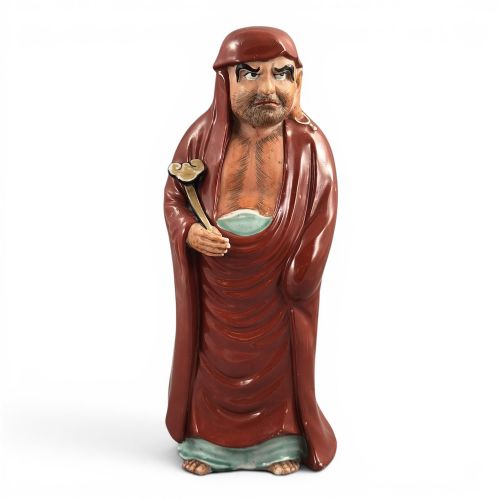
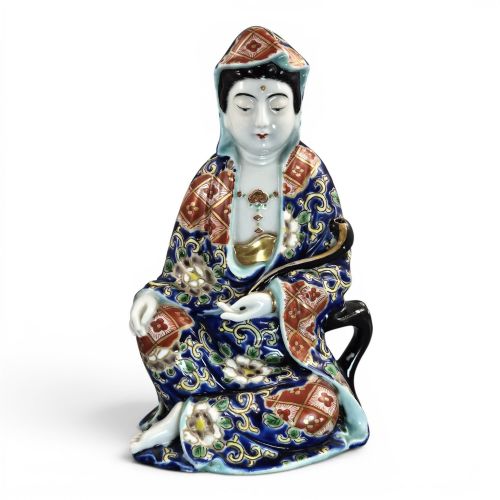
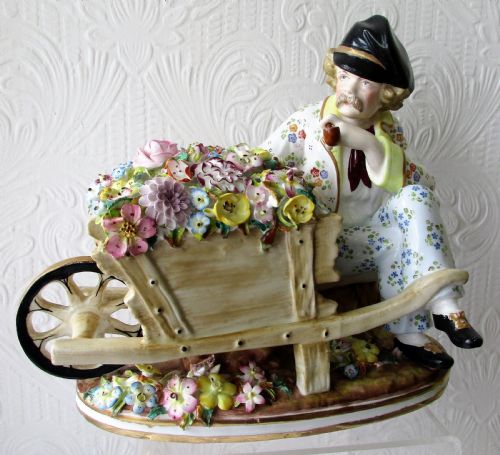
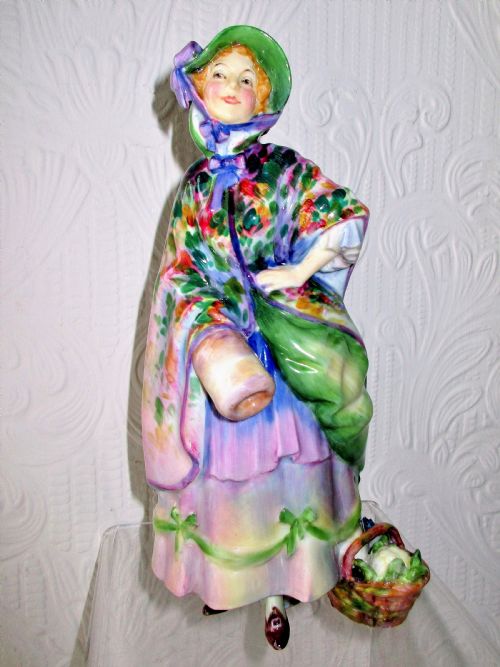
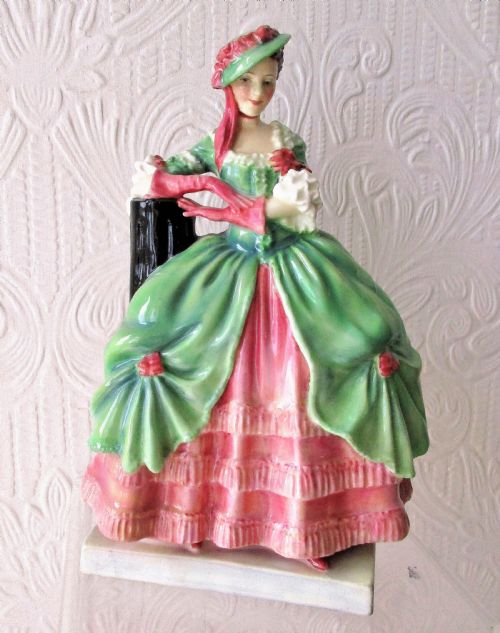
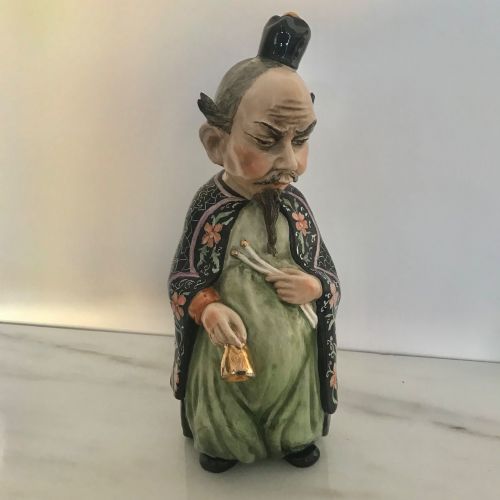
These hand painted porcelain statue pieces bring cabinet-scale narrative and colour into a room, spanning eighteenth-century allegories and nineteenth-century studies.
Understanding hand painted porcelain statue
A hand painted porcelain statue represents figural sculpture modelled in ceramic and finished with detailed brushwork. These pieces range from early English figures and French rococo groups to German cabinet sculptures and twentieth-century studies.
The selection on this page centres on figures and groups from the eighteenth and nineteenth centuries, alongside specific vintage designs. Buyers encounter pastoral shepherds, allegorical characters, and musical groups.
Origins span English factories such as Derby and Royal Worcester, alongside continental European houses including Sitzendorf, Volkstedt, Ludwigsburg, and Bourdois and Bloch. Each piece captures a distinct period taste, from Georgian simplicity to Victorian elaboration.
Manufacturing and Materials
Makers utilised soft-paste porcelain, hard-paste porcelain, and bone china as the primary body materials for these figures. Potters shaped the ceramic through moulding or hand modelling before initial firing.
Decoration relied on ceramic glaze, enamel, overglaze enamel, and gold leaf applications. Artisans painted fine details by hand and fired the pieces multiple times to fix the pigments and gilding.
Retail Price Guide 2026
Typical UK retail prices for hand painted porcelain statue, calculated from the Sellingantiques database of over a million retail prices indexed since 2003. This retail price guide relies exclusively on Sellingantiques data; no external sources or auction records are used, so the figures do not describe the wider market.
Listings feature porcelain figures spanning the eighteenth, nineteenth, and twentieth centuries, utilising hard-paste, soft-paste, and bone china.
Judging Quality
Early eighteenth-century figures demonstrate a different sculptural ambition compared to mass-produced nineteenth-century items. The depth of the enamel work and the complexity of subsidiary elements, such as lace or animal companions, distinguish finer output.
John Bevington·Bourdois and Bloch·Royal Worcester·Royal Doulton·Sitzendorf·Volkstedt·Ludwigsburg
The Hand Painted Porcelain Statue Glossary
- Soft-Paste Porcelain
- A glassy ceramic material fired at lower temperatures than hard-paste, common in early English factories. It has a warm, slightly creamy body and absorbs glaze differently.
- Overglaze Enamel
- Pigments applied over the fired glaze and subjected to a lower second firing. This technique allows for bright, varied hues on the surface of the figure.
- Hard-Paste Porcelain
- A true porcelain composed of kaolin and petuntse, fired at high temperatures. It yields a durable, vitrified body with a bright white appearance.
- Bone China
- A type of soft-paste porcelain incorporating bone ash for strength and translucency. It became a staple of English ceramic production in the nineteenth century.
- Allegorical Figurine
- A sculpture representing an abstract idea, season, or virtue through human form and symbolic attributes. These figures were popular in eighteenth-century cabinet collections.
Frequently Asked Questions
How do I date an antique porcelain figure?
Dating relies on factory marks, paste composition, and stylistic conventions associated with periods such as Georgian or Victorian. Changes in glaze texture and colouring methods also provide clues to the era of production.
Consulting comparative examples from specific potteries helps narrow down the decade of manufacture. Examining the base of the figure often reveals factory stamps or handwritten numbers.
What is the difference between hard-paste and soft-paste?
Hard-paste porcelain contains natural kaolin and fires at very high temperatures, producing a dense, vitrified body. Soft-paste uses a mixture of clays and glass frit, fired at lower heats.
Soft-paste appears warmer in tone and absorbs enamel colours differently under the glaze. Hard-paste resists scratching more effectively and lacks the creamy translucence of early soft-paste bodies.
How should I display porcelain statues?
Display these figures in enclosed cabinets away from direct sunlight to protect the enamel colours and gold leaf. Stable humidity and temperature prevent stress on fragile extremities.
Position shelves securely so the figures do not experience vibration. Avoid placing them in high-traffic areas where accidental knocks might occur.
Why are some figures called groups?
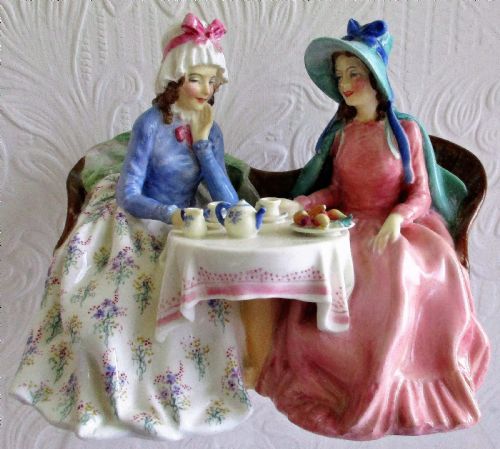
Figures described as groups feature multiple human characters interacting within a single ceramic piece. These often incorporate musical instruments, animals, or architectural elements.
Such compositions required advanced firing techniques to prevent warping in the kiln. They were designed as centrepieces for formal tables or cabinet displays.