




Royal Doulton Figurine
A royal doulton figurine brings character and period charm to a room, offering finely painted detail from early twentieth-century makers.
Royal Doulton Figurine
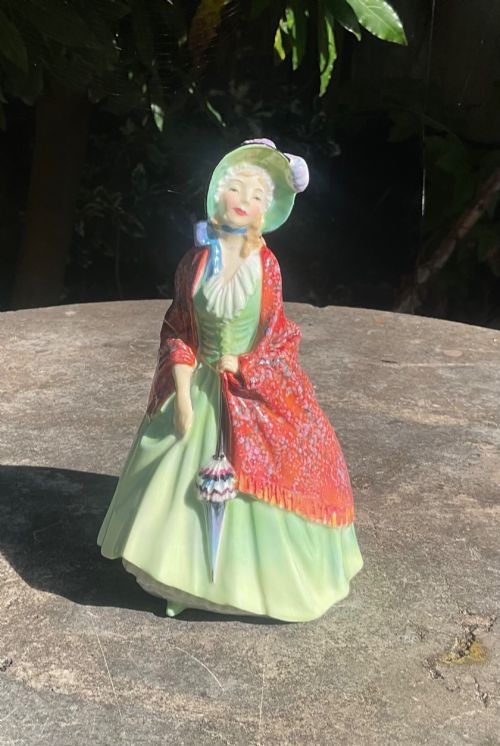
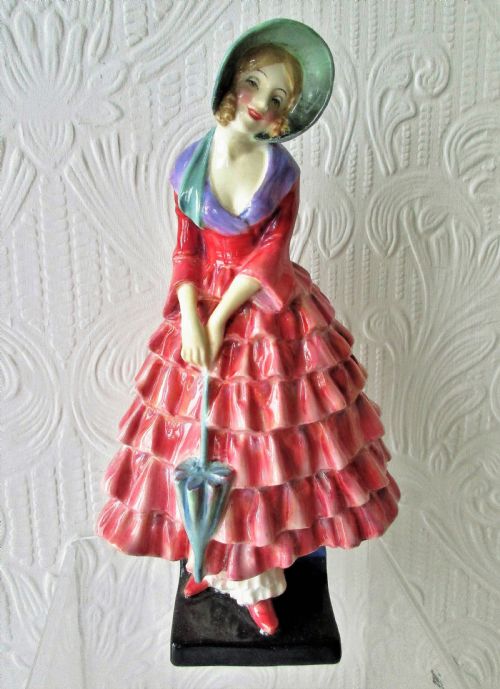
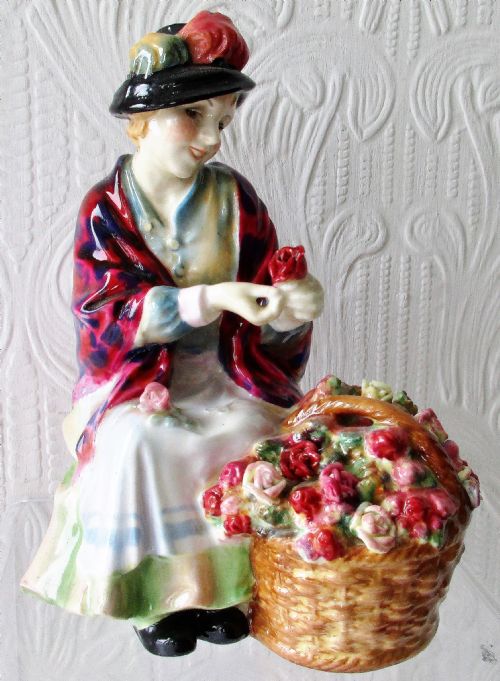
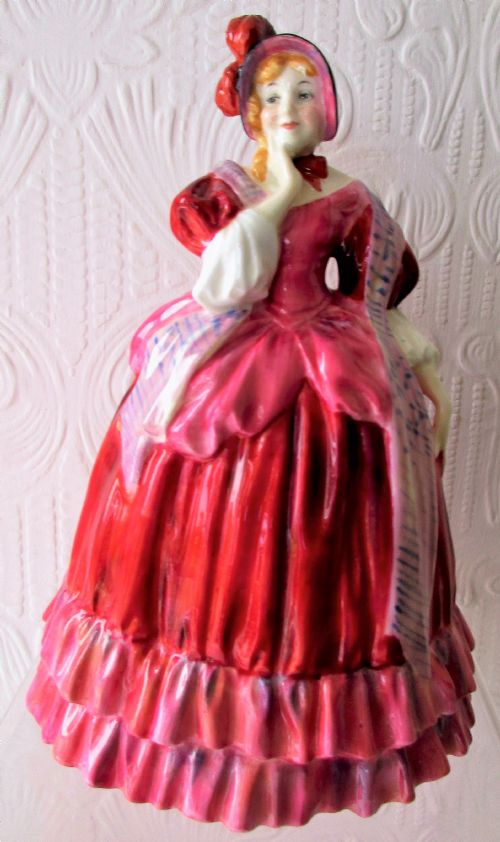
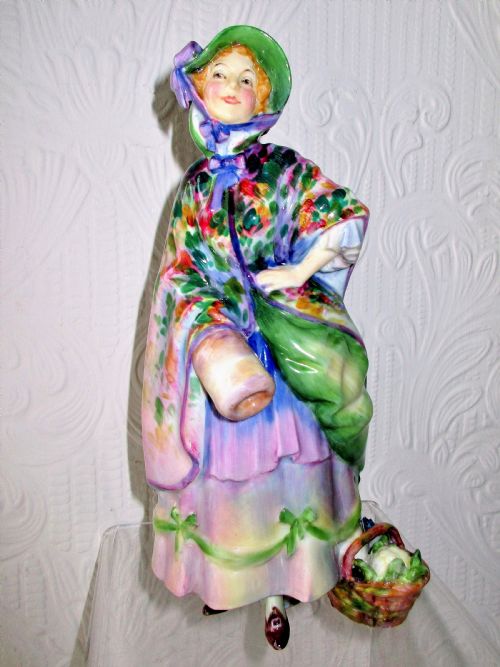
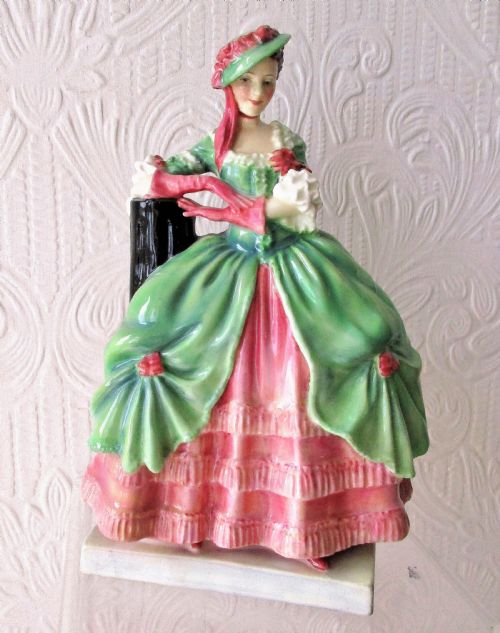
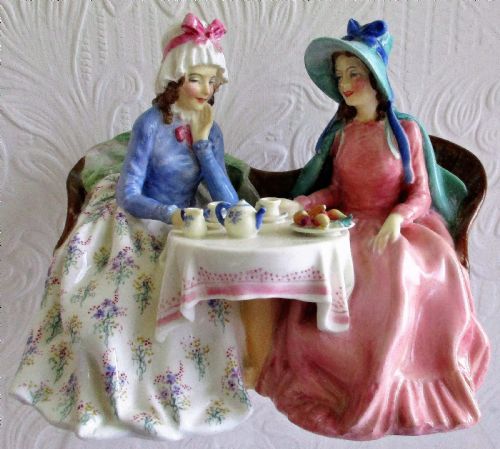
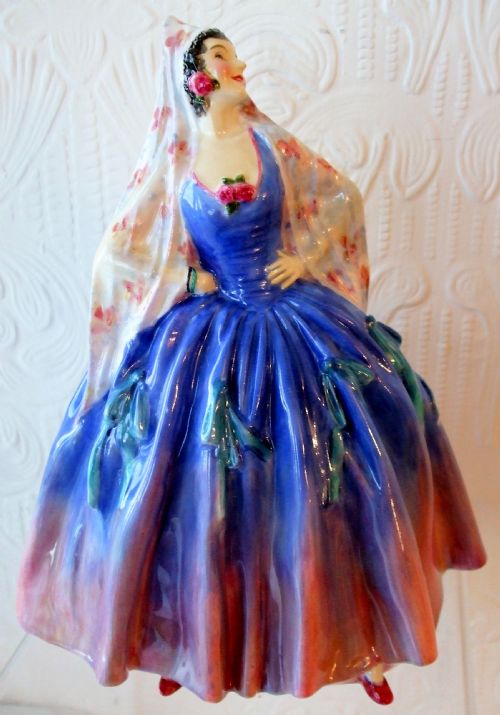
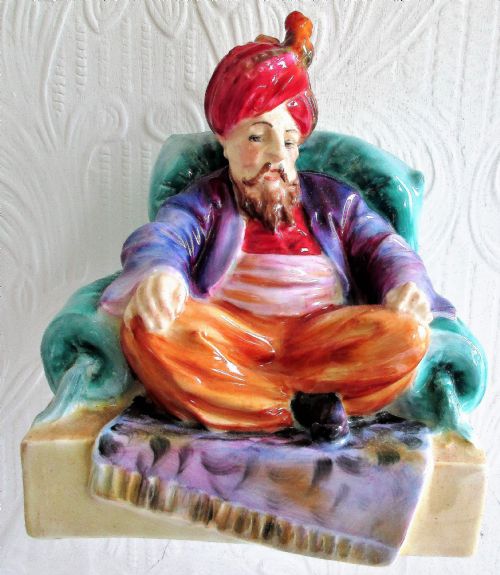
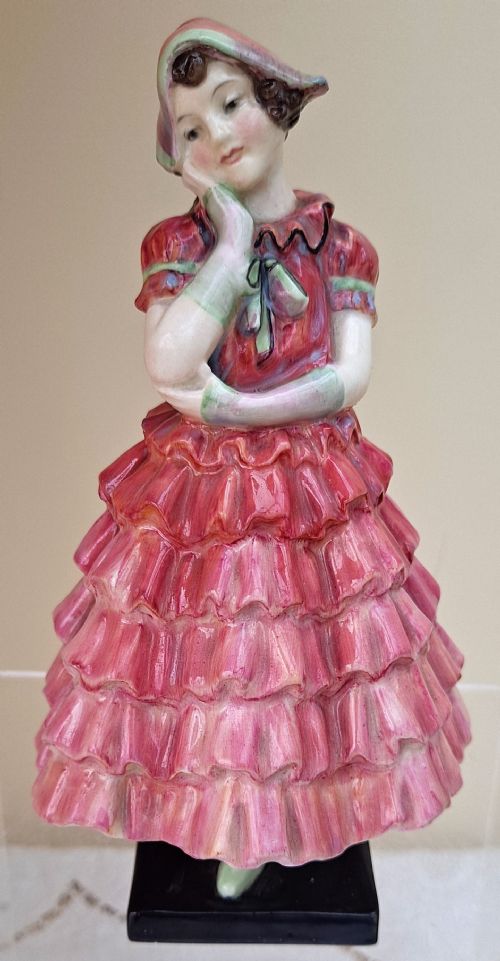
A royal doulton figurine represents a specific chapter in ceramic history, focusing on character studies and named subjects. When you examine a royal doulton figurine, you encounter pieces originating primarily from the decades around nineteen thirty and nineteen forty.
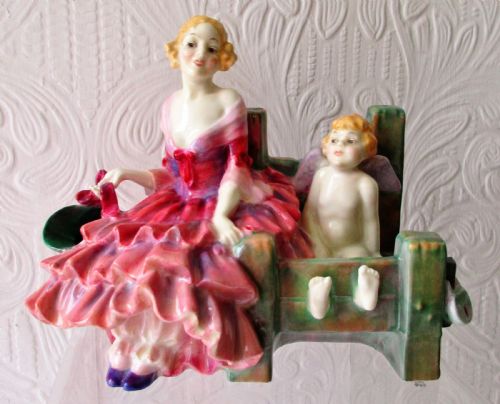
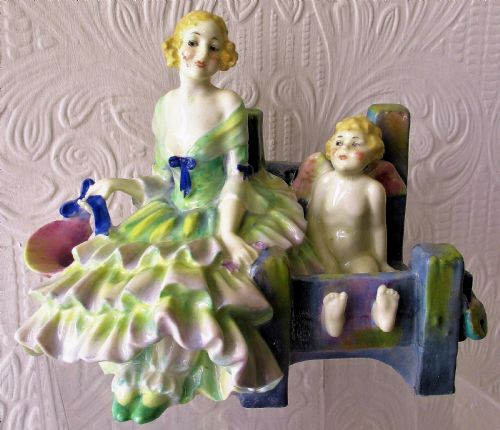
The forms span decorative figures and seated animals, modelled in porcelain and bone china. The most frequent pieces on this page are named character subjects from the interwar years, each carrying a specific HN number that denotes its design sequence.
Makers and modellers such as Leslie Harradine shaped the aesthetic of these works, drawing on Victorian and Art Deco sensibilities. Collectors seek out these named versions for their narrative titles and distinctive stylistic periods.
Materials and construction
These pieces utilise bone china and porcelain as their primary substrates, providing a crisp, white body for subsequent decoration. Ceramic glaze and enamel are then applied by hand to define facial expressions, garments and accessories.
Gilt accents often highlight the edges of clothing and bases, adding metallic contrast to the fired colours. Firing techniques of the period required careful temperature control to ensure the ceramic glaze vitrified smoothly over the porcelain form.
Royal Doulton Figurine Retail Price Guide 2026
Typical asking prices for royal doulton figurine among the pieces listed under this phrase on Sellingantiques today, from the lower quarter to the upper quarter. They describe what is for sale here now, not the wider market.
Several figures depict subjects caught mid-gossip or in the stocks, proving that nineteenth-century village drama made excellent porcelain.
Assessing quality and finish
The depth of the ceramic glaze and the preservation of gilt detailing distinguish superior examples from standard production pieces. A well-preserved surface retains the original lustre of the enamel without blurring the underlying porcelain contours.
Leslie Harradine
The Royal Doulton Figurine Glossary
- HN number
- A registration system used to date and identify specific design numbers, introduced by the pottery in the early twentieth century. Each distinct model receives a sequential number.
- Bone china
- A type of porcelain incorporating animal bone ash, producing a strong, translucent body suited to detailed figurine modelling. It forms the base for much of the painted decoration.
- Ceramic glaze
- A glassy coating fused to the porcelain body during firing to seal the ceramic and provide a smooth, washable finish. It protects the underlying enamel colours.
- Enamel
- Opaque glass-like pigments applied over the fired glaze and subjected to a further low-temperature kiln firing. This technique secures the rich colours seen on the garments.
- Art Deco
- A design style prevalent during the period of these pieces, characterised by streamlined geometric forms and stylised clothing details. It influences the posture and drapery of several figures.
Royal Doulton Figurine: Frequently Asked Questions
What does an HN number mean?
An HN number refers to the Harry Nixon coding system utilised to date and catalogue specific ceramic designs. It provides a reliable method for identifying the production era of each individual piece.
Checking this sequence allows collectors to distinguish between initial release years and later variations of the same named subject.
How do I identify the period?
Period identification relies on the combination of the recorded style, the HN number sequence, and the specific glaze characteristics. Pieces from the nineteen thirties and nineteen forties display distinct Art Deco or traditional English influences.
Examining the base markings and the type of porcelain body also helps narrow down the decade of manufacture.
Where should I display them?
These figurines suit enclosed cabinets or sturdy mantelpieces away from direct sunlight and heavy foot traffic. Stable placement protects the delicate porcelain and enamel extremities from accidental impact.
Grouping pieces by their decorative style or period creates a cohesive display that highlights the painted detail.