

Vintage English Porcelain
Vintage English porcelain encompasses decades of ceramic artistry, offering collectors everything from delicate cabinet plates to hand-painted figures that elevate any room.
Vintage English Porcelain
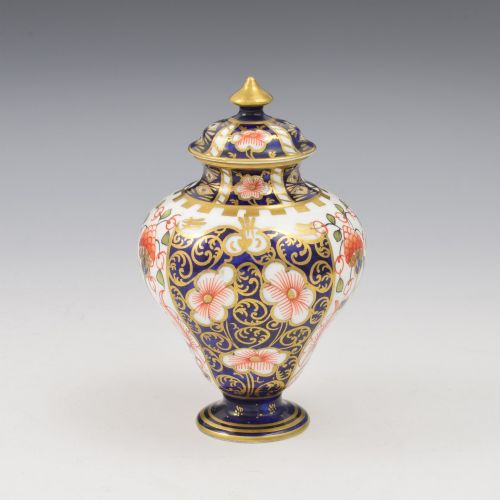
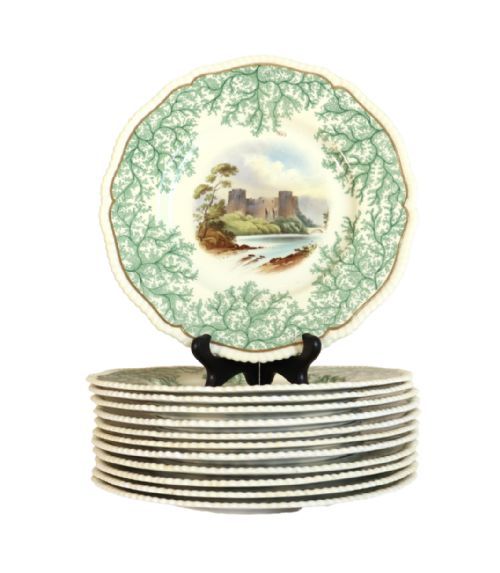
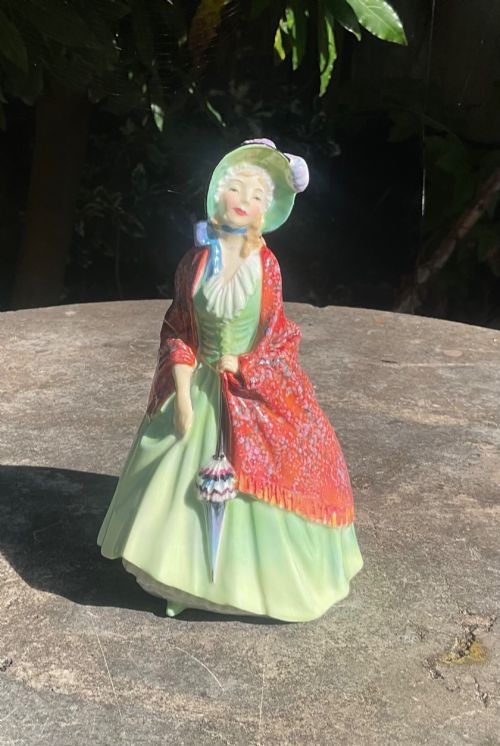
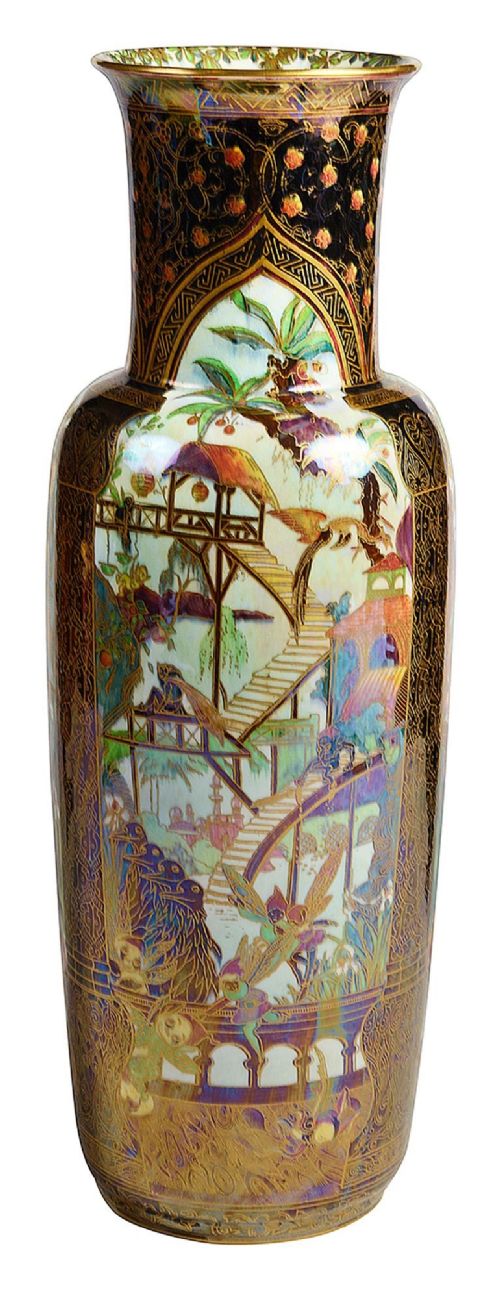
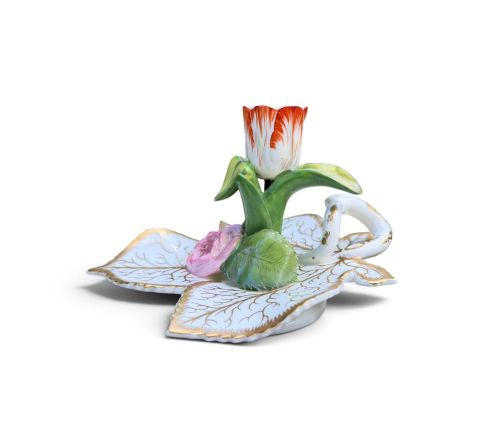
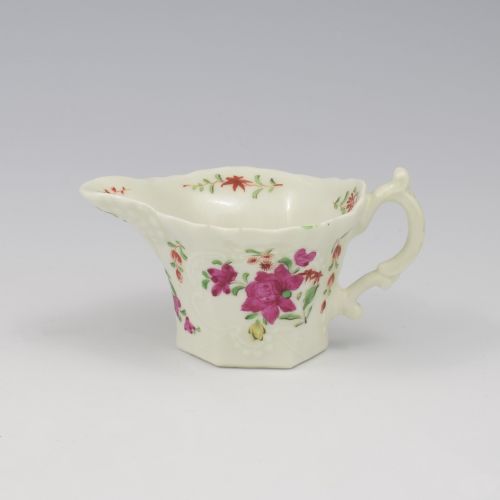
Vintage English porcelain represents a rich tradition of ceramic production, spanning utilitarian vessels and fine ornamental works. When searching for vintage English porcelain, collectors encounter a diverse array of objects including cabinet plates, decorative dishes, vases, and intricate figurines.
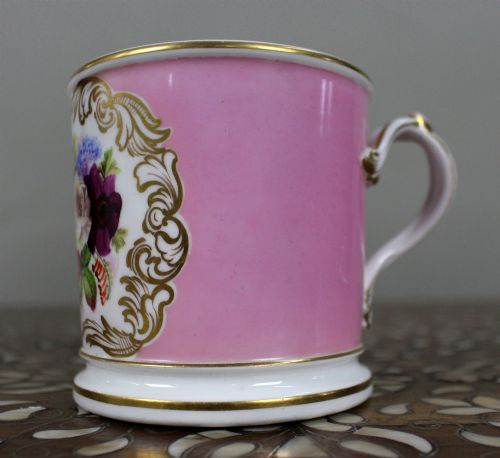
The selection on this page draws primarily from the nineteenth and twentieth centuries, capturing periods such as the Edwardian era, the 1920s, and the 1930s. Forms range from functional tableware like dinner plates and tankards to purely decorative urns and painted fruit plates.
Makers represented in this tradition include renowned manufactories such as Royal Crown Derby, Royal Doulton, and Royal Worcester. These works reflect stylistic shifts from traditional Georgian and Regency aesthetics through Victorian revivalism and Art Deco designs.
How they were made
Potters utilised fine ceramic bodies, including traditional porcelain and bone china, shaped by hand or moulded to achieve precise forms. These pieces received smooth glazes that provided a glossy foundation for subsequent decoration.
Surface ornamentation involved hand-painting, enamel work, and the application of gold leaf and gilding. Artisans executed meticulous brushwork for botanical studies, landscapes, and figure painting before subjecting the pieces to kiln firing to set the colours.
Vintage English Porcelain Retail Price Guide 2026
Typical asking prices for vintage english porcelain among the pieces listed under this phrase on Sellingantiques today, from the lower quarter to the upper quarter. They describe what is for sale here now, not the wider market.
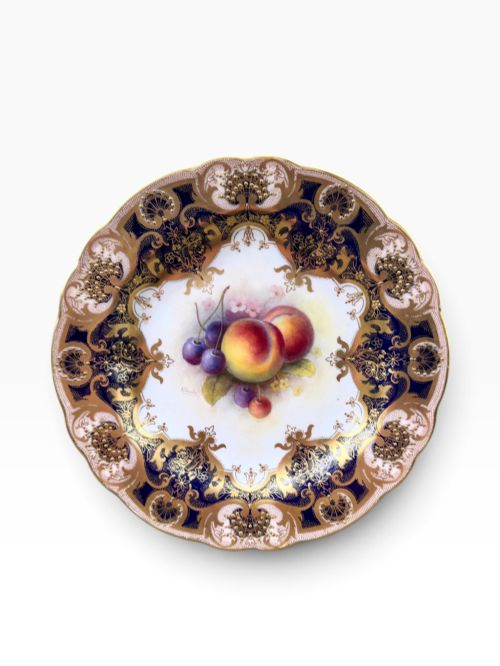
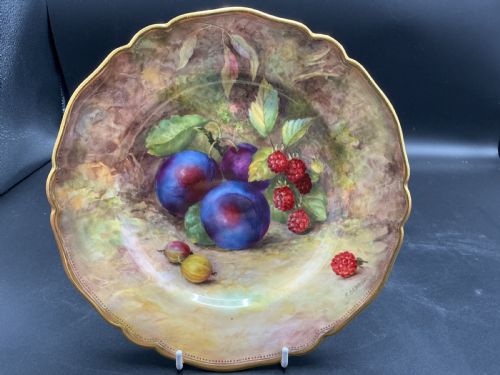
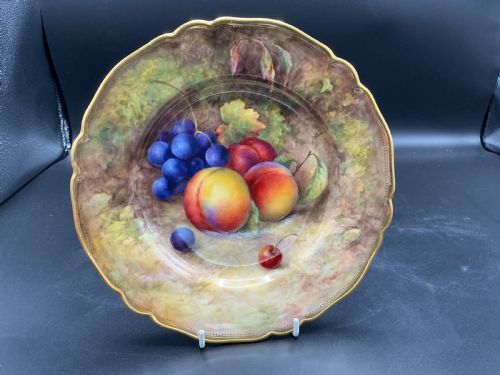
Several cabinet plates bear the painted signatures of artists who clearly spent decades perfecting the exact sheen of a ripe peach.
What varies in quality
Quality in these ceramics rests upon the precision of the modelling and the skill of the painter. Hand-painted fruit and floral studies by named artists demonstrate a superior level of artistry compared to standard transfer-printed wares.
The crispness of the moulding and the richness of the gilding and enamel work distinguish finer examples. Pieces retaining clear factory date marks and artist signatures command greater appreciation for their documented provenance.
Royal Crown Derby·Royal Doulton·Royal Worcester·Spode·Coalport·Grainger Worcester·Wedgwood·Masons Ironstone·Hicks and Meigh·Dr Wall Worcester
The Vintage English Porcelain Glossary
- Bone china
- A type of porcelain incorporating bone ash, known for its high strength, chip resistance, and translucent quality. This composition became a staple of English ceramic production.
- Cabinet plate
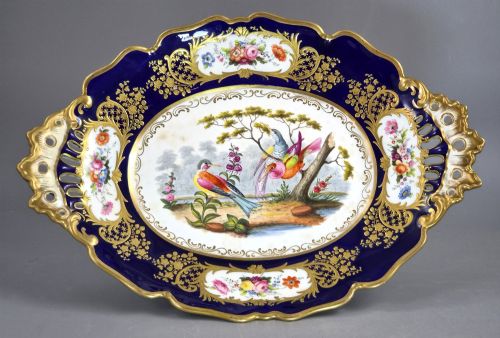
- An ornamental plate intended for display in a cabinet or on a wall rather than for dining use. These often feature elaborate hand-painted scenes or rich gilding.
- Gilding
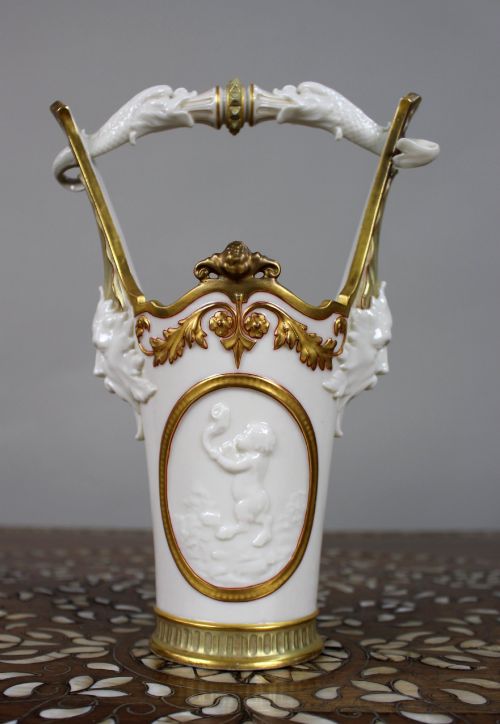
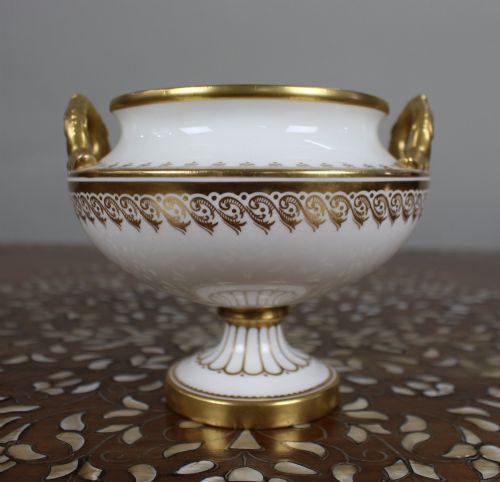
- The application of gold leaf or gold powder to the surface of porcelain for decorative effect. It highlights rims, handles, and painted motifs.
- Imari style
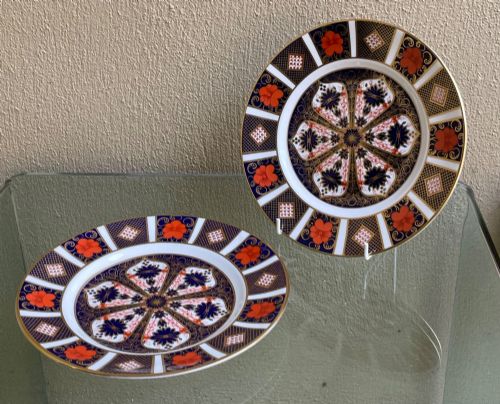
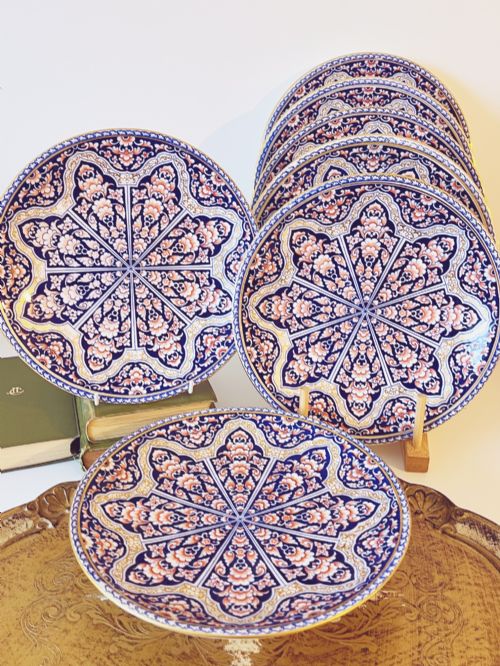
- A decorative scheme inspired by Japanese export wares, characterised by a palette of underglaze blue, iron red, and abundant gold. English factories adopted this aesthetic widely.
- Enamel
- Opaque, coloured glass fused to the porcelain surface through firing. It provides vibrant, durable hues for detailed pictorial work.
Vintage English Porcelain: Frequently Asked Questions
How do I identify the date of my porcelain?
Look for factory backstamps, impressed ciphers, and registration marks located on the underside of the piece. Many major English potteries utilised specific letter or symbol codes corresponding to exact years of manufacture.
Style, colour palettes, and framing details also offer strong clues to a piece's era. Comparing these visual markers with documented factory archives helps narrow down the production period.
Can I use vintage porcelain for daily dining?
Most fine antique and vintage porcelain is better suited for display or gentle occasional use rather than daily service. Hand-washing in lukewarm water with mild soap preserves the delicate hand-painted enamels and gold leaf.
Subjecting older ceramics to modern dishwashers or sudden temperature changes risks cracking the glaze or fading the pigments. Treating these pieces with care ensures their longevity.
What does Imari style mean on English ceramics?
The Imari style refers to a distinctive decorative pattern inspired by imported Japanese wares from the port of Imari. English makers adopted this aesthetic during the Georgian and Victorian periods.
These designs rely heavily on a contrasting palette of deep cobalt blue, rust red, and lavish gilding. The resulting pieces present a bold, highly decorative surface that proved immensely popular in British homes.
Why are some cabinet plates signed by artists?
Master painters at factories like Royal Worcester often signed their work when producing high-end cabinet plates and exhibition pieces. Signatures from notable artists denote a higher tier of individual craftsmanship.
Plates bearing these signatures represent the pinnacle of a factory's artistic output. Collectors prize them for the distinct personal touch of the ceramic artist.