


Red Porcelain Figurine
A red porcelain figurine brings vibrant colour and character to a room, offering distinct personality through modelled forms that span centuries of ceramic artistry.
Red Porcelain Figurine
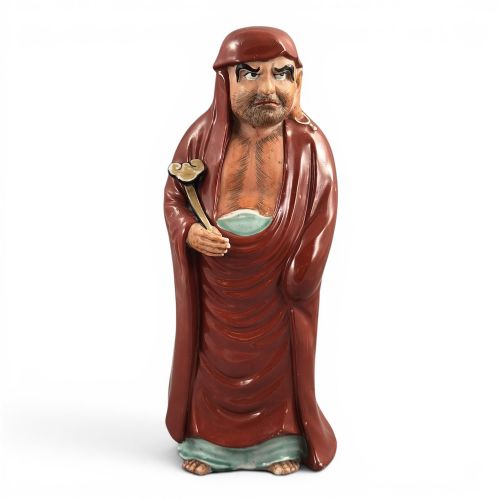
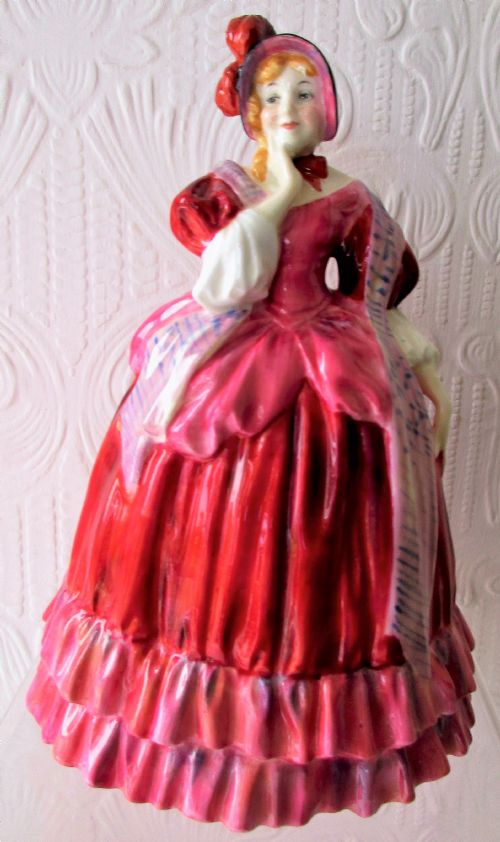
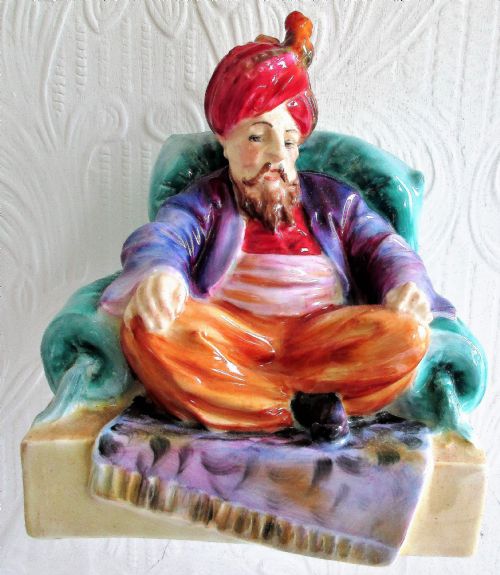
A red porcelain figurine comprises modelled ceramic subjects ranging from animal figures to human characters, created across diverse periods. When searching for a red porcelain figurine, buyers encounter pieces originating from English potteries, Chinese dynasties, and European factories.
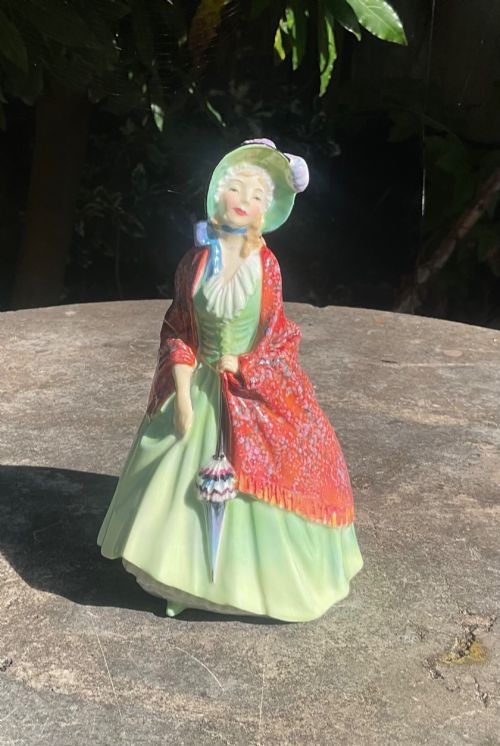
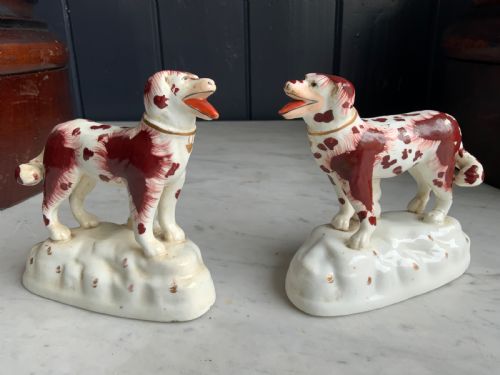
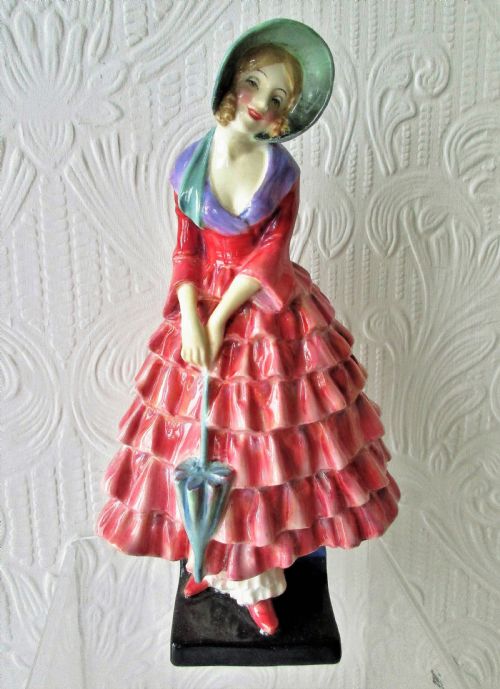
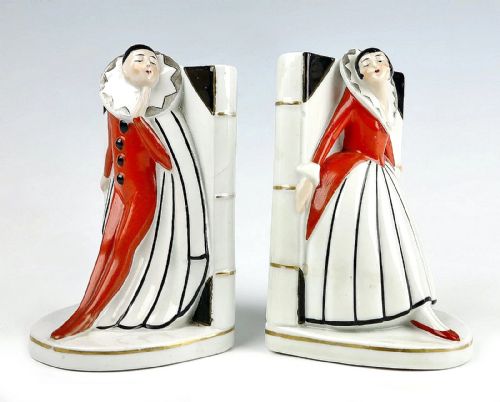
The selection on this page demonstrates various decorative forms, including individual character figures, matched pairs of spaniels, bookends, and larger seated dogs. These items bridge decorative arts and functional domestic items, reflecting the distinct taste of their respective eras.
Origins span from the mid-eighteenth century through to the mid-twentieth century, encompassing Regency, Victorian, Edwardian, and Art Deco aesthetics. Buyers find both classical European modelling and traditional Asian forms represented within the available selection.
Materials and production methods
Makers utilised porcelain, bone china, and earthenware as base bodies, shaping them through moulding or hand-modelling techniques. These ceramic substrates provided the stable foundations necessary for subsequent decoration.
Surfaces received coloured glazes, enamel paints, and occasional gold leaf accents to define details and add visual depth. Firing in kilns then fused these pigments and glazes permanently to the ceramic body.
Ceramic dogs keep watch over mantelpieces with unblinking ceramic devotion, refusing to chase the postman or beg for scraps.
Assessing quality in ceramic figures
The application of enamel and glaze reveals the maker's technical control, with smooth, even coverage and precise brushwork separating finer examples from simpler production. Preservation of original surface details and minimal wear to painted elements also influence the standing of an individual piece.
Royal Doulton·Meissen
The Red Porcelain Figurine Glossary
- Porcelain
- A hard, fine-grained ceramic material fired at high temperatures until vitrified and impermeable. It provides the smooth white body typical of many fine figurines.
- Enamel
- Opaque glass-like pigments applied over fired glazes and fixed in a second, lower-temperature kiln firing. This technique allows for rich, varied coloration on decorative pieces.
- Bone china
- A type of porcelain incorporating bone ash into the paste, producing a strong body with a warm translucent quality. It became a staple for English figure production.
- Glaze
- A glassy coating fused to the ceramic body by heat to seal the porous clay and provide a glossy or satin finish. Coloured glazes contribute directly to the primary palette of the object.
- Okimono
- A Japanese term for a small decorative statue designed for display in a domestic interior. These figures often depict traditional figures or animals with high attention to detail.
Red Porcelain Figurine: Frequently Asked Questions
How do I clean a ceramic figurine?
Dust figures gently with a soft, dry brush to prevent the accumulation of particles in crevices.
Avoid using water or chemical cleaners, particularly on pieces with delicate enamel or gold leaf decoration that might lift.
What is a Staffordshire dog?
Staffordshire dogs are pottery figures made in the Staffordshire region of England, often depicting seated spaniels.
Potters created these pairs to sit on mantelpieces, becoming a staple of Victorian domestic interior decoration.
How are different periods identified?
Stylistic clues such as costume details, glazing techniques, and maker marks help narrow down the production era.
Comparing modelling conventions between Regency, Victorian, and Art Deco examples clarifies their chronological placement.
Where should I display these figures?
Place figurines on stable surfaces away from direct sunlight and high-traffic areas to protect them from accidental damage.
Enclosed cabinets or mantelpieces offer secure locations that keep the pieces visible while minimising environmental hazards.