

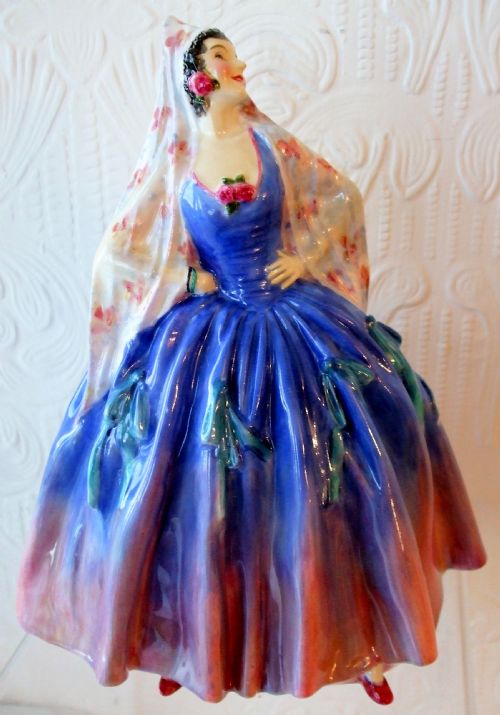
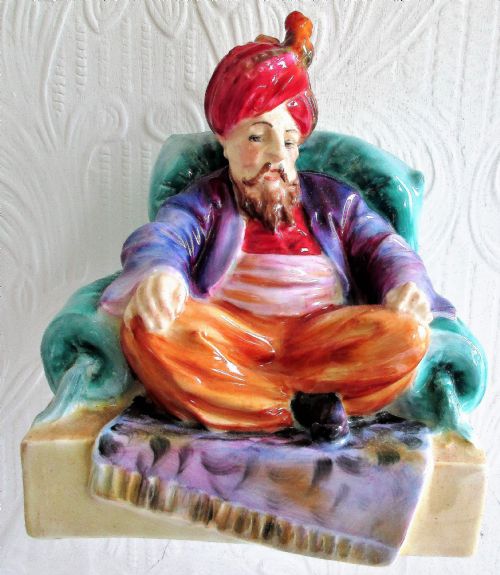


Vintage Ceramic Statuette
A vintage ceramic statuette brings sculptural character and period charm into a room, spanning delicate porcelain animals and expressive earthenware figures.
Vintage Ceramic Statuette
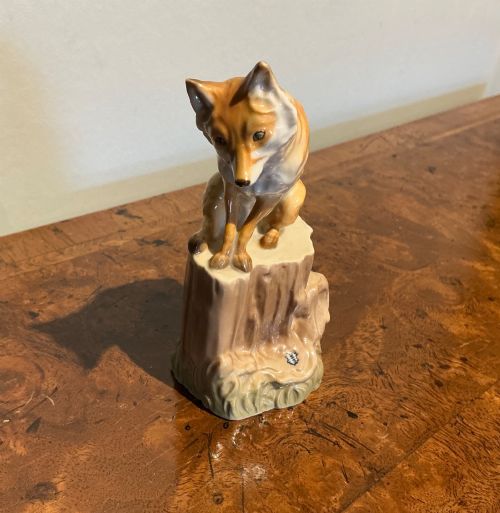
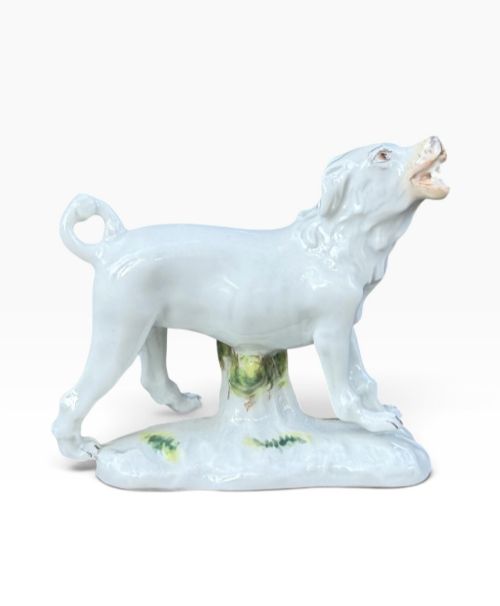
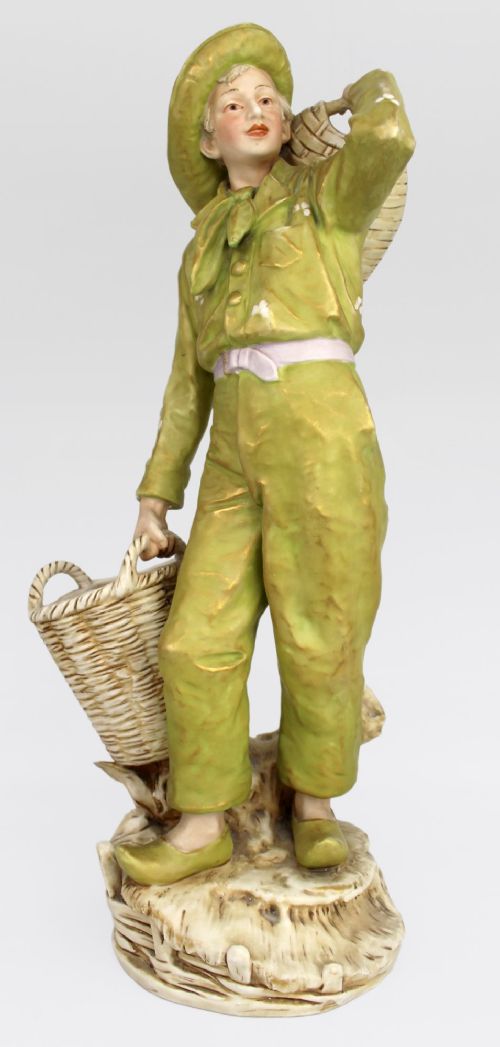
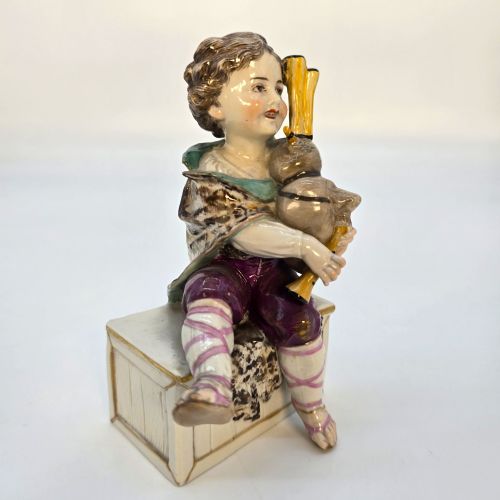
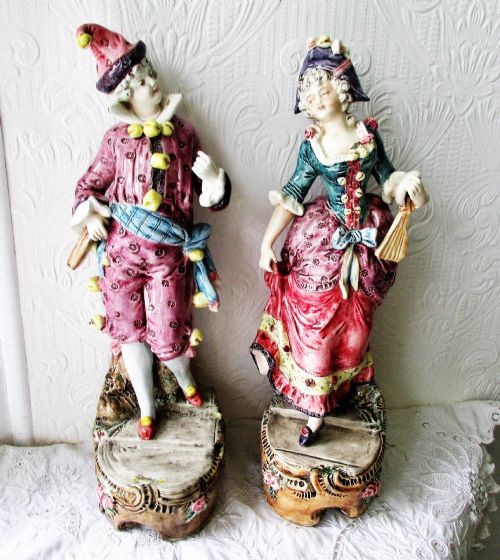
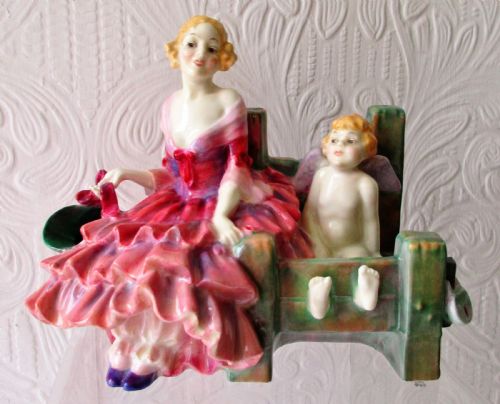
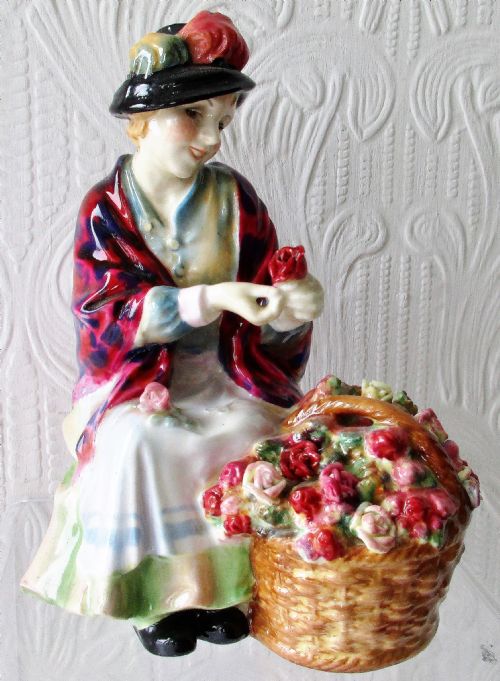
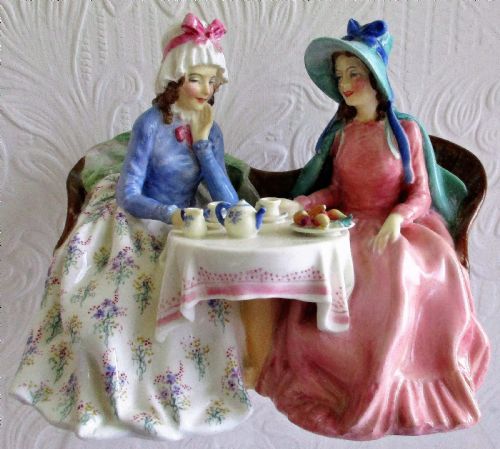
When you search for a vintage ceramic statuette, you encounter three-dimensional figural sculptures shaped from clay, bone china, or porcelain. The selections on this page range from nineteenth-century Staffordshire lions and Victorian musical figures to twentieth-century Art Deco cats and mid-century Royal Doulton characters.
Makers and factories across Britain, continental Europe, and Asia produced these decorative objects. You meet subjects depicting human figures such as street traders, musicians, and dancers alongside animals including dogs, foxes, tigers, and cockerels.
The periods represented stretch from eighteenth-century Meissen and Ludwigsburg pieces through Victorian and Edwardian works into the 1930s and 1940s. These pieces function as tabletop ornaments, mantelpiece focal points, and cabinet displays.
How they were made
Potters shaped these figures using earthenware, bone china, or hard-paste and soft-paste porcelain. Artisans applied glaze and enamel to colour the surfaces, sometimes incorporating gold leaf or gilt detailing.
Listings feature porcelain, earthenware, and bone china pieces spanning the eighteenth century through the 1940s.
What varies in quality
The standard of a ceramic statuette depends on the crispness of the moulding and the sensitivity of the hand-painting. Superior pieces display finely delineated facial expressions, detailed fingers or paws, and clean application of enamel colours.
Distinction also lies in the prestige of the manufacturing factory or workshop, with established houses maintaining rigorous standards in firing and glazing. The complexity of the subject, such as multi-figure groups or intricate lace and floral work, separates standard production from exceptional examples.
Nymphenburg·Meissen·Royal Dux Bohemia·Volkstedt Rudolstadt Factory·Royal Doulton·Royal Worcester·Royal Copenhagen·Wedgwood and Co
The Vintage Ceramic Statuette Glossary
- Bone china
- A type of porcelain containing animal bone ash, producing a strong, milky-white body that accepts fine glaze painting.
- Earthenware
- Porous pottery fired at lower temperatures, typically finished with an opaque glaze or enamel before decoration.
- Gilt
- A thin layer of gold applied to the surface of porcelain or pottery for decorative highlights.
- Sancai
- A lead-glazed pottery technique featuring low-relief moulding and amber, green, and cream coloured glazes.
- Blanc-de-chine
- White porcelain manufactured in China, prized for its smooth, ivory-toned glaze.
Vintage Ceramic Statuette: Frequently Asked Questions
How do I date an old porcelain figure?
Dating relies on identifying factory backstamps, impressed model numbers, and stylistic markers such as Art Deco geometric lines or Victorian theatrical poses. Comparing the paste and enamel characteristics with documented factory production periods helps narrow down the decade of manufacture.
Examining the base for wear patterns, firing marks, and handwritten painter ciphers also provides reliable chronological clues.
Where should I display my ceramic figures?
Place your statuettes in stable locations away from direct sunlight, heavy foot traffic, and extreme temperature fluctuations. Enclosed glass cabinets protect delicate porcelain extremities, lace details, and hand-painted enamel surfaces from dust and accidental knocks.
Ensure shelves are level and secure, particularly when displaying heavier earthenware models like Staffordshire lions or large animal groups.
What is the difference between porcelain and earthenware?
Porcelain is fired at much higher temperatures than earthenware, resulting in a vitrified, non-porous body that rings when struck and can be cast very thinly. Earthenware is softer, more porous, and requires an impermeable glaze to seal the clay body.
European factories developed bone china and hard-paste porcelain specifically to achieve greater durability and finer sculptural detail than traditional earthenware.
How do I clean antique ceramic statuettes?
Dust figures gently with a soft, dry artist's paintbrush to remove surface particles without abrading delicate hand-painted details. Avoid using water or chemical cleaners on pieces with gilt highlights, enamel decoration, or exposed porous clay.
If washing is essential for glazed surfaces, use lukewarm water and mild soap, ensuring the piece is completely dry before returning it to display.